

** TL;DR ** In today’s e-commerce landscape, your “digital shelf” is the entire online experience a shopper has with your product, from search results to product pages and reviews. Strong digital shelf performance is essential for growth, and mastering it requires focusing on three pillars: compelling product content, high product visibility (measured by share of search), and authentic ratings and reviews. By leveraging digital shelf analytics to monitor these areas, you can prevent issues like being out-of-stock, improve the overall customer experience, and directly boost your conversion rate, transforming your online presence from invisible to unbeatable.
Imagine this. You’ve poured your heart into a product. The design is perfect, the quality is unmatched, and your marketing campaigns are sleek. Yet, your sales are sluggish, and your brand feels invisible online. You’re checking all the traditional boxes, but something is missing. That something is your digital shelf performance.
Think of the digital shelf as the modern equivalent of a physical store shelf, but it exists on e-commerce websites, search engine results pages, and social media platforms. It’s not just the product page itself. It is the entire online experience a shopper has with your product, from the moment they see it in search results to the point they read a review and finally click “add to cart.” In 2025, mastering your digital shelf is not a luxury for brand managers. It is the fundamental key to survival and growth.
What Does Digital Shelf Performance Mean? Beyond the Product Page
If you think your product page on Amazon or Walmart.com is your digital shelf, you are only seeing a small part of the picture. The digital shelf is a much broader concept. It encompasses every single digital touchpoint where a consumer can find, evaluate, and purchase your product.

This includes:
- Search Results: How your product appears on Google, Amazon Search, and other retail search engines. This is your first point of product visibility.
- Product Listings: The core page on an online retailer, which includes your title, images, descriptions, and videos.
- Ratings and Reviews: The social proof and user-generated content that heavily influences purchasing decisions.
- Social Media Platforms: Instagram Reels, TikTok videos, and Pinterest pins that feature your product.
- Display Ads: Retargeted ads that follow a potential customer after they have viewed your product.
In essence, your digital shelf is the sum of all these parts. A strong digital shelf presence means your product is easy to find, appealing to learn about, and simple to buy. A weak presence means you are getting lost in the noise, regardless of how good your physical product may be.
A survey by Salsify found that 87% of shoppers consider product content to be critical when deciding to purchase. This statistic highlights that your content is your primary salesperson online.
The Three Pillars of a Winning Digital Shelf in 2025

Image Source: E Fundamentals
To manage your digital shelf effectively, you need to focus on three interconnected pillars. Ignoring any one of them will create a weak link in your chain.
Pillar 1: Content and Presentation
This is the foundation. Just as you would not put a dented can on a physical shelf, you cannot have poor-quality content online. This pillar is all about your product content. It must be accurate, comprehensive, and engaging. This means high-resolution images from multiple angles, videos demonstrating use, and detailed descriptions that not only list features but also explain benefits. Using the right keywords in your titles and bullet points is crucial for being discovered in the first place.
Pillar 2: Visibility and Availability
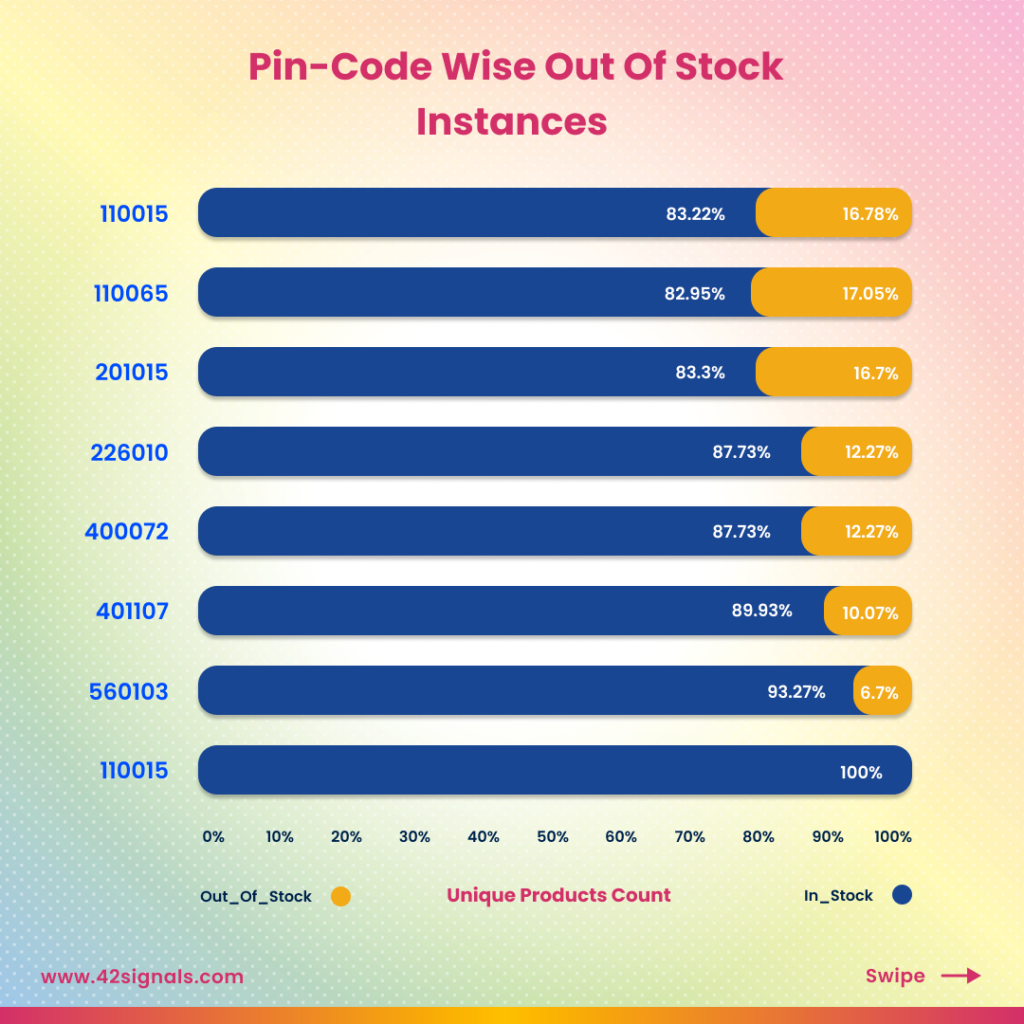
What good is a perfect product page if no one can find it or if it is always out of stock? This pillar covers your product availability and visibility through strategies like winning share of search, which we will discuss later. It also means ensuring your product is rarely, if ever, out-of-stock. An out-of-stock product is a dead product on the digital shelf, instantly losing sales to competitors and damaging your search ranking algorithms.
Pillar 3: Reputation and Social Proof
This is the trust factor. In a physical store, you might ask a clerk for an opinion. Online, shoppers rely on ratings and reviews. A product with few or negative reviews will struggle to convert, even with the best content and visibility. Actively managing this social proof by encouraging authentic reviews and responding to customer feedback is a non-negotiable part of modern brand management.
Your Most Important Metric: Understanding Share of Search
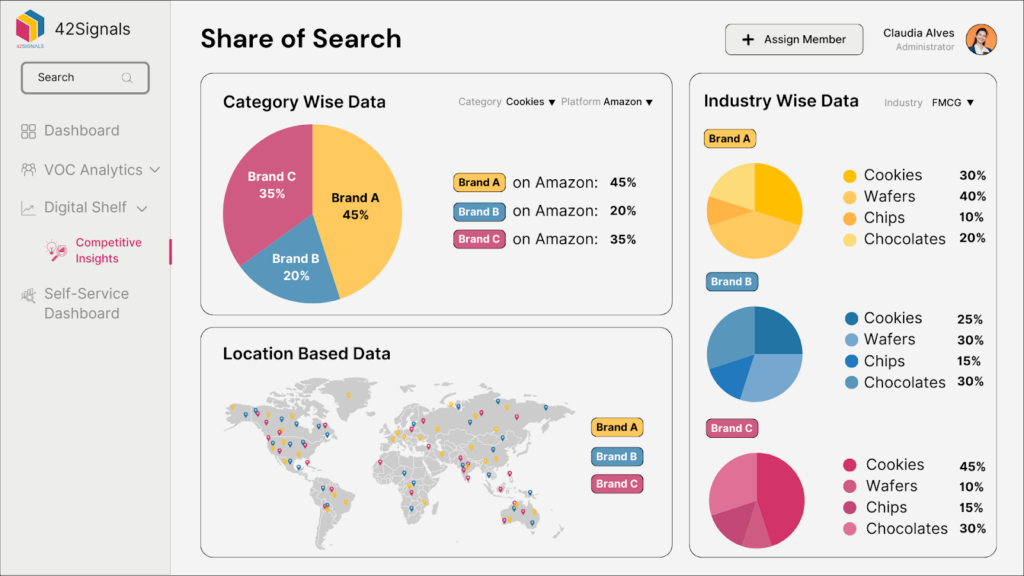
While many metrics are important, one of the most critical for measuring digital shelf performance is Share of Search. Think of it as the digital equivalent of share of shelf space in a supermarket.
Share of Search measures how often your brand or products appear in search results within a category compared to your competitors. For example, if 100 people search for “wireless headphones” and your brand appears in 25 of those relevant search results, you have a 25% Share of Search for that term.
Why is this so important? A study by Profitero found that a 1-point increase in Share of Search can lead to a 0.5% increase in market share. This is because high search visibility directly correlates with high market share. It is a powerful leading indicator of your brand’s health and future sales potential. By focusing on increasing your Share of Search, you are directly investing in your long-term product visibility and market dominance.
The Engine Room: Leveraging Digital Shelf Analytics
You cannot improve what you do not measure. This is where digital shelf analytics come in. This is not just about tracking sales. It is about continuously monitoring the health and performance of all three pillars we discussed across hundreds, maybe thousands, of online retailers and search platforms.
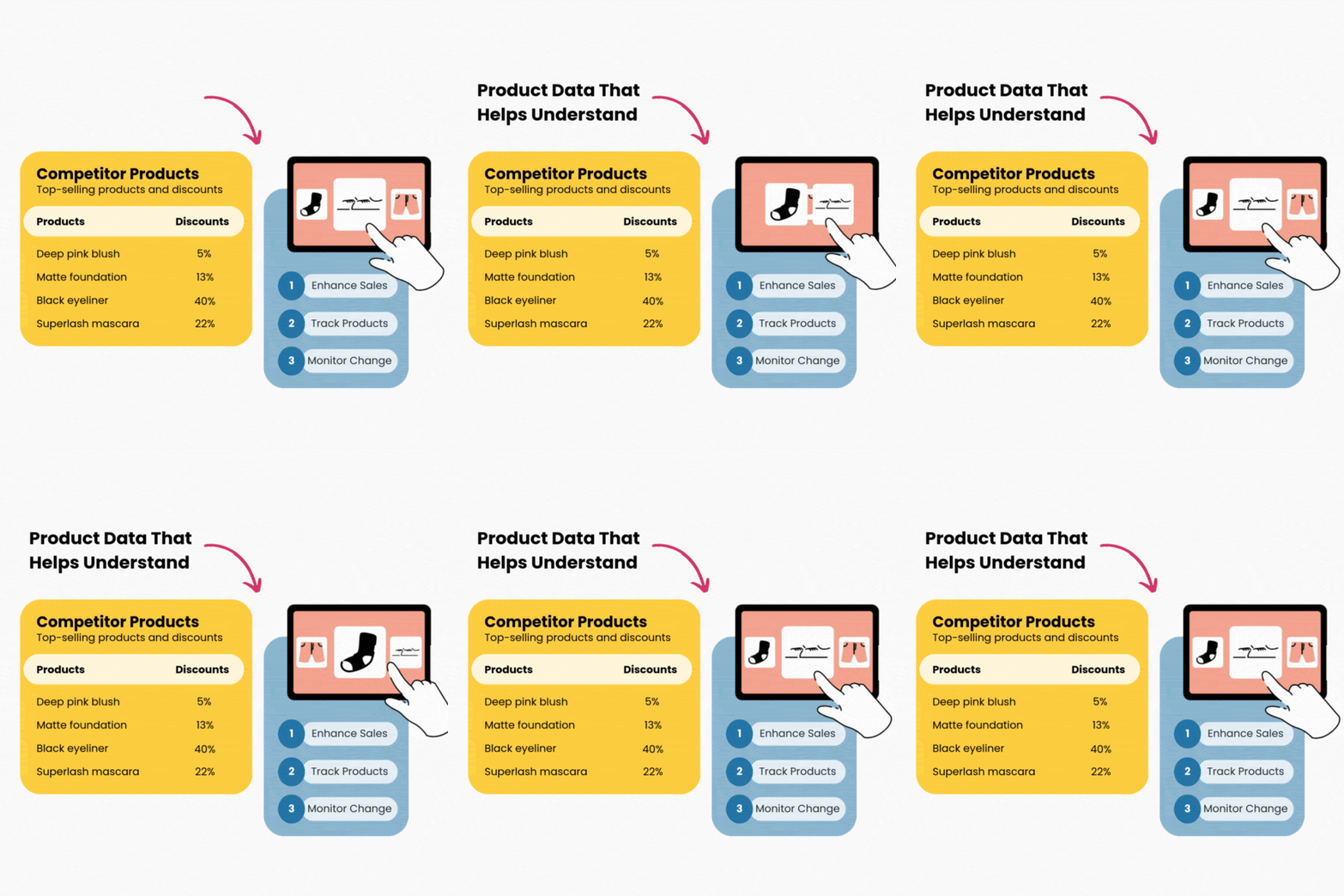
Digital shelf analytics platforms help you answer critical questions.
- Is my product content complete and consistent everywhere it is sold?
- How is my conversion rate on Retailer A versus Retailer B?
- What is causing my product to be out-of-stock at a major retailer?
- How do my ratings and reviews sentiment compare to my main competitor’s?
By using these analytics, you move from guessing to knowing. You can pinpoint exactly why a product is underperforming. For instance, you might discover that a sales dip is not due to your product itself, but because a key competitor updated their images and your content now looks outdated. This data-driven approach allows you to allocate resources wisely and fix problems at their source.
The Direct Link Between Your Digital Shelf Performance and Customer Experience
Every interaction a shopper has with your product online is part of their customer experience. A seamless, informative, and positive experience on your digital shelf builds trust and loyalty. A frustrating one does the opposite.
Consider the customer experience journey. A shopper finds your product easily because you have a strong share of search. They click through to a page with beautiful images, a compelling video, and clear, answered questions. They see hundreds of glowing ratings and reviews that ease their concerns. They add the item to their cart, confident in their choice. This is a flawless digital shelf performance leading to a sale.
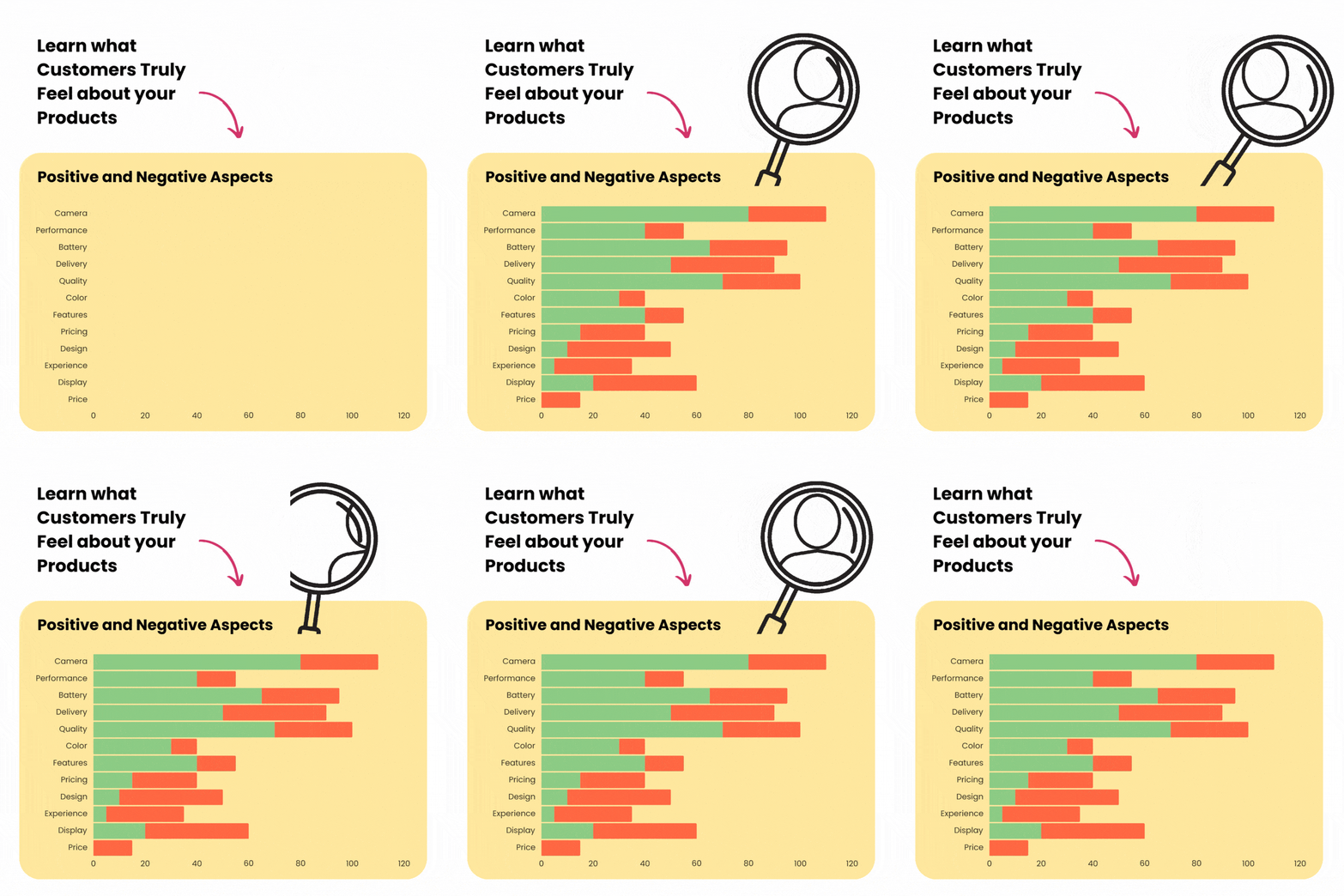
Now, consider the negative journey. The shopper cannot find your product. When they do, the images are blurry, the description is vague, and the only review is a one-star complaint about a damaged item. Even if they want to buy it, a pop-up says the item is out-of-stock. This poor experience does not just lose one sale. It likely loses that customer for life and sends them directly into the arms of your competitor.
Your 2025 Action Plan: A Practical Playbook to Monitor your Digital Shelf Performance
Understanding the theory is one thing. Taking action is another. Here is a straightforward playbook to start improving your digital shelf performance today.
Step 1: Conduct a Comprehensive Content Audit.
Start with your top five selling retailers. Audit your product content on each one. Is it consistent? Are you using all the image and video slots available? Is your description rich with keywords and benefit-driven language? Create a “gold standard” product page template and ensure it is deployed everywhere.
Step 2: Monitor Your Share of Search.
Identify the top 10 keyword phrases for your category. Use available tools to track how often your products appear for these searches versus your top three competitors. This will give you a baseline and show you where your biggest visibility gaps are.
Step 3: Implement a Ratings and Reviews Strategy.
Do not leave reviews to chance. Develop a polite, compliant program to encourage customers to leave feedback. More importantly, have a system in place to read and respond to reviews, especially negative ones. Addressing a problem publicly shows you care about customer experience and can turn a negative into a positive.
Step 4: Set Up Alerts for Stock Outs.
Your digital shelf analytics should include real-time monitoring for inventory levels. Set up automatic alerts for when your key products dip below a certain stock threshold at major retailers. This allows your sales team to proactively work with the retailer to avoid a full out-of-stock situation, protecting your search ranking and sales.
Step 5: Focus on the Conversion Rate.
Finally, analyze what happens after people land on your page. Your conversion rate is the ultimate report card. Use A/B testing to try different images, videos, or description copy. Small tweaks can lead to significant lifts in conversion, making all your efforts in visibility and content truly pay off.
From Invisible to Unbeatable: Mastering Your Digital Future
The role of a brand manager has evolved. It is no longer just about creating great products and memorable ad campaigns. It is about being the custodian of your product’s entire online presence. Your digital shelf performance is now your most significant battleground.
By embracing the concept of the digital shelf, leveraging digital shelf analytics, and executing a disciplined strategy around share of search, product content, and ratings and reviews, you transform from being a passive observer to an active player. You stop blaming mysterious forces for poor sales and start diagnosing the real root causes, from poor product visibility to a broken customer experience.
Try 42Signals today to understand your digital shelf performance and amp up your product and brand’s sales online.
Frequently Asked Questions
Digital shelf performance refers to how effectively a product is presented and discovered on online retail platforms. Just like physical shelf placement affects in-store sales, the digital shelf determines how visible, appealing, and competitive a product is in e-commerce search results and product listings.
It typically includes:
Search ranking and visibility on marketplaces.
Product content quality such as titles, images, and descriptions.
Pricing competitiveness and availability.
Customer engagement through reviews, ratings, and click-through rates.
Measuring digital shelf performance helps brands understand whether their products are easy to find, accurately represented, and positioned to convert browsers into buyers.
Digital shelf optimization is the process of improving how a product performs across online retail channels. It involves adjusting multiple elements that influence visibility and conversions, such as:
Enhancing product titles, images, and descriptions to match search intent.
Maintaining competitive pricing and stock availability.
Using keywords strategically for better ranking on marketplace search results.
Monitoring customer reviews and responding to feedback.
Aligning product listings with retailer algorithms and category rules.
By optimizing the digital shelf, brands can increase market share, boost conversion rates, and outperform competitors on marketplaces like Amazon, Walmart, Flipkart, and other e-commerce sites.
The digital shelf is the online equivalent of a retail store shelf—it’s the space where products are displayed to consumers on e-commerce platforms, retailer websites, and search engines. This includes:
Product detail pages
Category pages
Sponsored listings
Search results
Mobile and desktop storefronts
A strong presence on the digital shelf determines whether a product gets noticed or ignored in an increasingly crowded marketplace. Unlike physical shelves, the digital shelf is dynamic—rankings and visibility can change daily based on content quality, pricing, and demand.
A digital shelf manager is responsible for ensuring that a brand’s products are positioned effectively online to maximize visibility, conversion, and revenue. Their key responsibilities include:
Tracking and analyzing product performance metrics across marketplaces.
Ensuring product content is optimized and updated regularly.
Monitoring pricing, availability, and promotional activity.
Coordinating with marketing, sales, and supply chain teams to maintain consistency.
Responding to competitive movements and marketplace algorithm changes.
Identifying gaps in digital shelf execution and leading corrective actions.
In short, a digital shelf manager acts as the guardian of product visibility and positioning online, ensuring the brand wins more digital “shelf space” than its competitors.