
** TL;DR ** In today’s multi-channel retail environment, price mismatches—where your product’s price differs across your website, Amazon, and other platforms—are a silent profit killer that erodes customer trust, leads to direct lost sales, and causes long-term brand damage by training shoppers to buy from competitors. These issues are primarily caused by the impossibility of manual price management and a lack of control over third-party sellers, which often results in destructive outcomes like seller hijacking and losing the Amazon Buy Box. Implementing a pricing intelligence strategy is the essential solution, acting as an automated system that monitors prices in real-time across all channels, enforces your pricing rules, and dynamically reprices your products to protect your margins, win back sales, and safeguard your brand’s integrity from continuous revenue leakage.
Let me ask you a question that might make you a little uncomfortable. Can you say, with one hundred percent confidence, that the price a customer sees for your product on your own website is the identical price they find on Amazon, Walmart, or Google Shopping right at this very moment? If you feel a flicker of doubt, you are not alone. Most retailers are in the same boat, and that doubt is a symptom of a much larger problem silently eating away at your revenue.
This is the modern dilemma of price mismatches. In today’s complex retail ecosystem, your products live on multiple digital shelves simultaneously. Prices are not static; they are fluid, changing in response to competitor moves, inventory levels, and marketplace algorithms. When the price for the same product differs across these channels, it creates a cascade of negative effects that go far beyond a single lost sale.
It breeds customer distrust, damages your brand’s reputation, and creates glaring operational inefficiencies. Without a systematic way to monitor and manage these discrepancies in real-time, you are essentially navigating a busy highway with a blindfold on. This is where the strategic implementation of pricing intelligence transforms from a competitive edge into a fundamental requirement for sustainable growth.
What is Pricing Intelligence?
Pricing intelligence refers to the process of collecting and analysing pricing data from various sources, such as competitors, market trends, and historical data, to make informed pricing decisions. This data-driven approach enables retailers to understand how their pricing compares to others in the market and respond quickly to changes, such as competitor price adjustments or shifts in customer demand.
Pricing intelligence involves:
- Price monitoring: Continuously tracking competitor prices and market shifts.
- Competitive analysis: Evaluating competitor pricing strategies and performance.
- Pricing data analysis: Using data analytics to assess optimal price points.
- Dynamic pricing: Adjusting prices in real-time or near real-time based on market conditions, competitor actions, or demand.
Incorporating pricing intelligence tools helps retailers stay agile in their pricing strategies, allowing them to remain competitive without sacrificing profitability.
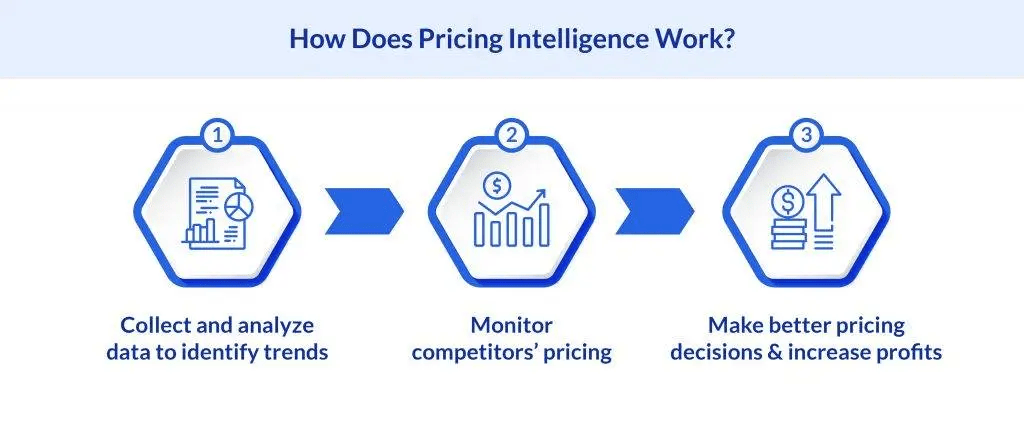
Image Source: Flipkart Commerce Cloud
What is The Importance of Pricing Intelligence for Retailers?
The retail landscape has evolved, and so have customer expectations. Price-conscious consumers now have more power at their fingertips. A few clicks on a smartphone can reveal dozens of options for a product, with real-time price comparisons available on major platforms. To thrive in this environment, retailers must adopt sophisticated pricing strategies based on real-time data and competitive analysis.
Here’s why pricing intelligence is crucial for retailers:
1. Staying Competitive in a Price-Driven Market
Price is one of the top factors influencing purchasing decisions. According to various studies, nearly 80% of shoppers compare prices across different platforms before making a purchase. For retailers, this means that even a slight misstep in pricing can result in losing customers to competitors who offer better deals.
By implementing pricing intelligence, retailers can:
- Monitor competitor prices and trends in real-time.
- Adjust their own prices dynamically to stay competitive without undercutting their profit margins.
- Offer personalised discounts based on pricing data to attract price-sensitive customers.
For example, an online fashion retailer using pricing intelligence may notice that a competitor has launched a sale. The retailer can respond by either lowering their prices on similar products or offering special promotions, ensuring that they remain a viable option for shoppers looking for deals.
2. Improving Profit Margins Without Losing Sales
One of the most challenging aspects of pricing is finding the right balance between competitiveness and profitability. Lowering prices may attract more customers, but it can eat into your profit margins. On the other hand, setting prices too high can drive customers away.
Pricing intelligence allows retailers to strike this balance by:
- Identifying the price points that maximise profit while maintaining customer demand.
- Analysing historical sales data to understand the impact of price changes on sales volume.
- Using competitive analysis to determine whether price reductions or increases are warranted based on market conditions.
In this way, pricing intelligence enables retailers to optimise their pricing strategies for profitability without sacrificing competitiveness.
3. Adapting to Market Trends and Customer Preferences
The retail market is in constant flux. New products, emerging competitors, and changing consumer preferences can all impact how successful a retailer’s pricing strategy is. Market trends such as inflation, supply chain issues, or seasonal demand shifts can also play a significant role in determining pricing.
Pricing intelligence tools help retailers stay ahead of these trends by:
- Providing real-time insights into market movements and competitor behaviour.
- Enabling the identification of emerging pricing trends and helping retailers adapt accordingly.
- Using ecommerce analytics to understand how customers respond to different price points and promotions.
For example, if a retailer notices that a specific product category is gaining popularity, they can adjust their pricing strategy accordingly to capitalise on the trend. Conversely, if a product is losing demand, pricing intelligence can inform decisions on discounting or bundling to boost sales.
4. Enhancing Customer Satisfaction with Competitive Pricing Intelligence
Customers want to feel confident that they’re getting the best deal when they shop. By using pricing intelligence, retailers can ensure that their prices are competitive without needing to engage in aggressive discounting.
Pricing intelligence tools allow retailers to:
- Offer personalised pricing or promotions based on customer behavior and preferences.
- Provide dynamic pricing that adjusts in real-time to reflect market conditions.
- Avoid overpricing or underpricing, which can negatively affect customer satisfaction.
When customers see that a retailer offers fair, competitive prices without unnecessary fluctuations, they are more likely to trust that brand and return for future purchases.
5. Utilising Competitor Data for Informed Decision Making
Retailers who are blind to their competitors’ pricing strategies are at a significant disadvantage. Competitor data, including pricing trends, promotions, and stock levels, is invaluable for informing your own pricing strategies.
With pricing intelligence tools, retailers can:
- Collect and analyse competitor data in real-time.
- Understand how competitor pricing strategies evolve over time.
- Use competitor analysis to identify opportunities for competitive advantage.
For example, if a competitor consistently offers deep discounts on certain products, a retailer can decide whether to match those discounts, offer alternative promotions, or highlight the superior value of their products.
Deconstructing the Price Mismatch without a Pricing Intelligence Platform
To effectively solve the problem of price mismatches, we first need to understand their anatomy. A price mismatch is fundamentally a failure of price synchronisation. It occurs when the same Stock Keeping Unit (SKU) is advertised at different price points across different sales channels. But to write it off as a simple error is to underestimate its complexity. Let’s break down the most common scenarios.
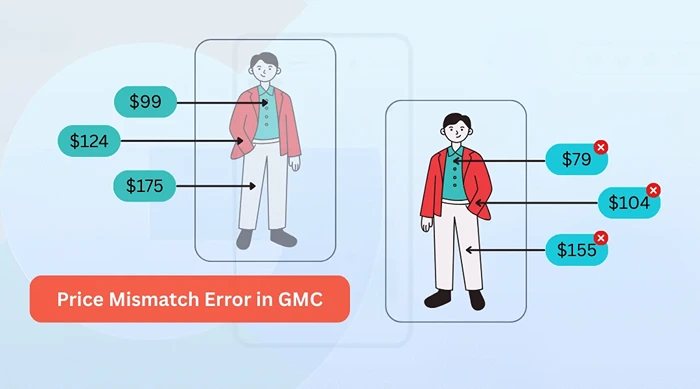
Image Source: Trusted Web E Services
The most straightforward mismatch is between your direct-to-consumer channel (your website) and a major online marketplace. Imagine you sell a high-quality coffee maker for $199 on your site. A customer, doing their due diligence, finds the same model on Amazon for $179. This immediate discrepancy forces the customer into a decision that ultimately costs you a direct sale and the customer relationship.
A more subtle and often more damaging mismatch occurs within a single marketplace itself. You might be selling on Amazon, but so are several other sellers, including authorised distributors and, sometimes, unauthorised resellers. If another seller lists the same product for a lower price, the marketplace algorithm will often feature that lower price prominently, leading to what is known as a broken buy box for you.
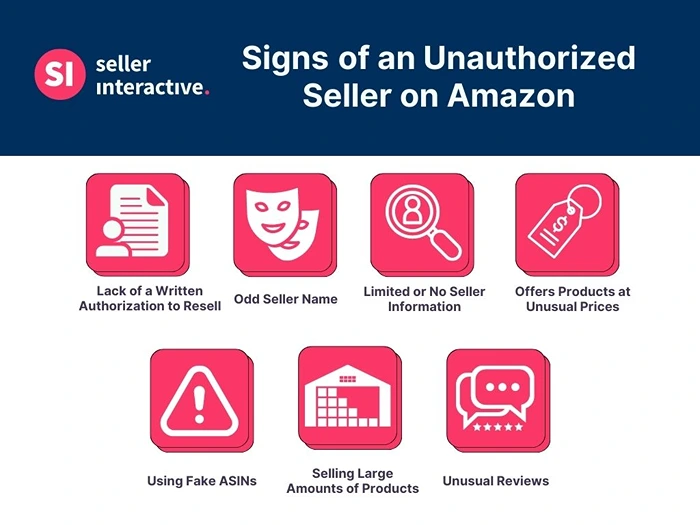
Image Source: Seller Interactive
This means you lose the prime digital real estate—the “Add to Cart” button—that drives the vast majority of sales on these platforms. Understanding that a price mismatch is a systemic issue, not just an isolated mistake, is the first step toward building a more robust pricing strategy.
The Ripple Effect: How a Single Mismatch Creates a Tsunami of Profit Loss
If you think a small price-matching difference on one product is not a big deal, it is time to reconsider. A single price mismatch is like a crack in a dam; it might start small, but the pressure of the market will inevitably widen it, leading to a flood of negative consequences. The impact is a ripple effect that touches every part of your business.
The First Ripple: Erosion of Consumer Trust
The immediate casualty of a price mismatch is customer trust. When a shopper sees your product for $50 on your site and $45 on another platform, their first thought is rarely “What a great deal!” Instead, it is “Why is the manufacturer trying to overcharge me?” or “Is this site legitimate?” This moment of confusion and suspicion is incredibly damaging. In an era where consumers crave transparency and value authenticity, inconsistent pricing is interpreted as a lack of integrity. You lose not just a sale, but the foundation of a potential long-term relationship.
The Second Ripple: The Direct Loss of Revenue and Customer Data
The most obvious consequence is the loss of direct sales. The customer buys from the cheaper source, and you lose that immediate revenue. However, the true cost is much higher. You also lose the valuable first-party data that comes with a direct purchase—the email address, the purchase history, and the ability to market to that customer in the future. That customer now becomes an asset for the marketplace or the third-party seller, making it harder and more expensive for you to reach them again.
The Third Ripple: The Long-Term Devaluation of Your Brand
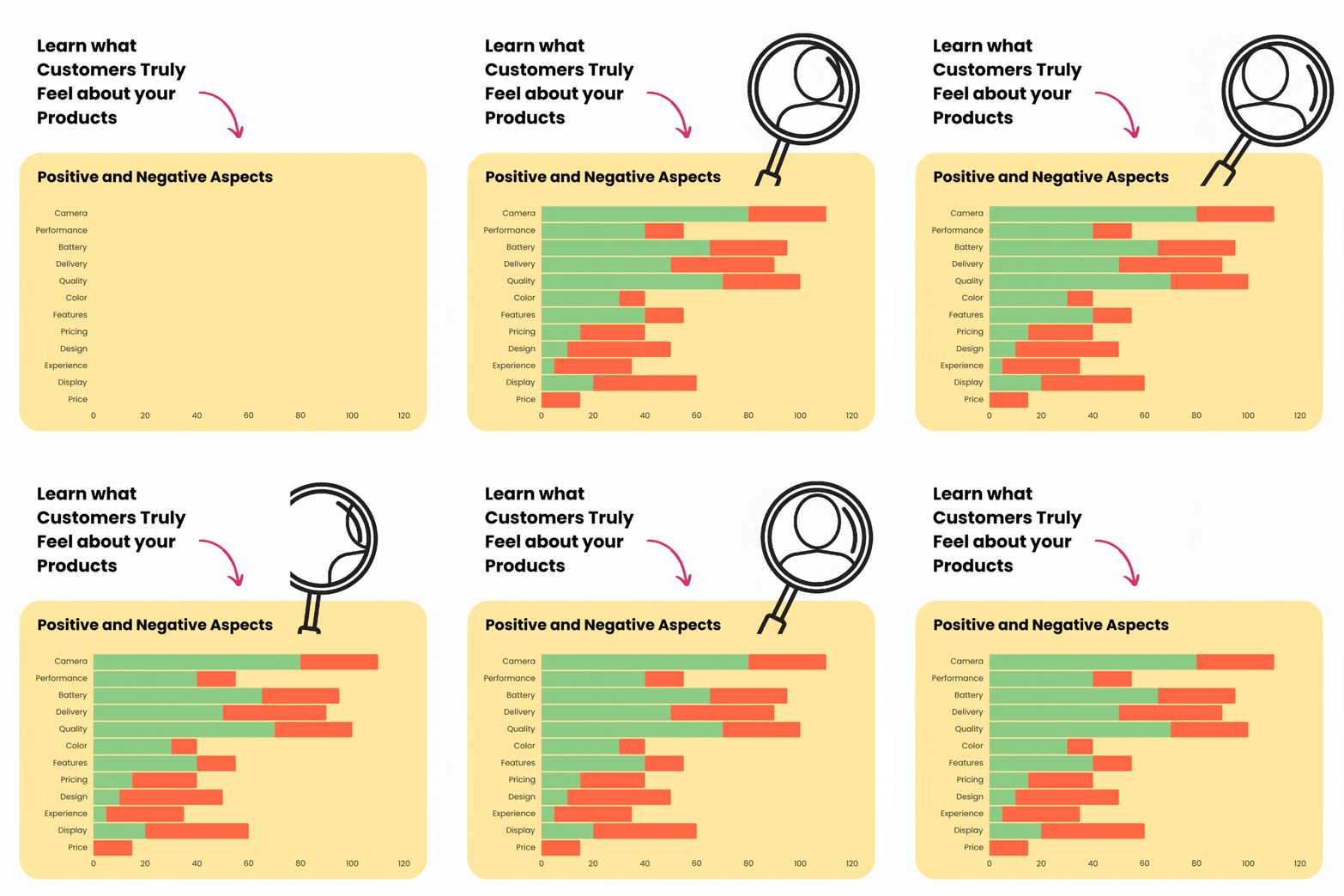
Consumer sentiment analysis by 42Signals
When customers repeatedly find your products for less on other websites, they are trained not to purchase from you directly. Your own website becomes a mere showroom—a place for research and evaluation, but not for conversion. Over time, this perception seeps into the market, systematically devaluing your brand. You are no longer seen as a destination retailer but as a supplier for discount marketplaces. This slow-burning profit loss is difficult to track on a daily P&L statement but is catastrophic for your brand’s long-term equity and pricing power.
Key Components of a Pricing Intelligence Strategy
To effectively leverage pricing intelligence, retailers need to develop a strategy that integrates various data points, tools, and analytical approaches. Below are some of the key components of a robust pricing intelligence strategy:
1. Price Monitoring Tools
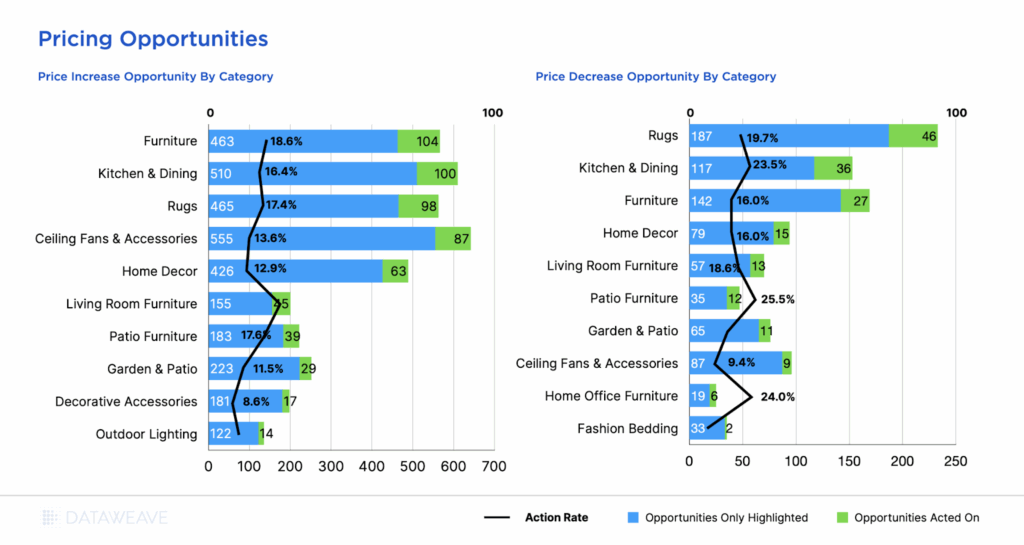
Price monitoring is the foundation of pricing intelligence. By using automated price monitoring tools, retailers can keep tabs on competitor pricing in real-time across multiple platforms. This data is invaluable for making quick adjustments to pricing and maintaining a competitive edge.
Retailers can use price monitoring to:
- Track competitor prices on a daily or even hourly basis.
- Compare their own prices across various online channels.
- Identify pricing gaps or opportunities for competitive pricing.
Some of the leading price monitoring tools include Prisync, Price2Spy, and Competera.
2. Ecommerce Analytics
Ecommerce analytics provides retailers with insights into customer behaviour, including how customers respond to different price points, discounts, and promotions. By analysing this data, retailers can better understand the elasticity of demand and refine their pricing strategies to drive sales.
Ecommerce analytics can help retailers:
- Measure the impact of price changes on sales volume.
- Identify which products have the highest sensitivity to price changes.
- Optimise pricing across different customer segments or regions.
3. Market Trends Analysis
Retailers must also stay on top of broader market trends to inform their pricing decisions. By analysing market data, retailers can identify shifts in consumer demand, emerging product categories, and changes in supply chain dynamics that may impact pricing.
For instance, during the holiday season, demand for certain products may spike, allowing retailers to increase prices temporarily. Conversely, during times of economic downturn, customers may be more price-sensitive, necessitating more aggressive discounting.
4. Dynamic Pricing Algorithms
Dynamic pricing algorithms allow retailers to adjust prices in real-time based on a variety of factors, including competitor prices, customer demand, and product availability. These algorithms can be customised to meet specific business goals, such as maximizing profit margins or increasing market share.
Dynamic pricing is particularly useful for:
- E-commerce retailers need to stay agile in a fast-moving market.
- Seasonal businesses that experience significant demand fluctuations.
- Retailers with a wide range of product categories, each with different pricing needs.
How Pricing Intelligence Benefits E-Commerce Retailers
For e-commerce retailers, pricing intelligence is not just an advantage; it’s a necessity. With millions of products available at the click of a button, shoppers can easily compare prices across different platforms, forcing retailers to stay on top of their pricing strategies.
Pricing intelligence benefits e-commerce retailers in several ways:
- Real-time price adjustments: Dynamic pricing tools allow e-commerce retailers to respond to competitor pricing changes and market shifts instantly.
- Global competitiveness: E-commerce retailers often compete with global competitors. Pricing intelligence tools help them monitor international prices and adjust accordingly to remain competitive.
- Personalized pricing: By analyzing customer data, e-commerce retailers can offer personalized discounts or pricing based on customer behavior, increasing the likelihood of conversion.
- Stock management: Pricing intelligence can also help e-commerce retailers optimize their inventory by identifying which products should be discounted to move stock quickly and which can be priced higher due to limited availability.
The Hidden Battleground: Seller Hijacking and the Fight for the Buy Box
While direct sales loss is painful, the most sophisticated threats to your online revenue operate just beneath the surface. The phenomena of seller hijacking and the broken buy box are advanced stages of pricing chaos that can paralyse your sales on critical channels.
Seller Hijacking: An Attack on Your Brand Integrity without Pricing Intelligence
Seller hijacking is a form of digital identity theft for your products. It happens when an unauthorised, and often unscrupulous, third-party seller lists their offer on your official product detail page on a marketplace like Amazon. You have invested significant resources in creating a perfect listing: high-resolution images, engaging video demos, and carefully crafted copy.
A hijacker, selling a used, refurbished, or even counterfeit version of your product, attaches their offer to your listing. If they offer a lower price, they can steal your sales and, more dangerously, destroy your reputation. The customer purchases from the hijacker, receives a subpar product, and then leaves a scathing one-star review on your official listing. This directly attacks your brand integrity, punishing you for a failure you did not cause and creating a public relations nightmare that is difficult to undo.
The Broken Buy Box: Losing the Keys to the Kingdom
On Amazon, the “Buy Box” is the holy grail. It is the white box on the right side of a product page featuring the “Add to Cart” and “Buy Now” buttons. Industry data suggests that over 82% of all Amazon sales are generated through the Buy Box. (Source: Feedvisor). Winning the Buy Box is not a matter of chance; it is a calculated decision by Amazon’s algorithm based on seller performance, shipping time, and, most critically, price.
If you are not the lowest-priced eligible seller, you will likely lose the Buy Box. This creates a broken buy box scenario from your perspective. Even if you are the brand owner and have the best listing, you are relegated to the “Other Sellers on Amazon” list, a digital purgatory where few shoppers venture. The result is an immediate and dramatic collapse in your sales velocity on that platform, all because of a price mismatch you may not even have been aware of.
Diagnosing the Problem: The Root Causes of Price Mismatches in Modern Retail
Price mismatches do not occur in a vacuum. They are the direct result of specific, and very common, operational weaknesses that plague retailers trying to manage a multi-channel presence. Identifying these root causes is essential for implementing an effective cure.
The Inevitable Failure of Manual Price Management
Many retailers, even sizable ones, still rely on spreadsheets and manual processes to manage pricing across thousands of SKUs and dozens of channels. This approach is fundamentally broken. Consider the logistics: a team member must manually check competitor prices, update a master spreadsheet, and then log into each separate channel (your website, Amazon, eBay, etc.) to implement the changes.
This process is not only slow but incredibly prone to human error. By the time a price change is fully executed, the competitor’s price may have changed again, or a typo may have created a new, drastic price mismatch. In a digital market that moves in minutes, a manual process that takes hours or days is a recipe for consistent profit loss.
The Overwhelming Complexity of Multi-Channel Commerce
The modern retailer does not have one storefront; they have many. Your products are on your Shopify or Magento store, your Amazon Seller Central account, your Walmart Marketplace portal, your Google Merchant Centre feed, and possibly others. Each of these platforms has its own unique backend, its own rules for submitting price feeds, and its own update cycles.
A coordinated price change across all these channels is a monumental technical challenge. Without a central command centre to synchronise prices, it is almost guaranteed that discrepancies will appear. A promotional discount on your website might not sync correctly with Amazon, instantly creating a price mismatch that confuses customers and triggers a broken buy box.
The Challenge of Controlling Your Distribution Network
Even if your internal processes are flawless, your external partners can create chaos. Authorised dealers or distributors may decide to run their own promotions, or unauthorised resellers may acquire your product through other means and list it at a deep discount to liquidate stock. Without visibility into these activities, you are blind to the price mismatches they create.
This lack of control is a primary driver of seller hijacking and is a direct assault on your brand integrity. It allows third parties to dictate your product’s market price, undermining your entire pricing strategy and leading to significant profit loss.
Pricing Intelligence Defined: Your Central Nervous System for the Market
So, what is the solution to this multifaceted problem? It is a strategic approach powered by technology known as pricing intelligence. This term is often thrown around, so let us be very clear about what it means.

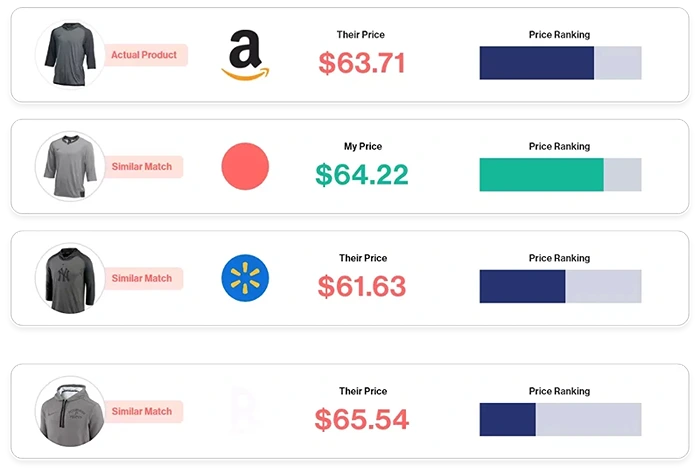
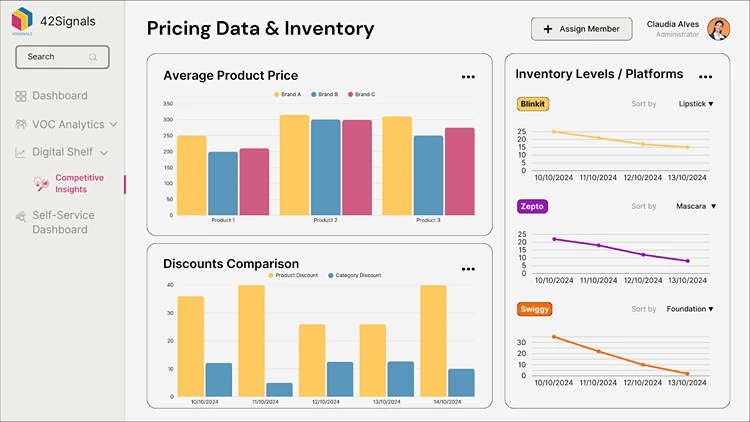
Product data and Prices dashboard by 42Signals
Pricing intelligence is the continuous process of gathering, analysing, and acting upon pricing data from the entire market in real-time. It is not just a fancy tool for tracking competitors; it is a central nervous system for your commercial strategy.
A true pricing intelligence system does the work of an entire team of market analysts, but with the speed, scale, and accuracy that only automation can provide. It monitors every relevant competitor, across every important channel, for all of your key products, twenty-four hours a day, seven days a week.
For retailers, this technology is specifically tailored to handle the unique complexities of e-commerce. Pricing intelligence for retailers involves integrating data from marketplaces, comparison shopping engines, and competitor websites directly into your business operations.
It transforms raw data into actionable insights, answering critical questions like:
- “Is my price competitive on Amazon right now?” “
- Are any sellers violating my MAP policy?” and
- “How will a 5% price change on my best-selling item affect my Buy Box win rate?”
It is the difference between making educated guesses and making data-driven decisions.
The Mechanics of Protection: How Pricing Intelligence Actively Fights Revenue Leakage
Implementing a pricing intelligence platform is like installing a state-of-the-art security and optimisation system for your revenue. It actively works to prevent profit loss by addressing each of the root causes we have discussed. Let’s explore the mechanics of how it accomplishes this.
The Power of Real-Time Monitoring and Instant Alerts
Image Source: Price Alerts by 42Signals
At its core, a pricing intelligence platform is a sophisticated monitoring tool. It uses web crawlers and data scraping technologies to continuously scan the internet for your products and their competitors. The moment a significant event occurs—a competitor drops their price, a new seller appears on your listing, or your price becomes uncompetitive on a key channel—the system triggers an immediate alert.
This means you are no longer relying on stale data from a weekly report. You know about a price mismatch or a seller hijacking attempt within minutes, giving you the power to respond before it impacts a significant number of sales.
The Strategic Advantage of Automated Repricing
For retailers on marketplaces, this is often the most valuable feature. Automated repricing allows you to set strategic rules for your prices, and then the software executes those rules for you. For example, you can set a rule that says, “Keep my price within 2% of the lowest competing Fulfilled-by-Amazon seller, but never let it drop below my minimum profit margin.”
The pricing intelligence tool then adjusts your prices up and down automatically, in real-time, to maintain your competitive position. This is the most effective weapon against a broken buy box. It ensures you are always in the fight for that crucial piece of digital real estate, maximising your sales volume without sacrificing your margin goals.
The Guardian of Your Brand: MAP Monitoring and Enforcement
If you have a Minimum Advertised Price (MAP) policy, a pricing intelligence platform serves as your digital enforcement officer. It automatically monitors the entire web for any reseller, authorised or not, who is advertising your products below your MAP price. It captures screenshots and data as evidence, providing you with the documentation needed to take action.
This proactive protection is vital for maintaining brand integrity. It prevents the race-to-the-bottom discounting that erodes consumer perception and retailer margins, ensuring that all sellers are playing by the same rules and that your brand’s value is preserved.
Building a Fortress: Integrating Pricing Intelligence into Your Company’s DNA
Buying a software license is one thing; weaving its capabilities into the very fabric of your business is another. To truly eradicate profit loss from pricing issues, pricing intelligence must become a core competency, not just a peripheral tool.
A Phased Implementation: Start with Your Crown Jewels
Trying to manage your entire catalogue from day one can be overwhelming. A more strategic approach is to begin with a focused pilot program. Identify your “crown jewels”—your top 100 to 200 highest-revenue, highest-volume products.
Implement pricing intelligence on these first. Monitor the impact on sales, margin, and Buy Box win rates. Use this initial phase to refine your rules and strategies, build internal confidence in the system, and demonstrate a clear return on investment. Once the process is optimised, you can systematically expand coverage to the rest of your product catalogue.
Aligning Pricing Strategy with Overarching Business Objectives
Your pricing rules should be a direct reflection of your business goals. Your pricing intelligence platform is the engine to execute this strategy. If your objective is market share growth, your repricing rules might be more aggressive, allowing for thinner margins to capture volume.
If your goal is profit maximisation, your rules will be more conservative, prioritising margin over outright sales volume. Use the rich data from your platform to understand the price elasticity of your products—how sensitive customer demand is to price changes—and let that insight guide your overall commercial strategy.
Fostering a Data-Driven Culture Across Departments
The insights from your pricing intelligence platform should not be siloed in the marketing or finance department. This data is a goldmine for the entire organisation. Share competitor pricing trends with your product development team to inform new features. Provide sales data correlated with price changes to your marketing team to optimise their advertising spend.
Give the customer service team visibility into common price-mismatch complaints so they can be addressed proactively. By making pricing intelligence a shared resource, you create a cohesive, data-informed company that can adapt quickly to market changes.
The Proof is in the Profit: Measuring the Tangible Return on Investment of a Pricing Intelligence Tool
Any significant business investment must justify itself financially. The good news is that a well-implemented pricing intelligence strategy delivers a clear and compelling return on investment across several key areas.
Driving Top-Line Growth and Market Share
By ensuring your prices are consistently competitive and that you are winning the Buy Box, you will see a direct and measurable increase in sales volume. You are effectively capturing sales that were previously lost to competitors due to uncompetitive pricing or a broken buy box.
A study by McKinsey & Company highlighted the immense leverage of pricing, noting that a 1% improvement in price can lead to an operating profit increase of 8.7%, on average. (Source: McKinsey & Company). This demonstrates that small, data-driven adjustments, applied at scale, can have an outsized impact on your profitability.
Protecting and Enhancing Your Profit Margins
It is a common misconception that pricing intelligence is only about lowering prices. In reality, it is about optimising them. The same system that tells you to lower a price to compete will also tell you when you can safely increase a price to capture more margin.
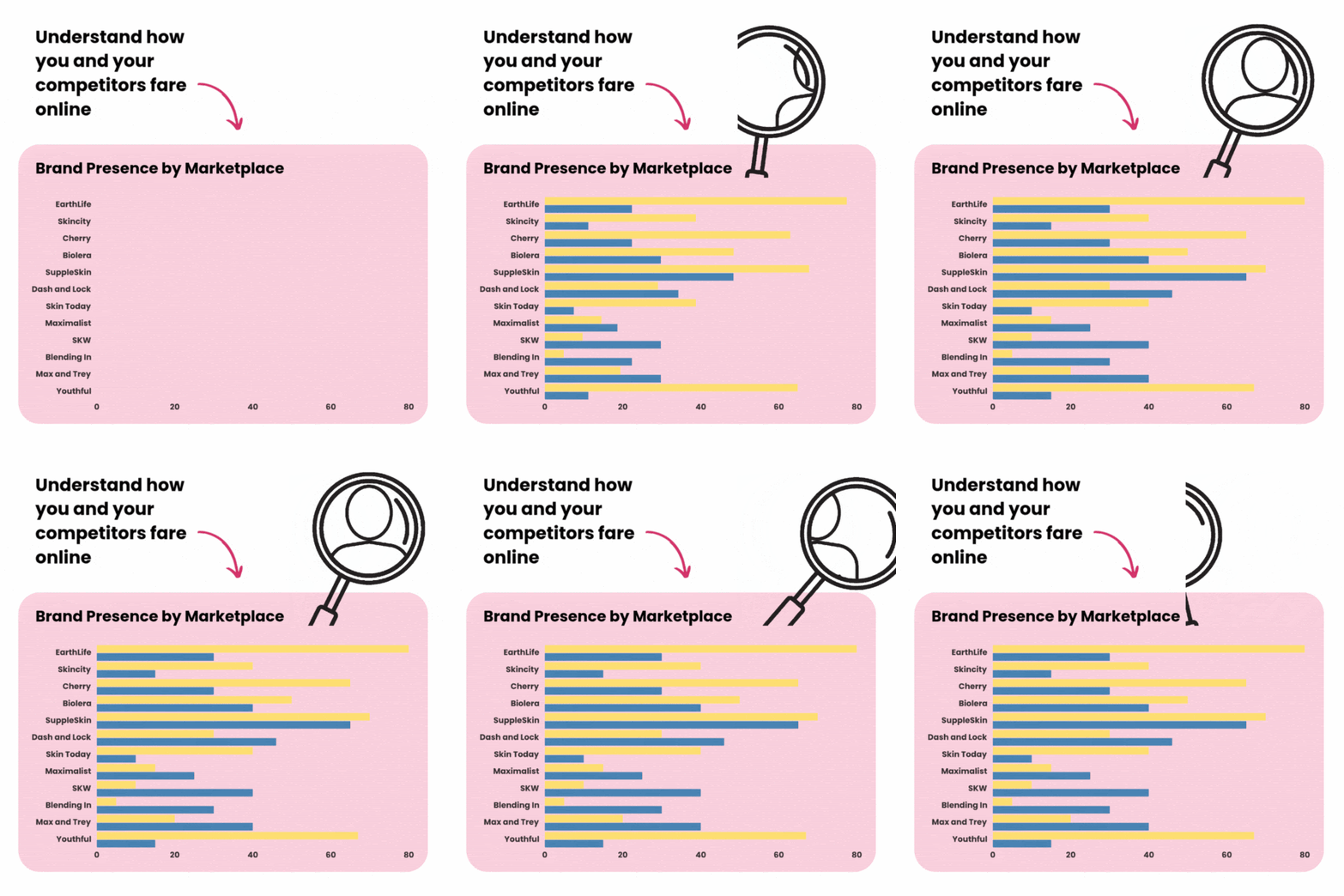
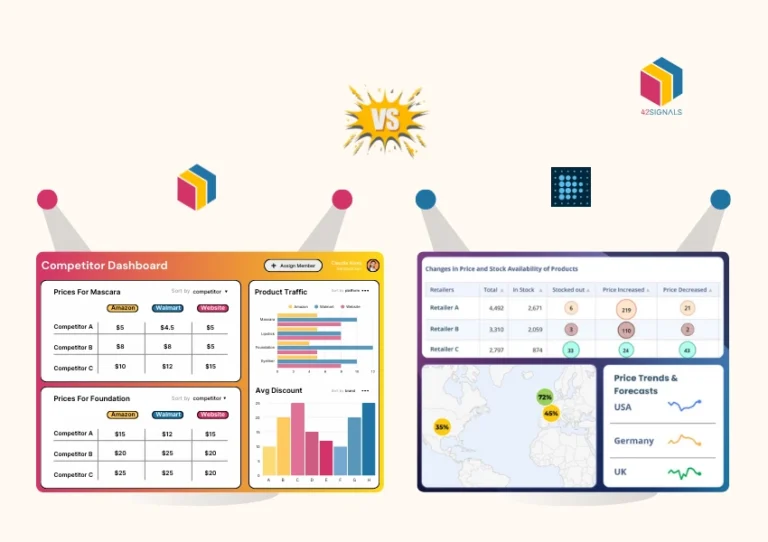
Competitor Analysis Dashboard by 42Signals
For instance, if the data shows that all your competitors have run out of stock on a trending product, your pricing intelligence platform can alert you, allowing you to adjust your price upward to reflect the increased demand and lower market supply. This balanced approach is key to preventing profit loss and maximising overall profitability.
Achieving Significant Operational Efficiencies
The automation of manual tasks represents a major, though often overlooked, component of ROI. The time your merchandising and pricing analysts previously spent on manually scraping websites and updating spreadsheets is now freed up.
They can redirect their efforts toward high-value strategic initiatives like planning promotional campaigns, negotiating with suppliers, or developing new market entry strategies. This shift from tactical firefighting to strategic planning makes your entire team more effective and your business more agile.
Beyond the Basics: Advanced Applications of Pricing Intelligence Data
The data collected by a pricing intelligence platform is not just for setting prices. It is a strategic asset that can inform a wide range of business decisions, providing a competitive advantage that goes far beyond day-to-day repricing.
Informing Product Development and Assortment Planning
By tracking the prices and features of competitor products over time, you can gain deep insights into market trends.
- Which features are competitors highlighting?
- How are they segmenting their product lines?
- What is the price threshold for a certain category?
This information is invaluable for your product development team. It can guide decisions about which features to add to your next generation of products, what your product portfolio might be missing, and how to position new products effectively from a value perspective.
Optimising Promotional and Inventory Strategies
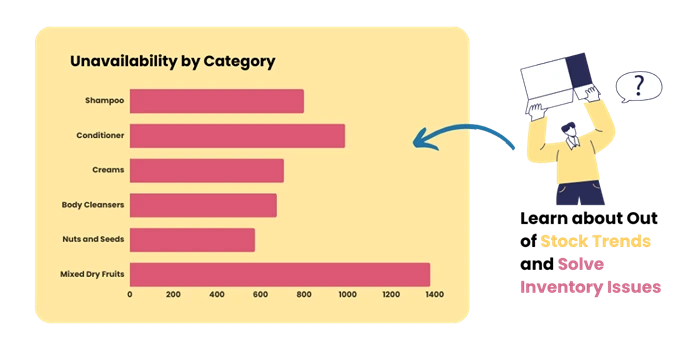
Product Availability Tracking by 42Signals
Pricing intelligence data can help you run smarter promotions. Instead of guessing on discount levels, you can analyse historical data to see how competitors have reacted to your past promotions and how the market responded. You can also use pricing data to inform inventory management. If you see a competitor’s price steadily dropping, it might indicate they are trying to clear excess stock, signalling a potential slowdown in demand that you should anticipate. Conversely, a price increase could indicate component shortages or rising demand.
Strengthening Channel and Distribution Management
The data from your platform gives you unprecedented visibility into how your products are being sold across different channels and by different resellers. You can identify which partners are consistently upholding your brand integrity and which are causing problems through unauthorised discounting. This intelligence empowers you to make data-driven decisions about your channel strategy, rewarding compliant partners and taking action against those that harm your brand’s value and cause profit loss.
Choosing Your Weapon: A Practical Guide to Selecting a Pricing Intelligence Partner
The market for pricing intelligence software is diverse, and selecting the right partner is a critical decision that will impact your business for years to come. Here are the key factors to consider during your evaluation process.
Data Accuracy, Speed, and Coverage are Non-Negotiable
The core value of any platform lies in the quality of its data. You must ask potential vendors detailed questions:
- How often do they update their data?
- Is it truly real-time, or is there a lag?
- How many geographic regions and channels do they cover?
What is their methodology for ensuring data accuracy against CAPTCHA-protected sites or dynamic content? Inaccurate or slow data will lead to poor pricing decisions, making the entire investment worthless.
Seamless Integration and User-Friendly Design
The best price intelligence software in the world is useless if your team cannot or will not use it effectively. Look for a platform that offers pre-built integrations with the systems you already use, such as your e-commerce platform (e.g., Shopify, BigCommerce), your marketplace accounts (e.g., Amazon, Walmart), and your inventory management system. The user interface should be intuitive, presenting complex data through clear dashboards and visualisations that make it easy for your team to understand the market landscape and take action quickly.
Scalability, Support, and a Strategic Partnership
Your business is dynamic, and your technology partners need to be able to grow with you. Ensure the platform can handle a significant increase in your SKU count and channel footprint without performance degradation. Perhaps most importantly, evaluate the vendor’s customer support and strategic services.
- Do they offer onboarding and training?
- Do they have a dedicated customer success manager who can help you interpret data and refine your strategies?
You are not just buying software; you are entering a partnership that should contribute to your success.
The Future of Pricing: AI, Predictive Analytics, and Continuous Adaptation
The field of pricing intelligence is not static; it is rapidly evolving with advancements in artificial intelligence and machine learning. The future of pricing is predictive and prescriptive.
The Rise of AI and Predictive Analytics
Next-generation pricing intelligence platforms are moving beyond reactive monitoring to predictive guidance. Using AI, these systems can analyse historical data, seasonality, competitor behaviour, and even external factors like weather forecasts or economic indicators to predict future demand and recommend optimal prices.
They can answer “what-if” scenarios, such as, “If I increase the price of this product by 5%, what is the predicted impact on my sales volume and overall profit?” This shifts the role of the pricing manager from a reactor to a strategist.
The Importance of a Test-and-Learn Mindset
Implementing a pricing intelligence system is not a “set it and forget it” endeavour. The most successful retailers adopt a culture of continuous testing and learning. Use the platform to run controlled experiments on different pricing strategies for different product categories or customer segments.
Measure the results, learn from them, and iteratively improve your approach. Your pricing intelligence for retailers strategy should be a living, breathing process that gets smarter over time.
Key Takeaways for the Need of Pricing Intelligence
- Price mismatches are a silent revenue drain: Inconsistent pricing across channels erodes customer trust, leads to direct sales loss, and devalues your brand over time, often without immediate visibility.
- The damage extends beyond a single sale: Mismatches trigger a destructive chain reaction, causing seller hijacking (where unauthorised resellers damage your reputation) and a broken Amazon Buy Box (which can halt up to 82% of your sales on that platform).
- Manual price management is a losing battle: Spreadsheets and manual processes are too slow and error-prone for the modern digital market, making them a primary root cause of profit loss and pricing errors.
- Pricing intelligence is the essential solution: This technology acts as your central nervous system, providing real-time monitoring, automated repricing to win the Buy Box, and enforcement of pricing policies to protect brand integrity.
- The ROI is tangible and multi-faceted: A strong pricing intelligence strategy directly increases sales and market share, protects and enhances profit margins, and creates significant operational efficiency by freeing up strategic resources.
Seizing Control in a Chaotic Market
The digital marketplace is a dynamic and often chaotic environment where prices can change in an instant. Relying on outdated, manual methods to manage your most powerful commercial lever—your price—is a strategy that guarantees profit loss and erodes brand integrity. The challenges of price mismatch, seller hijacking, and the broken buy box are not anomalies; they are the new normal in multi-channel commerce.
Embracing a comprehensive pricing intelligence strategy is the definitive leap from being a reactive player, constantly struggling to keep up, to becoming a proactive market leader. It is about taking full command of your pricing narrative, protecting your hard-earned revenue from silent leaks, and building a brand that stands for consistency and value.
By investing in a robust system for pricing intelligence for retailers, you are doing more than just purchasing software. You are building a foundational capability that will drive sustainable growth, protect your margins, and secure your company’s future in the ever-evolving retail landscape.
Try 42Signals today to see this data intelligence in action. Here’s a quick rundown of what we do as a platform –
- Gain Complete Pricing Visibility: See exactly how your products are priced across every major online channel and marketplace in real-time, eliminating the blind spots that cause costly price mismatches.
- Win the Buy Box: Our near real-time price data visibility on the products important to you ensures you consistently compete for and win the critical Amazon Buy Box to maximise sales velocity.
- Protect Your Brand from Hijackers: Get near instant alerts when an unauthorised seller lists on your product detail page, allowing you to take swift action to stop seller hijacking and protect your hard-earned brand integrity.
- Enforce Your Pricing Policies with Data: Monitor the entire web for violations of your MAP (Minimum Advertised Price) policy. We provide the concrete evidence you need to ensure all retailers are upholding your brand’s value.
- Move from Reactive to Proactive: Transform raw data into a competitive strategy. Our analytics uncover market trends, competitor moves, and pricing opportunities, empowering you to make decisions that prevent profit loss and drive growth.
Frequently Asked Questions
Intelligent pricing is the use of data, automation, and artificial intelligence to set optimal product prices in real time. Instead of relying on manual adjustments or fixed markups, intelligent pricing models analyse market trends, competitor prices, demand patterns, and customer behaviour to find the most profitable price point at any given moment.
For example, an online retailer might use intelligent pricing to automatically lower prices when a competitor runs a sale, or raise them when inventory is low and demand is high. The goal is to maximise revenue while staying competitive and aligning with business goals.
The four main types of pricing strategies commonly used by businesses are:
Cost-Based Pricing: Setting prices based on production costs plus a profit margin.
Value-Based Pricing: Pricing products according to the perceived value to the customer rather than cost.
Competition-Based Pricing: Adjusting prices in line with what competitors charge for similar offerings.
Dynamic Pricing: Continuously changing prices based on demand, seasonality, or market conditions.
Each method serves a different purpose — cost-based for stability, value-based for premium positioning, and dynamic for real-time optimisation.
A Price Intelligence tool is a software solution that collects, analyses, and reports pricing data across competitors, markets, and channels. These tools help businesses monitor competitor activity, detect price changes, and make informed pricing decisions.
For instance, 42Signals offers an advanced price intelligence platform that provides:
Real-time competitor price tracking
MAP (Minimum Advertised Price) enforcement alerts
Trend analysis and historical comparisons
Insights for dynamic or promotional pricing strategies
Such tools are vital for retailers and e-commerce brands aiming to maintain competitiveness in fast-changing markets.
The 5 C’s of pricing are the key factors companies consider when deciding how to price their products:
Company Objectives – What the business aims to achieve (profit, market share, or brand positioning).
Customers – How much value customers perceive in the product and what they’re willing to pay.
Costs – The total expense involved in producing and selling the product.
Competition – What rivals charge and how your product compares in value.
Channel Partners – Retailers, distributors, and others who influence final pricing and margins.
Balancing these five elements ensures that pricing supports both profitability and market alignment.
The four pillars of marketing—also known as the 4 Ps of marketing—are the core framework for building and executing effective marketing strategies. They represent the essential elements every business must manage to successfully reach and satisfy its target customers:
Product: This refers to what the company offers—whether it’s a physical item, digital service, or experience. The product pillar focuses on understanding customer needs, developing offerings that solve real problems, and continuously improving features, packaging, and design.
Price: Pricing determines how much customers will pay for a product and directly impacts revenue and brand perception. It involves choosing the right strategy—such as competitive pricing, premium pricing, or dynamic pricing—to balance value, cost, and profitability.
Place: Also called distribution, this pillar is about making the product accessible to customers in the right locations—online or offline. It covers channels like e-commerce platforms, retail stores, marketplaces, and even direct-to-consumer (D2C) setups.
Promotion
This encompasses all the methods used to communicate with customers and drive awareness—advertising, PR, social media, email campaigns, influencer marketing, and more. The goal is to build brand recognition and motivate purchase decisions.