
Brand protection software is designed to monitor the internet for instances of infringement or misuse of your company’s intellectual property (IP). This includes trademarks, logos, slogans, and other identifying marks that are unique to your business. By continuously scanning the web for potential violations, these tools can help you quickly identify and take action against any parties who may be attempting to profit off of your hard-earned reputation.
One of the key benefits of using protection software is that it allows you to stay one step ahead of cybercriminals. These individuals often target well-known brands in order to trick consumers into divulging sensitive information or making purchases through illegitimate channels. With such a tool, you can detect and shut down these fraudulent activities before they have a chance to harm your reputation or result in financial losses.
Another advantage of using a protection software is that it helps you maintain control over how your brand is perceived by customers and stakeholders. When someone uses your IP without permission, it can dilute the strength of your brand and create confusion among consumers. By taking swift action to enforce your rights, you can protect the integrity of your brand and ensure that it remains a valuable asset for your business.
In addition to monitoring for infringements, many platforms also offer features such as domain name registration and management, social media tracking, and marketplace surveillance. These capabilities enable you to keep tabs on all aspects of your online presence and proactively address any issues that arise.
How Brand Protection Software Works: The Technical Layer
To understand why brand protection software is effective, it helps to know what happens behind the dashboard. Most platforms operate on a four‑stage workflow:
| Stage | Description | Technology Used |
| Discovery | Continuous scanning of online channels (marketplaces, social media, domain registrations, app stores) for brand mentions and visual matches | Web crawlers, image recognition APIs, WHOIS lookups, marketplace APIs |
| Detection | Comparing discovered assets against your registered trademarks, logos, and product images to identify potential infringements | Machine learning models trained on your brand assets; fuzzy matching for misspelled domains |
| Verification | Human or automated review to confirm that a detected asset is actually infringing (not a false positive) | Rule‑based filters, priority scoring, optional manual review teams |
| Enforcement | Submitting takedown requests, cease‑and‑desist letters, or legal actions through predefined workflows | Automated form submissions to marketplaces (Amazon, eBay), registrar abuse contacts, and DMCC/ICANN procedures |
Why automation matters: Manual discovery of infringement is impossible at scale. A single brand may have thousands of potential violation points across multiple channels. Brand protection software reduces detection time from weeks to hours.
Key Features to Look for in Brand Protection Software
Not all platforms offer the same capabilities. Use this comparison table to evaluate providers:
| Feature | What It Does | Why It Matters |
| Multi‑marketplace coverage | Scans Amazon, eBay, Alibaba, Walmart, Etsy, and niche platforms | Counterfeits often appear on smaller marketplaces first |
| Image recognition | Matches logos, product photos, and packaging visuals | Text‑only searches miss counterfeits that copy your product images |
| Domain monitoring | Detects newly registered domains similar to your brand (typosquatting, phishing) | Prevents brand impersonation and credential theft |
| Social media surveillance | Tracks brand mentions, fake profiles, and unauthorised seller accounts | Social platforms are primary channels for counterfeit promotion |
| Mobile app monitoring | Scans app stores for fake apps using your brand name | Fake apps can harvest user data or display malware |
| Automated enforcement | Sends takedown notices directly to platforms based on pre‑set rules | Reduces legal team workload and speeds removal |
| Reporting dashboard | Central view of open cases, resolved infringements, and risk trends | Enables data‑driven resource allocation |
| Custom risk scoring | Prioritises high‑severity violations (e.g., active phishing sites vs. stale domains) | Focuses enforcement on most urgent threats |
| API access | Pulls infringement data into your internal systems or security orchestration tools | Integrates with existing workflows |
Real‑Life Examples of Brand Protection in Action
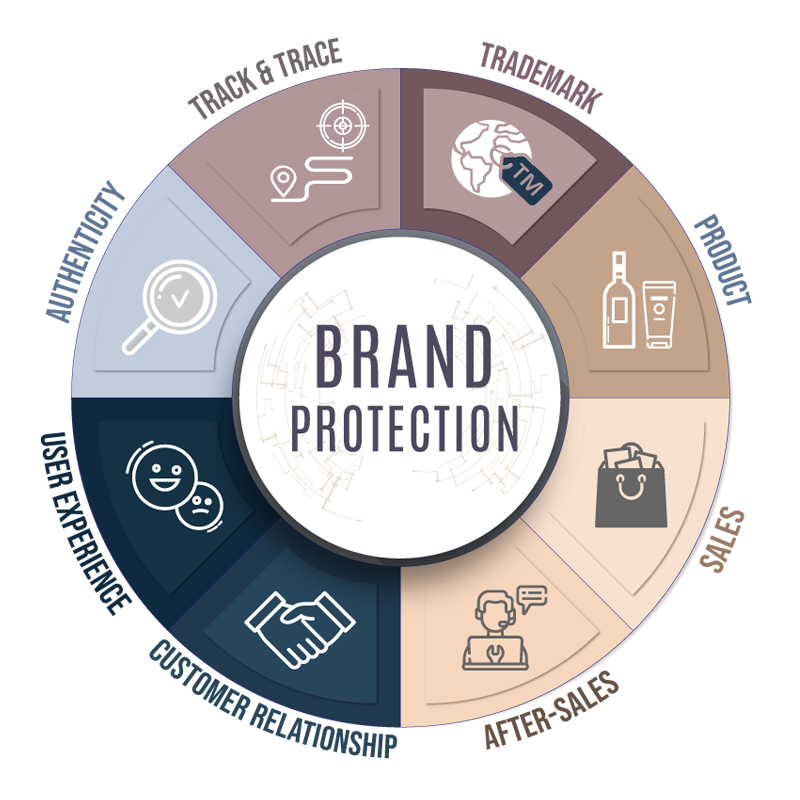
Image Source: Memcyco
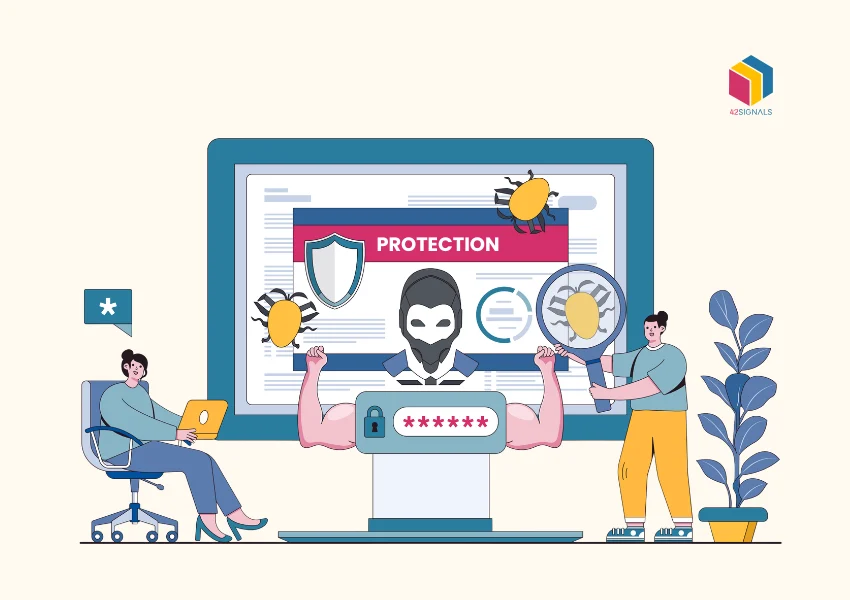
- Detecting counterfeits: They can scan online marketplaces and websites to detect counterfeit products being sold under your brand’s name. By taking quick action to remove these listings, you can protect your customers from receiving fake or subpar goods and uphold your brand’s quality standards.
- Preventing phishing attacks: Cybercriminals often use phishing emails and fake websites to trick unsuspecting users into giving away sensitive information. The software can alert you to any suspicious activity related to your brand, allowing you to take steps to secure your customers’ data and prevent damage to your reputation.
- Stopping typosquatting: Typosquatters register domain names similar to yours but with slight misspellings or variations in hopes of attracting traffic intended for your site. A protection software can detect these attempts at cybersquatting and allow you to take legal action to reclaim your rightful domain name.
- Enforcing trademark usage: Trademark infringement can occur when another party uses your logo, slogan, or other distinctive mark without permission. A software that protects your brand can help you detect and enforce your trademark rights, preventing competitors from unfairly profiting off of your brand’s reputation.
- Monitoring social media: Social media platforms can be breeding grounds for false rumors and negative comments about your brand. With the aid of a tool, you can monitor mentions of your brand across various social networks, enabling you to respond promptly to any false claims or damaging feedback and mitigate potential harm to your reputation.
- Protecting copyrighted materials: Copyright infringement occurs when someone else uses your original works, such as images or text, without proper attribution or permission. Brand protection software can help you detect instances of copyright infringement and pursue appropriate remedies to protect your creative assets.
Image Source: Ramotion
Of course, no technology is foolproof, and there are some limitations to what brand protection software can do. For example, it may not always be able to detect every instance of infringement, particularly if the violation is subtle or takes place on a less visible part of the web. Additionally, resolving disputes related to IP violations can sometimes require legal intervention, which can be time-consuming and costly.
Despite these challenges, however, the benefits of using protection software far outweigh the drawbacks. By investing in this type of solution, you can safeguard your brand’s reputation, prevent financial losses, and maintain control over how your business is perceived online.
When choosing a platform, there are several factors to consider. First and foremost, you should look for a provider with a proven track record of success in detecting and addressing IP violations. Ideally, the provider should offer a comprehensive suite of features that cover all aspects of your online presence, including domains, social media, and marketplaces.
It’s also important to choose a provider that offers flexible pricing plans tailored to your specific needs. Some providers charge based on the number of keywords or domains monitored, while others offer flat-rate packages or custom solutions. Be sure to carefully evaluate each option and select the plan that best fits your budget and coverage requirements.
Case Studies: Major Brands Winning with Protection Software
Nike vs. Counterfeit Sneakers: Nike is known for its iconic sneaker designs, which unfortunately makes them a prime target for counterfeiters. To combat this issue, Nike uses a protection software to monitor online marketplaces and detect listings selling knockoff versions of its popular shoes. By working closely with eBay and other partners, Nike was able to remove more than 7 million listings of counterfeit merchandise between 2018 and 2020 alone.
Microsoft vs. Phishing Attacks: As a leading tech company, Microsoft faces constant threats from cybercriminals looking to exploit its vast user base. The company employs brand protection software to detect and block phishing sites spoofing its login pages and email addresses. By doing so, Microsoft estimates that it prevented more than $2 billion in potential losses due to phishing attacks in 2020.
Louis Vuitton vs. Typosquatting: Luxury fashion house Louis Vuitton faced a significant challenge when a cybersquatter registered multiple domain names containing minor misspellings of its famous brand name. Using brand protection tools, Louis Vuitton detected and took legal action against the squatter, successfully recovering the domain names and preventing further abuse.
Coca-Cola vs. Trademark Infringement: Soft drink giant Coca-Cola frequently deals with trademark infringement cases involving copycat brands using variations of its iconic red and white logo. By employing brand protection platform, Coca-Cola can detect these infringing marks early on and take swift legal action to stop them, thereby preserving the distinctiveness and value of its brand identity.
Disney vs. Social Media Abuse: Entertainment conglomerate Disney relies heavily on its family-friendly image, making it crucial to monitor social media conversations around its properties. Using protection tools, Disney tracks discussions surrounding its movies and TV shows to address any harmful or offensive comments, ensuring that its fans continue to enjoy positive experiences associated with its beloved characters and stories.
How to Choose the Right Brand Protection Software Provider
When choosing a platform, there are several factors to consider. First and foremost, you should look for a provider with a proven track record of success in detecting and addressing IP violations. Ideally, the provider should offer a comprehensive suite of features that cover all aspects of your online presence, including domains, social media, and marketplaces.
It’s also important to choose a provider that offers flexible pricing plans tailored to your specific needs. Some providers charge based on the number of keywords or domains monitored, while others offer flat-rate packages or custom solutions. Be sure to carefully evaluate each option and select the plan that best fits your budget and coverage requirements.
Make sure that the brand protection software provider you choose has robust security measures in place to protect your data. Look for features like encryption, two-factor authentication, and regular backups to ensure that your confidential information stays safe and secure.
Step‑by‑Step Implementation Guide
Implementing brand protection software is not a one‑click activity. Follow this 90‑day roadmap to get full value:
| Phase | Activities | Expected Outcome |
| Week 1‑2: Onboarding | Provide your brand assets (logos, trademarks, product images, key domain names). Configure monitoring rules (which marketplaces, regions, risk levels). | Baseline scan complete; first alerts generated |
| Week 3‑4: Triage & Tuning | Review initial alerts; mark false positives; adjust sensitivity settings. Set up automated enforcement rules (e.g., “automatically send takedown to Amazon for confirmed counterfeits”). | Reduced noise; enforcement workflows active |
| Week 5‑8: Active Enforcement | Begin sending takedown notices; track removal rates by platform. Prioritise high‑risk violations (phishing, active fake stores). | First infringements removed; removal success rate visible |
| Week 9‑12: Optimisation | Analyse removal times, recurring offenders, and cost per infringement. Adjust enforcement strategy; escalate repeat violators to legal counsel. | Predictable monthly protection cost; reduced average infringement lifespan |
Pro tip: Assign a single internal owner for brand protection — legal, marketing, or security — to ensure accountability and continuous improvement.
Limitations and Legal Considerations
Of course, no technology is foolproof, and there are some limitations to what brand protection software can do. For example, it may not always be able to detect every instance of infringement, particularly if the violation is subtle or takes place on a less visible part of the web. Additionally, resolving disputes related to IP violations can sometimes require legal intervention, which can be time-consuming and costly.
Specific limitations to be aware of:
- Geographic gaps: Some platforms have limited coverage outside the US, EU, and China. If you sell globally, verify coverage of local marketplaces (e.g., Shopee, MercadoLibre, Jumia).
- False positives: Automated image matching may flag legitimate resellers or fan pages. Budget human review time.
- Enforcement delays: Marketplace takedowns can take 24‑72 hours; domain disputes via UDRP take weeks. Plan response times accordingly.
- Cost escalation: High volumes of infringement can push costs beyond flat‑rate subscriptions if pricing is per action.
Despite these challenges, however, the benefits of using protection software far outweigh the drawbacks. By investing in this type of solution, you can safeguard your brand’s reputation, prevent financial losses, and maintain control over how your business is perceived online.
Calculating the ROI of Brand Protection Software
To justify investment, link brand protection activities to measurable outcomes. Use this framework:
| Metric | What to Measure | How to Estimate Value |
| Counterfeit units removed | Total units taken down across marketplaces | Multiply by average selling price (ASP) and estimate lost sales recaptured (often 10‑30% of ASP) |
| Phishing sites blocked | Number of fraudulent domains taken down | Estimate potential fraud losses avoided (average phishing attack costs brands $1.6M annually per incident) |
| Typosquatting domains reclaimed | Domains recovered via UDRP or registrar action | Calculate cost of brand dilution (hard to quantify) but also legal fees saved |
| Legal cost reduction | Hours spent on manual detection vs. automated | Multiply hours saved by legal hourly rate (300‑300‑800) |
| Customer trust preservation | Reduction in negative reviews mentioning counterfeits | Hard to isolate, but measurable via sentiment analysis over time |
Example ROI calculation:
- Annual software cost: $50,000
- Counterfeit listings removed: 2,000
- ASP of affected products: $150
- Estimated recaptured sales (15% of ASP): $22.50 per listing
- Total recaptured value: 2,000 ×
- 22.50=
- 22.50=45,000
- Legal hours saved: 500 hours ×
- 400=
- 400=200,000
- Total benefit: $245,000
- ROI: (
- 245,000–
- 245,000–50,000) / $50,000 = 390%
Even with conservative assumptions, brand protection software often pays for itself within months.
Conclusion
Finally, make sure that the brand protection software provider you choose has robust security measures in place to protect your data. Look for features like encryption, two-factor authentication, and regular backups to ensure that your confidential information stays safe and secure.
In conclusion, brand protection software is a powerful tool that can help businesses of all sizes defend their reputations and maintain control over their online presence. By continuously monitoring the web for instances of infringement and offering a range of features to manage and enforce your IP rights, these platforms provide peace of mind and enable you to focus on growing your business with confidence.
Worried about counterfeits, phishing, or typosquatting targeting your brand? 42Signals continuously monitors marketplaces, domains, and social platforms and alerts you the moment your brand is misused — so you can act before the damage spreads. Request a demo.
Frequently Asked Questions (FAQ)
1. What is the difference between brand protection and trademark monitoring?
Trademark monitoring focuses specifically on unauthorised use of registered trademarks (names, logos, slogans) in official registries and some online channels. Brand protection is broader — it includes counterfeits, phishing, typosquatting, social media impersonation, and copyright infringement. Trademark monitoring is a subset of brand protection.
2. Can brand protection software remove a counterfeit listing from Amazon automatically?
Most tools can submit takedown requests via Amazon’s Brand Registry API automatically if you configure the rule. However, Amazon retains the right to reject a request if it does not meet their evidentiary standards. Successful automation requires high‑quality image matches and accurate ASIN mapping.
3. How long does it take to see results after deploying brand protection software?
You will see initial alerts within 1‑2 weeks of onboarding (discovery phase). First takedowns typically occur within 3‑4 weeks, depending on marketplace response times. Full maturity (predictable removal times, low false positives) takes 2‑3 months.
4. Is brand protection software only for large enterprises?
No. Counterfeiters target brands of all sizes. Small and medium brands are often at higher risk because they lack internal legal teams. Many providers offer tiered pricing based on the number of SKUs, domains, or marketplaces monitored, making entry affordable (starting at
500‑
500‑2,000 per month).
5. What is the most common type of brand infringement?
For ecommerce brands, counterfeit products on marketplaces (Amazon, eBay, Alibaba) are the most frequent violation. For service brands, typosquatting and phishing domains are more common.
6. Does brand protection software work for non‑registered trademarks?
Yes, but enforcement is harder. Without a registered trademark, you cannot use most marketplace takedown portals (e.g., Amazon Brand Registry). The software can still detect misuse, but you may need to rely on cease‑and‑desist letters or platform terms of service.