
To understand the power of retail data analytics, imagine yourself as an online retailer. You have a carefully curated product assortment that caters to your customers’ requirements, and you also offer a seamless shopping experience.
With everything working in your favor – your products are top-notch, your website is sleek, and you provide a good service, yet there’s one critical element that holds the key to your success: the price tag.
Defining the Engine: What is Pricing Analytics?
Pricing analytics is the systematic process of using data, statistical algorithms, and machine learning techniques to analyze how pricing decisions impact business objectives. It moves beyond intuition and guesswork, transforming raw pricing data into actionable intelligence. At its core, it answers critical questions: What is the optimal price to maximize revenue or margin? How will customers and competitors react to a price change? Which products should be promoted and at what discount?
This discipline sits at the intersection of data science, economics, and strategy. It encompasses price analysis (understanding historical performance), predictive pricing analytics (forecasting future outcomes), and prescriptive analytics (recommending specific actions). For retailers, it is the essential toolkit for moving from reactive price-setting to a proactive, strategic function that directly drives profitability.
Core Components of a Modern Pricing Analytics System
A robust pricing analytics platform integrates several key components to deliver end-to-end insights.
- Competitive Price Intelligence: This involves the automated collection and normalization of retail competitors pricing data across channels. It provides a real-time view of the market landscape, identifying gaps and opportunities.
- Demand Forecasting & Price Elasticity Modeling: Advanced analytics go beyond simple sales history. They model price elasticity—how sensitive demand is to price changes for each product—and factor in seasonality, promotions, and external events. This is crucial for demand forecasting and price optimization.
- Promotional Analytics: A dedicated module for pricing and promotion analytics measures the incremental lift and profitability of discounts, BOGO offers, and coupons. It identifies which promotions truly drive profitable volume versus those that merely cannibalize full-price sales.
- Customer Segmentation for Personalized Pricing: By analyzing purchase history and behavior, analytics enable micro-segmentation. This allows for strategies like offering targeted coupons to at-risk customers or testing different price points for different customer cohorts, maximizing customer lifetime value.
- Simulation & Scenario Planning: Powerful pricing analytics tools allow users to model “what-if” scenarios. For example: “If we increase the price of this product by 5%, and competitor A follows, what is the net impact on our margin and market share?” This reduces the risk of real-world price changes.
- Execution & Monitoring: The final component ensures recommended prices are accurately deployed across all sales channels (online, in-store, marketplaces) and monitors performance in real-time, triggering alerts for MAP violations or unexpected competitive moves.
Retail Data Analytics: What’s a Price Tag?
Picture a customer scrolling through your offerings. They’re seeking that perfect balance between value and affordability. The product they’ve been eyeing has two things influencing their decision: the price you’ve set and the value they perceive.
This is where retail data analytics comes into the picture. In the world of online retail, it’s the compass that guides your pricing decisions. It’s not just about setting a number; it’s about orchestrating a symphony of data, customer behavior, and market trends to find the sweet spot that maximizes your profit and customer satisfaction.
Power of Pricing Analytics in Retail
Retail data analytics is essential for retailers as it plays a pivotal role in maximizing profit margins and gaining a competitive edge. It empowers retailers to make informed pricing decisions by leveraging data insights.
Retailers can analyze historical sales data, competitor pricing strategies, and market trends to set prices that strike the ideal balance between profitability and customer appeal. This precision ensures that products are neither underpriced, leaving potential profit on the table, nor overpriced, deterring potential customers.
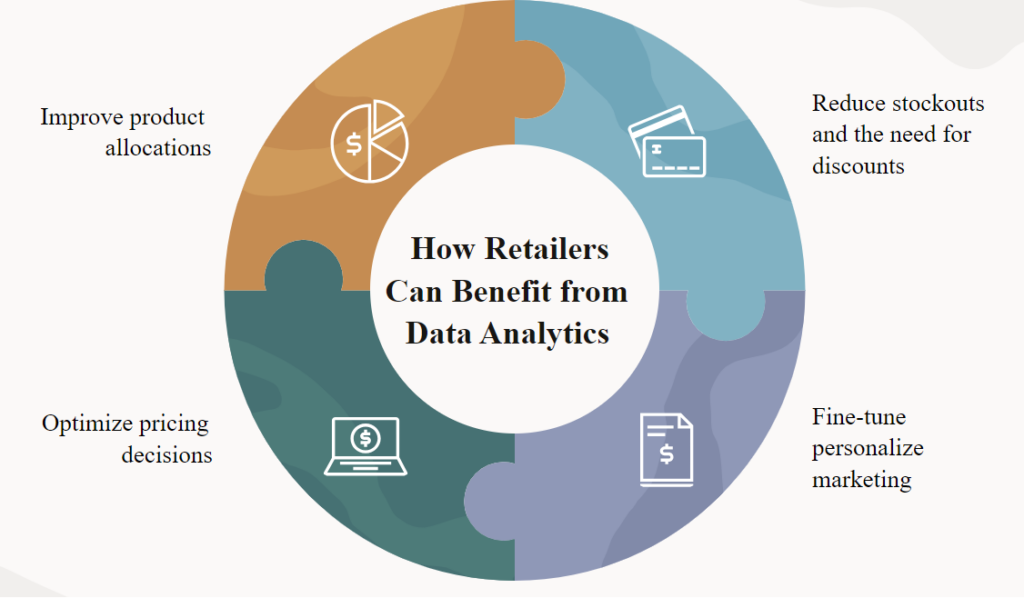
Source: Oracle
With real-time data and analytics, retailers can get a better understanding of the marketplace to make the right decisions. Pricing analytics is the tool that helps several businesses stay on par with seasonal trends or economic shifts.
Maximizing Profits Through Data
Retail data analytics enables retailers to leverage data-driven insights to optimize their pricing strategies for maximum profitability. Here’s how:
1. Data-Driven Decision-Making
Retailers collect vast amounts of data, including sales history, customer behavior, and market trends. Pricing analytics tools process this data to identify patterns and correlations, helping retailers make informed pricing decisions.
2. Optimal Pricing Points
Through data analysis, retailers can determine the price points that generate the highest profit margins. This involves understanding how changes in price affect sales volume and revenue, known as price elasticity.
3. Demand Forecasting
Retailers can use historical sales data and predictive analytics to forecast future demand for products. This allows them to adjust prices in anticipation of fluctuations in demand, ensuring that they meet customer needs while avoiding overstock or understock situations.
4. Competitive Intelligence
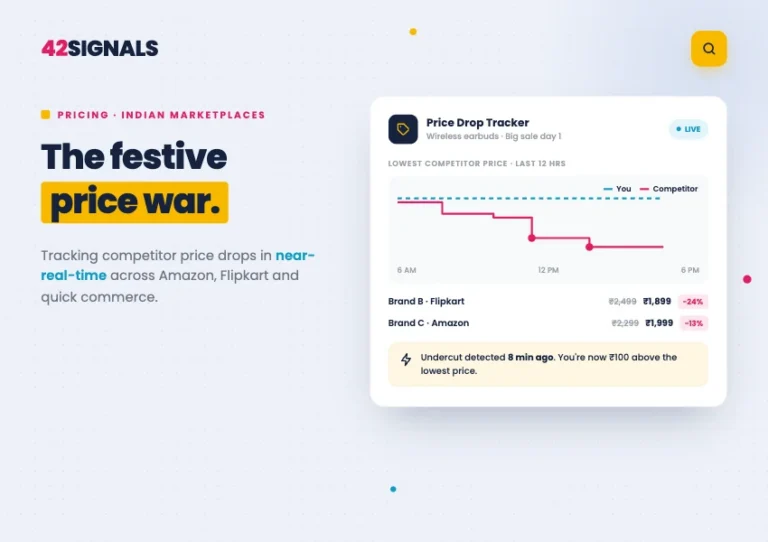
Data analysis helps retailers monitor the pricing strategies of their competitors. By tracking competitor prices and promotions, retailers can adjust their own pricing strategies to remain competitive in the market.
5. Dynamic Pricing
Retail data analytics enables dynamic pricing, where prices can be adjusted in real time based on various factors, such as inventory levels, time of day, and demand spikes. This flexibility ensures that prices are always aligned with market conditions.
6. Promotion Effectiveness
Retailers can analyze the impact of promotions and discounts on sales and profits. This data-driven approach helps them optimize promotional campaigns by focusing on those that generate the most significant returns.
7. Price Optimization Tools
Advanced retail data analytics tools use algorithms and machine learning to continuously refine pricing strategies. These tools can test different pricing scenarios and recommend adjustments that lead to profit maximization.
8. Customer Segmentation
Retailers can segment customers based on purchasing behavior, demographics, or loyalty. Analytics allows for personalized pricing strategies, such as offering targeted discounts to price-sensitive shoppers or premium pricing for high-value customers, enhancing retention and profitability.
9. Psychological Pricing Strategies
Data analytics reveals how customers perceive prices. For example, charm pricing (e.g., 9.99 instead of 10) or bundling products can psychologically influence buying decisions. Retailers use these insights to design pricing structures that subtly drive purchases.
10. Omnichannel Pricing Alignment
With customers shopping across online, mobile, and physical stores, analytics ensures pricing consistency while allowing flexibility. For instance, retailers might lower online prices to compete with e-commerce giants or offer in-store exclusives, balancing margins and market share.
11. Ethical Pricing Practices
Analytics helps retailers avoid exploitative practices (e.g., surge pricing during crises) by identifying fair price ranges. Balancing profit goals with ethical considerations strengthens brand reputation and fosters long-term customer trust.
12. A/B Testing for Price Validation
Retailers run experiments by testing different prices for the same product in similar markets with retail data analytics. Data from these tests reveals which price points maximize sales and margins, reducing guesswork in strategy design.
13. Lifetime Value Optimization
By analyzing customer lifetime value (CLV), retailers can adjust pricing to nurture loyalty. For example, offering introductory discounts to new customers or tiered pricing for repeat buyers ensures sustained profitability over time.
Pricing Analytics in Action: Key Use Cases for Retailers
The theoretical power of pricing analytics is realized through specific, high-impact applications.
- Dynamic Price Optimization: Continuously adjusting online prices based on real-time changes in demand, competitor pricing, and inventory levels. This is especially critical in categories like electronics, fashion, and home goods.
- Clearance & Markdown Optimization: Using predictive models to determine the optimal timing and depth of markdowns to clear seasonal or slow-moving inventory, thereby recovering maximum revenue and freeing up cash flow.
- New Product Introduction: Setting the right launch price by analyzing prices of comparable products, perceived value, and target customer willingness-to-pay, rather than relying on a simple cost-plus model.
- Assortment Price Architecture: Using analytics to define the price hierarchy within a category (e.g., good, better, best) and ensure price gaps between products logically reflect differences in features and perceived value.
- Channel-Specific Pricing: Determining whether to maintain consistent pricing or employ different strategies across a brand’s own e-commerce site, physical stores, and third-party marketplaces like Amazon, based on the competitive dynamics and cost-to-serve of each channel.
Overcoming Implementation Challenges
Adopting a data-driven pricing culture comes with hurdles. Common challenges include:
- Data Silos & Quality: Effective pricing analytics requires clean, unified data from ERP, POS, CRM, and competitive sources. Many organizations struggle with fragmented, poor-quality data.
- Organizational Resistance: Moving from legacy, cost-plus pricing to a dynamic, data-informed model can meet resistance from teams accustomed to the old ways.
- Over-Automation vs. Human Judgment: The best systems augment human decision-making; they don’t replace it. Best practices for integrating analytics in pricing emphasize the need for pricing managers to set business rules and strategic guardrails, allowing the algorithm to optimize within them.
- Keeping Pace with Change: The retail landscape evolves rapidly. A pricing analytics solution must be adaptable, with models that continuously learn and adjust to new competitive behaviors, supply chain shocks, and consumer trends.
By understanding these components, use cases, and challenges, retailers can strategically evaluate and implement pricing analytics services or platforms, transforming their pricing from an administrative task into a measurable competitive advantage.
The Future of Retail Data Analytics: AI and Advanced Analytics
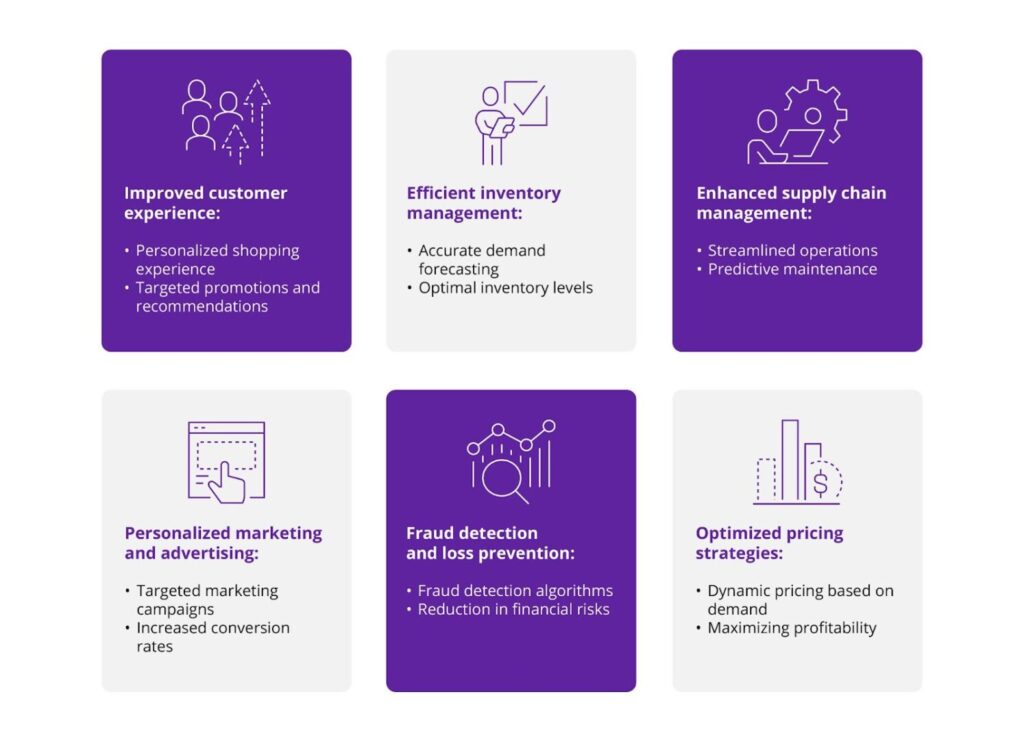
Source: Luxoft
As the retail industry continues to evolve, the future holds even more exciting advancements in pricing analytics. Artificial intelligence (AI), machine learning, and advanced analytics will play a significant role in driving retail success.
AI-powered pricing algorithms can analyze vast amounts of data and predict optimal pricing strategies in real time. By continuously learning from customer behavior and market trends, AI algorithms can make pricing recommendations that maximize revenue and profitability.
Powering Success with Retail Data Analytics
By leveraging data and advanced retail data analytics, retailers can uncover crucial insights into their customers, competitors, and market dynamics. This enables them to implement price segmentation strategies, stay competitive through competitor pricing analysis, and offer personalized pricing to enhance customer satisfaction and loyalty.
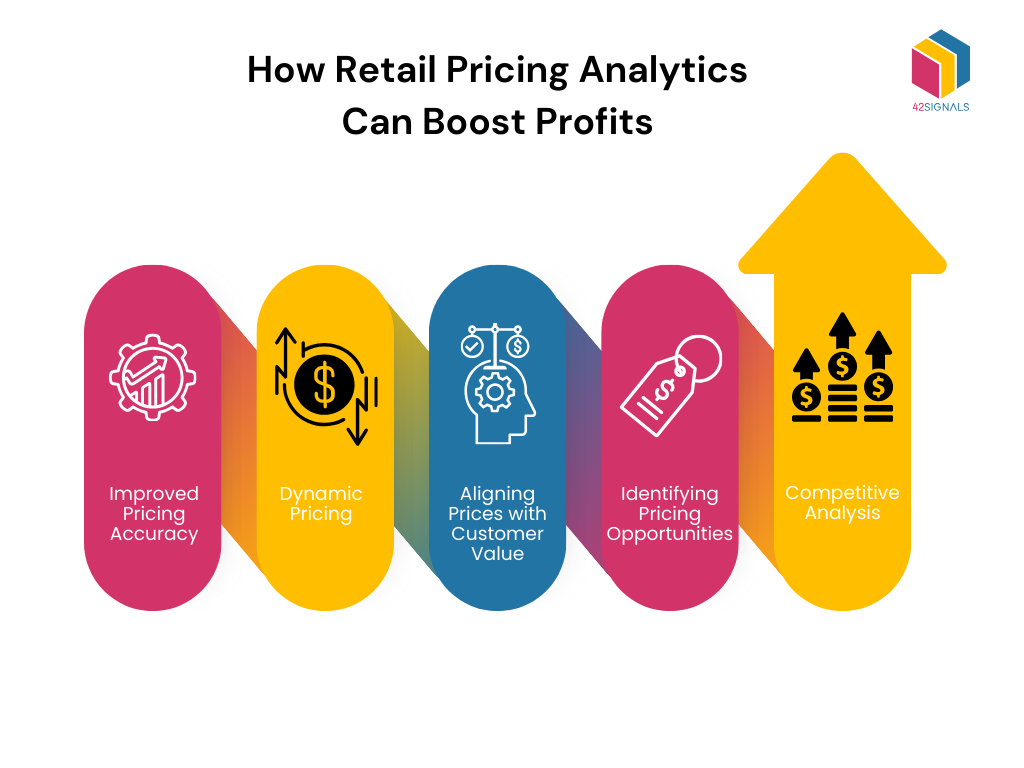
With the evolving retail industry, embracing AI and advanced analytics will be vital for retailers seeking to drive success and stay ahead of the curve. Pricing analytics is no longer just a luxury; it is a necessity for retailers to stay ahead in the marketplace.
Summary
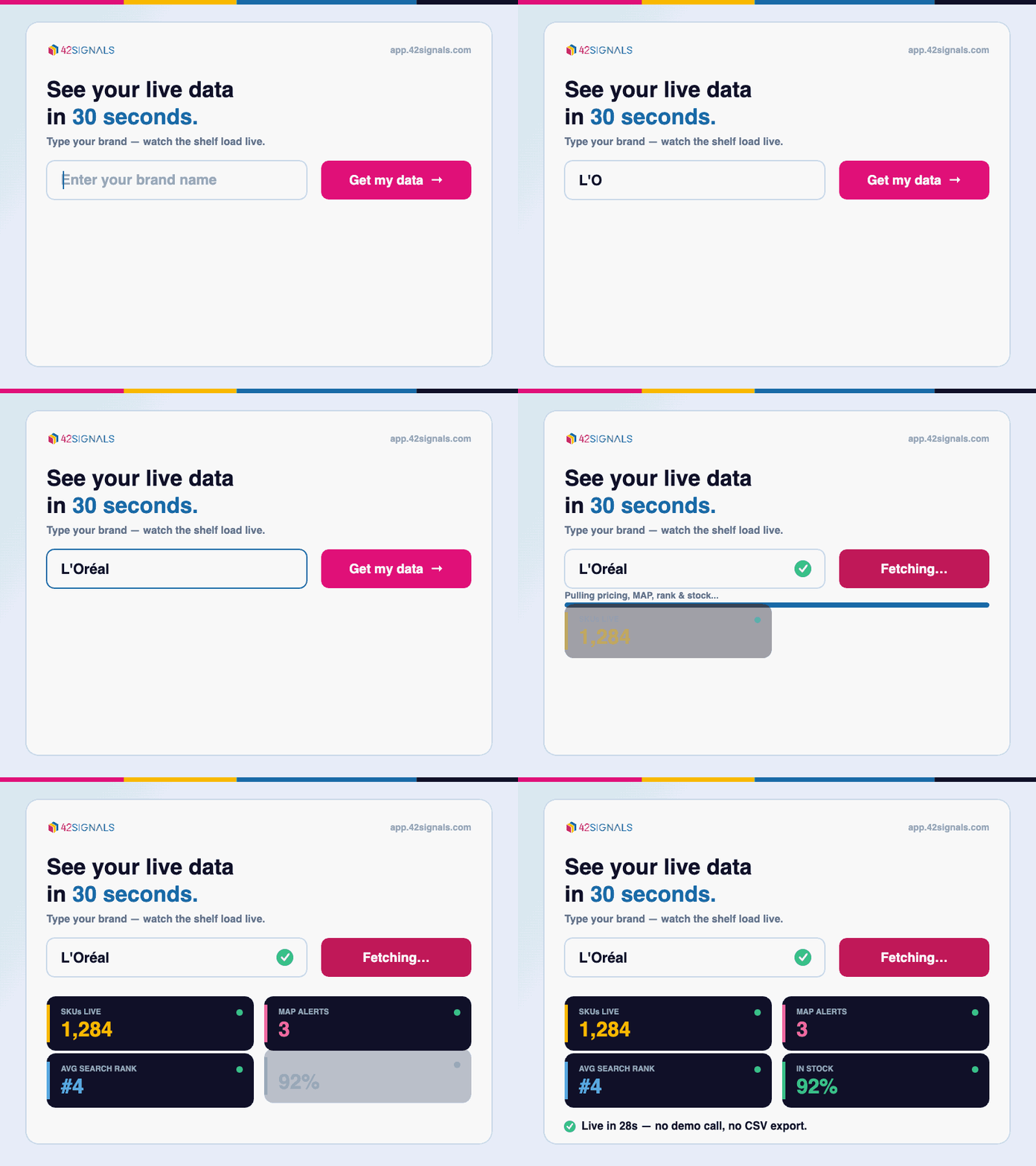
42Signals, the retail data analytics tool, is the key to unlocking data-driven success for retailers. With its advanced data processing and real-time competitive insights, it equips retailers to make informed decisions in the ever-changing pricing landscape.
This tool offers the power of MAP violation detection, inventory management, customer review analytics, and retail data analytics.
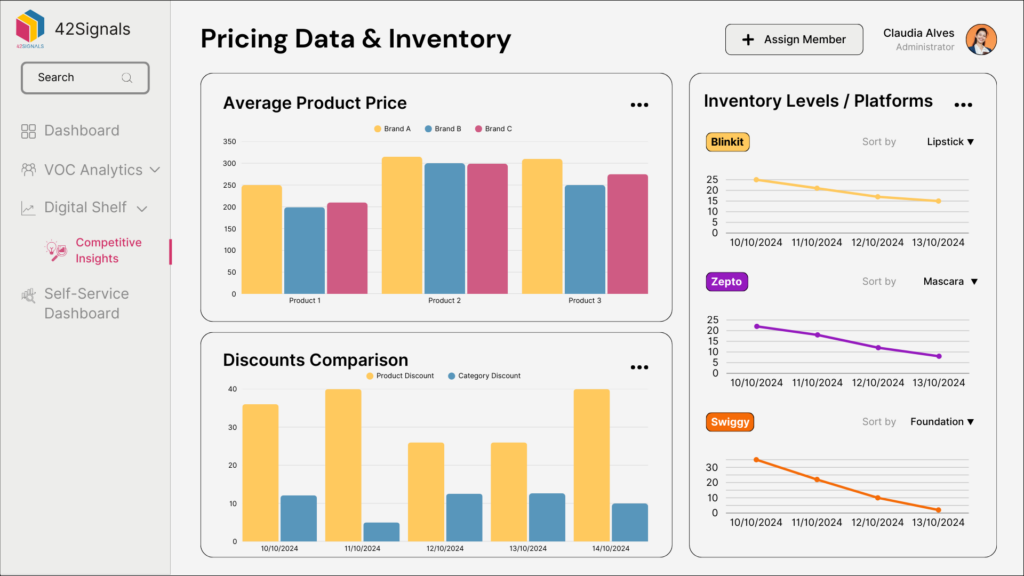
The user-friendly dashboard, support, and commitment to customer success make it an indispensable asset in the competitive e-commerce arena, providing retailers with the tools they need to thrive and stay ahead of the competition.
Get in touch with us at sales@42signals.com for a custom demo.
Frequently Asked Questions
What is retail data analytics?
Retail data analytics is the practice of turning retail signals (sales, pricing, promotions, inventory, customer behavior, and channel performance) into decisions that improve revenue, margin, and availability. It links what happened (performance) to why it happened (drivers like price, promo, assortment, placement, and demand shifts) and what to do next (actions like reorder, markdown, bundle, or budget reallocation).
Typical inputs
- POS + orders (offline + online), returns, discounts
- Inventory, OOS, replenishment, lead times
- Pricing and promo calendars
- Digital shelf signals (search rank, share of shelf, content quality)
- Customer events (browse, add-to-cart, purchase, churn)
Outputs
- Forecasts, alerts, and decision rules (e.g., “price-match this SKU in Region X”, “replenish before stockout”, “pause promo that’s margin-negative”)
What do data analysts do in retail?
Retail data analysts sit between business teams and data systems. Their job is to make performance explainable and actionable.
Core responsibilities
- Diagnose performance: Why did sales drop? Was it price, OOS, competitor promo, traffic mix, seasonality?
- Segment and prioritize: Break down by SKU, store/region, channel, cohort, and campaign to find what’s driving outcomes.
- Build measurement: Define metrics, dashboards, and attribution (promo lift, cannibalization, halo, returns impact).
- Forecast and plan: Demand forecasting, inventory planning, and promo planning with constraints (lead time, budget, shelf capacity).
- Run experiments: Price tests, promo tests, assortment tests; quantify lift vs noise.
- Turn insights into actions: Clear “do this next” recommendations with expected impact and confidence level.
Where they add disproportionate value
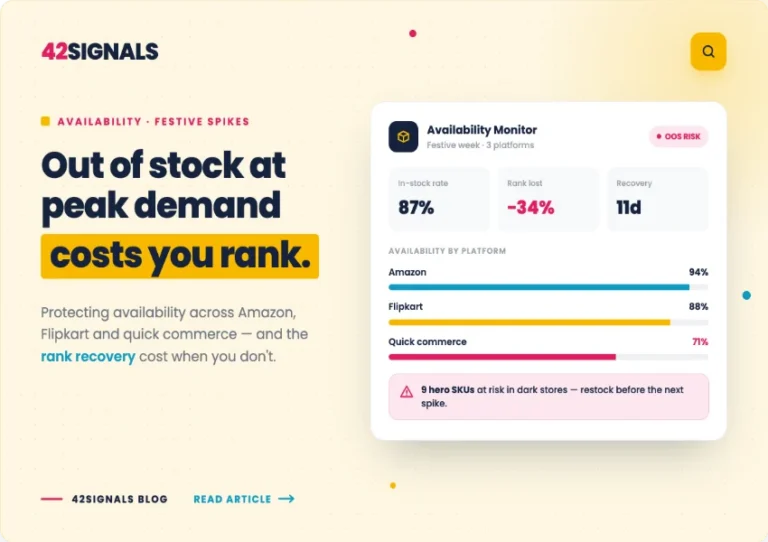
- Reducing OOS-driven revenue loss
- Improving promo efficiency (lift per discount point)
- Growing repeat purchase and basket size
- Protecting gross margin while scaling sales
What are the 4 types of data analysis?
These four stack together; each answers a different question:
| Type | Question it answers | Retail example |
|---|---|---|
| Descriptive | What happened? | Weekly sales by category, returns rate, OOS rate |
| Diagnostic | Why did it happen? | Sales dropped due to stockouts + competitor discounting |
| Predictive | What will happen next? | Forecast demand for top SKUs for the next 4 weeks |
| Prescriptive | What should we do about it? | Reorder X units, reduce price by Y%, shift spend to Channel Z |
What are the 5 KPIs in retail?
There isn’t one universal set, but these five cover the core retail equation: traffic → conversion → basket → margin → availability.
| KPI | Why it matters | How it’s typically used |
|---|---|---|
| Sales Revenue | Topline health | Growth tracking by channel, category, store, SKU |
| Gross Margin % (or Gross Profit) | Profitability, not just volume | Promo decisions, price floors, assortment strategy |
| Conversion Rate | Monetization of traffic/footfall | PDP fixes, checkout friction, offer testing |
| Average Order Value (AOV) / Basket Size | Efficiency per transaction | Bundles, cross-sell, thresholds, assortment adjacency |
| Sell-through / Inventory Turn (and OOS rate as a companion) | Cash + availability | Replenishment, markdown timing, demand planning |
If you want a more “ecom-first” variant, swap Sell-through/Turn for OOS Rate explicitly, because availability issues show up instantly in digital shelf performance.