

Ever thought about when was the first e-commerce sale made or the item sold? Well, it was in 1994, a Sting CD retailing at $12.48. E-commerce has come a long way since then, continuously evolving with new technologies, innovations and e-commerce trends always emerging.
As we move into 2025, several key trends are set to shape the industry and change how we shop online. Let’s look at the top 10 e-commerce trends to watch out for in 2025 –
Top 10 E-Commerce Trends
Artificial Intelligence (AI) Personalization

Image Source: The Motley Fool
AI-driven personalization has become an integral part of the e-commerce trends, allowing businesses to tailor experiences based on consumer behavior and preferences. AI algorithms analyze browsing history, past purchases, and real-time behavior to provide highly targeted product recommendations and customized content. This enhances the shopping experience, making it more engaging and efficient.
According to a McKinsey report, personalization can increase revenue by 10% to 30% and improve customer satisfaction significantly. Businesses that leverage AI-powered chatbots, recommendation engines, and automated customer support will have an edge over competitors in 2025.
Voice Shopping in E-Commerce Trends
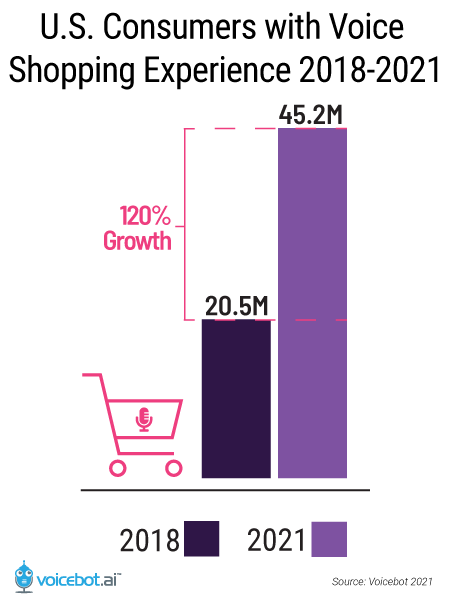
Image Source: Voicebot
With the rise of smart speakers like Amazon Alexa and Google Assistant, voice shopping is becoming more prevalent. Consumers are increasingly using voice commands to search for products, compare prices, and make purchases.
In 2025, optimizing e-commerce platforms for voice search will be crucial. Research suggests that voice shopping sales could surpass $40 billion by the end of 2025. Retailers need to ensure their content is voice-search friendly by using natural language processing (NLP) and conversational AI.
Beyond the Basics: The next frontier for voice commerce is moving from simple product reordering to complex, considered purchases. This requires a fundamental shift in SEO strategy. Instead of optimizing for terse, keyword-based text queries (e.g., “best running shoes”), brands must optimize for long-tail, conversational questions (e.g., “Alexa, what are the best waterproof running shoes for trail running on a budget?”). This involves creating detailed FAQ pages, product descriptions in a Q&A format, and content that directly answers specific, spoken queries. Furthermore, as voice assistants become more integrated with smart home displays, a multi-modal experience will emerge. A consumer might ask their speaker to “find a new coffee table,” and the assistant will not only provide voice results but also send images and links to the user’s phone or smart display for visual confirmation, blending the convenience of voice with the reassurance of visuals.
Social Commerce

Image Source: Shopify
Social media is no longer just a platform for networking; it has become a major sales channel. Social commerce allows businesses to sell directly through platforms like Instagram, TikTok, and Facebook, making the shopping experience seamless for users.
In 2025, expect to see a significant increase in social commerce, with more shoppable posts, influencer collaborations, and live shopping events. Platforms like TikTok Shop and Instagram Checkout are making it easier than ever for consumers to discover and purchase products without leaving their favorite apps.
The Live Shopping Revolution: While shoppable posts are now standard, the real growth engine is live streaming commerce. Imagine a QVC-like experience, but hyper-interactive and personalized for social media. Brands and influencers host live videos where they demonstrate products, answer questions in real-time, and offer limited-time “flash” discounts to viewers. This creates a powerful sense of urgency and community, driving impulse purchases and significantly higher conversion rates than static posts. For 2025, the strategy will be less about just having a product catalog on social media and more about creating “shoppable entertainment” that captures attention and makes the act of buying a fun, social event.
Sustainable Packaging
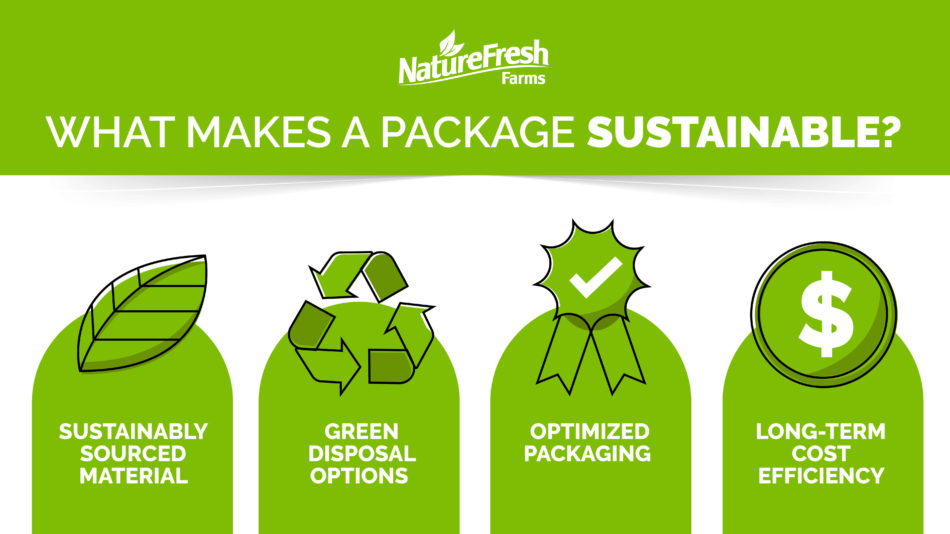
Image Source: Nature Fresh Farms
As consumers become more environmentally conscious, sustainability is becoming a major consideration in e-commerce. Brands are now prioritizing eco-friendly packaging, carbon-neutral shipping, and sustainable sourcing practices.
A study by Nielsen found that 73% of global consumers are willing to change their shopping habits to reduce environmental impact. E-commerce businesses that adopt biodegradable packaging, minimize waste, and offer refill options will gain customer loyalty and align with consumer values in 2025.
From Feature to Foundation: Sustainability is transitioning from a nice-to-have marketing feature to a non-negotiable part of the business model. In 2025, we will see a rise in the “Circular Economy” within e-commerce. This goes beyond recycled cardboard. It includes initiatives like:
- Re-commerce Integration: Brands themselves will launch platforms for customers to resell their used items, capturing value and fostering brand loyalty.
- Refillable Systems: Subscription models for household goods will shift to sending refills in minimalist, compostable pouches that fit into permanent, beautifully designed containers.
- Supply Chain Transparency: Using technologies like blockchain (see below), brands will provide customers with a verifiable “sustainability score” for each product, detailing its carbon footprint and ethical sourcing journey.
Same-Day Delivery in E-Commerce Trends
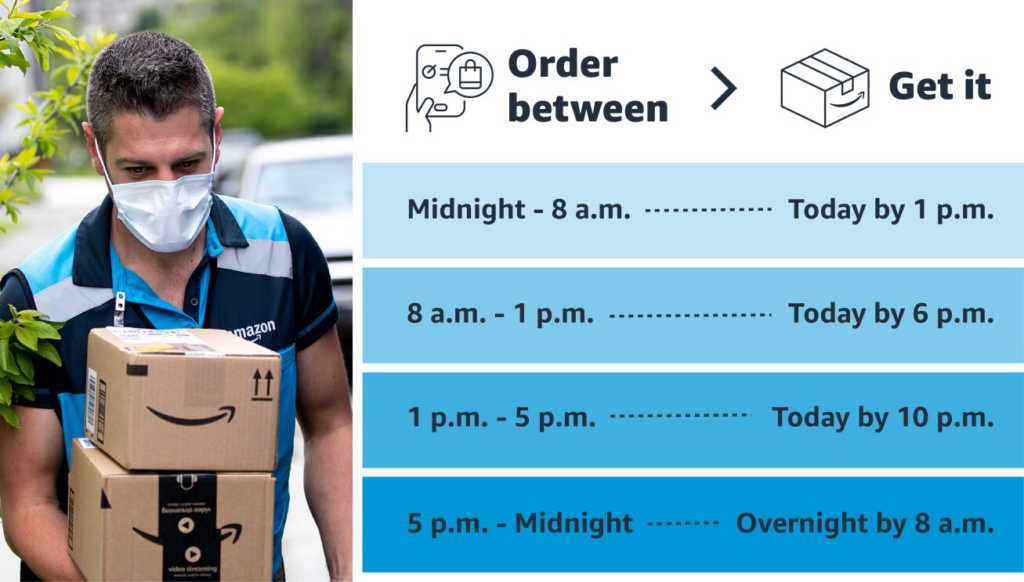
Image Source: Amazon
Fast and convenient delivery options are now a key expectation for online shoppers. Companies like Amazon and Walmart have set the bar high by offering same-day and even one-hour deliveries in some locations.
In 2025, e-commerce retailers will invest heavily in supply chain optimization, local fulfillment centers, and AI-powered logistics to provide even faster delivery. Businesses that can offer flexible, reliable, and cost-effective shipping options will remain competitive in the evolving landscape.
The Micro-Fulfillment Center (MFC) Boom: The key to profitable ultra-fast delivery lies in proximity. Instead of relying on massive, centralized warehouses on the outskirts of cities, retailers are increasingly turning to Micro-Fulfillment Centers (MFCs). These are small, automated warehouses located in urban basements, vacant retail stores, or even parking garages. By storing high-demand inventory within a 10-mile radius of customers, companies can slash last-mile delivery costs and times. In 2025, AI will be the brain behind this network, predicting local demand to pre-stock MFCs and dynamically routing deliveries for maximum efficiency, making 2-hour delivery windows the new standard for metropolitan areas.
Augmented Reality (AR)

Image Source: Sprout Social
Augmented Reality (AR) is revolutionizing online shopping by allowing customers to visualize products in real-world settings before making a purchase. Industries such as fashion, beauty, and home decor are leading the way in AR adoption.
Brands like IKEA and Sephora have successfully integrated AR into their shopping experiences, allowing customers to try on makeup virtually or see how furniture fits in their homes. In 2025, more retailers will incorporate AR to bridge the gap between physical and online shopping.
Reducing Friction and Returns: The primary business case for AR is a dramatic reduction in purchase uncertainty, which directly translates to lower return rates—a massive cost center for e-commerce. For example, a customer using AR to see how a sofa fits in their living room is far less likely to return it due to size or color issues. In 2025, AR will become more sophisticated, moving from simple overlays to interactive experiences. Imagine “trying on” a watch and being able to turn your wrist to see it from all angles, or using AR to see how a new paint color would look on your walls at different times of day. This “try-before-you-buy” digital layer builds confidence and is set to become a standard feature on product pages for applicable categories.
Blockchain and Cryptocurrency – E-Commerce Trends
Blockchain technology is gaining traction in e-commerce, providing greater transparency, security, and efficiency in transactions. Cryptocurrency payments are also becoming more widely accepted, offering a decentralized alternative to traditional payment methods.
With increasing concerns about data privacy and fraud, blockchain can enhance supply chain traceability and protect customer information. Companies like Shopify and Overstock have already integrated cryptocurrency payments, and this trend will continue to grow in 2025.
More Than Just Crypto: While Bitcoin and Ethereum payments cater to a niche but growing audience, blockchain’s most significant impact may be behind the scenes. Its immutable ledger is perfect for creating unforgeable product authentication for luxury goods and collectibles, combatting the multi-billion dollar counterfeit market. Furthermore, it can power ultra-secure decentralized digital identities. Instead of storing your personal and payment data on dozens of vulnerable e-commerce servers, you could own and control your identity on a blockchain, granting merchants permission to use it for a single transaction without ever holding the raw data themselves. This would drastically reduce the risk and impact of data breaches.
Mobile Payments
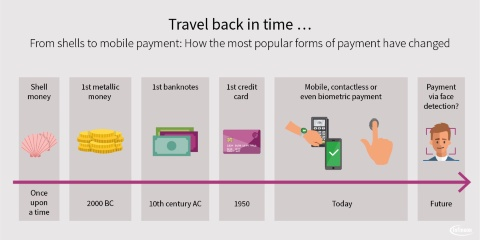
Image Source: Infineon Technologies
Mobile commerce (m-commerce) is dominating the e-commerce landscape, with an increasing number of consumers preferring mobile payments over traditional methods. Digital wallets like Apple Pay, Google Wallet, and PayPal make transactions faster and more secure.
By 2025, mobile payments are expected to account for nearly 50% of all e-commerce transactions. Biometric authentication methods such as facial recognition and fingerprint scanning will further enhance security and convenience for mobile shoppers.
The One-Click Checkout Imperative: The rise of mobile payments has conditioned consumers to expect a frictionless checkout process. The high cart abandonment rates on mobile are often due to clunky forms and password resets. The response has been the rise of dedicated mobile-first checkout solutions like Shop Pay and Bolt. These systems remember a user’s payment and shipping information across thousands of participating stores, enabling a true one-click purchase. For any e-commerce business in 2025, optimizing the mobile checkout experience is not just about adding payment options; it’s about integrating these streamlined networks to eliminate every possible point of friction.
Video Content
Video content is becoming an essential part of e-commerce marketing, helping brands connect with consumers through engaging product demonstrations, tutorials, and live streaming.
In 2025, live shopping events will gain momentum, with retailers using real-time video to showcase products, answer questions, and create interactive shopping experiences. According to a HubSpot report, video marketing can increase conversion rates by up to 80%, making it a powerful tool for e-commerce businesses.
The Hierarchy of Video Content: Not all video is created equal. In 2025, successful brands will deploy a strategic mix of video formats:
- User-Generated Content (UGC): The most trusted form. Encouraging customers to share their own videos using your product builds immense social proof.
- Short-Form Explainer Videos: Perfect for TikTok, Reels, and YouTube Shorts, these quick videos answer a single question or highlight a key feature in under 60 seconds.
- In-Depth Tutorials & Demos: Hosted on YouTube and embedded on product pages, these build value and show the product solving a real problem.
- Live Shopping Events: The pinnacle of engagement, used for launches and major sales to create a can’t-miss event feel.
By leveraging this hierarchy, brands can guide a customer from initial discovery through to a confident, informed purchase.
Enhanced Customer Experience

Image Source: LinkedIn
The future of e-commerce trends lies in providing an exceptional customer experience. From personalized product recommendations to seamless checkout processes, businesses must prioritize user-friendly interfaces and personalized interactions.
In 2025, expect to see more brands leveraging data analytics and AI to offer hyper-personalized experiences, ensuring that every customer receives tailored recommendations, discounts, and content based on their preferences and behavior.
These e-commerce trends coupled with the right e-commerce insights can significantly help retail businesses gain traction and improve their sales. Investing in the right areas to improve the customer shopping experience pays dividends in the future.
Frequently Asked Questions
What are the major trends in e-commerce?
E-commerce is evolving rapidly, with several key trends shaping the industry:
- Personalization & AI-driven shopping – Brands use artificial intelligence (AI) and machine learning to offer personalized product recommendations, targeted ads, and customized experiences.
- Voice commerce growth – Smart speakers like Amazon Alexa, Google Assistant, and Apple Siri are driving hands-free shopping experiences.
- Augmented Reality (AR) & Virtual Try-ons – Retailers in fashion, beauty, and home décor are integrating AR to let customers visualize products before buying.
- Social Commerce Expansion – Platforms like Instagram, TikTok, and Pinterest allow seamless in-app shopping, reducing friction between discovery and purchase.
- Sustainability & Ethical Shopping – Consumers prefer eco-friendly packaging, carbon-neutral shipping, and ethically sourced products.
- Subscription-based models – More brands are offering subscription services for consumable goods, personalized boxes, and exclusive memberships.
What are the trends for e-commerce in 2025?
By 2025, e-commerce is expected to transform in several key ways:
- Metaverse Shopping Experiences – Virtual storefronts and digital fashion items will gain traction in Web3-enabled spaces.
- AI Chatbots & Virtual Shopping Assistants – AI-driven customer service will become more sophisticated, handling everything from product inquiries to personalized shopping guidance.
- Hyper-Personalized Marketing – Businesses will leverage advanced data analytics to offer unique promotions tailored to individual customer preferences.
- Faster & Autonomous Deliveries – Drone deliveries, self-driving delivery vehicles, and robotic fulfillment centers will increase efficiency.
- Omnichannel Integration – Seamless shopping experiences across online, offline, social media, and mobile apps will become the norm.
What’s the next big thing in e-commerce?
The next game-changing innovation in e-commerce is expected to be AI-powered autonomous shopping:
- Predictive Shopping – AI will anticipate customer needs and automatically place orders before the user even realizes they need an item.
- Live Shopping & Interactive Commerce – Real-time shopping experiences through influencer-hosted live streams will drive engagement and conversions.
- Cryptocurrency & Blockchain Payments – More retailers will accept digital currencies and use blockchain for transparent transactions.
- AI-Generated Product Descriptions & Visuals – Brands will leverage AI tools like ChatGPT and DALL·E to create dynamic, real-time product content.
What is the future for e-commerce?
The future of e-commerce is hyper-connected, immersive, and driven by automation:
- E-commerce will merge with digital ecosystems – Marketplaces will integrate seamlessly with banking, social media, and digital wallets.
- Frictionless Shopping Experiences – Expect one-click purchases, biometric authentication, and voice-controlled transactions.
- Cross-Border Expansion – Small businesses will sell internationally with simplified logistics and automated translations.
- AI-Powered Customer Retention – Companies will use AI-driven insights to enhance retention through loyalty programs, predictive discounts, and automated reordering.
- Sustainability at the Core – Eco-conscious practices like carbon-neutral deliveries, biodegradable packaging, and local sourcing will be standard.