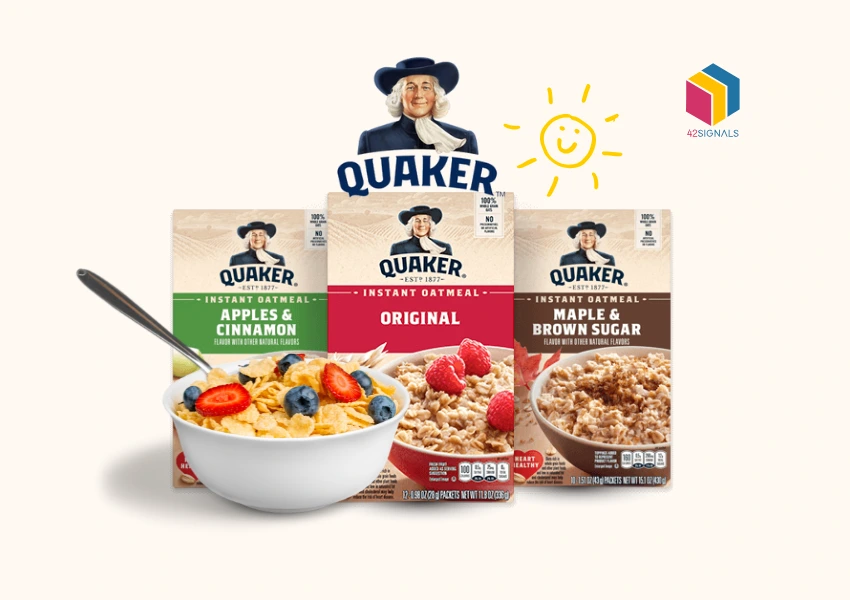


Among the wealth of data available to brands, understanding Amazon product listings and reviews is a crucial step toward achieving success in e-commerce. Amazon, being the largest e-commerce marketplace, holds a treasure trove of insights that can help businesses refine their strategies, optimize product offerings, and enhance customer satisfaction.

Image Source: Channel Engine
By delving deep into Amazon product data, brands can gain invaluable insights into customer sentiment, and competitor positioning, and identify gaps in their product strategy. This article explores why understanding this data is crucial for your business and how leveraging e-commerce analytics and Amazon product data can drive growth.
Why is the Amazon Ecosystem a Data Powerhouse?
Amazon is not just a marketplace for purchasing goods—it’s a data powerhouse. As a brand strategist or an e-commerce consultant, tapping into Amazon’s rich pool of data can provide you with a comprehensive view of the market. The platform offers a unique combination of product listings, customer reviews, ratings, and sales performance data, all of which can be analyzed to reveal key business insights.
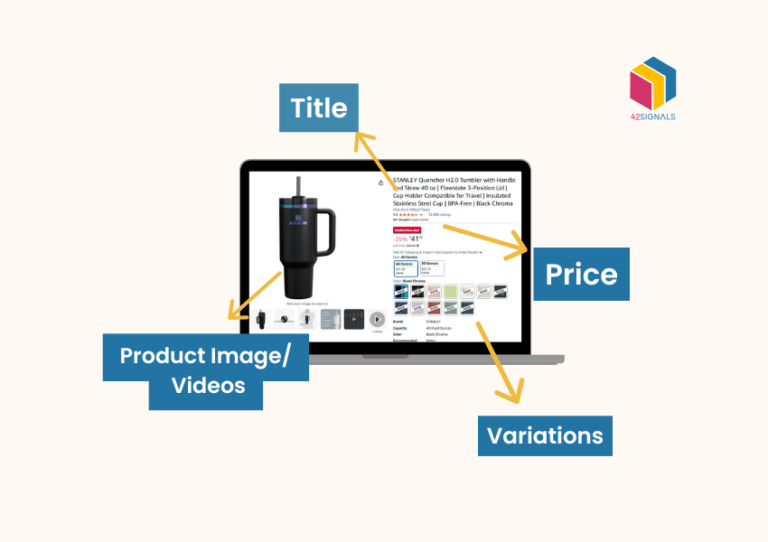
When you look at Amazon product listings, you’re not just seeing a product description and price. You’re looking at a combination of elements such as product features, titles, keywords, pricing strategies, shipping options, and customer feedback. All of these can impact your sales performance and brand positioning. Reviews are especially rich in data, offering direct insights into customer satisfaction, product quality, and even potential areas for improvement.
Customer Sentiment: Revealing Your Brand’s Strengths & Weaknesses
Amazon is the place where millions of customers search, compare, and buy products every single day. Amazon reviews serve as one of the most authentic reflections of customer sentiment. When customers share their experiences, they offer invaluable information that can help brands understand the emotional connection—or lack thereof—that consumers have with a product. These reviews can help identify areas of success and areas that need improvement.
By closely monitoring customer reviews on Amazon, brands can uncover:
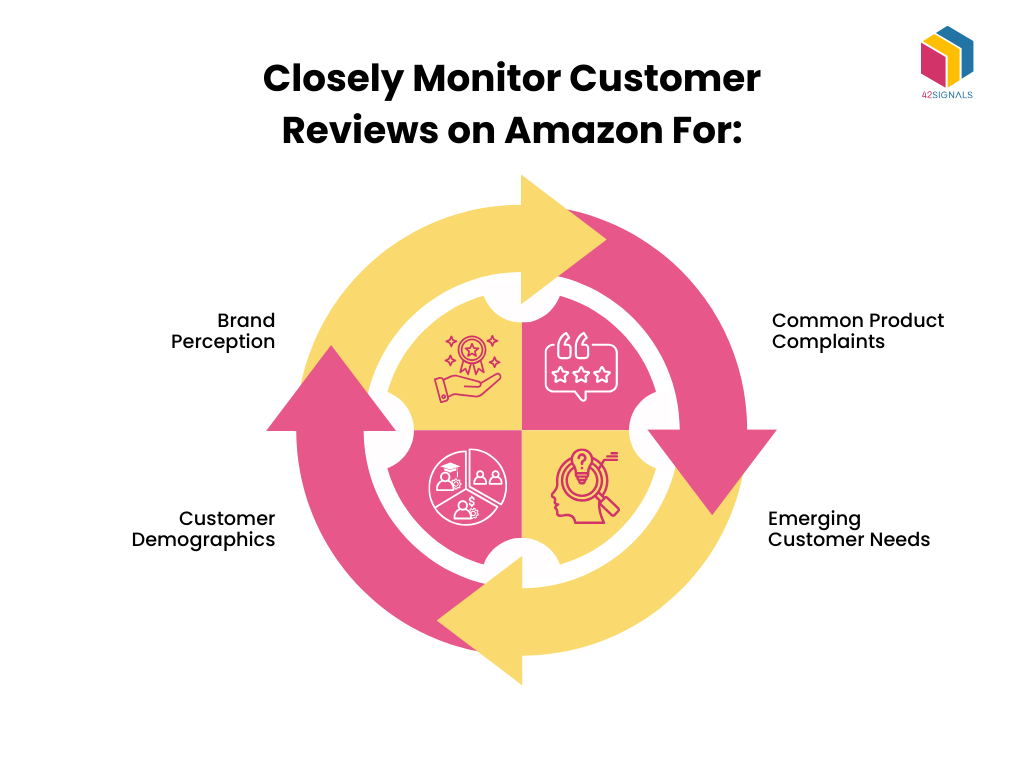
1. Common Amazon Product Complaints
Negative reviews often highlight recurring issues with a product. Whether it’s a problem with quality, usability, or performance, understanding customer complaints allows you to proactively address these issues before they impact your sales or brand reputation.
2. Emerging Customer Needs
Positive reviews often reveal what customers value most about a product. This can provide guidance on how to enhance your product features, marketing messages, or customer experience to meet consumer expectations.
3. Customer Demographics
By analyzing the types of reviews you receive, you can gain a deeper understanding of the customers who are purchasing your product. This insight helps you better target your ideal audience, optimize product listings, and refine your advertising strategy.
4. Brand Perception
Amazon reviews can offer an unfiltered view of how your brand is perceived. Do customers appreciate your commitment to quality? Or are they frustrated with long delivery times? The answers to these questions lie within the reviews left by customers.
How Amazon Product Listings Reveal Strategic Opportunities?
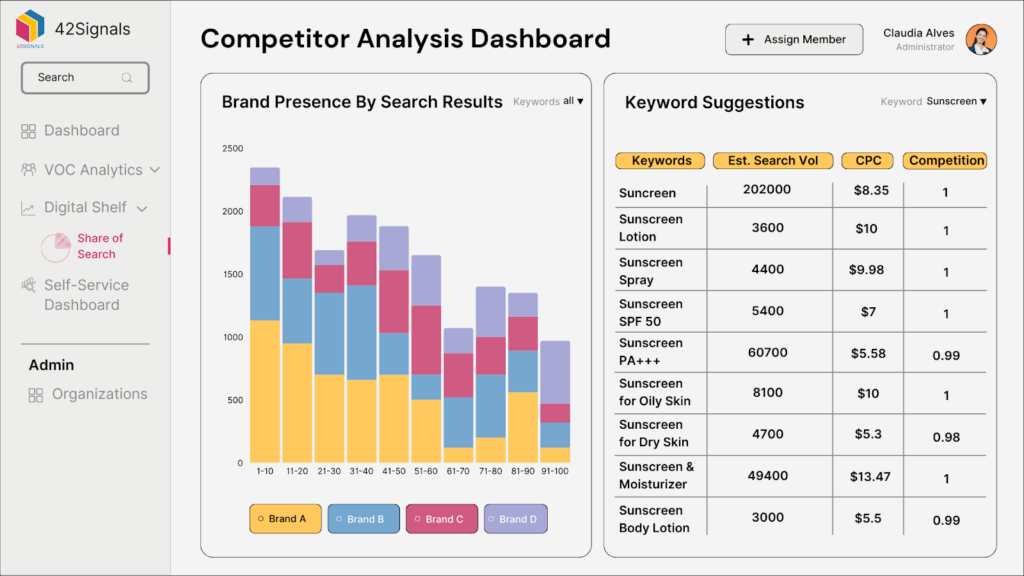
Understanding your competitors’ Amazon product listings and reviews is just as important as understanding your own. By closely monitoring competitors, brands can gain insights into their market positioning, strengths, weaknesses, and customer engagement strategies.
Here’s how competitor analysis on Amazon can benefit your business:
1. Product Differentiation
By analyzing competitor listings, you can identify gaps in their offerings that present an opportunity for your brand. Perhaps they are not offering a certain feature that customers frequently mention in reviews, or they may be neglecting a certain demographic. These gaps create opportunities for product differentiation and innovation.
2. Price Benchmarking
Pricing strategies play a significant role in e-commerce sales, and Amazon product listings provide a clear view of competitors’ pricing models. Understanding competitor prices, discounts, and promotional strategies will help you stay competitive in your pricing decisions.
3. Customer Sentiment Comparison
Just like your own product, competitor products also receive reviews from customers. Analyzing competitor reviews provides insight into what customers like and dislike about their products. For example, if a competitor’s product has consistently high ratings for quality, you can aim to match or exceed those standards.
4. Market Trends
Tracking competitors’ product performance over time can help you spot trends in product preferences, seasonality, and changes in consumer behavior. This data can be used to predict upcoming market shifts and adjust your strategy accordingly.
How Amazon Product Data and Reviews Reveal Gaps in the Market?
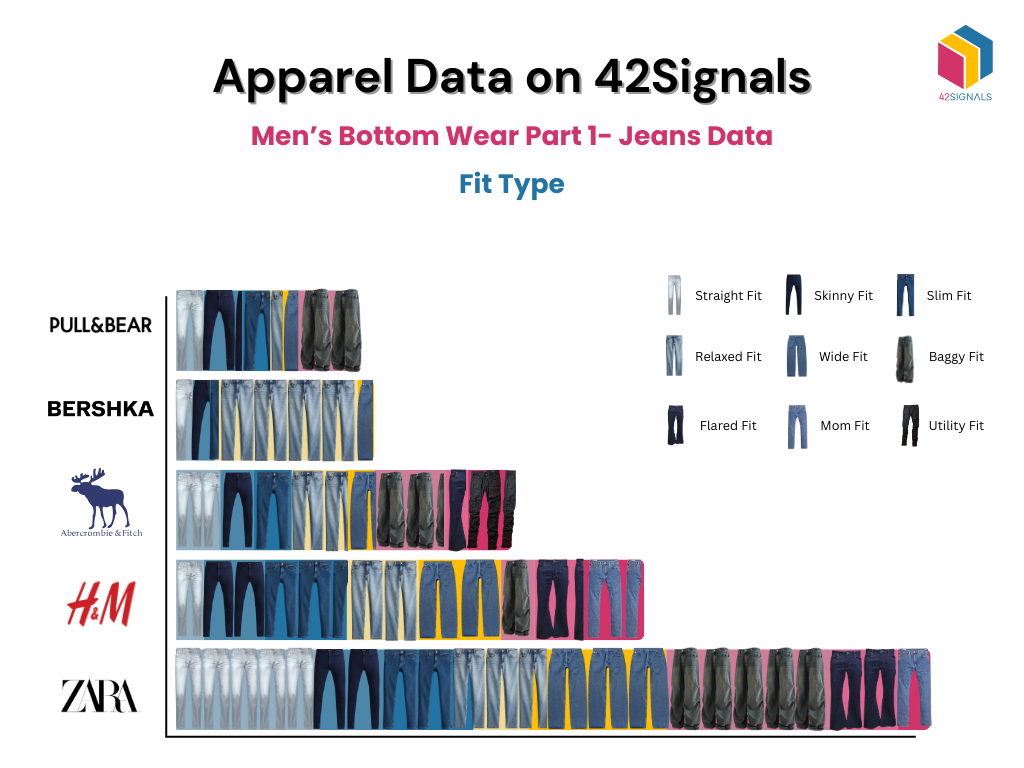
One of the most powerful uses of Amazon product listings and reviews is the identification of product gaps. These gaps represent opportunities for innovation and can directly inform your product development strategy.
Amazon reviews often reveal unmet needs and pain points that customers experience with existing products. Brands that take note of these gaps can create new products or refine existing offerings to meet these demands.
Consider the following ways product gaps can be identified:
1. Repeated Customer Requests
Customers often provide feedback on features or improvements they want to see in a product. These suggestions can help guide your product development efforts. For example, if many customers mention that a particular feature is missing, it could be the key to gaining a competitive edge.
2. Market Saturation
Amazon product listings can also reveal areas where there are too many similar products, creating intense competition. By identifying these saturated categories, you can either look for underserved niches or differentiate your products in ways that make them stand out.
3. Amazon Product Quality Issues
If multiple reviews for a competing product mention quality issues, this could indicate a market opportunity for a higher-quality alternative. By offering a superior product, you can capture the attention of dissatisfied customers.
4. Missed Demographics
Sometimes, product listings do not fully cater to certain customer groups or preferences. By paying attention to customer reviews and demographic insights, you can identify potential target markets that are underserved by existing products.
Leveraging E-commerce Analytics for Deeper Insights
To truly harness the power of Amazon product listings and reviews, brands need to rely on e-commerce analytics tools. These tools enable you to collect, analyze, and interpret large volumes of Amazon product data efficiently.
1. Tracking Amazon Product Performance
E-commerce analytics tools can help you track sales performance, conversion rates, and customer engagement across different product listings. This data allows you to measure the impact of changes made to your product listings or marketing strategies.
2. Sentiment Analysis
Advanced analytics tools can automatically analyze customer reviews to determine sentiment, categorizing them as positive, negative, or neutral. This helps you quickly gauge the overall reception of your product and identify areas that require attention.
3. Competitor Tracking
Analytics tools also allow you to monitor competitor product listings, track their review scores, and stay informed about their pricing and promotional strategies. This real-time data empowers you to react quickly to changes in the competitive landscape.
4. Product Gap Identification
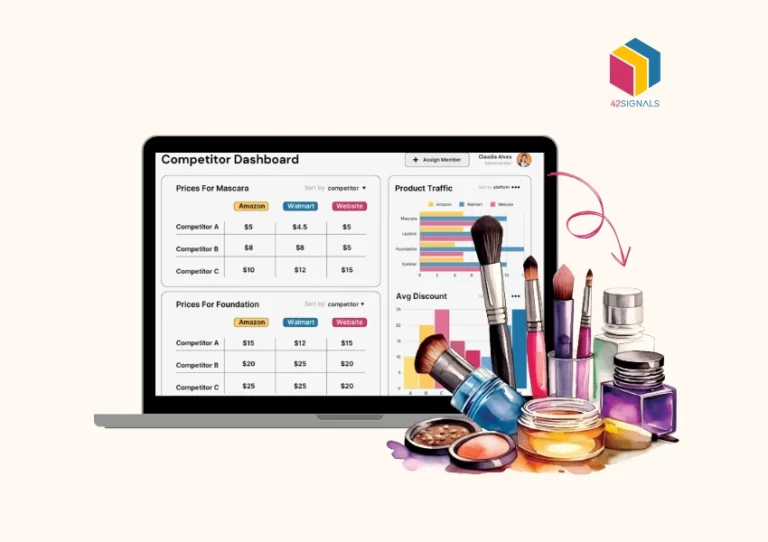
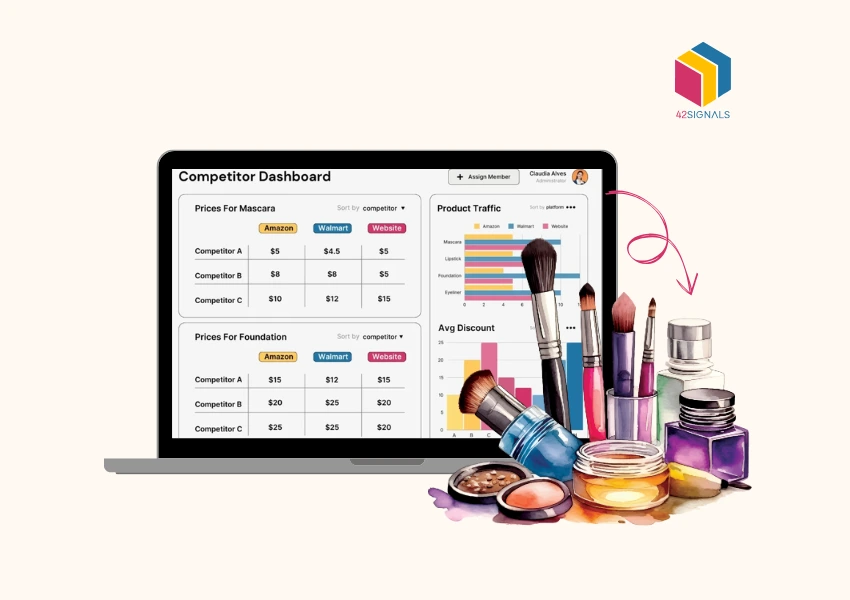
E-commerce dashboards consolidate data from product listings, reviews, and customer interactions into easy-to-read visual reports. These reports can help identify product gaps and opportunities for new features or entirely new products.
How to Use Amazon Product Data Effectively?
The key to making the most of Amazon product listings and reviews lies in how you use the data. Here’s a step-by-step approach to utilizing this data effectively:
1. Monitor Competitor Amazon Product Listings Regularly
Stay up-to-date with changes in competitor pricing, product features, and reviews. This will help you stay competitive and make data-driven decisions to improve your listings.
2. Analyze Amazon Product Customer Reviews for Patterns
Regularly analyze reviews for recurring themes, both positive and negative. This will help you understand what customers value and what areas need improvement.
3. Use Sentiment Analysis

Leverage sentiment analysis tools to quickly gauge the tone of customer feedback. This can help you assess customer loyalty, satisfaction, and potential areas for improvement.
4. Adapt Your Strategy Based on Insights
Use the insights gained from Amazon product listings and reviews to inform your product development, pricing strategies, and customer engagement initiatives.
Conclusion on Amazon Product Reviews
Understanding Amazon product listings and reviews is not just about monitoring your own performance. It’s about tapping into a wealth of data that provides actionable insights into customer sentiment, competitor positioning, and product gaps. By leveraging e-commerce analytics and Amazon product data, brands can refine their strategies, identify growth opportunities, and stay ahead of the competition.
As brand strategists and e-commerce consultants, the ability to navigate and interpret this data effectively can help your business thrive in the ever-evolving digital marketplace. With the right tools and a deep understanding of customer behavior, product performance, and market trends, you can make informed decisions that drive long-term success. Whether you are fine-tuning your existing product offerings or developing new ones, the power of Amazon product data is an invaluable resource for any modern business.
Schedule a demo with 42Signals today and discover how our powerful e-commerce analytics solutions can help you analyze customer sentiment, track competitor performance, and identify product opportunities—all from one intuitive dashboard.
Frequently Asked Questions
What is the product of Amazon?
Amazon offers a vast array of products and services, including:
- Retail Goods: Books, electronics, apparel, and more.
- Amazon Prime: Subscription service offering benefits like free shipping and streaming.
- Consumer Electronics: Devices such as Kindle e-readers and Echo smart speakers.
- Digital Content: Streaming services like Amazon Prime Video and Amazon Music.
- Cloud Computing: Services provided by Amazon Web Services (AWS).
For a comprehensive list, refer to the List of Amazon products and services.
Where does Amazon sell returned items?
Amazon manages returned items through several channels:
- Amazon Resale: Previously known as Amazon Warehouse, this platform offers deals on quality used, pre-owned, or open-box products.
- Bulk Liquidations: Amazon sells palletized lots of overstock or damaged items through its Bulk Liquidations Store, primarily to enrolled customers with tax-exempt status.
- Third-Party Liquidation: Returned items are also sold in bulk to third-party liquidation companies, which then resell them through various outlets.
What were Amazon’s original products?
When Amazon was founded by Jeff Bezos on July 5, 1994, it began as an online marketplace exclusively for books. The first book ever ordered on Amazon was “Fluid Concepts and Creative Analogies” by Douglas Hofstadter.