
Global expansion in ecommerce has experienced exponential growth over the past few years, and businesses are increasingly looking to expand their online presence beyond domestic borders.
However, cross-border e-commerce comes with its unique set of challenges, such as language barriers, cultural differences, regulatory complexities, logistical hurdles, and payment issues. These obstacles can be daunting when it comes to e-commerce expansion, but they’re not insurmountable.
With the right data insights, companies can navigate these waters effectively and thrive in the global marketplace.
Global Expansion – Understanding Your Target Market
One of the most significant challenges when expanding into new markets is understanding consumer behavior and preferences. Yet, 70% of cross-border ventures fail due to one critical oversight: inadequate understanding of local target markets. Truly knowing your audience—their behaviors, regulations, logistics expectations, and cultural DNA—is the bedrock of international success. Here’s how data transforms this challenge into your competitive advantage.
This is where data analytics plays a crucial role.
By analyzing demographic data, shopping habits, social media trends, and other relevant information about your target audience, you can tailor your products, services, and marketing strategies accordingly.
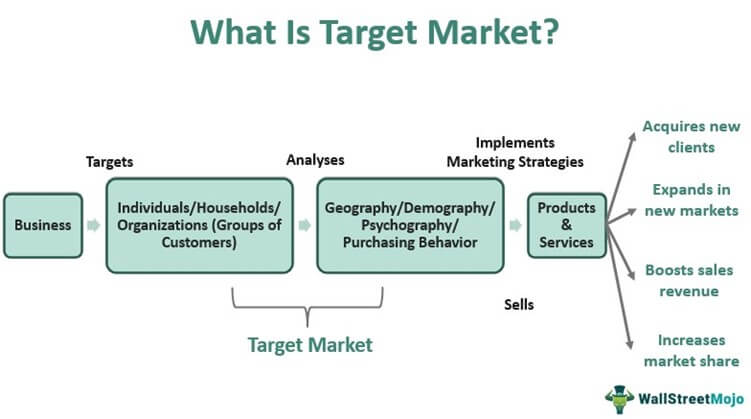
Image Source: Wall Street Mojo
For instance, if you find out that a large portion of your potential customers prefer mobile payments – through voice of customer analytics – over credit cards, then integrating popular mobile wallets like Alipay or WeChat Pay could significantly improve the user experience for Chinese consumers. not a legal afterthought.
The Challenge:
Consumer preferences vary wildly across borders. Payment methods, product expectations, and brand loyalty drivers in Germany differ starkly from those in Brazil or Japan. Assumptions are costly.
Data-Driven Solutions:
- Behavioral Analytics: Track real-time user journeys using tools like Google Analytics 360 or Adobe Analytics. Identify drop-off points specific to each region.
Example: A beauty brand found Southeast Asian users abandoned carts due to lack of local payment options (e.g., GrabPay). Integration boosted conversions by 33%. - Social Listening: Tools like Brandwatch or Sprinklr analyze regional social media sentiment.
Example: A fashion retailer avoided a color-themed campaign in India after data revealed cultural associations of white with mourning. - Voice-of-Customer (VoC) Mining: NLP-powered tools (e.g., Medallia) process reviews and surveys to uncover unmet needs.
Case Study: IKEA used VoC data to adapt product sizes for Japanese apartments and launched localized storage solutions.
Key Takeaway:
Global expansion requires moving beyond age/gender demographics. Map psychographic drivers (values, lifestyles) using predictive analytics.
Regulatory Compliance
One of the biggest challenges organizations face in global expansion is navigating the complex web of regulations and laws governing online sales in different countries.
Each country has its own set of rules regarding taxes, customs duties, consumer protection, and data privacy. Failure to comply with these regulations can result in legal penalties, fines, or even damage to a company’s reputation.
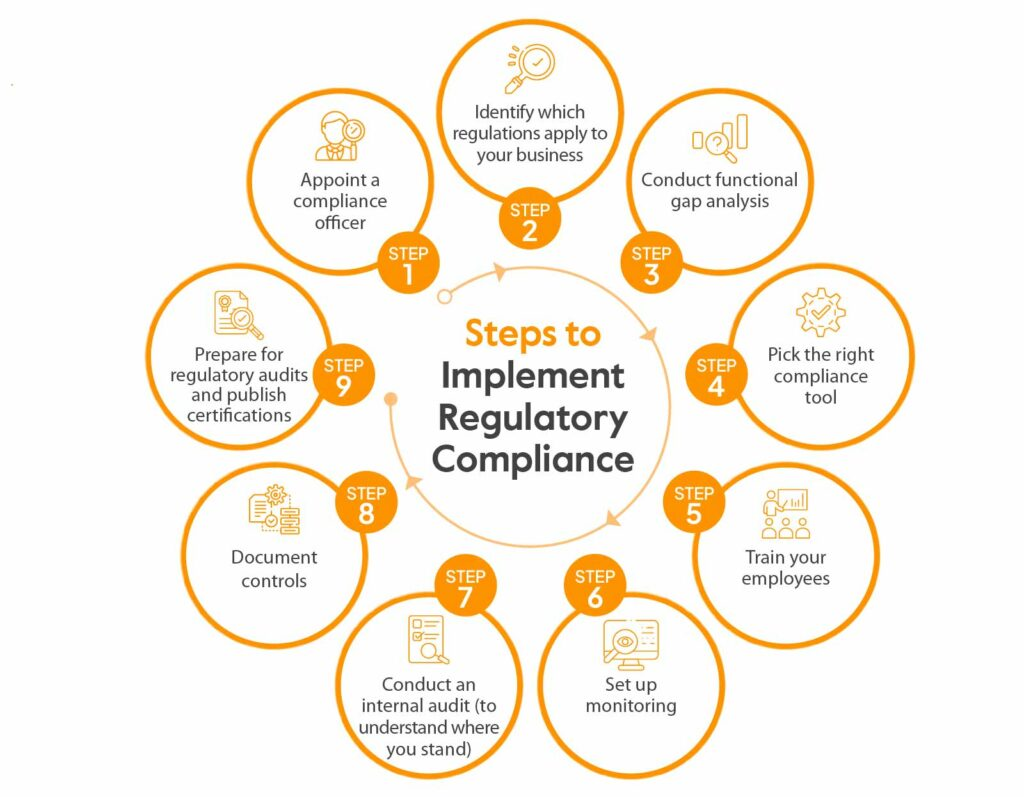
Image Source: Sprinto
To ensure regulatory compliance, e-commerce companies should leverage data analytics tools to monitor changes in international trade policies and stay informed about local regulations.
By analyzing data from various sources such as government websites, industry reports, and social media channels, businesses can identify potential risks and adjust their strategies accordingly.
The Challenge:
From GDPR in Europe to PDPA in Singapore, non-compliance can cost 4% of global revenue or market expulsion. Manual monitoring is impossible at scale.
Data-Driven Solutions:
- Automated Regulatory Tracking: Platforms like Thomson Reuters Regulatory Intelligence or Sprinto scan legislation in 190+ countries. AI flags relevant changes.
Example: An electronics seller avoided Brazil’s ANATEL certification fines by automating compliance updates. - Tax & Duty Optimization: AI tools (e.g., Avalara) calculate real-time landed costs, VAT, and import duties.
Impact: Reduced customs delays by 65% for a UK-based health supplements brand entering the U.S. - Data Privacy Mapping: Classify customer data by jurisdiction with tools like OneTrust. Ensure storage/processing aligns with local laws.
Key Takeaway:
In global expansion, treat compliance as a data workflow,
Logistics & Delivery in Global Expansion
Managing inventory, shipping, and returns across multiple regions can be a daunting task for e-commerce businesses.
Ensuring timely delivery, managing customs clearance, and handling returned items require careful planning, coordination, and execution.
Any mistakes in this area can lead to delays, additional costs, or damaged goods – all of which negatively affect the customer experience.
To optimize logistics operations, e-commerce companies should collect data on shipping routes, transit times, and carrier performance.
This information can be used to identify bottlenecks, reduce delivery times, and choose the most cost-effective carriers for each destination.
The Challenge:
43% of cross-border shoppers abandon purchases due to shipping uncertainties. Customs delays and return complexities erode trust.
Data-Driven Solutions:
- Predictive Shipping Analytics: Combine historical transit data, weather patterns, and port congestion feeds (via Flexport or Shippo) to forecast delays.
Case Study: ASOS reduced delivery times to Australia by 40% using port congestion algorithms. - Dynamic Carrier Selection: Machine learning models compare costs, speed, and reliability of 50+ carriers per route.
Example: A furniture brand saved 22% in LATAM by switching carriers during regional strikes. - Returns Intelligence: Analyze reasons for returns (e.g., sizing issues in Italy vs. color accuracy in South Korea) to adjust inventory and product descriptions.
Key Takeaway:
Global expansion thrives on predictive logistics—turn delivery from a cost center into a loyalty driver.
Cultural Differences
Understanding cultural nuances is crucial for success in any foreign market.
Different cultures have varying expectations around product features, packaging, marketing messages, and payment methods. Failing to adapt to these differences can lead to misunderstandings, lost sales, or negative reviews.
To bridge cultural gaps in global expansion strategies, e-commerce companies should gather data on local preferences and behaviors through surveys, focus groups, and user testing.
This information can then be used to tailor products, services, and messaging to specific markets.
Additionally, by tracking trends in social media conversations and search queries related to their brand, businesses can gain valuable insights into what customers value most in each region.
The Challenge:
Coca-Cola’s “Death” in China (due to phonetic naming blunders) and Pepsodent’s failure in Southeast Asia (where “white teeth” symbolize decay) prove: culture eats strategy for breakfast.
Data-Driven Solutions:
- Cultural Sentiment Analysis: Use AI (e.g., Crimson Hexagon) to scan local forums, folklore, and traditions.
Example: A toy brand avoided owl-themed products in India (associated with ill omen) after social listening. - Localized UX Testing: Platforms like UserTesting recruit regional users to validate:
- Iconography (e.g., “shopping cart” vs. “basket” in the UK)
- Color psychology (red = luck in China, danger in the Middle East)
- Behavioral Clustering: Group markets by cultural similarity using Hofstede Insights data (e.g., “high uncertainty avoidance” in Japan vs. “individualism” in the U.S.).
Key Takeaway:
In global expansion, cultural intelligence isn’t qualitative—it’s quantifiable through emotion AI and behavioral clustering.
Global Expansion Language Barriers
Effective communication is essential for building trust and relationships with customers across borders. However, translating content into multiple languages can be time-consuming and expensive.
Moreover, direct translations may not always convey the intended meaning or tone, leading to confusion or misinterpretation.
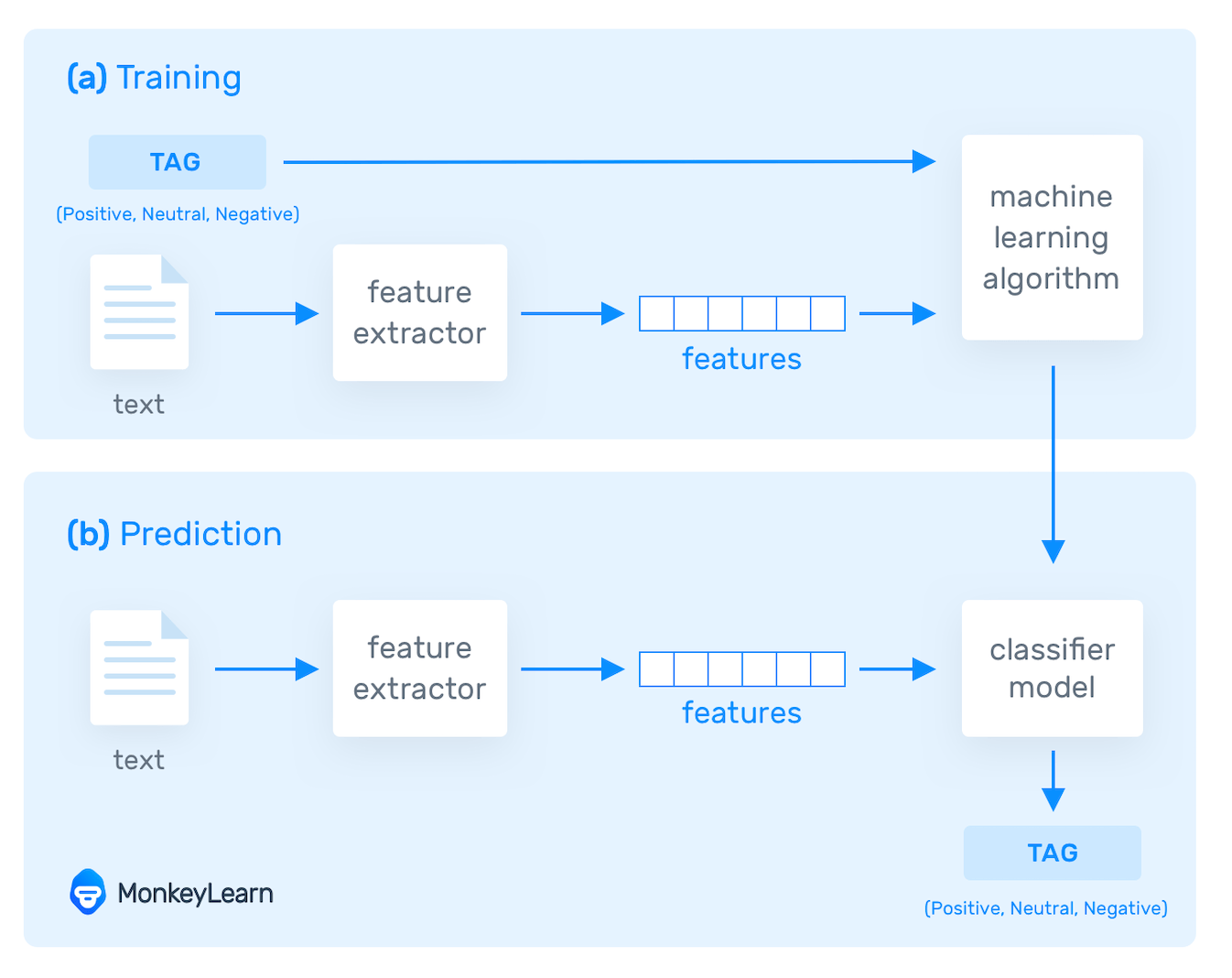
Image Source: MonkeyLearn
Rather than relying solely on manual translation services, e-commerce companies can harness the power of natural language processing (NLP) algorithms to automate the translation process.
NLP technology uses machine learning techniques to analyze text and generate accurate translations while preserving context and style.
The Challenge:
Direct translation fails 68% of the time (CSA Research). “Got Milk?” became “Are You Lactating?” in Mexico. Context is king.
Data-Driven Solutions:
- AI-Powered Localization: Tools like DeepL or Smartling use contextual NLP to adapt:
- Idioms (“break a leg” → region-specific well-wishes)
- Measurement units (pounds → kilograms)
- Date formats (MM/DD/YYYY vs DD/MM/YYYY)
- Search Intent Mapping: Analyze local keyword volumes (via SEMrush) to optimize content.
Example: “Mobile recharge” searches in India are 12x higher than “top-up cards.” - Chatbot Cultural Training: Train support bots on regional politeness norms (e.g., formal Japanese keigo vs. casual Brazilian Portuguese).
Key Takeaway:
True global expansion demands transcreation—not translation—powered by semantic AI.
Conclusion on Global Expansion
Global expansion succeeds when market understanding is engineered—not guessed. To dominate cross-border e-commerce:
- Instrumentalize Behavior: Deploy analytics at every touchpoint.
- Automate Compliance: Embed regulatory tech into workflows.
- Predict Logistics: Treat supply chains as data streams.
- Quantify Culture: Turn nuances into algorithms.
- Contextualize Language: Move beyond words to meaning.
The future belongs to brands that wield data not as a tool, but as a cultural interpreter—transforming borderless ambitions into localized dominance.
E-commerce analytics is a great place to start to understand product performance online and determine potential avenues for business. For ecommerce analytics solutions, get in touch with us at sales@42signals.com
Frequently Asked Questions
What is the meaning of e-commerce expansion?
E-commerce expansion refers to the growth and spread of electronic commerce or online business activities across various industries, markets, and regions. This can involve expanding into new product categories, entering new geographic territories, adopting new technologies, or reaching new customer segments. E-commerce expansion can be driven by factors such as changes in consumer behavior, advancements in technology, globalization, and economic conditions. Successful e-commerce expansion typically requires careful planning, market research, investment in infrastructure, and effective marketing strategies.
What is the future of e-commerce?
The future of e-commerce looks bright, with continued growth expected in the coming years.
Some trends that are likely to shape the industry include increased use of artificial intelligence and machine learning, greater adoption of augmented and virtual reality technologies, more personalized and seamless shopping experiences, and increasing demand for sustainable and ethical business practices.
Mobile commerce will continue to grow, especially in developing countries leading to global expansion as smartphone penetration increases and mobile payments become more widespread.
Cross-border e-commerce will also become more important, as businesses seek to expand their reach beyond domestic markets and tap into international consumer bases.
What is an e-commerce example?
An e-commerce example could be purchasing a pair of shoes from an online retailer like Zappos or Amazon. Other examples include booking travel arrangements through sites like Expedia or Kayak, ordering groceries online from supermarkets like Walmart or Kroger.
What are the four types of e-commerce?
There are actually six types of e-commerce, but the most commonly referred to ones are B2B (business-to-business), B2C (business-to-consumer), C2B (consumer-to-business), and C2C (consumer-to-consumer). The two additional types are B2G (business-to-government) and G2B (government-to-business). Here’s a brief overview of each:
- B2B e-commerce involves transactions between businesses, such as manufacturers, wholesalers, and distributors. Examples include supply chain management systems, inventory management tools, and procurement platforms.
- B2C e-commerce refers to transactions between businesses and individual consumers, such as online retail sales. Examples include clothing, electronics, food, and home goods sold through e-commerce websites.
- C2B e-commerce occurs when individuals sell products or services directly to businesses. An example would be freelance designers offering their services to companies through online job boards or talent marketplaces.
- C2C e-commerce refers to transactions between individuals, facilitated by third-party platforms. Examples include peer-to-peer marketplaces like eBay, Craigslist, or Facebook Marketplace.
- B2G e-commerce involves transactions between businesses and government entities, such as contract bidding and procurement processes.
- G2B e-commerce refers to transactions between governments and businesses, such as tax payment portals, license renewals, or permitting applications.