
In the world of retail, few names evoke the same level of allure and exclusivity as Erewhon. This California-based premium grocery chain has become synonymous with luxury, wellness, and a curated lifestyle.
While traditional grocery stores focus on convenience and affordability, Erewhon has carved out a unique niche by redefining what it means to shop for groceries.
Their meteoric rise in the premium grocery market offers valuable insights into the intersection of organic products, customer experience, and luxury retail trends. This article delves into how Erewhon transformed its offerings into the ultimate status symbol.
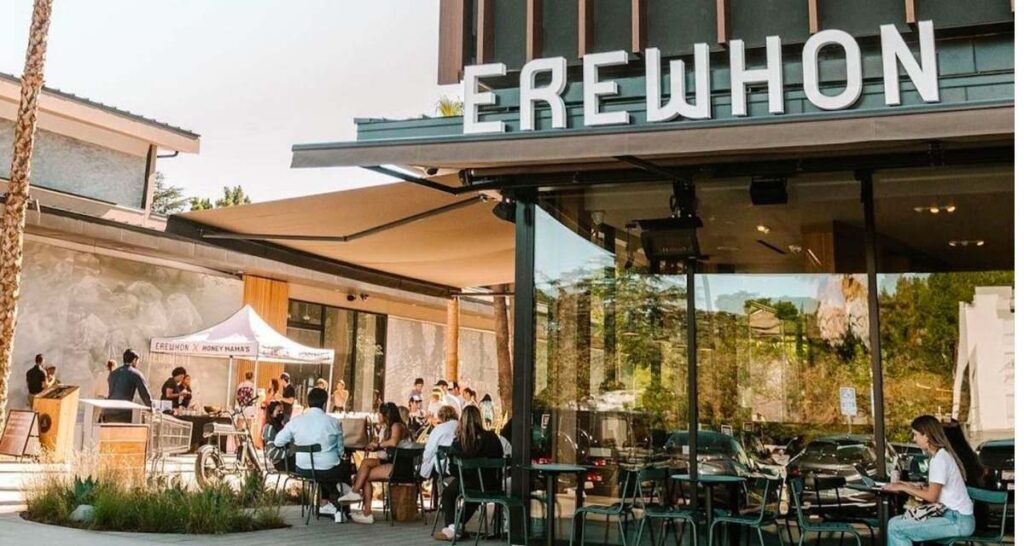
Image Source: Tasting Table
The Birth of a Premium Brand Erewhon
Erewhon’s journey began in the 1960s as a humble health food store, driven by the countercultural movement’s embrace of organic products and holistic living. Its name, derived from Samuel Butler’s satirical novel “Erewhon,” alludes to an imagined utopia where health and ethics reign supreme. This philosophical foundation set the stage for a brand that would prioritize uncompromising quality and integrity.
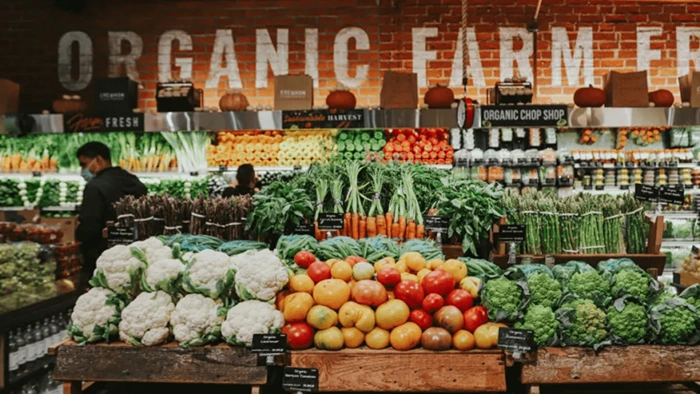
As the organic food movement gained traction, Erewhon stayed ahead by fostering deep connections with local farmers and artisanal producers. They weren’t just selling products; they were cultivating a lifestyle rooted in sustainability, transparency, and well-being. This early commitment to excellence laid the groundwork for Erewhon’s future transformation into a luxury retail powerhouse.
The Rise of the Premium & Luxury Grocery Market
In recent decades, the grocery industry has witnessed a dramatic shift, driven by changing consumer preferences and increasing awareness of health and wellness. Shoppers are no longer content with generic offerings; they demand high-quality, ethically sourced ingredients that align with their values. This shift has fueled the growth of the premium grocery market, with Erewhon leading the charge.
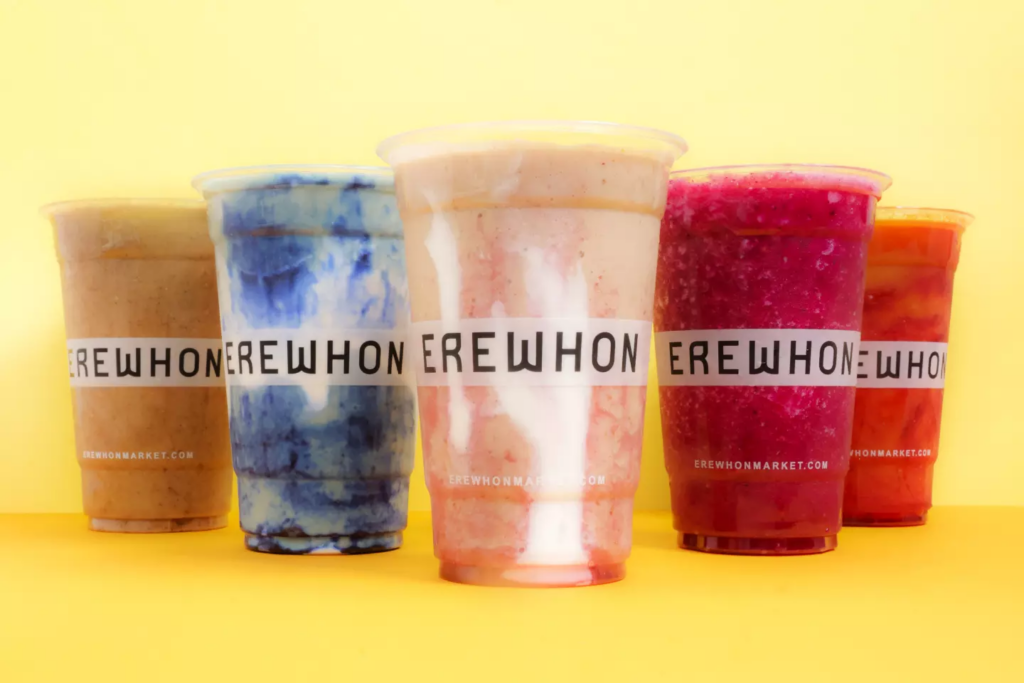
Image Source: Los Angeles Times
Unlike traditional supermarkets, Erewhon curates its inventory with surgical precision. Each product—from superfood smoothies to heirloom vegetables—is meticulously vetted to meet the chain’s exacting standards. By creating a portfolio of organic products that are as exclusive as they are high-quality, Erewhon has managed to elevate groceries to the realm of luxury goods.
Decoding the Price Tag: Why Erewhon Is So Expensive
- The Sourcing Premium: Erewhon’s business model is built on an uncompromising curation of organic products. They prioritize small-batch, local, and regenerative producers. A head of cauliflower isn’t just organic; it might be biodynamically farmed by a specific California ranch. This direct, ethical sourcing from artisan producers costs significantly more than industrial supply chains.
- Experience as a Product: The store itself is a primary offering. The aesthetic, design, and atmosphere are meticulously crafted. The cost of prime real estate (Beverly Hills, Silver Lake), beautiful interiors, and abundant staff (knowledgeable cashiers and wellness guides) is baked into product prices. You’re paying for the customer experience, not just the groceries.
- Brand & Exclusivity: Erewhon has masterfully built a branding and marketing strategy that makes it a cultural symbol. Limited-edition smoothies with celebrity endorsements create hype and allow for high-margin pricing. The “Erewhon effect” means customers are buying into a lifestyle and community, which commands a premium.
- Operational Scale: As a privately-held chain with fewer than 10 locations, Erewhon lacks the massive purchasing power of national chains. It cannot achieve the same economies of scale, leading to higher base costs for its ultra-premium inventory.
Luxury Retail Trends: Bringing Opulence to Everyday Purchases
Erewhon’s success is a testament to its mastery of luxury retail trends. While luxury has traditionally been associated with fashion and accessories, the modern consumer’s definition of luxury has expanded to include experiences, wellness, and even food. Erewhon tapped into this cultural shift, transforming grocery shopping into an aspirational activity.
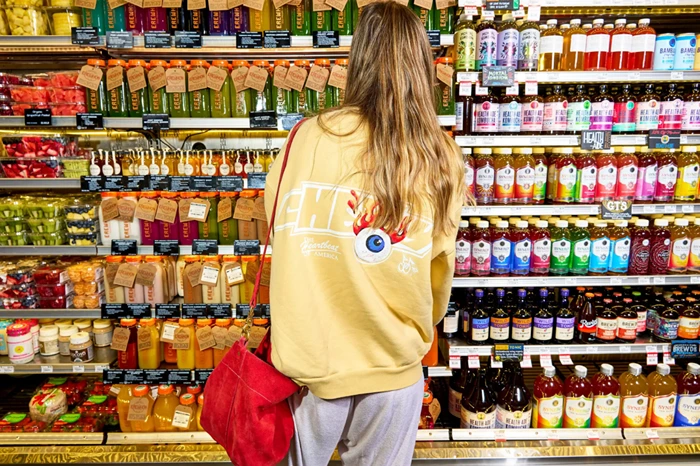
Image Source: The New York Times
One of the hallmarks of luxury retail is the ability to create scarcity and desirability. Erewhon achieves this by offering limited-edition products, such as their famous $20 smoothies, crafted with exotic ingredients like camu camu and adaptogenic herbs. These items are more than just food; they are experiences, designed to be Instagrammable and conversation-worthy.
The brand also understands the power of storytelling. Each product in their stores comes with a narrative—whether it’s the story of a small-batch producer or the health benefits of an obscure superfood. This emphasis on storytelling not only justifies the premium price tag but also fosters an emotional connection with the customer.
The Critical Role of Customer Experience in Erewhon’s Rise
Erewhon’s rise would not have been possible without its unparalleled focus on customer experience. Walking into an Erewhon store is akin to entering a sanctuary for wellness enthusiasts. The sleek, minimalist interiors, artful product displays, and inviting atmosphere create a sense of exclusivity and sophistication.
The staff play a crucial role in this experience. Far from being mere cashiers, Erewhon’s employees are knowledgeable wellness advocates who can guide customers through the nuances of adaptogens, biodynamic farming, and gut health. This personalized service elevates the shopping experience, making each visit feel like a tailored consultation.
Erewhon also excels in creating community. Through events like wellness workshops, tastings, and collaborations with influencers, they foster a loyal customer base that views the brand as more than just a store. It’s a lifestyle hub where like-minded individuals can connect and share their passion for health and sustainability.
Erewhon vs. Whole Foods: A Clear-Cut Comparison
| Feature | Erewhon | Whole Foods Market (owned by Amazon) |
|---|---|---|
| Core Positioning | Ultra-Luxury, Experiential Wellness | Premium Natural & Organic Supermarket |
| Price Point | Very High (“most expensive”). The smoothie price is a famous example ($18-$25). | Premium, but with broader range and more value options. |
| Product Selection | Highly curated, exclusive, small-batch. Emphasis on local artisans and hyper-trendy “it” brands. | Extensive and wide-ranging, from premium to mainstream organic. Includes a strong private label (365). |
| Store Experience | Destination experience. Instagrammable, spa-like, with a heavy focus on prepared foods and juice bars. | Clean, bright, and upscale grocery store focused on discovery and education. |
| Target Customer | Luxury wellness seeker, celebrity, influencer, or those for whom cost is secondary to status/experience. | Health-conscious mainstream consumer willing to pay more for quality and organic standards. |
Conclusion: Whole Foods is a high-end grocery store. Erewhon is a luxury retail destination that happens to sell groceries. They operate in adjacent but distinct tiers of the premium grocery market.
The Organic Products That Make Erewhon a Premium Brand
At the heart of Erewhon’s success is its unwavering commitment to organic products. In a market flooded with misleading labels and greenwashing, Erewhon’s strict standards ensure that customers can trust every item on the shelf.
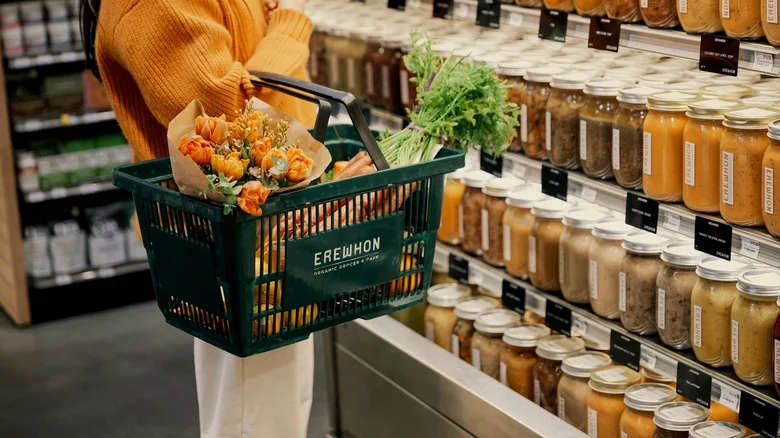
Image Source: Tasting Table
Their emphasis on organic, non-GMO, and biodynamic products appeals to a discerning clientele that prioritizes authenticity and purity.
Erewhon’s in-house offerings are equally impressive. From freshly pressed juices to nutrient-dense salads, their prepared foods exemplify the brand’s commitment to health and quality. These items are not only delicious but also designed to cater to specific dietary needs, from keto and vegan to gluten-free.
The Business Model: More Than a Grocery Store
To understand how it “stays in business,” you must look at its Erewhon business model, which diverges from traditional grocery.
- Prepared Foods & Juice Bars as Profit Centers: The infamous $20+ smoothies and expensive prepared meals are not an anomaly; they are the margin engine. These items have extremely high markups compared to packaged goods and drive a huge portion of revenue.
- Curated Discovery, Not Just Shelves: Erewhon acts as a launchpad and validator for emerging wellness brands. For a new snack or drink, being on Erewhon’s shelves is a massive credibility boost, for which they can command favorable terms. They sell trending status.
- Community & Content: The store is a physical hub for the wellness community. Events, tastings, and influencer collaborations drive foot traffic and loyalty, turning customers into brand apostles who justify the premium through emotional connection.
Erewhon’s Social Media Strategy: Building a Cult Following
Erewhon’s exclusivity is amplified by its savvy use of social media. The brand has become a magnet for celebrities and influencers, who frequently share their Erewhon hauls and glowing smoothie reviews with millions of followers. This organic (pun intended) marketing strategy has turned Erewhon into a cultural phenomenon, where shopping there signals a commitment to both health and status.
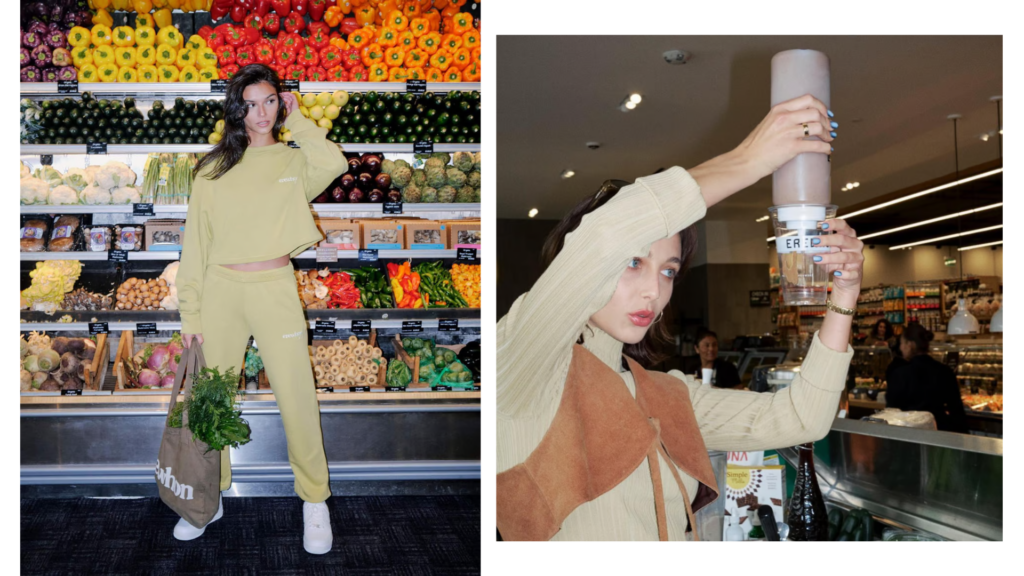
The chain’s focus on aesthetics plays a crucial role in its social media appeal. From the beautifully arranged produce aisles to the photogenic smoothie bars, every aspect of Erewhon is designed to be visually striking. This attention to detail ensures that the brand remains a favorite among influencers seeking content that resonates with their audience.
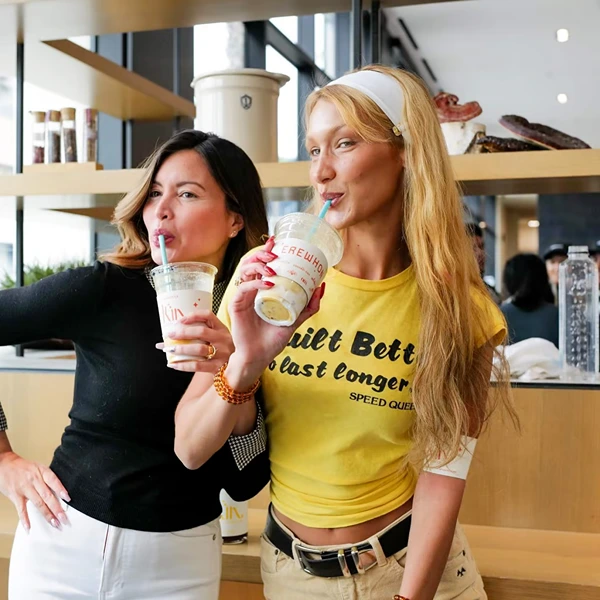
Image Source: SCMP
Erewhon’s Journey: Common Challenges & Criticisms
While Erewhon’s success is undeniable, it has not been without its challenges. The brand’s high prices have drawn criticism for being inaccessible to the average consumer. A $20 smoothie or $10 loaf of bread may be out of reach for many, raising questions about inclusivity in the wellness movement.
Additionally, Erewhon’s emphasis on exclusivity can sometimes alienate potential customers who feel intimidated by the brand’s opulent image. Balancing exclusivity with approachability will be key as Erewhon continues to expand.
Is Erewhon “Worth It”? Addressing the Value Question
- The Case For “Worth It”:
- Unmatched Sourcing: If you value biodynamic produce, regenerative meats, and products from the most sought-after small producers, Erewhon is a reliable aggregator of these hard-to-find items.
- Experience & Convenience: The prepared foods and smoothie bar offer a luxurious, healthy convenience for those who prioritize time and experience.
- Trust & Curation: The reviews often highlight trust—you don’t need to read labels obsessively. Their vetting provides a filter for the highest wellness standards.
- The Case Against (“Why so expensive?”):
- Diminishing Returns: For many everyday staples, the price differential versus other quality organic markets (like Whole Foods or a local co-op) is extreme with little tangible quality difference.
- Luxury Markup: You are undeniably paying a significant premium for the branding, aesthetic, and social cachet. The most expensive items are often more about hype than nutritional superiority.
- Accessibility: Its pricing makes it inaccessible to most, fueling criticism that it has co-opted “wellness” into a status symbol for the elite.
Verdict: Erewhon is “worth it” if you are buying into the entire ecosystem as a luxury experience and value its specific curation. For purely functional grocery shopping, its prices are difficult to justify.
Erewhon & the Future of Luxury Grocery Shopping
Erewhon’s journey offers a blueprint for the future of premium grocery. As consumers continue to prioritize health, sustainability, and unique experiences, the demand for high-quality, ethically sourced products will only grow. Erewhon’s ability to innovate while staying true to its core values positions it as a leader in this evolving market.
Looking ahead, Erewhon has the opportunity to expand its footprint while maintaining its commitment to quality and authenticity. By exploring new markets, leveraging technology, and fostering even deeper connections with its community, Erewhon can continue to set the standard for what a premium grocery store can be.
Conclusion
Erewhon’s transformation from a niche health food store to a cultural icon underscores the power of vision, authenticity, and innovation. By redefining the grocery shopping experience through a blend of organic products, exceptional customer experience, and alignment with luxury retail trends, Erewhon has created a brand that is not just a store but a lifestyle.
In a world where health and wellness are increasingly valued, Erewhon’s success serves as a testament to the enduring appeal of quality and exclusivity. Whether you’re a devoted customer or an industry observer, one thing is clear: Erewhon has set the bar for premium grocery, and it shows no signs of slowing down.
If you liked this article, check out –
Nestlé: The Growth of a Global Consumer Goods Giant
Instacart’s Secret Sauce: What Makes Their Product Strategy Unique?
The Story Behind Kraft Heinz: An American Company Worth Over $36 Billion
The Journey of Lindt to Becoming and Staying the Top Chocolatier in the World
Frequently Asked Questions
What does “Erewhon” mean?
The name comes from Samuel Butler’s 1872 satirical novel Erewhon (which is “Nowhere” spelled backward). It signifies a utopian ideal, aligning with the store’s original founding philosophy as a perfect haven for health and organic living.
Who owns Erewhon?
Erewhon is a privately held company. It was founded by Michio and Aveline Kushi in the 1960s. Since 2011, it has been owned by husband-and-wife team Tony and Josephine Antoci, who have driven its modern expansion and luxury positioning.
Is Erewhon the most expensive grocery store in the world?
While difficult to crown definitively, Erewhon is consistently ranked as one of the most expensive supermarket chains in the United States, if not the world, especially for a store of its type and size. Its prepared foods and smoothies hold iconic status for their high prices.
What are some examples of Erewhon’s high prices?
Famous examples include the Celebrity Smoothies (often $18-$25), premium prepared salads or bowls ($15-$25), high-end bottled waters ($5-$10), and artisanal loaves of bread ($10+). Basic organic produce also carries a significant markup compared to other retailers.
Does Erewhon have a membership program?
No, Erewhon does not have a paid membership or loyalty program like some other grocery chains. Their model is based on full-price, experience-driven retail.