
The word Xiaomi translates to grain – an item that’s a staple diet in many cultures across the world, especially in India. The Chinese technology company which began in 2011 designs, develops and sells smartphones, mobile applications, laptops, and other consumer electronics products across the globe. In 2021, Xiaomi stood as the 5th largest smartphone manufacturer worldwide with its sales touching upwards of US $48 billion and hitting revenue of US $45 billion in 2022.
The company has been successful in expanding its reach across continents due to its affordable prices and high-end offerings. In 2014, Xiaomi entered the smartphone market in India, which has proven to be a lucrative sector for the company due to our large population and growing middle class.
Xiaomi: A Chinese Brand with Deep Indian Roots
Xiaomi: A Chinese Brand with Deep Indian Roots
A common question among Indian consumers is whether Xiaomi is an Indian company. The straightforward answer is: No, Xiaomi is not an Indian company. It is a Chinese multinational electronics company founded in 2010 and headquartered in Beijing, China.
Key Facts About Xiaomi’s Origin:
- Founded: April 2010 by Lei Jun in Beijing, China
- Headquarters: Beijing, China
- Global Expansion: Entered India in July 2014
- Indian Operations: Xiaomi India is a wholly-owned subsidiary
Why the Confusion Exists:
Xiaomi’s massive success in India, coupled with its significant local investments, often leads to this misconception. Here’s why Xiaomi feels like an Indian brand:
- “Make in India” Commitment: Xiaomi has heavily invested in local manufacturing, with most phones sold in India being assembled locally through partners like Foxconn. This aligns with the Indian government’s initiatives and creates local jobs.
- Deep Market Understanding: Xiaomi’s product strategy, marketing, and pricing are meticulously tailored for Indian consumers, making them feel the brand understands their needs perfectly.
- Strong Local Leadership: The company is led by a strong Indian management team that operates with significant autonomy.
- Extensive Service Network: With initiatives like launching 10 premium service centers across India, Xiaomi has built a robust after-sales ecosystem that rivals any domestic brand.
Redmi’s Identity:
Redmi is a sub-brand of Xiaomi, focused on the budget and mid-range segments. Therefore, Redmi is also a Chinese brand, operating under the Xiaomi corporate umbrella.
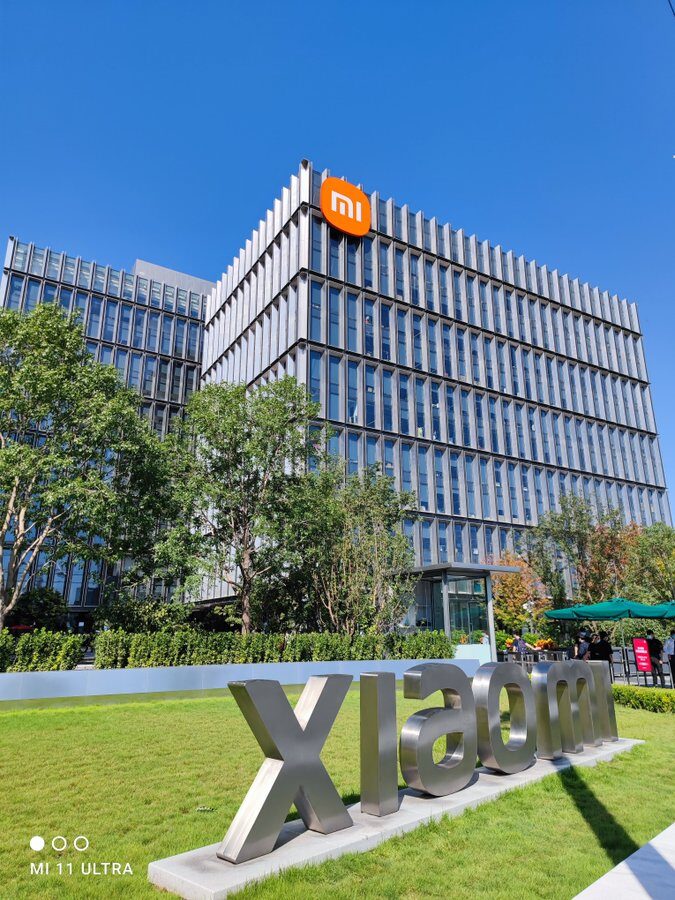
Image Source: X
Xiaomi’s strategy for entering the Indian market involved offering high-quality products at low prices. This allowed the company to gain a competitive edge over other established smartphone brands in India. Xiaomi’s products were well-received by Indian customers who were looking for value for their money.
By ensuring the products were kept at an affordable price, through multiple marketing strategies, the brand quickly gained the trust and loyalty of the Indian community. Making their products accessible, resonated well with the growing middle class who could now afford to buy efficient, well-designed smartphones at a fraction of the cost of bigger brands like Samsung and Apple.
Xiaomi’s Indian Journey: From Entry to Market Leadership
Xiaomi entered the Indian market in July 2014, starting with online-exclusive flash sales on Flipkart. The company completed 11 years of operations in India in July 2025.
Market Share Evolution:
Xiaomi’s market share journey in India is a classic case study of disruptive market entry:
- 2014-2015: Rapid growth through online channels, capturing the budget segment
- 2017: Became the top smartphone brand in India by market share
- 2018-2021: Consistently maintained leadership position, battling Samsung for the #1 spot
- 2022-2024: Faced intensified competition but remained in the top 3, adapting strategy to include more offline retail
Current Market Position:
As of 2024, Xiaomi continues to be a dominant player in the Indian smartphone market, typically alternating between the #1 and #2 position with Samsung in quarterly rankings. Their success is particularly strong in the ₹10,000-₹20,000 price segment where the Redmi series dominates.
Xiaomi’s Success in the Indian Smartphone Market
Xiaomi’s entry into the Indian market was well-timed as it coincided with the growth of the Indian e-commerce industry. The company leveraged e-commerce platforms to sell its products, and this helped them reach a much wider customer base in India. The brand’s marketing strategy also played a crucial role in its success in India by concentrating on building a strong online presence and engaging with customers through social media platforms.
Data from Counterpoint shows the Indian smartphone market share of several leading brands where Xiaomi is consistently leading the charts, battling for the #1 position with Samsung in some quarters for 2021-2022.
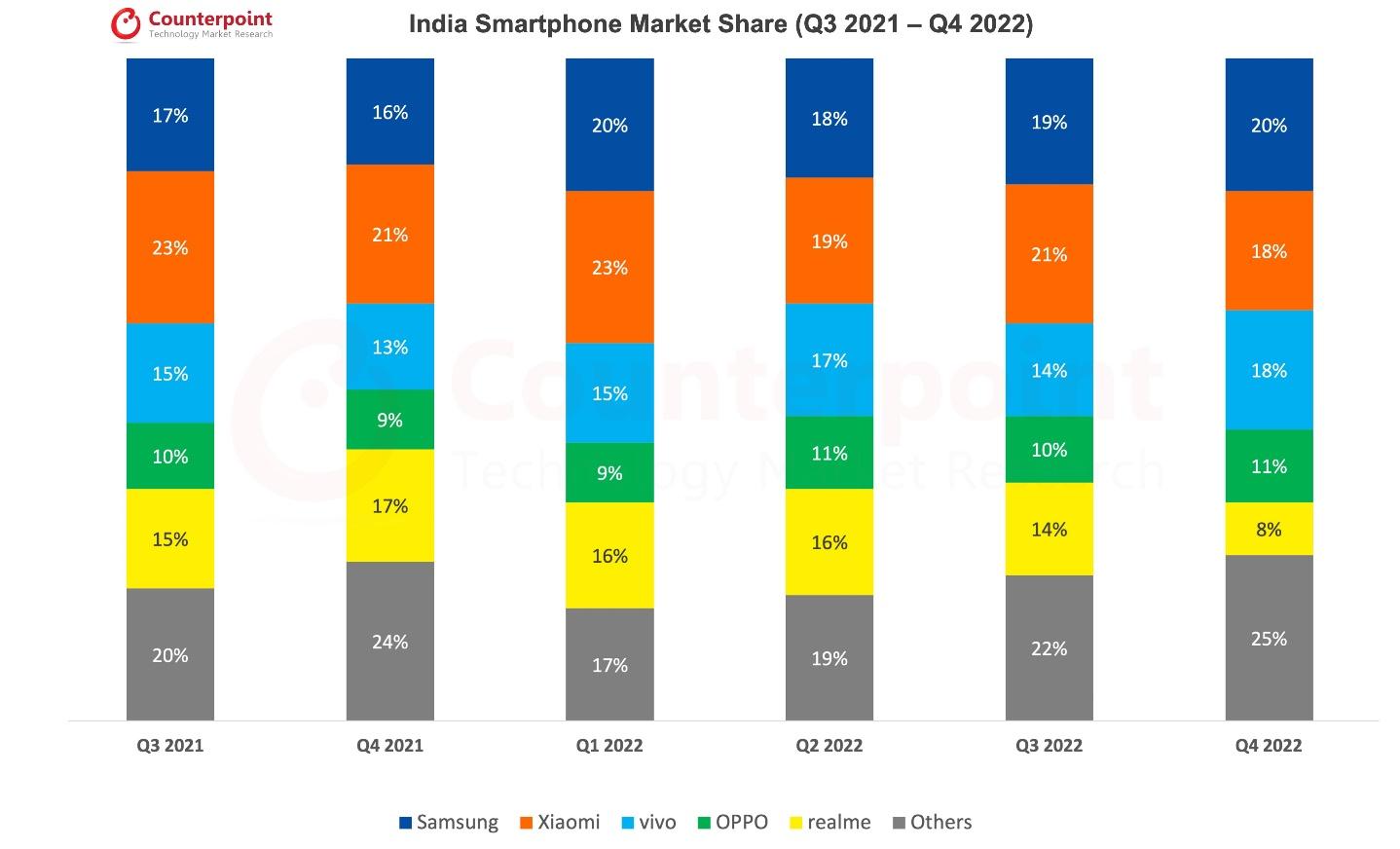
Xiaomi has become a dominant player in the Indian smartphone market due to its strategy of offering high-quality devices at affordable prices, coupled with innovative marketing and distribution tactics.
By tightening purse strings without investing in brick-and-mortar stores, the brand capitalized on the online market and made its products solely available online. This reduced distribution costs significantly and ultimately made their phones more affordable.
With over fifty percent of their sales coming from online stores – their creative approaches to selling new releases via flash sales can also be attributed to the brand’s undeniable success.
The company’s Redmi Note 12 sold 350,000 units in its first flash sale in the Chinese market and in 2019, a predecessor product, the Redmi Note 9 sold out within fifteen minutes in the Indian market.
The Poor Man’s iPhone
Xiaomi, in its early days, was sometimes referred to as the “poor man’s iPhone” due to the similarity in design of its smartphones to iPhones. While this led to accusations of lack of originality and authenticity, Xiaomi did not compromise on the performance of its products. The company offered innovative features and modern specifications, packaged in a sleek and attractive design, which made its smartphones highly desirable to customers who felt they were getting their money’s worth.
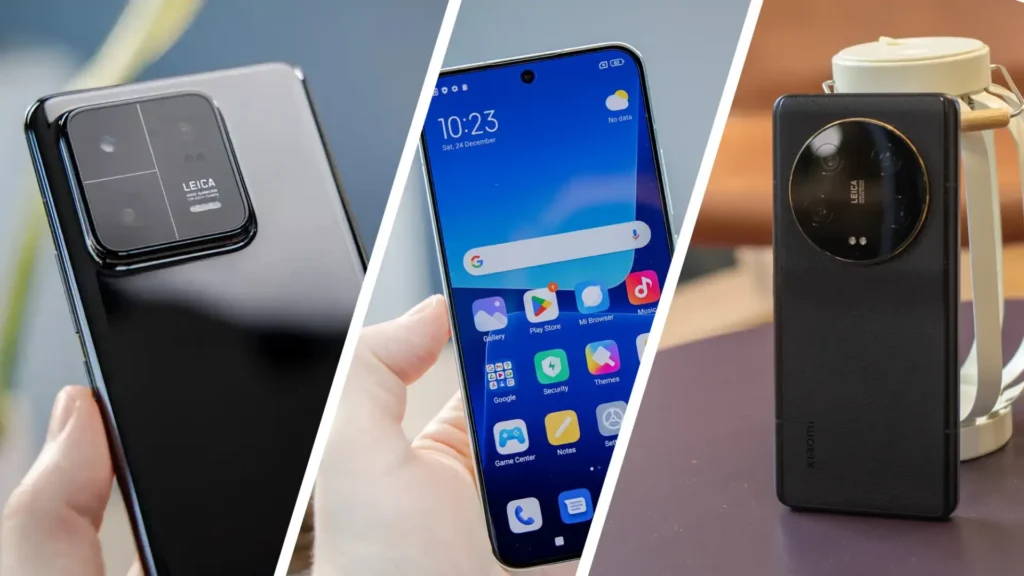
Image Source: Tech Advisor
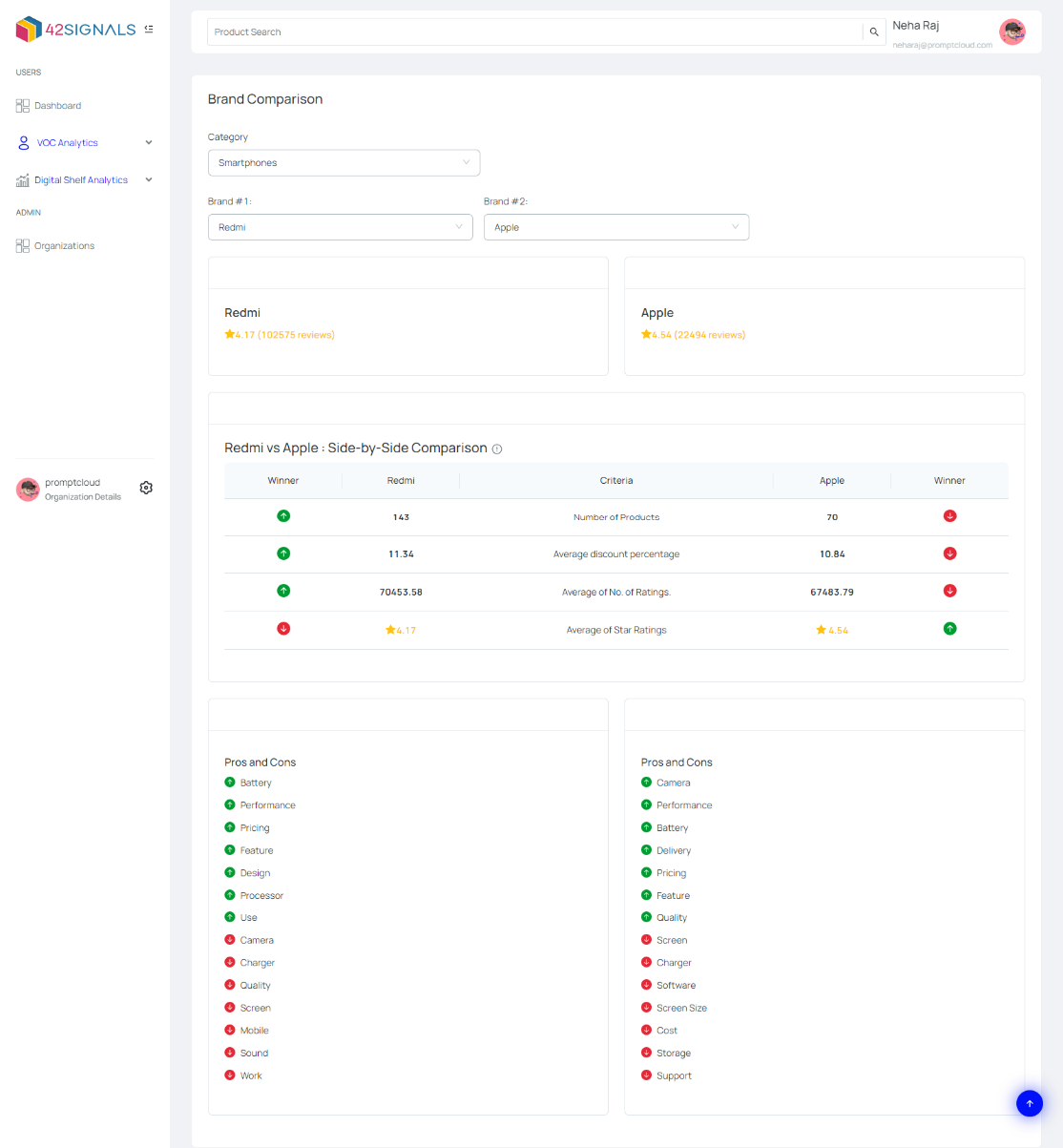
When comparing Xiaomi’s Redmi series – its most popular product line – to Apple, Redmi smartphones win in three out of four categories. Redmi offers a larger variety and a number of products and has a higher average discount percentage and higher average ratings compared to Apple. However, Apple performs better overall pertaining to the average star ratings for their products provided by the users.
The stars are based on each individual reviewer’s experience and opinion. Typically, star ratings range from one to five stars, with one star indicating a poor or negative experience, and five stars indicating an excellent or positive experience. Based on a combined score for all its products, Apple currently stands at 4.54 stars, whereas Redmi is rated at 4.17 stars. Therefore, Apple appears to be a better brand than Redmi when comparing its overall ratings.
How Xiaomi Gained Market Dominance
Xiaomi offers a diverse range of products under its brand umbrella in the Indian market. The company has several product lines other than the ones mentioned above, including the Xiaomi series, Mi Note series, Mi Max series, MIX series, and T series all of which are smartphones with varying features and specifications. In addition to smartphones, Xiaomi also offers a range of other consumer electronics, such as tablets, laptops, wearable devices, TVs, and routers, to name a few.
Xiaomi’s presence in the Indian market is not limited to smartphones and consumer electronics. The company is also making significant strides in the smart home devices market, competing with industry giants such as Google and Amazon. Xiaomi’s range of smart home devices includes products such as smart speakers, smart bulbs, smart cameras, and other home automation products.
According to a study by Red Quanta, Xiaomi has been ranked #1 for after-sales service in India. The study, which surveyed over 8,000 participants, found that Xiaomi smartphone users have the highest satisfaction rate at 85%, placing it in the top spot of the premium smartphone category. Notably, larger brands such as OnePlus, Apple, and Samsung trailed behind Xiaomi in the rankings.
Analysis by TechRadar shows Xiaomi’s top-rated phones for 2023 that include the Xiaomi 12 Pro, Xiaomi Mi 11, and Xiaomi Redmi Note 10 Pro. The Xiaomi 12 Pro is ranked as the #1 product on the list and has received a rating of 3.4 stars out of 5 via e-commerce insights from the 42Signals platform. The device has been praised for its impressive camera, fast charger, and excellent performance.

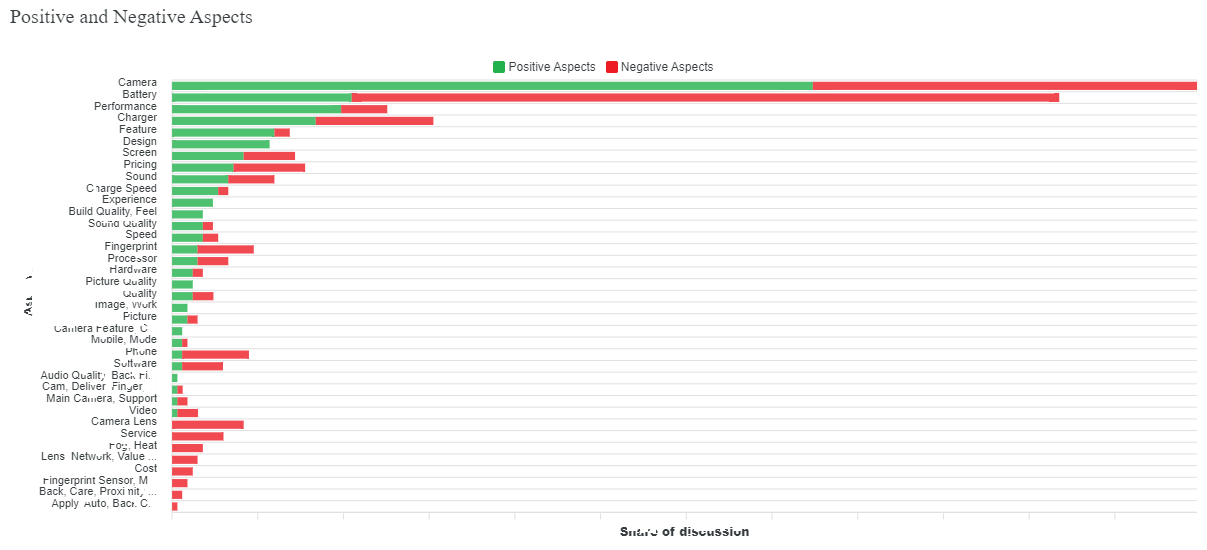
A closer Voice of customer analysis of the Xiaomi 12 Pro reveals that the camera is the standout feature of the device, receiving the highest share of positive sentiment (62%) among all features discussed. Customers are particularly impressed with the camera’s performance, which features a quad-camera setup and can capture high-quality images in various lighting conditions.
However, the battery life of the device is a significant concern for customers, receiving a negative sentiment score of 79%. This feature has the highest share of negative sentiment among all features discussed, with customers expressing disappointment with the battery’s performance and endurance. In contrast, the performance of the phone receives a positive sentiment score of 78%, indicating that users are pleased with the device’s overall speed and efficiency.
After-Sales Service: How Xiaomi Stacks Up Against Competition
Indian consumers are increasingly valuing after-sales service when choosing smartphone brands. Here’s how major brands compare in service quality:
Top-Tier Service Brands in India:
- Apple: Known for premium service experience but at premium costs
- OnePlus: Generally receives positive feedback for customer service
- Samsung: Extensive service network across India
- Xiaomi: Has significantly improved service quality, ranking #1 in some independent surveys
Xiaomi’s Service Improvements:
Recent initiatives like launching 10 premium service centers with improved repair speed demonstrate Xiaomi’s commitment to addressing past service complaints. Key improvements include:
- Faster turnaround time for repairs
- Transparent pricing for spare parts
- Expanded service network in tier 2 and tier 3 cities
Conclusion
Xiaomi has become a force to be reckoned with due to its smart marketing strategies and predominant focus on online retail. The company has gained a reputation for offering high-quality products with features typically associated with more expensive brands such as Samsung and Apple while keeping costs low.
Xiaomi’s unwavering commitment to offering high-quality products with innovative features has earned it a loyal customer base across all demographics. The company’s consistent performance in delivering smartphones that exceed customer expectations – advanced specifications, stylish designs, high-performing hardware – has helped build its reputation in the Indian smartphone market as a strong contender for smartphones and other consumer electronics items.
E-commerce insights have become increasingly valuable in today’s competitive market, as they can help companies identify gaps in their products and services and make targeted enhancements. While having a good product is important, it’s not enough in a market where multiple brands are vying for customer attention.
To stand out and build brand loyalty, companies need to leverage every possible advantage. E-commerce insights via a platform like 42Signals can help businesses understand customer behavior and preferences, identify areas for improvement, and fine-tune their marketing strategies to reach their target audience.
Frequently Asked Questions
Is Xiaomi an Indian company?
No, Xiaomi is a Chinese company headquartered in Beijing. However, it has deep roots in India with significant local manufacturing, Indian leadership, and products specifically designed for the Indian market.
When did Xiaomi enter India?
Xiaomi entered the Indian market in July 2014, starting with online-exclusive sales on Flipkart.
What is Xiaomi’s current market share in India?
Xiaomi typically alternates between the #1 and #2 position in the Indian smartphone market, with particularly strong presence in the budget and mid-range segments through its Redmi series.
How does Xiaomi’s after-sales service compare to other brands?
Xiaomi has significantly improved its after-sales service in recent years, with initiatives like premium service centers and expanded service networks. Independent surveys have ranked Xiaomi #1 in after-sales service satisfaction among smartphone brands in India.
What is the difference between Xiaomi and Redmi?
Xiaomi is the parent company, while Redmi is a sub-brand focused on budget and mid-range smartphones. Redmi phones are known for offering excellent value for money, while Xiaomi’s Mi series targets the premium segment.
Where are Xiaomi phones made for the Indian market?
Most Xiaomi phones sold in India are manufactured locally through partners like Foxconn, in line with the Indian government’s “Make in India” initiative.
How has Xiaomi maintained its popularity in India despite competition?
Xiaomi has maintained popularity through consistent value-for-money propositions, understanding local consumer needs, expanding into offline retail, and continuously improving after-sales service. Their strategy of offering premium features at accessible prices continues to resonate with Indian consumers.