


Global Pricing Strategy: How Currency Normalization and PPP Turn Raw Marketplace Data into ROI
The complexity of global e-commerce pricing is often obscured by a “black box” of inconsistent data. To truly compare regional price fairness and optimize global Return on Investment (ROI), businesses must move Beyond the Black Box and adopt rigorous data normalization techniques. This article explains how currency normalization and the use of Purchasing Power Parity (PPP) are essential tools for transforming raw marketplace data into comparable, near real time insights. We explore how leading digital shelf analytics providers, like 42Signals, enable competitive tracking and give brands the power to achieve pricing parity, maximizing profitability across all international markets. Understanding and applying these principles is the key to mastering your digital shelf and gaining a competitive edge through accurate ecommerce insights.
Why Raw Marketplace Data Misleads Global Pricing Decisions
In today’s interconnected world, your brand’s presence on digital marketplaces, often called the digital shelf, is your primary retail battleground. From Amazon to regional giants, these platforms generate a massive, continuous stream of marketplace data. This data encompasses everything from pricing and promotions to stock levels, product visibility, and customer reviews. For any brand operating globally, the sheer volume of this information presents both an immense opportunity and a significant challenge.
The opportunity lies in using this marketplace data tracking feed to make rapid, informed decisions that boost sales and protect brand equity. The challenge, however, is that this data is often messy, inconsistent, and, most critically, non-comparable across different countries and regions. A product selling for 100 USD in the United States and 90 EUR in France seems like a straightforward price difference, but is it actually cheaper or more expensive? Without a systematic way to level the playing field, businesses are left staring into a pricing “black box,” making strategic decisions based on incomplete or misleading information.
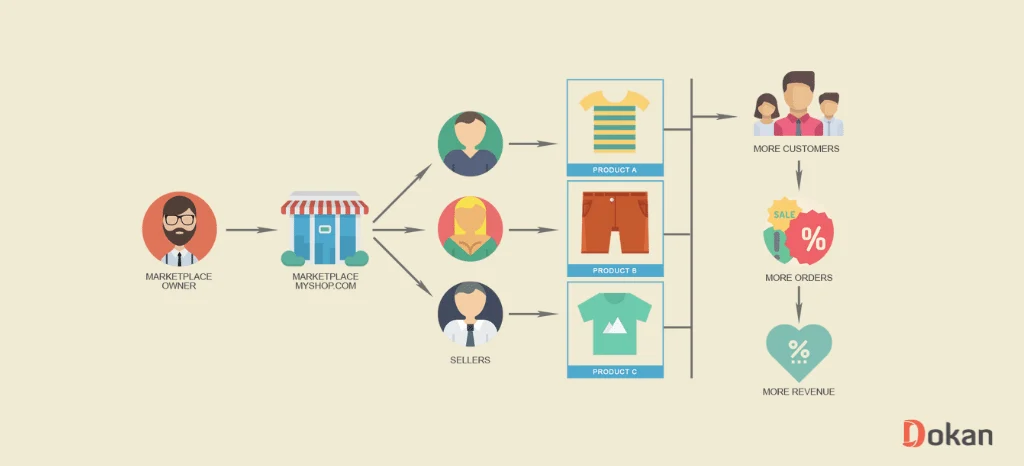
Image Source: Dokan
To move Beyond the Black Box and achieve meaningful Global ROI, brands must implement robust data strategies. This means moving past simple data collection and diving into the critical process of data normalization. This article will guide you through the essential techniques — namely, currency normalization and the application of Purchasing Power Parity (PPP) — that transform raw numbers into strategic, actionable ecommerce insights for superior regional price fairness.
Ready to transform your raw pricing data into clear strategic advantages? Discover 42Signals Digital Shelf Analytics Solutions and start normalizing your global data today
Currency Normalization: The First Step to Comparable Global Pricing
When you are tracking a competitor’s pricing or analyzing your own price floor across international markets, the first hurdle is simply the currency itself. A direct comparison using current exchange rates seems logical, but it only scratches the surface of the problem. This process of converting all local prices into a single base currency is known as currency normalization.
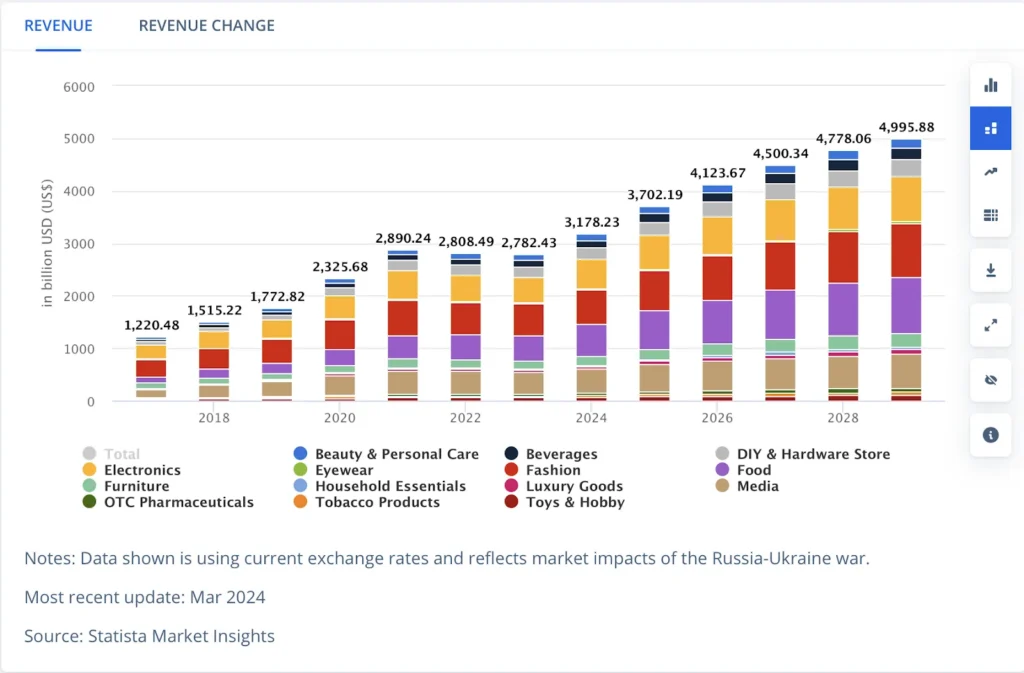
Image Source: Price2Spy
Why Simple Exchange Rates Are Not Enough for Accurate Comparison
The most basic form of currency normalization involves using the daily interbank exchange rate (like EUR to USD). While this provides a snapshot of the monetary conversion, it is highly volatile and ignores the economic realities within each country. For instance, if the Euro suddenly strengthens against the dollar, a price that was fair yesterday might look inflated today, even if the local price in France hasn’t changed. Relying solely on volatile exchange rates provides an unstable foundation for strategic decision-making. You need stability and true economic context to gain near real time insights that translate into long-term ROI.
How Clean Data Collection Makes or Breaks Currency Normalization
Effective currency normalization starts with meticulous, consistent data collection. Tools specializing in digital shelf analytics are necessary to capture pricing points, promotional activities, and competitor stock levels with high frequency. The best systems, often leveraging expertise like 42Signals platform, ensure that price points are timestamped and consistently formatted across all regions, removing common errors like including local taxes or shipping fees that might not be standard across all markets. Without this clean foundation, any normalization effort will be flawed.
For a multinational brand tracking a core product, the normalization process would involve taking the local price (e.g., 120 CAD in Canada, 85 GBP in the UK, 115 EUR in Germany) and converting all of them to a standard reporting currency, say USD, using a consistent, pre-defined exchange rate (perhaps a 30-day average, not the daily spot rate) to filter out transient market noise. This critical first step allows for a preliminary, apples-to-apples comparison, but to truly assess price fairness, we must go deeper.
Purchasing Power Parity (PPP): What It Is and Why Exchange Rates Alone Aren’t Enough
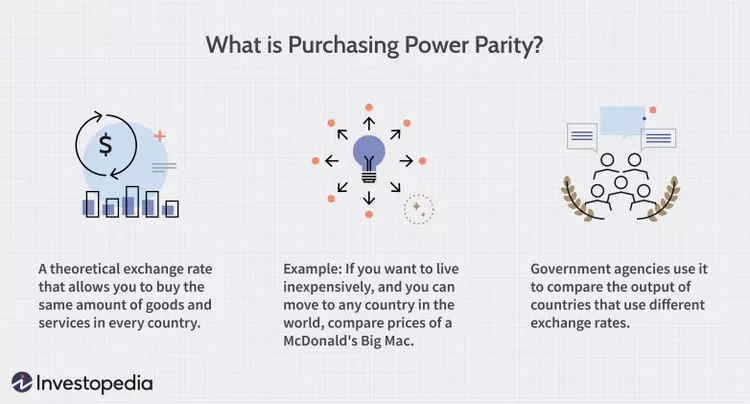
Image Source: Investopedia
To move beyond the limitations of simple currency normalization and truly understand price fairness, we introduce the concept of Purchasing Power Parity (PPP). PPP is a macroeconomic theory that allows for the comparison of economic productivity and standards of living between countries. Simply put, it asks: How much does it cost in local currency to buy the same basket of goods in different countries?
Defining Price Fairness with PPP
In the context of marketplace data and e-commerce, PPP is the crucial tool for determining true regional price fairness. A product is deemed regionally fair not when its exchange-rate-normalized price is the same everywhere, but when the local customer is paying a price that is equitable relative to their local purchasing power.
For example, a price of 50 USD for a gadget in the US might be considered affordable. If the PPP conversion suggests that 50 USD is economically equivalent to 400 Chinese Yuan in terms of local purchasing power, then a Chinese price of 450 Yuan would suggest the product is slightly more expensive for the average Chinese consumer, despite potentially appearing cheaper when simply converted using the daily exchange rate.
Incorporating PPP Data into Competitor Tracking
Effective competitor price tracking needs to incorporate PPP metrics. This allows a brand to see not just what a competitor is charging in different markets, but what that price means to the local customer. If your competitor consistently prices their product lower than the PPP-adjusted benchmark in a specific high-growth market, it signals an aggressive market penetration strategy, providing valuable ecommerce insights for your own pricing response.
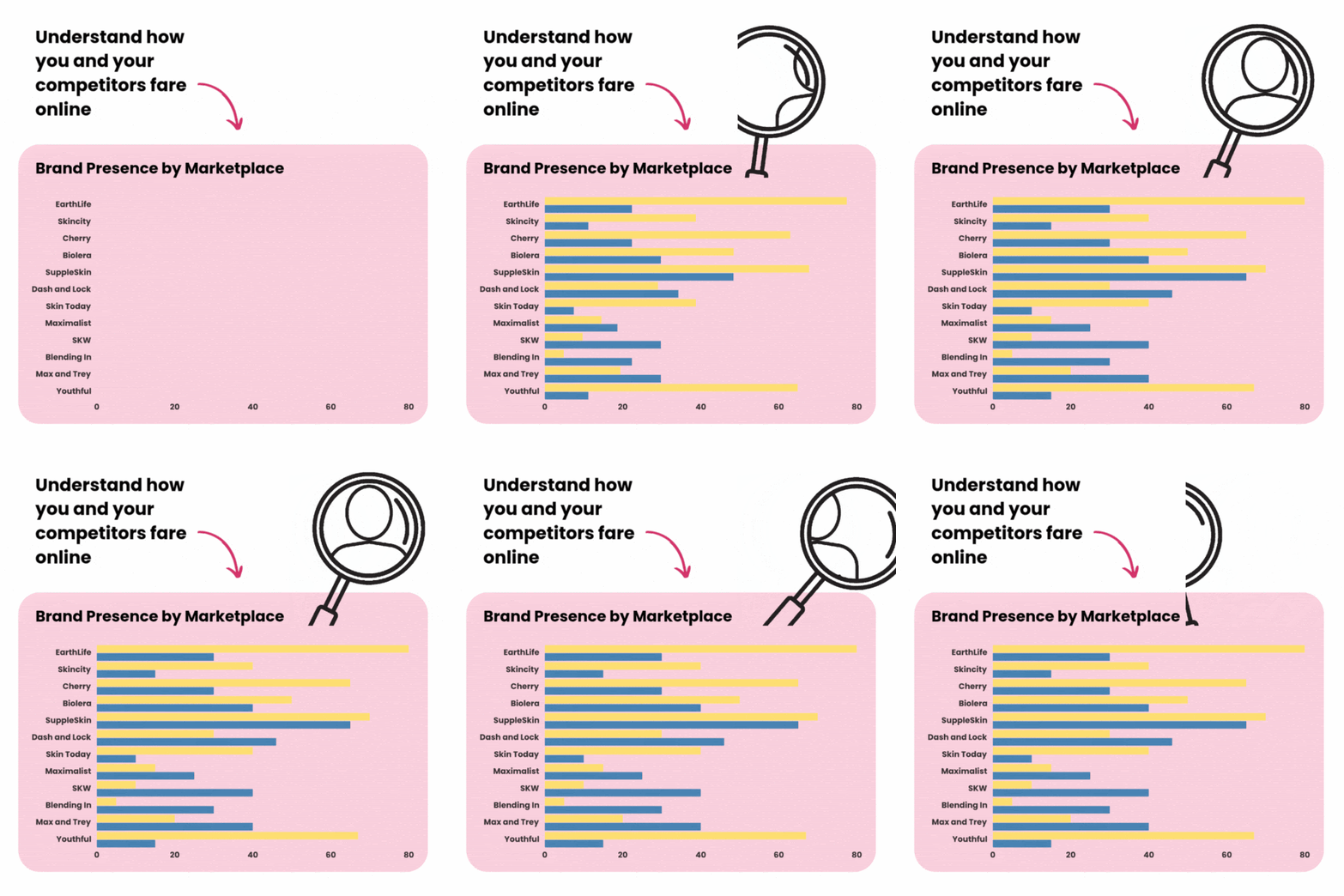
Brands utilizing advanced digital shelf analytics integrate readily available PPP indices (like those provided by the OECD or the World Bank) directly into their data reporting dashboards. This provides a normalized, PPP-adjusted pricing index, enabling executives to assess regional performance at a glance and make strategic adjustments to global pricing tiers.
According to data from the World Bank, the difference between market exchange rates and PPP conversion factors can be significant, often varying by over 20% in developing markets, highlighting why simple exchange rates are insufficient for global strategy. (Source: World Bank International Comparison Program, latest comprehensive report).
Beyond Currency: The Four Variables Every Global Price Normalization Must Address
Successful normalization requires a structured approach that goes beyond just currency and PPP. It involves standardizing several key variables found within the raw marketplace data.
Standardizing Product Identifiers and Attributes
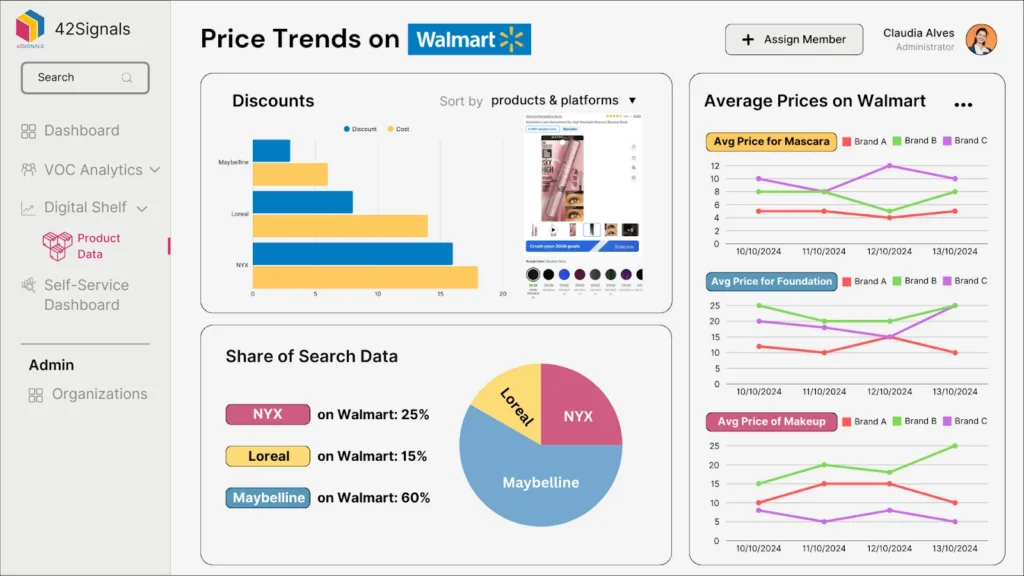
One of the biggest obstacles in achieving global comparability is the inconsistency of product identification. The same product might have different Stock Keeping Units (SKUs) or Product IDs across Amazon US, Amazon UK, and a local French e-tailer. A robust normalization process ensures that all data points, regardless of their source, are mapped back to a single Global Product ID (GPID). This unified view is essential for accurate competitor tracking and calculating true global inventory value.
Furthermore, product attributes like size, color, and packaging need to be standardized. A “jumbo pack” in one region might be a “family size” in another. Normalization cleanses this linguistic and structural variation, ensuring that you are comparing identical items, a core necessity for generating reliable near real time insights.
Normalizing Promotional and Discount Structures
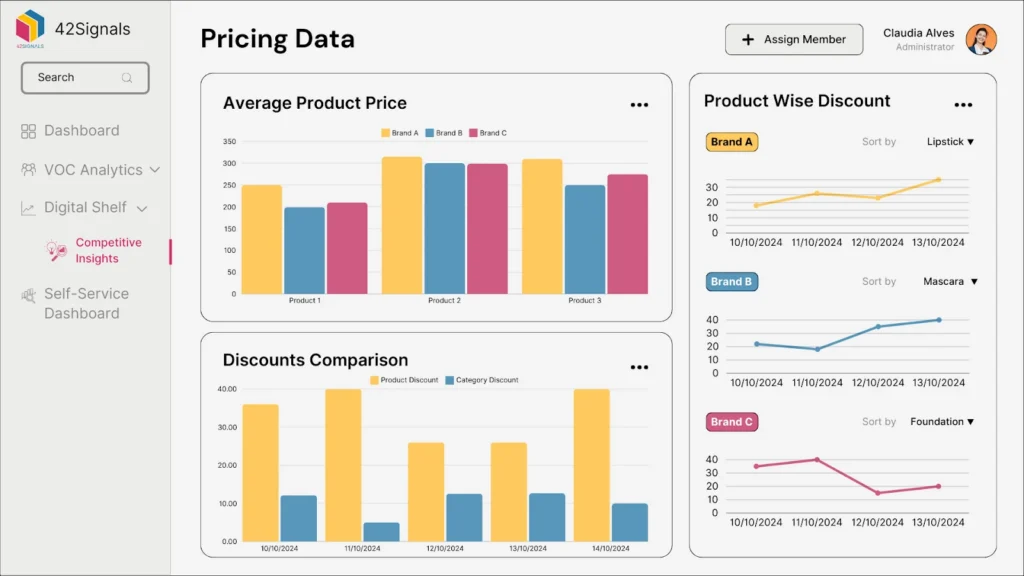
Discounts, sales, and promotional bundles are major components of marketplace data, but they vary wildly by region and can be understood with price benchmarking analytics. A “Buy One, Get One Half Price” promotion in Europe is structurally different from a “20% Off All Items” sale in North America. To normalize this:
- Calculate the Net Effective Price (NEP): The actual price the customer pays after all discounts are applied.
- Standardize the Discount Type: Classify the promotion into common categories (e.g., volume discount, percentage off, coupon).
By using the NEP and the standardized discount type, brands can use 42Signals platform to compare the true depth of price cuts being applied globally, allowing for targeted optimization of marketing budgets and preventing regional price wars that erode margins.
Handling Local Taxes and Fees
Sales tax, Value Added Tax (VAT), and other local duties are often included in the listed price on marketplaces. These taxes dramatically skew direct price comparisons. A best practice for normalization is to strip out all taxes and fees to arrive at the manufacturer’s suggested retail price (MSRP) equivalent before applying currency normalization and PPP adjustments. This guarantees that your comparison is based on the actual price of the good itself, not on local governmental fiscal policy. Learn more about MSRP and MAP pricing.
From Normalized Data to Action: Three Global Pricing Strategies
The effort put into normalizing marketplace data pays dividends by enabling superior strategic execution and maximizing global ROI.
Achieving Regional Price Parity and Fairness
The primary goal of normalization is to achieve regional price parity. This means ensuring that customers across the globe perceive your brand’s pricing as fair and consistent with MAP violation monitoring. Major discrepancies, easily identified through PPP-adjusted insights, can lead to negative customer perception, parallel importing (customers buying from a cheaper region), and channel conflict.
By monitoring the normalized data, a brand can set ‘guardrails’ for pricing. For example, a global brand might determine that no regional price, after PPP adjustment, should deviate by more than 5% from the global average price. This policy, backed by consistent, normalized ecommerce insights, protects brand value and optimizes profitability across the board.
Optimizing Global Promotion and Markdown Strategies
Near real time insights derived from normalized data empower marketing teams to fine-tune global promotions. Instead of launching a generic “20% off” campaign globally, the data can reveal which regions respond better to volume discounts and which require a deeper percentage cut to achieve the same sales lift. For example, analysis might show that a high-PPP market in Asia requires a 15% discount to achieve the same sales volume that a 10% discount achieves in a lower-PPP market in North America. This granular, normalized view minimizes unnecessary markdowns, directly boosting global ROI.
Enhanced Competitor Tracking and Response
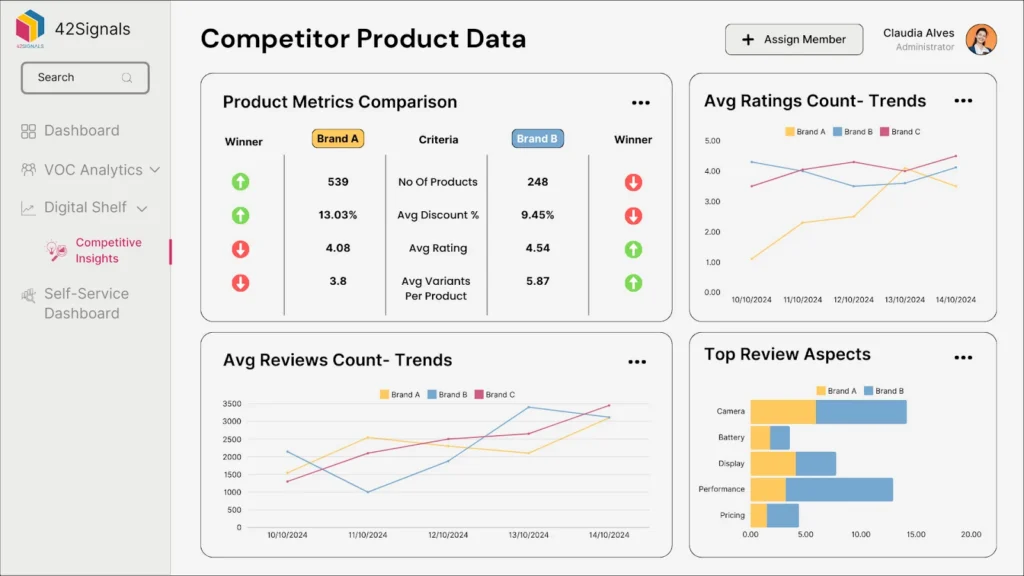
When your competitor tracking relies on normalized data, your response time and accuracy dramatically increase. You can quickly filter out market noise and see genuine, economically significant competitive movements with real-time competitor price intelligence. If a key rival drops their normalized, PPP-adjusted price by 8% in a specific country, it’s a red flag demanding an immediate strategic response, not just a casual observation based on fluctuating exchange rates. Providers of digital shelf analytics that specialize in this normalization make this response nearly instantaneous.
Are you tired of making critical pricing decisions based on incomplete, unnormalized data? Schedule a demo with our 42Signals platform experts to see how our normalization engine can unlock your global pricing strategy.
Implementing a Data Normalization Strategy with Digital Shelf Analytics
Executing a full data normalization strategy requires specialized tools and expertise. Here is a brief look at the process.
The Role of Specialized Digital Shelf Analytics Platforms
Modern e-commerce requires more than basic data scraping. Digital shelf analytics platforms are purpose-built to handle the scale and complexity of marketplace data. These ecommerce price monitoring tools automatically:
- Extract: Collect pricing, inventory, and promotional data across thousands of marketplaces and sites.
- Cleanse: Standardize product names, attributes, and filter out irrelevant data points.
- Normalize: Apply dynamic exchange rates and integrate macro-economic data (like PPP) for multi-layered normalization.
- Visualize: Present the resulting ecommerce insights in easy-to-digest dashboards.
The Power of 42Signals platform and Continuous Monitoring
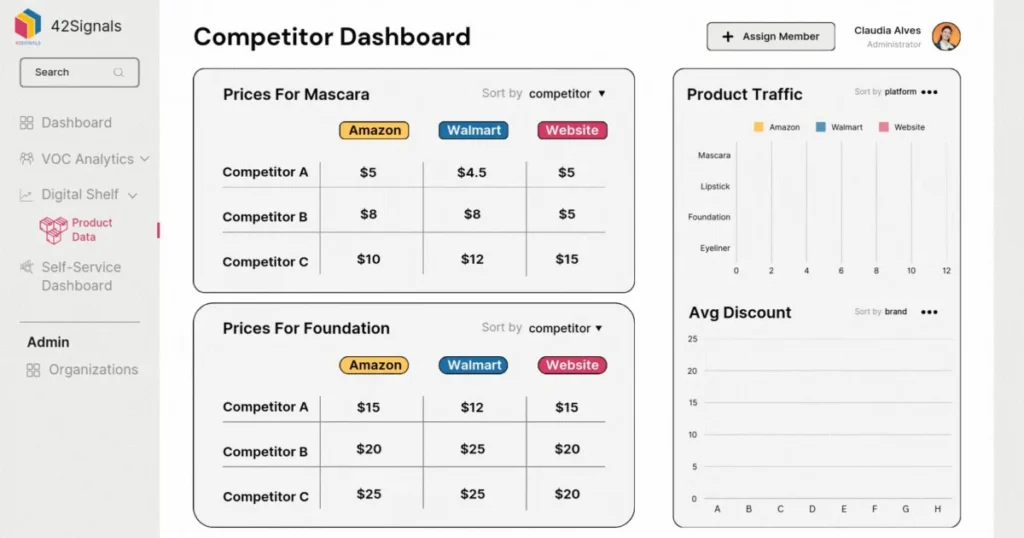
Platforms leveraging proprietary methods, such as 42Signals platform, often provide a competitive edge. Their continuous, high-frequency data collection enables the delivery of near real time insights, which is crucial in fast-moving e-commerce environments. A normalization strategy is not a one-time process; it requires continuous monitoring, as exchange rates, PPP factors, and competitor actions change daily.
This continuous cycle of data collection, normalization, analysis, and strategic adjustment is the foundation of high-performance global e-commerce. It transforms a brand’s approach from reactive price matching to proactive, globally optimized pricing.
Why Normalized Data Should Lead to Simpler, Not More Complex, Pricing Conversations
While the focus has been on rigorous data science, it is vital to maintain the human-centric approach mentioned earlier. Normalized data simply provides a better lens through which human decision-makers can view the global marketplace. The insights derived, though mathematically complex, should lead to simple, conversational discussions about customer value.
When a brand understands that a product is priced 10% above the local PPP-adjusted fairness index, the strategic conversation becomes clear: How can we adjust our offering or value proposition to justify this premium to the local customer? This return to fundamental business questions, facilitated by clean, normalized data, is the true goal of moving Beyond the Black Box. The goal is not just to have more data, but to have better, more contextually relevant data that allows for human empathy and better market strategy.
Securing Your Global Future with Normalized Marketplace Data
The path to maximizing global ROI in e-commerce is paved with clean, standardized, and normalized data. Moving Beyond the Black Box of raw, inconsistent numbers is a necessity, not a luxury. By diligently implementing currency normalization, factoring in Purchasing Power Parity (PPP), and leveraging high-quality digital shelf analytics like those offered by 42Signals platform, brands can gain unparalleled near real time insights into regional price fairness and competitor tracking.
The result is a globally cohesive pricing strategy that respects local economic realities while driving maximum profitability. Mastering the art of using standardized marketplace data is the single most important step a brand can take to secure its position on the global digital shelf and ensure its long-term commercial success.
FAQs: Frequently Asked Questions About Marketplace Data Normalization
1. What is the difference between currency normalization and PPP adjustment?
Currency normalization is the first step, simply converting all prices from their local currency (e.g., EUR, CAD, JPY) into a single base reporting currency (usually USD or EUR) using a defined exchange rate. This addresses the difference in monetary value. The PPP adjustment goes further. It incorporates Purchasing Power Parity, which adjusts the normalized price based on the relative cost of living and buying power in that specific country. This addresses the difference in economic value and determines true regional price fairness. Both steps are necessary to gain accurate ecommerce insights.
2. How often should a brand refresh its normalization factors, such as exchange rates or PPP data?
Market exchange rates are highly volatile and ideally should be tracked in near real time for operational purposes. However, for strategic currency normalization, using a rolling average (like a 30-day or 60-day average) helps filter out daily market noise. PPP indices, being macroeconomic indicators, are typically updated annually or semi-annually by organizations like the World Bank. Therefore, while marketplace data collection and competitor tracking should be continuous, the underlying PPP normalization factor can be updated less frequently.
3. What is a “digital shelf analytics” platform and how does it relate to 42Signals platform?
A digital shelf analytics platform is a specialized software solution that monitors and analyzes a brand’s presence across e-commerce channels (marketplaces, retailers’ websites). It automates the collection of crucial marketplace data, including pricing, stock, search rankings, and reviews. Providers like 42Signals platform offer advanced versions of these platforms that include sophisticated data cleansing and normalization features, enabling brands to move Beyond the Black Box and get reliable, ready-to-use ecommerce insights for strategic decision-making.
4. Why is tracking competitor pricing using normalized data more effective?
When you track a competitor using normalized data, you are comparing their true economic price position across markets, not a price distorted by temporary currency fluctuations or local taxes. This ensures that your competitor tracking is accurate and leads to smarter responses. If you only look at exchange-rate-converted prices, you might overreact to a price change that is merely a currency wobble. Normalized data provides the stable, strategic context necessary for effective competitive action, leading to better Global ROI.