

Businesses operating today have to stay competitive offline and online. Maintaining multiple channels that are lucrative can be challenging. When consumers interact with these platforms, all of them have to have a uniform presence. That’s the need for brand optimization and how it helps maintain omnichannel profitability.
Brand optimization with artificial intelligence (AI) can empower brands to streamline operations. It delivers a seamless customer experience and enhances how the audiences interact with the brand.
From digital shelf analytics to competitor analysis, AI helps businesses with a lot. Let’s explore a few ways how it makes brands stay consistent and competitive across channels.
Why Brand Optimization is Essential for Multi-Channel Success?
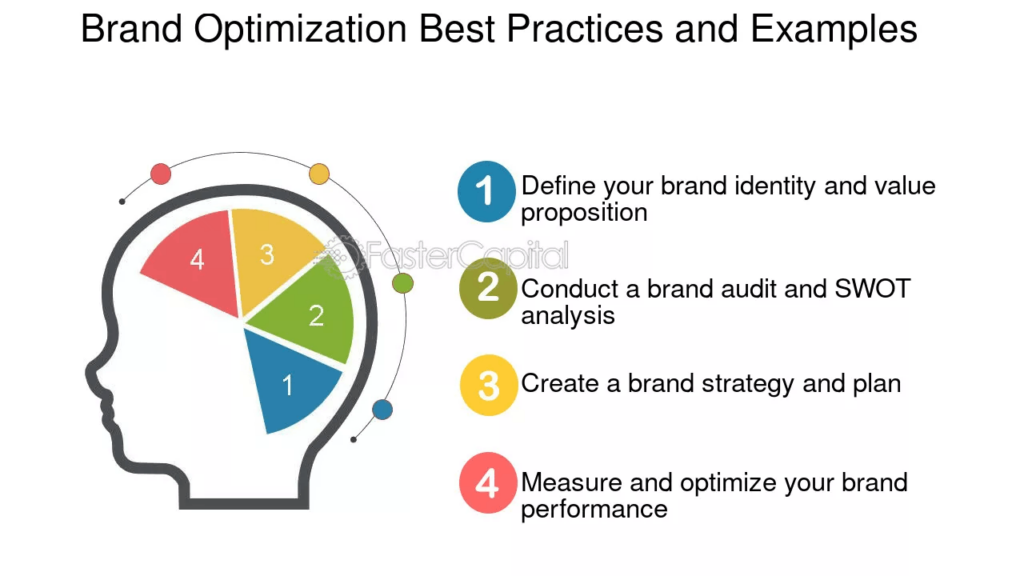
Image Source: Faster Capital
Brand consistency is the cornerstone of building trust and recognition. When a user interacts with a platform like Amazon, Instagram, or a physical store, they bring with them a set of expectations formed by previous interactions. A disconnect in messaging, visual identity, or tone can create cognitive dissonance, eroding trust and making the brand feel less reliable.
Achieving this seamless consistency, however, is a monumental challenge without set processes. Is your product description on your website the same as the one on Amazon? Do your social media visuals align with the aesthetics of your email campaigns?
With countless platforms, each with unique requirements, algorithms, and audience expectations, maintaining a unified front can feel like navigating a maze blindfolded.
This is where modern technology becomes a game-changer. Artificial Intelligence (AI), powered by machine learning and natural language processing (NLP), is revolutionizing brand optimization. These advanced technologies can automate and streamline the process of ensuring a cohesive presence.
AI can analyze and standardize product titles and descriptions across channels, ensure visual branding adheres to guidelines, and even help maintain a consistent brand voice, transforming a daunting operational burden into a manageable, scalable system.
Using Digital Shelf Analytics to Stay Ahead in Ecommerce

The digital shelf in simple terms is the equivalent of a physical store. The online counterpart. Digital shelf analytics powered by AI allows brands to take the right action by considering insights. This can be data from platforms like Amazon, Walmart, and Shopify.
By aggregating and analyzing data from sources like Amazon, Walmart, and Shopify, platforms like 42Signals provide a comprehensive, real-time view of critical metrics. This includes product ranking visibility, competitive pricing intelligence, inventory levels, and share of search.
For instance, if an AI dashboard alerts a brand that a best-selling product is out of stock on a major retailer’s site or is priced 20% higher than a competitor’s equivalent, the brand can act immediately.
Prices can be dynamically adjusted, and supply chain issues can be addressed before they catastrophically impact sales and market share. This constant vigilance on the digital shelf is not just about managing products; it’s about actively managing the brand’s most critical point of conversion.
Staying Competitive with Effective Competitor Analysis Strategies

Brands must understand the competition to improve their own offerings. Data from the category landscape can aid in understanding what’s the missing element. This could mean looking at gaps or learning about improvements. It could mean refining pricing or promotions. Launching new products by analyzing customer reviews.
Looking at an example, a food & beverage brand could consider market data to launch a new soda. This would mean understanding what customers like from competitors and creating it better. Flavors, price points, ingredients, etc. can all be analyzed to craft a product that will be a certain hit.
Leveraging Seller Intelligence to Gain a Competitive Edge
Seller intelligence is another area where AI is making a significant impact. It also affects the brand as sellers are another touchpoint for any online establishment. If businesses access this data, they will understand which seller performs well and the ones that don’t.

Reviews and customer opinions can inform what the issues are and what sellers underperforming. Such pain points can be immediately addressed to improve satisfaction levels.
AI can also detect map violations—instances where a product is being sold below the minimum advertised price (MAP). By identifying and addressing these violations, brands can protect their pricing integrity and maintain healthy relationships with retailers.
Boosting Brand Visibility with Share of Search Metrics
Share of search is an increasingly important metric for brands looking to gauge their visibility and market share. Simply put, it measures how often a brand appears in search results compared to its competitors.
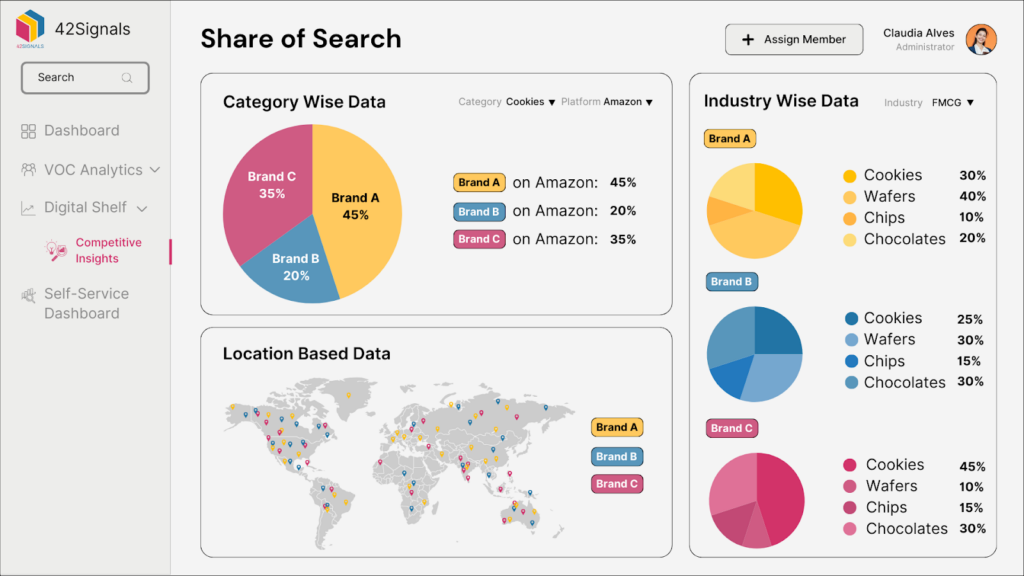
AI tools in brand optimization can analyze search data across multiple platforms, providing brands with insights into consumer intent and behavior.
For example, if a brand’s share of search is declining, it may indicate that competitors are outperforming them in terms of SEO, advertising, or product offerings. Armed with this information, brands can adjust their strategies to regain lost ground.
Simplify Data Management with Powerful Ecommerce Dashboards
One of the biggest challenges brands face is managing the sheer volume of data generated by their online activities. Ecommerce dashboards powered by AI simplify this process by consolidating data from multiple sources into a single, easy-to-use interface.
These dashboards provide real-time insights. It can be key performance indicators (KPIs) such as sales, traffic, and conversion rates. They enable brands to track the effectiveness of their marketing campaigns. Identifying trends also becomes easier.
Dashboards are required for brand optimization as we consider the brand as a whole. Every aspect must be streamlined and in accordance with the brand’s identity. If a particular product is performing well on one platform but underperforming on another, resources can be allocated effectively. This can optimize cross-channel strategies.
Protecting Your Brand Integrity by Preventing MAP Violations
Finally, brand integrity is inextricably linked to price perception. Minimum Advertised Price (MAP) policies are crucial for maintaining brand value, ensuring fair competition for retailers, and protecting brand equity. However, manually monitoring pricing across hundreds of online retailers is an impossible task. AI automates this compliance, continuously scanning the web to detect MAP violations in real-time.
If a retailer is found selling a product below the agreed-upon price, the brand receives an immediate alert and can take swift action. This proactive enforcement protects the brand’s premium positioning, safeguards retailer relationships, and ensures that the brand’s value is not eroded by unauthorized discounting. In the multi-channel arena, where price comparison is effortless for consumers, vigilant MAP enforcement is a non-negotiable aspect of brand optimization.
In conclusion, brand optimization for multi-channel success is a multifaceted discipline that integrates consistency, competitive intelligence, seller management, and data-driven agility.
By leveraging AI-powered tools, brands can transform the complexity of the multi-channel world into their greatest advantage, building a recognizable, trustworthy, and dominant presence wherever their customers may be.
Building a Cohesive Omnichannel Content Strategy
A truly optimized brand extends beyond consistent logos and colors; it requires a unified content narrative that adapts seamlessly across channels. An omnichannel content strategy ensures that the story you tell on Instagram Reels complements the detailed product information on your Amazon listing, which in turn echoes the educational tone of your email newsletter. This creates a synergistic effect, where each channel reinforces the others, guiding the consumer smoothly through the purchase funnel.
For example, a skincare brand might use TikTok to showcase quick, visually appealing “get ready with me” videos featuring a new serum. The same serum on its website would have in-depth blog posts about the science of its ingredients, while the product listing on Sephora’s site would highlight key benefits and user reviews that corroborate the TikTok claims. AI can help manage this by identifying which core messaging resonates most with audiences and ensuring those key value propositions are prominent everywhere. This strategic alignment prevents channel-specific silos and presents a single, powerful brand voice to the world.
Harnessing the Power of Customer Review Intelligence in Brand Optimization
Customer reviews are a goldmine of unstructured data in brand optimization, offering raw, unbiased insights into how your brand and products are perceived. AI-powered sentiment analysis can process thousands of reviews across multiple retailer sites to identify emerging trends, common praises, and frequent complaints. This goes beyond simple star ratings to understand the “why” behind customer sentiment.
A kitchen appliance brand, for instance, might discover through review analysis that while customers love the functionality of their new air fryer, many are consistently confused by a specific setting. This is not just a product issue; it’s a brand communication failure. The brand can then optimize its content by creating a targeted video tutorial for social media, updating the instructional manual, and working with retailers to add a clarifying bullet point to the product description. By actively listening and responding to review intelligence, brands can close the feedback loop, improve products, and demonstrate that they value customer input, thereby strengthening brand loyalty.
AI-Powered Brand Optimization: What’s Next for Businesses?
As AI continues to evolve, its potential to transform brand optimization processes is virtually limitless. From predictive analytics to personalized marketing, AI offers a wide range of tools that help brands stay consistent and competitive.
For example, AI can analyze historical data to predict future trends, enabling brands to stay ahead of the curve. It can also personalize the customer experience by delivering tailored recommendations and content based on individual preferences and behavior.
Moreover, AI can automate routine tasks such as inventory management and customer support freeing up resources. It also makes room for new opportunities and growth.
Localizing the Global Brand Experience
For brands selling across different regions and countries, optimization requires a nuanced approach to localization. A one-size-fits-all strategy can lead to cultural missteps and missed connections. Brand optimization must account for local preferences, languages, shopping holidays, and competitive landscapes.
AI and analytics play a crucial role here. They can help identify which product features are most important in Europe versus North America, or how a marketing message should be adapted for different cultural contexts. An ecommerce dashboard can segment performance by region, highlighting that a marketing campaign is underperforming in one country but excelling in another. This allows global brand managers to empower local teams with specific, actionable insights, ensuring the global brand identity remains consistent while its expression becomes locally relevant and effective.
Conclusion on Brand Optimization
Brand optimization across platforms has become a necessity. Consumers interacting with brands across multiple channels require consistency. This makes it critical to success.
42Signals is one such advanced ecommerce analytics tool that helps ecommerce businesses. Mainly optimizing brand presence and strategies across channels. This is met with data from these platforms that are timely and insightful.If you are curious to know about how we can help your brand, schedule a demo with us today.
Frequently Asked Questions on Brand Optimization
1. What is brand optimization?
Brand optimization is the process of refining how your brand appears and performs across all digital and physical touchpoints. It focuses on increasing visibility, consistency, and credibility to strengthen customer perception and engagement.
This involves optimizing elements such as:
- Brand messaging and tone
- Visual identity (logos, colors, packaging)
- Online presence (SEO, social media, content)
- Customer experience and reputation management
The goal is to ensure that your brand not only attracts attention but also builds trust and long-term loyalty.
2. What are the 5 C’s of branding?
The 5 C’s of branding help define and guide a brand’s strategic direction. They are:
- Clarity – Your brand message should clearly express what you stand for and what makes you different.
- Consistency – Maintain a uniform tone, style, and design across all platforms.
- Credibility – Deliver on your promises and back your claims with real value.
- Connection – Build emotional relationships with your audience through storytelling and engagement.
- Commitment – Stay dedicated to your brand values, even as market conditions evolve.
Together, these principles help create a strong, trustworthy, and recognizable brand identity.
3. What is the 3-3-3 rule in marketing?
The 3-3-3 rule in marketing is a framework designed to help businesses simplify and focus their communication. It generally refers to three sets of strategic focuses:
- Three audience segments you want to reach.
- Three key messages you want them to remember.
- Three ways you’ll deliver those messages (such as social media, email, or ads).
This approach keeps campaigns clear, concise, and memorable, ensuring that marketing efforts remain aligned with the brand’s core goals without overwhelming the audience.
4. What are the 4 types of SEO?
The four main types of SEO cover every aspect of optimizing a website for visibility and performance in search engines:
- On-Page SEO – Optimizing elements within your website, such as content, keywords, and meta tags.
- Off-Page SEO – Building authority through backlinks, brand mentions, and external engagement.
- Technical SEO – Improving site speed, crawlability, mobile responsiveness, and structured data.
- Local SEO – Enhancing your online presence for location-based searches (e.g., “near me” queries).
Each type works together to improve how your brand ranks, performs, and connects with audiences online.