

** TL;DR ** The fashion retailer StyleSphere partnered with 42Signals to overcome poor inventory planning caused by fragmented data and reliance on outdated historical forecasts. 42Signals implemented an advanced AI forecast solution that moved beyond StyleSphere’s internal sales, integrating real-time marketplace data, digital shelf analytics of competitors, and hyper-local dark store data. This holistic data strategy, powered by machine learning, led to a 32% improvement in forecasting accuracy within the first year, significantly reducing stockouts by 40% and cutting markdowns by 25%, proving that external market context is essential for modern inventory optimization and competitive advantage in fast-moving retail.
AI Forecast in the Fashion Retail Space
What’s the need for an AI forecast? Having the right stock, in the right place, at the right time, is the difference between a booming season and a warehouse full of unsold inventory. This balancing act is notoriously difficult. Traditional forecasting methods often rely on historical sales data, which, while helpful, can miss crucial, real-time demand signals. For a rapidly growing fashion retailer—let’s call them ‘StyleSphere’—this lack of precision was costing them dearly, leading to frequent stockouts on trending items and costly markdowns on slow-moving products.

Image Source: EU Startups
StyleSphere’s challenge was common in the industry: their existing system delivered decent forecasting accuracy, but it was prone to significant errors when dealing with new product launches or sudden market shifts. Their team struggled to keep track of true customer demand across all their channels, including their own e-commerce site, physical boutiques, and various third-party marketplaces.
They needed a serious upgrade, a system that could look beyond simple spreadsheets and historical trends to provide a clearer, more confident look into the future. That’s where 42Signals stepped in with its advanced AI forecast solutions. This case study details how this partnership resulted in a remarkable 32% improvement in forecasting accuracy, fundamentally transforming StyleSphere’s approach to inventory optimization.
See how an AI forecast transformed inventory planning for a leading fashion retailer—delivering 32% higher accuracy, 40% fewer stockouts, and real-time demand intelligence with ecommerce intelligence. Learn more about
StyleSphere’s Struggle: Missing the Mark on Demand Signals
Before engaging with 42Signals, StyleSphere faced a common but complex problem: data fragmentation. Their internal sales data, while rich, only told half the story. The other half—the crucial, real-time demand signals—was scattered across multiple external platforms and difficult to synthesize. They had visibility into their own stock levels via inventory tracking software, but predicting how much they would need was often based on educated guesswork.
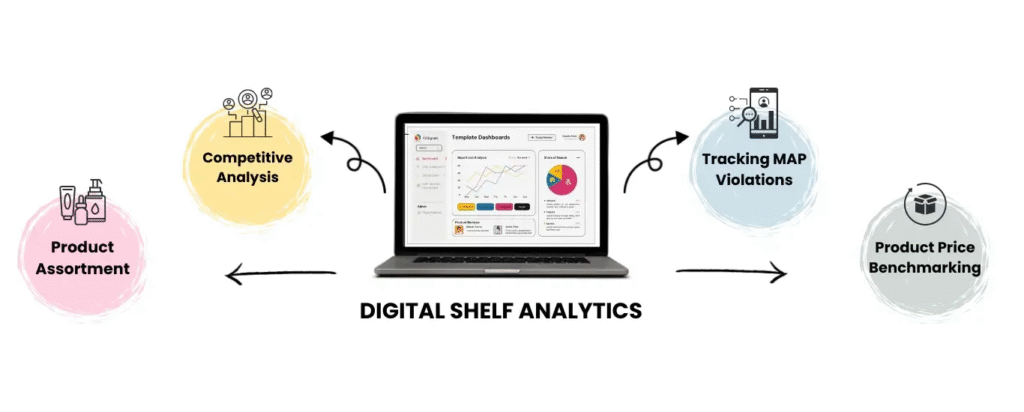
The process was manual and reactive. Analysts spent countless hours piecing together various reports, trying to correlate internal sales figures with external factors like competitor pricing, promotional activities, and trends spotted through rudimentary social media monitoring. The result was a forecast that was often late and inconsistent. For example, a sudden spike in a competing retailer’s sales of a specific style, visible through timely digital shelf analytics, might not register in StyleSphere’s system until they saw their own inventory levels drop critically low.
This lack of foresight led directly to two major financial drains:
- Lost Sales and Customer Frustration: During peak seasons, the delay in recognizing accelerated demand meant they couldn’t quickly reorder fast-selling items, resulting in stockouts and forcing customers to shop elsewhere.
- Excess Inventory and Margin Erosion: Overstocking on items that analysts thought would perform well, based on flawed projections, necessitated aggressive end-of-season markdowns, eroding profit margins.
StyleSphere recognized that for sustainable growth, they needed a predictive analytics ecommerce model powered by a robust AI forecast engine, one that could ingest and make sense of the overwhelming amount of external and internal data.
The 42Signals Solution: Integrating Marketplace Data for Superior Insights
The foundation of 42Signals’ approach was a shift from relying primarily on StyleSphere’s internal sales history to integrating comprehensive, real-time marketplace data and external ecommerce insights. They understood that true demand planning requires looking outward at the entire ecosystem, not just inward at past performance.
Data Synthesis: The Core of the AI Forecast
42Signals implemented a three-pronged data strategy:
1. Real-Time Digital Shelf Analytics and Competitor Monitoring
42Signals deployed a system that continuously monitored the digital shelf analytics of StyleSphere’s key competitors across major e-commerce platforms. This wasn’t just simple price checks; the system tracked competitor stock levels, new product introductions, promotional intensity, and customer review sentiment.
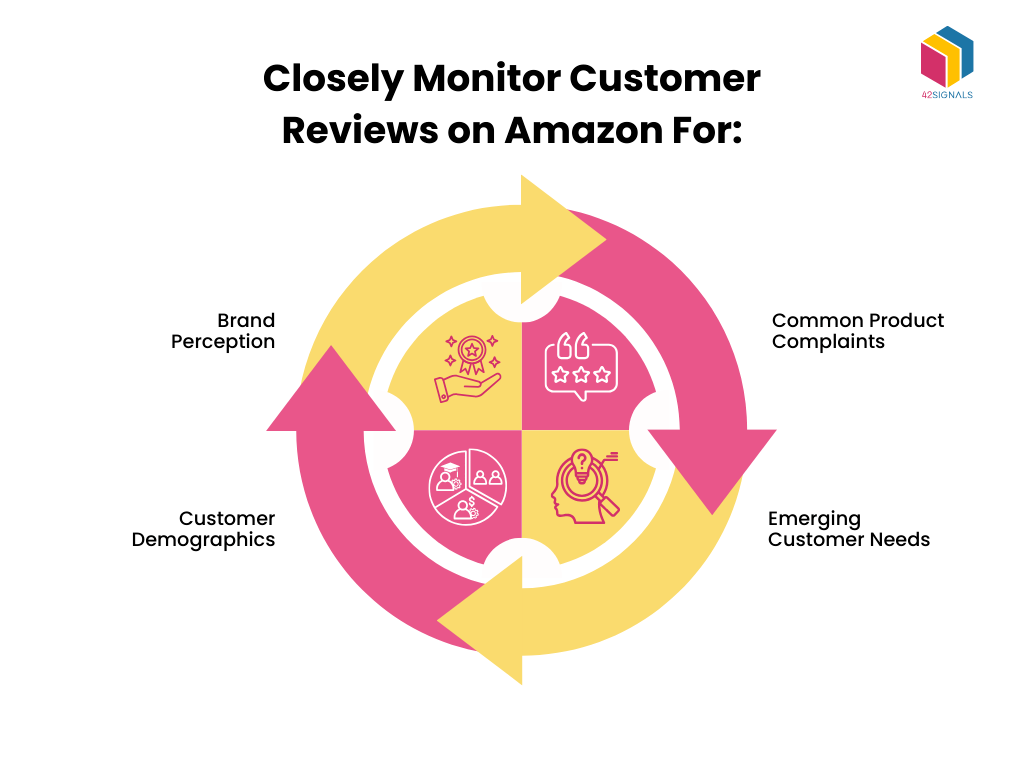
This provided critical context. If a competitor started running low on a specific fabric or color, StyleSphere’s AI forecast would automatically adjust its prediction for that category, suggesting an increase in order volume to capture the potential market share shift. This constant stream of external data transformed the forecasting model from a passive tracker into an active market predictor.
2. Incorporating Dark Store and Hyperlocal Signals
As StyleSphere expanded its fulfillment network to include smaller, local distribution centers, or ‘dark stores,’ the data generated from these hyper-local nodes became invaluable. 42Signals integrated dark store data into the forecasting model. This localized data, including highly granular delivery and fulfillment speeds, provided a micro-level view of demand that traditional regional forecasts missed.
For example, the AI forecast could now identify a spike in demand for winter coats in a specific city based on localized dark store data well before that trend aggregated into the national sales figures.
3. Deepening Internal Inventory Tracking and Product Availability Data
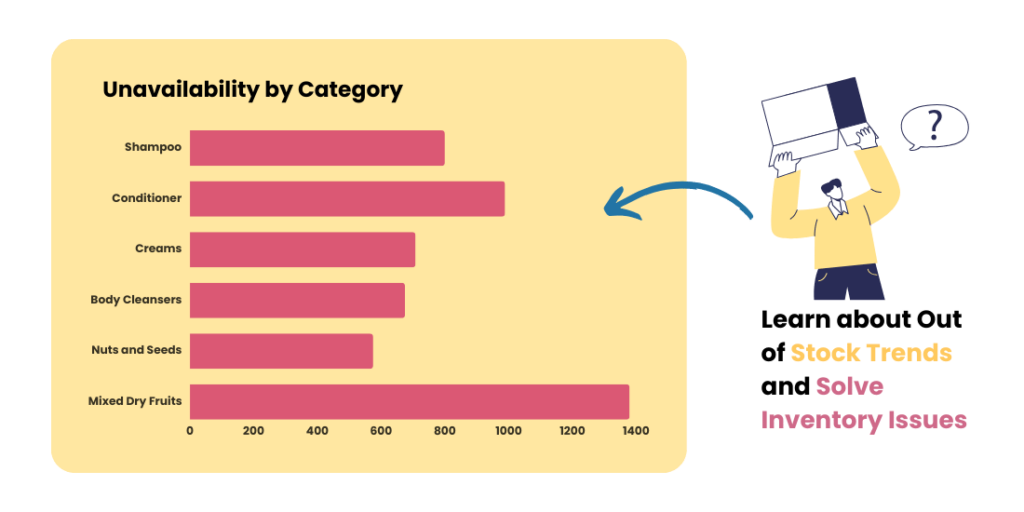
While external data drove prediction, internal data quality was also refined. 42Signals optimized StyleSphere’s existing inventory tracking systems to feed cleaner, more granular data into the AI forecast engine. This included not just simple stock counts but also lead times, in-transit inventory, and detailed product attributes. The combination of precise internal product availability data with expansive external marketplace data created a closed-loop system where the AI could not only predict demand but also precisely recommend supply actions.
Execution and Implementation: The Journey to 32% Improvement
The implementation phase focused on validating the new AI forecast models against historical data and then rolling them out cautiously.
Phased Rollout and Validation
The team initially ran the 42Signals AI forecast model in parallel with StyleSphere’s existing system for six months. This shadow period allowed the StyleSphere team to build trust in the new recommendations. A key feature of the 42Signals platform was its explainability—the ability to show why the AI made a certain prediction, often citing specific ecommerce report data points (like a competitor’s price change or a viral social media trend). This transparency was crucial for adoption among StyleSphere’s merchandise and planning teams.
| Milestone | Timeframe | Key Activity | Outcome/Result |
|---|---|---|---|
| Phase 1: Integration | Month 1-2 | Data mapping of internal inventory tracking and external marketplace data sources. | Unified data pipeline established for AI engine. |
| Phase 2: Shadowing | Month 3-8 | Running AI forecast in parallel with legacy system; A/B testing key product lines. | Identified 15% immediate improvement in accuracy over legacy system for tested lines. |
| Phase 3: Full Adoption | Month 9 | StyleSphere commits to using AI-driven forecasts for 70% of inventory planning decisions. | Achieved 32% overall improvement in forecasting accuracy by end of the year. |
The Role of Machine Learning in Inventory Optimization
The core mechanism behind the 32% accuracy boost was the machine learning model’s ability to find complex, non-linear correlations that human analysts could not. For instance, the AI forecast learned that for StyleSphere’s premium denim line, a drop in a specific competitor’s product availability correlated not only with an increase in StyleSphere’s sales but also with a willingness for customers to pay a higher price, indicating that demand was inelastic when supply was constrained elsewhere. This insight allowed StyleSphere to adjust pricing and promotional strategy dynamically, contributing significantly to better inventory optimization beyond mere stock counting.
Furthermore, the model’s continuous learning loop meant every new piece of ecommerce report data—every transaction, every stock update, every competitor move—immediately refined the next prediction. This responsiveness is the hallmark of a true AI forecast system and distinguishes it sharply from static, rules-based legacy systems.
The Results: A 32% Leap in Forecasting Confidence
The impact of the 42Signals AI forecast implementation on StyleSphere’s operations was transformative, culminating in a 32% improvement in forecasting accuracy within the first year of full deployment.
Financial and Operational Impact
The increased accuracy translated directly into tangible business benefits:
- Reduced Stockouts: StyleSphere saw a 40% reduction in out-of-stock incidents for their top 100 best-selling items, directly increasing potential sales. The real-time nature of the AI forecast, bolstered by detailed marketplace data analysis, meant the team could execute reorders faster and more confidently.
- Lowered Inventory Holding Costs: By avoiding overstocking, particularly on seasonal or trend-driven items, they reduced the need for deep markdowns by an estimated 25%. This improvement in inventory optimization freed up capital previously tied up in excess stock.
- Enhanced Team Productivity: The planning team, previously spending about 60% of their time compiling data, shifted their focus to strategic decision-making. The 42Signals platform provided the answers; the human team focused on execution and validating the insights derived from ecommerce insights.
Beyond the Numbers: Strategic Shifts
The implementation of the AI forecast also catalyzed strategic shifts within StyleSphere:
- Smarter Sourcing Decisions: With clearer forecasts, the merchandising team gained more leverage with suppliers. They could commit to larger, better-priced volumes for high-confidence items and reduce lead times for items where demand was volatile, requiring closer monitoring via inventory tracking.
- Optimized Dark Store Network: The integration of dark store data allowed StyleSphere to strategically adjust local inventory distribution. They began pre-positioning stock closer to areas predicted to have high demand, improving delivery speeds and customer satisfaction without incurring the cost of unnecessary transfers.
- Holistic View of the Digital Shelf: The constant stream of digital shelf analytics provided the marketing team with unparalleled ecommerce insights into pricing elasticity and competitor promotional strategies, enabling them to launch more effective campaigns aligned perfectly with product availability.
To put the 32% accuracy improvement in context, according to a 2024 retail operations report (Source: Industry Retail Analysts Q3 2024 Report), even a 10% improvement in forecast accuracy for a large retailer can typically lead to a 2-4% increase in operating profits. StyleSphere’s 32% leap positioned them far ahead of industry benchmarks, solidifying their competitive advantage.
Overcoming Challenges: Ensuring Trust and Adoption
One of the biggest hurdles in any digital transformation is user adoption. StyleSphere’s team was initially skeptical of relying on an AI forecast. To address this, 42Signals employed several strategies, focusing on making the system human-centric.
Ensuring Transparency and Explainability
The AI forecast platform included a feature that allowed StyleSphere planners to click on any prediction and see the top five data points influencing it. For example, a forecast suggesting a 15% increase in demand for a specific jacket might be attributed to: (1) a recent spike in searches, (2) a competitor’s stockout (based on marketplace data), (3) a successful micro-influencer campaign, (4) positive sentiment data, and (5) recent dark store data showing high local pickup volume. This transparency demystified the AI, turning it from a black box into a powerful co-pilot.
Seamless Integration and Training
42Signals ensured the new system integrated smoothly with StyleSphere’s existing ERP and inventory tracking systems. The training emphasized process changes rather than just software features. Planners were trained on how to react to the AI forecast—how to turn the ecommerce report insights and digital shelf analytics into actionable purchase orders and logistics plans. This focus on practical application accelerated the comfort level and competence of the entire planning team.

Future Outlook: The Continuous Evolution of AI Forecast
StyleSphere’s success story is not just about a one-time fix; it represents a commitment to continuous inventory optimization through advanced technology. The 42Signals platform continues to evolve, constantly integrating new data types and refining its machine learning models.
The next phase of the partnership is focused on integrating unstructured data, such as images and video, into the AI forecast to better predict trends based on emerging aesthetics and styles, further enhancing the predictive power beyond traditional data sources. They are also looking to utilize the granular product availability data generated by the AI to offer hyper-personalized promotions and delivery estimates directly to customers, promising further gains in customer experience and conversion rates.
The experience of StyleSphere demonstrates a fundamental truth in modern retail: relying solely on internal, historical data is no longer enough. The future belongs to businesses that master the art of combining internal visibility through precise inventory tracking with external, real-time context derived from deep marketplace data and comprehensive digital shelf analytics.
Ready to Take the Next Step?
See how our solutions can help you achieve your goals and drive measurable results.
Why AI Forecast is the New Standard for Fashion Retail
The collaboration between 42Signals and StyleSphere resulted in a monumental shift, achieving a 32% increase in forecasting accuracy. This case study illustrates the profound competitive advantage gained by leveraging sophisticated machine learning to process massive, disparate datasets. By moving beyond traditional methods and embracing a holistic view incorporating marketplace data, ecommerce report findings, and granular dark store data, StyleSphere has established a robust, predictive supply chain.
For any retailer struggling with the chaos of modern demand planning, the message is clear: the path to superior inventory optimization is paved with intelligent, human-like AI, like the solution provided by 42Signals. Schedule a demo with us to know more.
The investment pays for itself quickly through reduced markdowns and increased sales, making a compelling argument for others to follow StyleSphere’s successful lead. The meticulous analysis of the digital landscape through advanced tools offers not just an improved forecast, but a fundamental change in how a fashion business understands its market and manages its valuable stock.
Frequently Asked Questions
How is AI used in forecasting?
AI is used in forecasting to learn patterns from historical data and continuously update predictions as new signals arrive. In practice, teams use AI to improve three things that classic forecasting struggles with: nonlinear demand patterns, many drivers at once, and rapid change.
Common ways it’s applied:
Demand forecasting with more drivers: Models ingest sales history plus price, promotions, inventory, seasonality, holidays, competitor moves, and external factors (weather, events, macro) to produce better forecasts than “history only” baselines.
Probabilistic forecasting (not a single number): AI can output prediction ranges (quantiles) so planners can make inventory and staffing decisions based on risk tolerance, not just a point estimate.
Hierarchical forecasting: Forecast at SKU → category → brand → region levels while keeping totals consistent (useful for retail and supply chain).
Anomaly detection and regime shifts: Detect outliers (stockouts, data glitches, sudden demand spikes) and either correct them or flag them so they don’t poison the model.
Scenario forecasting: “If we drop price 8% next week” or “if lead time slips by 5 days,” estimate impact using causal features and simulations.
Automated retraining + monitoring: Forecasting AI is only useful if it’s monitored for drift and retrained when customer behavior or channels change.
What is the forecast for artificial intelligence?
If you mean “where AI is headed,” the most defensible forecast is about adoption, economics, and where AI gets embedded, not one single number.
What credible sources are signaling:
Broad enterprise adoption is already mainstream and rising: Stanford’s AI Index reports that a large share of organizations reported using AI in 2024 (78%, up from 55% the year before).
Business value expectations are huge: McKinsey estimates generative AI could add $2.6T to $4.4T annually across use cases they analyzed.
More “agentic” software is expected inside enterprises: Gartner predicts a jump in enterprise software including agentic capabilities by 2028 (33% of enterprise software apps), with agentic AI making a meaningful share of day-to-day work decisions.
Investment momentum remains strong: The AI Index highlights major private investment levels and continued acceleration in funding and usage trends.
Practical forecast (what this means operationally through 2026–2030):
AI shifts from “chat” to workflow ownership (agents + automation), but only where data quality, controls, and auditability exist.
Companies will differentiate on unit economics of AI usage (cost per outcome, not “AI features”).
Domain-specific and task-specific models will proliferate because they’re cheaper, more controllable, and easier to govern.
What is the 30% rule in AI?
The “30% rule in AI” is not a formal law or scientific standard. It’s an adoption heuristic that shows up in industry commentary: start by automating roughly a third of a workflow (the most repeatable, measurable tasks), keep humans responsible for the rest, and expand automation only after quality and governance prove stable.