

Actionable Insights for Your Flipkart Listings
If you are a brand manager in India, you probably spend a lot of your time worrying about how your products look on the digital shelf. You know that Flipkart is the second largest marketplace in the country, and for many categories, it is the primary place where your customers go to shop. However, there is a very common and frustrating problem that many sellers face. You might have great products, fair prices, and plenty of stock, but for some reason, your Flipkart listings are simply not showing up when people search for them. This invisibility is not a matter of bad luck. It is usually caused by specific keyword gaps that allow your competitors to steal your traffic and your revenue.
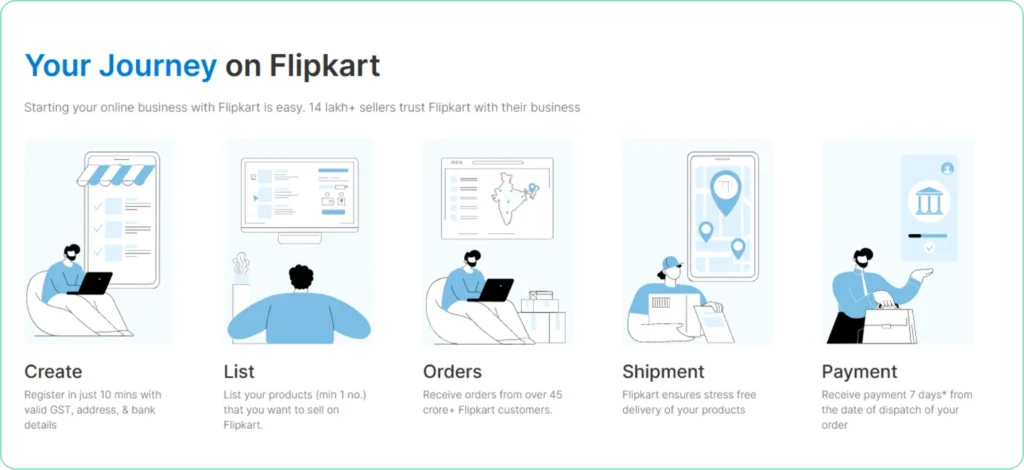
Image Source: Easebuzz
In this guide, we are going to talk about why your Flipkart listings might be hidden from view. We will look at how the Flipkart search algorithm works and why your listing quality score matters so much for your success. Most importantly, we will show you how to find the missing words that your customers are actually typing into the search bar so you can fix your Flipkart listings once and for all. By the time you finish reading this, you will have a clear plan for Flipkart listing optimization that helps you regain your rank and grow your sales.
Why Your Flipkart Listings Are Not Showing Up
When your Flipkart listings do not appear in search results, it is often because of a low listing quality score. This score is a metric that the platform uses to decide which products are the most relevant for a specific query. It looks at several factors, including your keyword density, the quality of your images, and your historical conversion rate. If the algorithm thinks another product is a better match for what the customer wants, it will push that product to the top and hide yours.
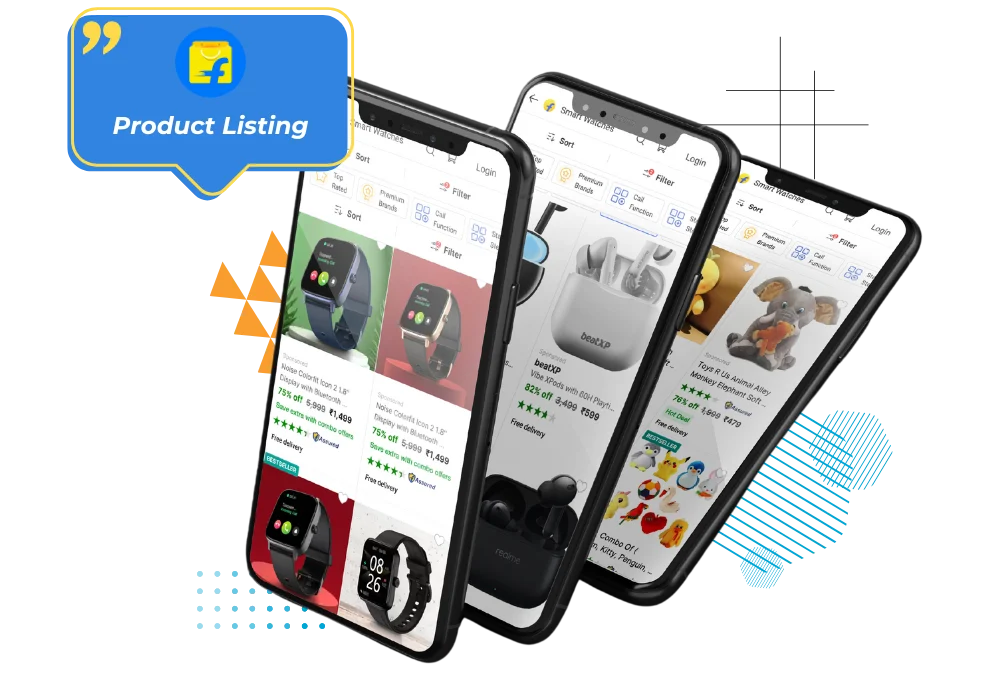
Image Source: Gonukkad
One of the biggest reasons for a poor score is a lack of Flipkart keyword ranking for the terms that actually matter. You might be ranking for your brand name, but if you are not appearing for generic category terms, you are missing out on the majority of the market. For example, a brand selling kids’ toys might be very visible for their own name, like “ToyPlus,” but they might have a massive gap for a term like “kids slide for home”. This means that every time a parent searches for a slide, they see the competitor first.
To fix your rank, you have to understand the nuances of Flipkart search. The platform uses a very specific set of rules to index your content. If you stuff too many words into your title, you might get penalized. If you use too few, you will not have enough relevance. Finding the right balance is the key to successful Flipkart listing optimization. It is about speaking the language of your customer while also satisfying the requirements of the search engine.
Understanding the Concept of a Keyword Gap
A keyword gap is essentially a missed opportunity. It happens when your competitor ranks for a term that you are completely ignoring in your own Flipkart listings. These gaps are dangerous because they are often invisible to you unless you are actively looking for them. You might think you are doing well because your sales are steady, but you could be missing out on a huge spike in traffic simply because you did not realize people were using a new search term.
There are usually three types of gaps that affect your Flipkart product visibility. The first is a total gap, where you do not rank at all for a high-volume word that your competitor owns. The second is a rank gap, where you both appear for a word, but your competitor is in the top three while you are at the bottom of the page. The third is a content gap, where your listing mentions the keyword but does not provide the information the customer is looking for, leading to a bounce.
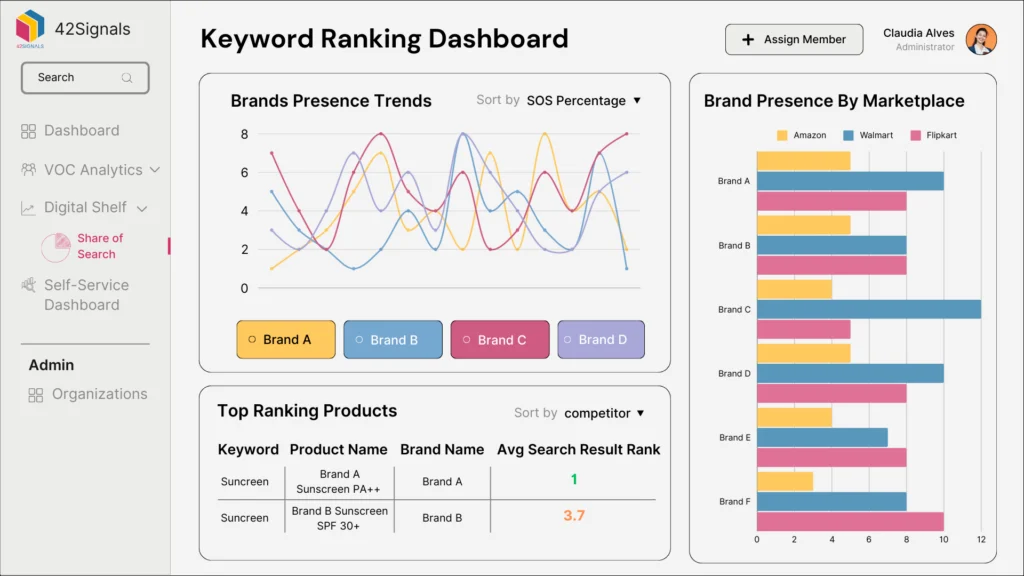
By using a keyword rank tracker, you can start to see these patterns clearly. You can compare your Flipkart listings against your rivals and see exactly where they are beating you. This is the first step toward a more proactive strategy where you are not just reacting to sales drops but actively working to take market share away from others.
The Cost of Poor Flipkart Product Visibility
When your Flipkart listings are not visible, the cost is much higher than just a few lost sales. It affects your entire brand health on the platform. If your visibility drops, your conversion rate usually follows, which then lowers your listing quality score even further. This creates a downward spiral that is very hard to break. The longer you stay invisible, the more data the algorithm collects, saying that your product is not relevant, making it even harder to climb back up.
Poor visibility also means your marketing budget has to work much harder. If you are not getting organic traffic to your Flipkart listings, you have to spend more on sponsored ads to get any eyes on your products. This eats into your margins and makes your business less profitable. On the other hand, brands that have a high share of search often find that their ad spend is more efficient because their organic presence is already so strong.

Book a demo with 42Signals → and we’ll show you a real-time keyword gap analysis for your category on Flipkart.
Real Examples of Flipkart Listing Optimization Success
Let us look at a real-world scenario to see how this works in practice. Consider a brand like ToyPlus that sells kids’ play equipment on Flipkart. They noticed that their sales for “baby slides” were starting to dip, even though their product reviews were excellent. When they performed a gap analysis on their Flipkart listings, they realized that competitors had started using more specific long-tail terms like “sturdy indoor slides for toddlers” and “plastic slide for kids”.
By updating their content to include these phrases, they were able to improve their Flipkart keyword ranking significantly. They did not just add the words; they made sure the keywords were woven naturally into their product descriptions. This improved their relevance in Flipkart search and helped them climb back to the first page. Within a few weeks, their organic traffic had increased by nearly 30%, proving that small changes in content can lead to massive results.
Another example comes from the appliance industry. A brand like Voltas might want to track their flipkart listings for items like air conditioners. In a crowded category like home appliances, being invisible for even one day during a summer sale can cost millions in revenue. By tracking their share of voice and identifying pricing or keyword gaps early, they can adjust their strategy in real time to stay ahead of the competition.
How to Conduct a Keyword Gap Audit for Your Brand
Finding the gaps in your Flipkart listings requires a structured approach. You cannot just guess what people are searching for; you need real data from the marketplace. The first step is to identify who your real competitors are. These are not always the biggest brands in your industry. In terms of search, your competitors are whoever is currently occupying the top spots for the keywords you want to own.
Once you have a list of competitors, you can use digital shelf analytics to see every word they are ranking for. You should look for terms where they have high visibility, but your Flipkart listings are nowhere to be found. Create a list of these terms and prioritize them based on how likely they are to lead to a sale. High-intent words, like those that mention specific features or use cases, are usually more valuable than broad category terms.
After you have your list, it is time to update your Flipkart listings. Start with your titles, as these carry the most weight in the search algorithm. Then move to your bullet points and product descriptions. Make sure you are maintaining a healthy keyword density on Flipkart without making the text hard to read. Your goal is to convince both the algorithm and the human shopper that your product is the perfect solution to their problem.
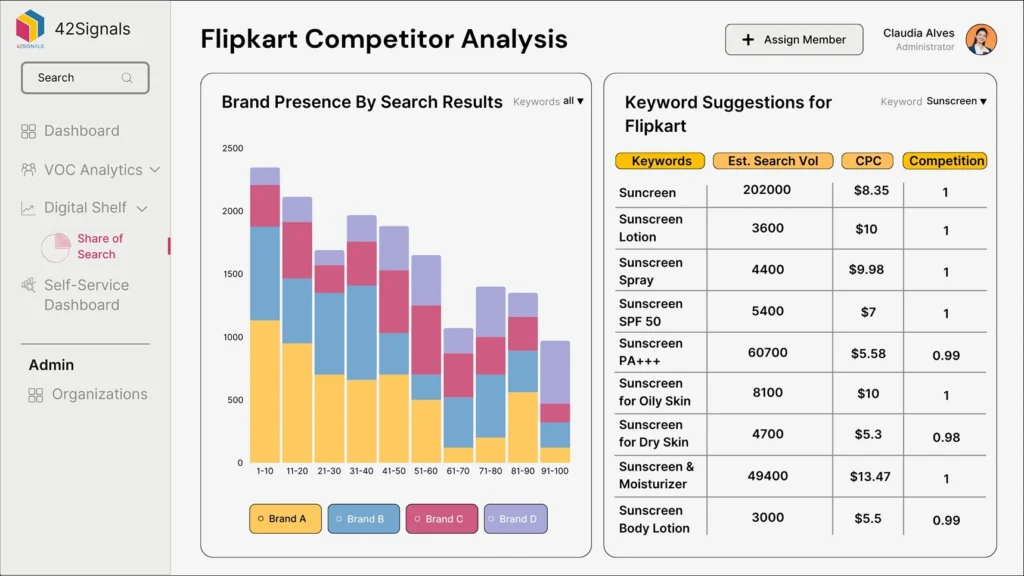
42Signals tracks keyword rankings and listing quality signals across Flipkart in real time — showing you not just where competitors rank, but how their visibility has shifted over the past 30 days and whether their gains are organic or sponsored. This means your gap audit is based on live marketplace data, not a monthly snapshot.
The Role of Listing Quality Score in Search Rank
Your rank is not just about keywords; it is also about the overall quality of your Flipkart listings. The platform rewards sellers who provide a great experience for the user. This means your images need to be high-resolution and show the product from multiple angles. It also means your pricing needs to be competitive. If your price is much higher than similar products, the algorithm might lower your visibility because it predicts a lower conversion rate.
You also need to pay attention to your competitor price intelligence to ensure you are not being undercut. If a rival brand drops their price and starts getting more clicks, their flipkart listings will quickly move past yours. Monitoring these shifts allows you to stay competitive and protect your hard-earned rank.
| Metric | Why it Matters for Flipkart Listings |
|---|---|
| Keyword Relevance | Ensures your product matches the specific search terms used by shoppers. |
| Image Quality | High-quality visuals lead to better click-through rates and higher quality scores. |
| Pricing Alignment | Being priced correctly for your category helps maintain a high conversion rate. |
| Stock Availability | Being in stock is critical; out-of-stock items lose their rank almost immediately. |
Managing Keyword Density in Your Flipkart Listings
One of the biggest mistakes sellers make is trying to trick the algorithm by repeating the same word over and over. This is known as keyword stuffing, and it is a quick way to get your Flipkart listings penalized or even removed. The modern Flipkart search engine is very sophisticated. It can tell when you are writing for a robot instead of a person. Your keyword density Flipkart should feel natural and should never get in the way of a clear, persuasive product story.
A good rule of thumb is to aim for a density of about 1 to 2 percent for your primary term. For your Flipkart listings, this means you might mention your main keyword in the title, once in the first few lines of your description, and perhaps once more in your technical specifications. This is enough to tell the search engine what the product is without making the customer feel like they are reading a list of tags.
Focusing on semantic keywords is also a great strategy. Instead of just repeating “flipkart listings,” you can use related terms like “product catalog,” “online storefront,” or “item details.” This helps build a broader relevance profile for your product and can help you rank for a wider variety of searches. This holistic approach to Flipkart listing optimization is much more effective in the long run than trying to chase a single magic word.
Improving Your Flipkart Keyword Ranking Over Time
Building a strong rank is a marathon, not a sprint. You cannot just update your Flipkart listings once and expect to stay at the top forever. The marketplace is constantly changing. New competitors enter the market every day, and consumer trends shift with the seasons. To maintain your Flipkart keyword ranking, you need to be constantly monitoring your performance and looking for new gaps.
We recommend doing a deep dive into your search data at least once a month. Look at which of your Flipkart listings are gaining ground and which ones are slipping. If you see a sudden drop in visibility, investigate it immediately. It could be that a competitor has launched a new marketing campaign or that the algorithm has changed how it weights certain factors. By staying on top of these trends, you can keep your brand at the forefront of the digital shelf.
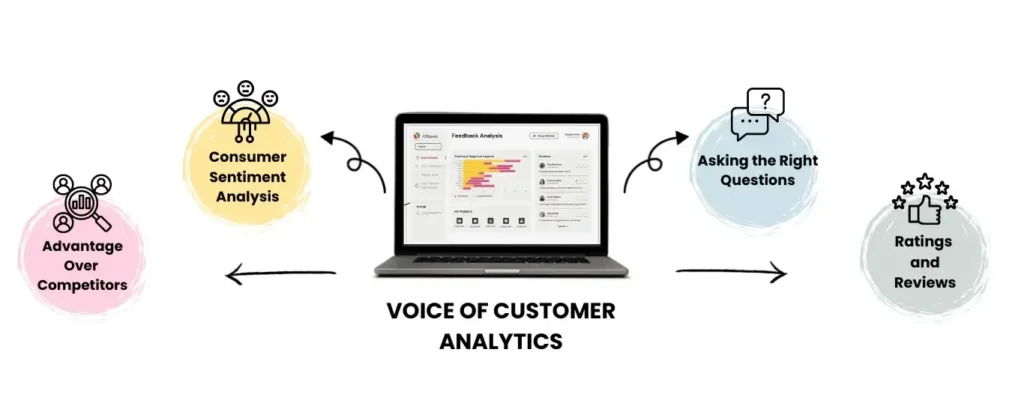
If you want to understand how the customers feel about your products and use that data to improve your listings, our voice of customer analytics can provide the deep insights you need.
How 42Signals Identifies Keyword Gaps Across Flipkart in Real Time
The best way to solve visibility issues is to move away from guesswork and start using data. Enterprise brands often track thousands of SKUs across multiple platforms, and they do not do it manually. They use advanced tools that can scan the entire marketplace and highlight exactly where their Flipkart listings are falling behind. This level of insight allows them to act faster than smaller competitors and capture more of the market.
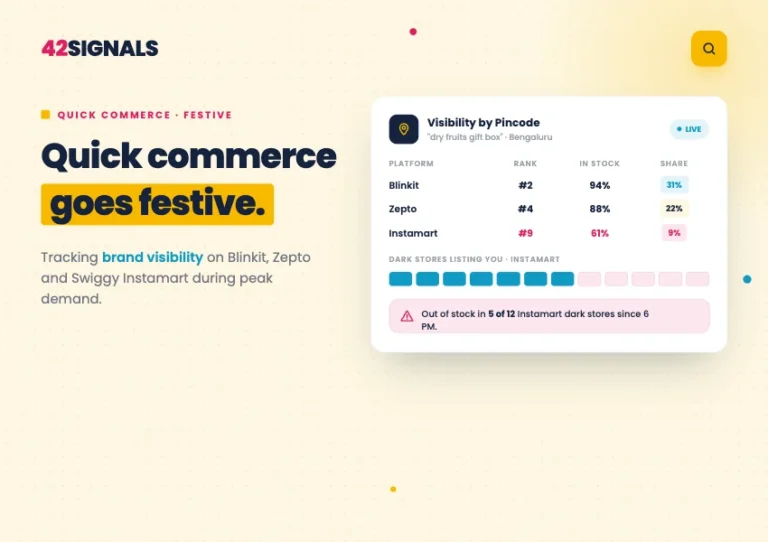
For example, a brand might find that they are losing visibility on Flipkart but winning on other platforms like Blinkit or Zepto. By comparing their performance across the quick commerce digital shelf, they can see if their problem is platform-specific or if it is a broader issue with their product content. This cross-platform intelligence is vital for any brand that wants to dominate the Indian ecommerce landscape.
A typical monitoring setup for a brand on Flipkart can cost around ₹10,000 per month per platform. This investment often pays for itself many times over by identifying lost sales opportunities and improving the efficiency of your Flipkart listing optimization efforts. When you know exactly which keywords to target, you can stop wasting time on terms that do not convert and focus your energy on the ones that do.
The Future of Flipkart Search and Listing Quality
As we look toward the future, we can expect Flipkart search to become even more personalized. The algorithm will likely start looking more at individual shopper behavior, such as what products they have looked at in the past and what they have bought. This means that your Flipkart listings will need to be even more targeted and relevant to stand out.
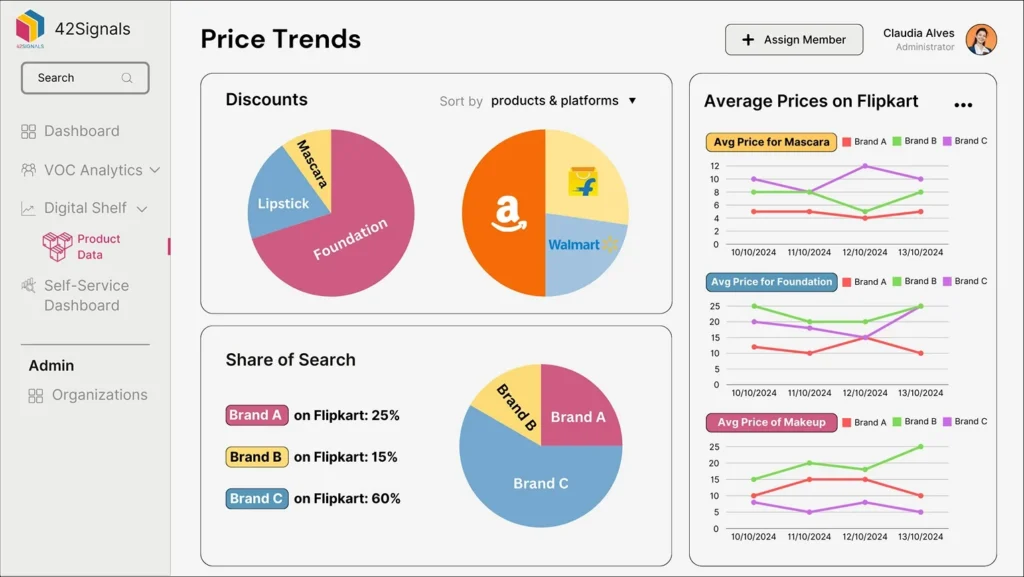
Artificial intelligence will also play a larger role in how content is indexed and ranked. This makes it more important than ever to have a clean, high-quality data foundation for your Flipkart listings. Brands that invest in better content today will be the ones that are best positioned to thrive as the marketplace evolves. By fixing your keyword gaps and focusing on the quality of your listings, you are not just solving a short-term visibility problem; you are building a resilient brand for the future.
Take Control of Your Flipkart Listings Today
In summary, having invisible Flipkart listings is a problem that you can solve with the right data and a bit of effort. By focusing on Flipkart listing optimization and identifying the keyword gaps that are helping your competitors, you can improve your rank and win back your customers. Remember that your listing quality score is the heartbeat of your visibility on the platform, and every piece of content you create should be designed to improve that score.
Do not let your competitors own the digital shelf. Take a proactive approach to managing your Flipkart listings by tracking your performance daily and making adjustments based on real marketplace signals. If you stay committed to providing high-quality content and competitive pricing, your Flipkart keyword ranking will eventually reflect that hard work. Visibility is the first step toward growth, and with the strategies we have discussed today, you are well on your way to dominating Flipkart.
If you are ready to stop guessing and start growing, you can learn more about how we support brands on major marketplaces by visiting our share of search page.
Frequently Asked Questions About Flipkart Listings
Why are my flipkart listings not appearing even for my brand name?
This usually happens if your brand name is also a common word or if you have a technical error in your listing setup. It could also be a sign of a very low listing quality score where the algorithm has effectively “de-indexed” your product for being irrelevant or poor quality. You should check your seller dashboard for any policy violations or quality warnings that might be affecting your flipkart product visibility.
How many keywords should I include in my flipkart listings?
There is no fixed number, but you should aim to include your primary keyword and 3 to 5 secondary keywords that describe the most important features of your product. The goal of Flipkart listing optimization is to be comprehensive without being repetitive. Make sure every word you include serves a purpose for either the search engine or the customer.
Does changing my price affect my Flipkart keyword ranking?
Yes, it can. Flipkart’s algorithm considers conversion rate as a major factor in ranking. If you raise your price and your sales drop, the algorithm may decide your product is less relevant for that search term and lower your rank. Conversely, a well-timed discount can boost your sales and help your Flipkart listings climb the search results.
How often does Flipkart update its search index?
The index is updated very frequently, often in real time or daily. However, it can take a few days for changes to your Flipkart listings to be fully reflected in your search rank. This is why it is important to monitor your visibility consistently rather than just checking it once and assuming it will stay the same.
What is the ideal keyword density for Flipkart for a product title?
Your title is your most valuable piece of real estate. You should include your main keyword once, ideally near the beginning. You do not need to repeat it. The ideal keyword density flipkart for the title is simply having the word present in a clear and readable format that explains exactly what the product is.