
Why Sentiment Trends Matter for Modern Ecommerce Success
Tracking sentiment trends is the most effective way to understand what your customers are actually feeling at any given moment. Most brands wait until their sales drop or their star ratings crash to realize something is wrong, but by then, it is often too late to save their reputation. By watching how customer sentiment trends shift in real time, you can spot product defects or brand perception changes before they become major problems. This guide will show you how to use sentiment analysis ecommerce tools to turn raw feedback into a clear roadmap for your business growth.
What Are Customer Sentiment Trends? (And Why They Matter for Ecommerce)
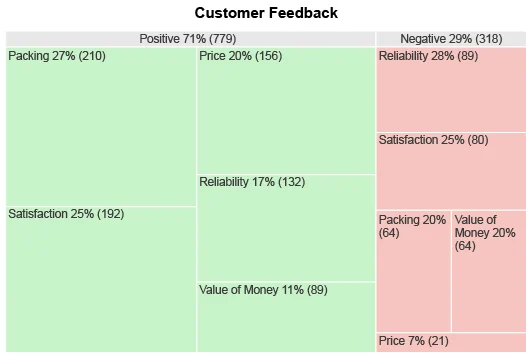
Image Source: Chart Expo
At its most basic level, a sentiment trend is the movement of customer emotions over a specific period of time. It is not just about a single review or a one-time survey score, but rather the collective “mood” of your audience as they interact with your products on various marketplaces. When we talk about sentiment trends, we are looking at the patterns that emerge when you aggregate thousands of comments, ratings, and social mentions.
In the world of sentiment analysis ecommerce, these trends are usually categorized as positive, negative, or neutral. A sudden spike in negative sentiment trends might indicate a manufacturing issue, while a steady climb in positive sentiment could mean your latest marketing campaign is really resonating with your core audience. Understanding these shifts allows you to move away from guesswork and start making decisions based on actual human emotions.
The Difference Between Snapshot Satisfaction and Long-Term Trends
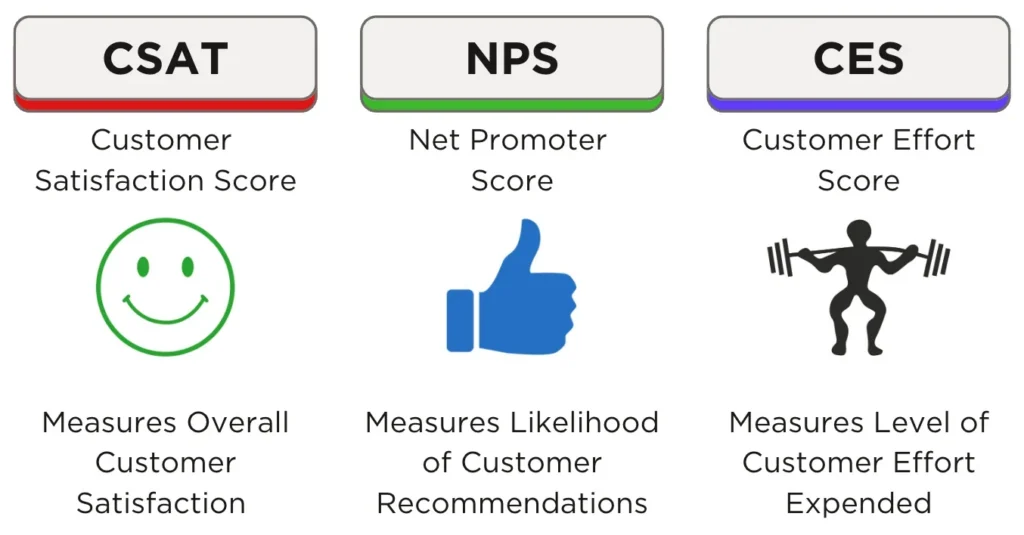
Image Source: CMS Wire
It is important to distinguish between simple customer satisfaction (CSAT) and broader sentiment trends. While CSAT might tell you how happy a customer was with a specific delivery today, it does not tell you if they still love your brand a month later. Sentiment trends are more like a movie than a single photograph, showing you the full story of the customer journey and how their feelings evolve as they continue to use your products.
By tracking these movements, you can see if a “good” rating is actually hiding a slow decline in brand loyalty. For example, a product might maintain a 4-star average, but the underlying review sentiment trends could show that people are becoming increasingly frustrated with a specific feature. Catching this early allows you to fix the problem before that 4-star rating eventually drops to a 3-star rating.
Using Review Sentiment Trends to Build a Better Product Roadmap
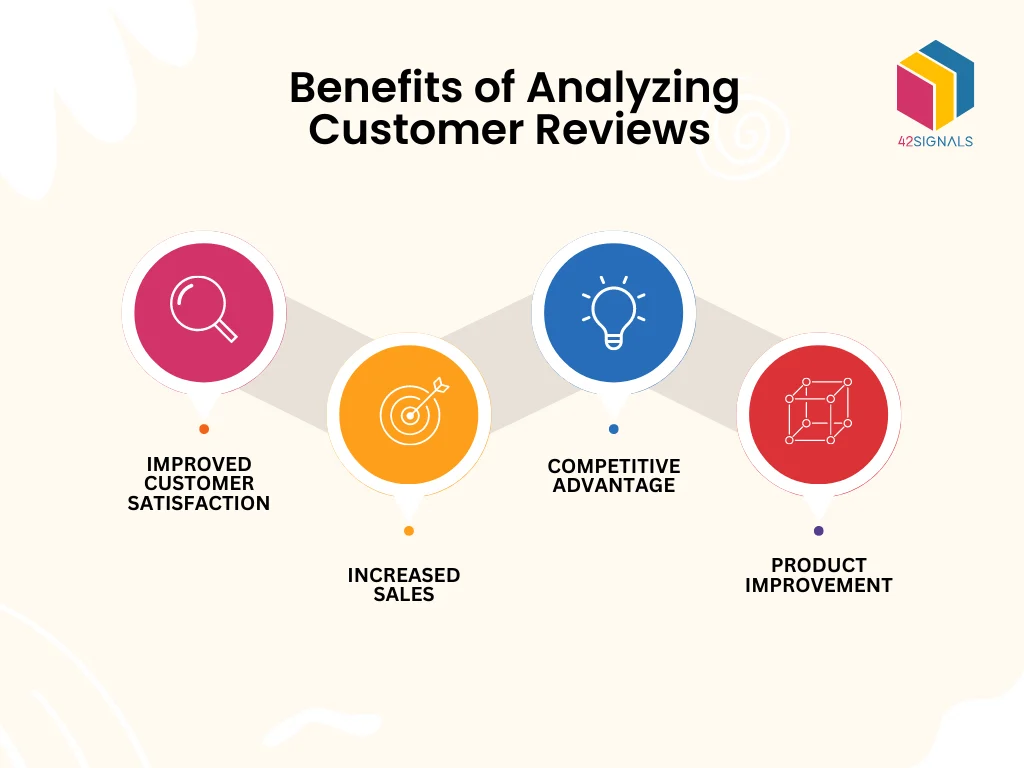
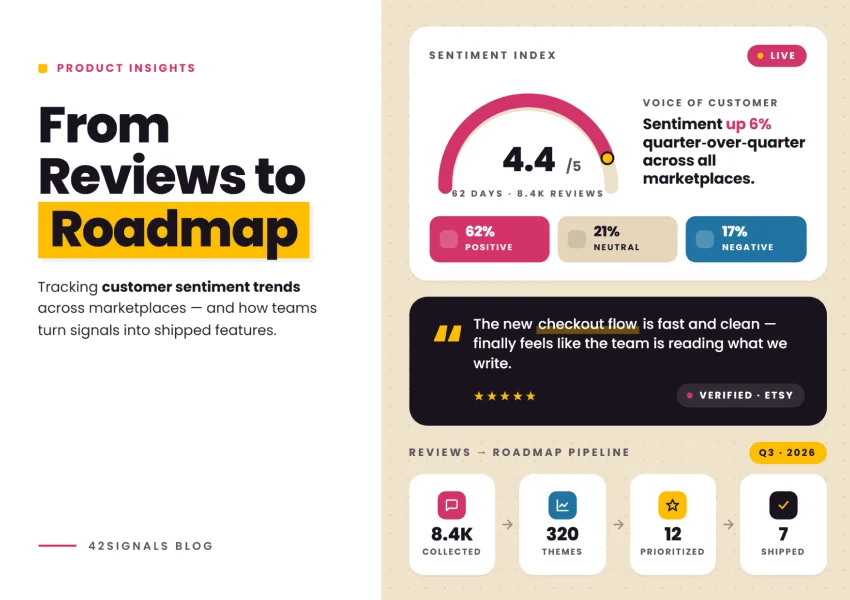
Every review left on a marketplace like Amazon or Walmart is a tiny piece of data that can help shape your future business strategy. When you analyze review sentiment trends at scale, you can see exactly which features are driving the most joy and which ones are causing the most friction. This process turns your “Voice of the Customer” into a literal instruction manual for your product development team.
When you notice consistent sentiment trends regarding a specific pain point, it becomes clear where your next investment should go. Instead of guessing which new features to add, you can let the review data tell you what your customers are already asking for in their own words. This approach ensures that your roadmap is always aligned with the actual needs of the people who pay for your products.
Identifying Product Defects Before They Go Viral
One of the most powerful uses of brand sentiment tracking is the ability to catch manufacturing or shipping issues in their infancy. Imagine you launch a new skincare serum and, within the first week, your sentiment analysis ecommerce tools flag a surge in keywords like “leaking” or “broken cap.” By acting on these sentiment trends immediately, you can stop the faulty batch from reaching more customers and prevent a viral PR crisis.
Many successful brands use this data to issue proactive refunds or recalls before the negative feedback reaches a tipping point. This level of responsiveness builds incredible trust with your audience, as they see that you are listening and that you care about their experience. It transforms a potential disaster into a demonstration of your brand’s commitment to quality.
Understanding the Importance of Customer Sentiment Analysis
To truly master your market, you must understand the importance of customer sentiment analysis for your specific niche. Different industries have different emotional drivers, and what works for a fashion brand might not work for an electronics company. Tailoring your tracking to your specific category is essential for getting accurate results that you can actually use.
The Strategic Framework for Tracking Brand Sentiment Tracking
To get the most out of your data, you should use a balanced framework that looks at both prompted and unprompted feedback. We often call this the “Inside-Out vs. Outside-In” approach, and it is a cornerstone of effective sentiment analysis ecommerce. Using both types of data gives you a 360-degree view of your brand health that you simply cannot get from surveys alone.
Alt Text (Image 1): A table comparing prompted and unprompted customer sentiment trends.
| Type of Data | Source of Information | Why It Matters |
|---|---|---|
| Prompted (Inside-Out) | Surveys, NPS scores, and focus groups | This data is structured and easy to compare over time, giving you a steady benchmark for your internal goals. |
| Unprompted (Outside-In) | Reviews, social media rants, and forum posts | This data captures raw, unfiltered emotion that customers share when they are not being asked specific questions. |
Prompted Data for Consistent Benchmarking
Prompted data, such as Net Promoter Scores (NPS), is vital for tracking long-term loyalty and seeing how your internal changes affect the customer experience. Because you control the questions, you can get specific answers about new features or recent service updates. This creates a reliable baseline that helps you see if your sentiment trends are moving in the right direction month over month.
However, you must be careful not to rely solely on this data, as it can sometimes be biased by the way the questions are framed. Customers who take the time to fill out surveys are often your most engaged or most upset users, which can leave a “silent majority” in the middle. Using NPS as part of a broader strategy is the best way to ensure you are getting a representative sample of your audience.
Unprompted Data for Raw Emotional Insights
Unprompted data is where you find the most honest and sometimes most painful feedback about your brand. When customers go to Reddit or Twitter to talk about your product, they are expressing their true feelings without any corporate filter. Tracking these sentiment trends is essential for detecting emerging issues that your internal surveys might be missing entirely.
Review analytics tools are especially good at mining this unprompted data to find recurring themes that you never thought to ask about. You might discover that people love your packaging so much they are using it for storage, or that they find your website’s checkout process confusing on mobile devices. These are the kinds of insights that lead to genuine innovation and a better overall customer experience.
Leveraging Voice of Customer for Competitive Advantage
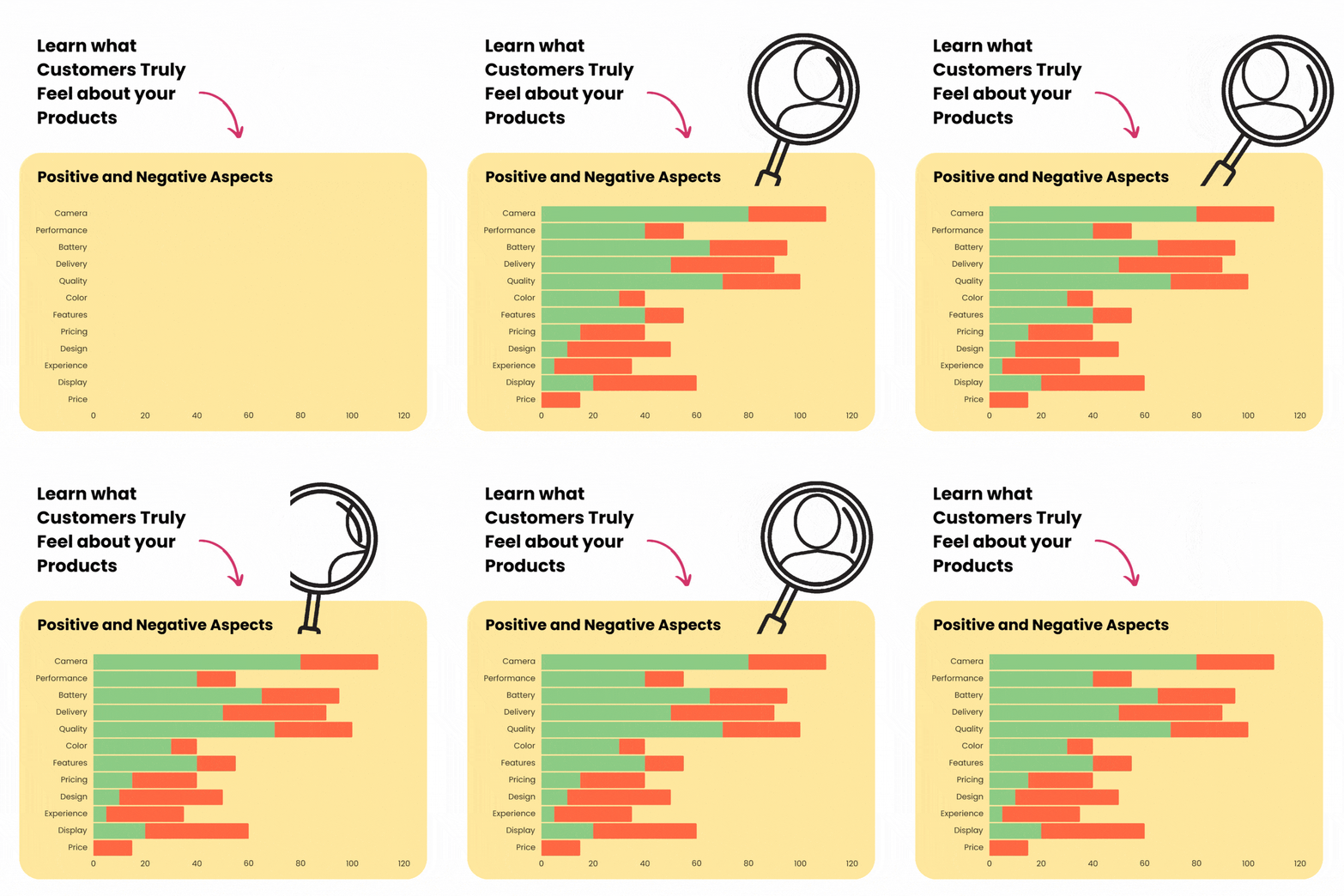
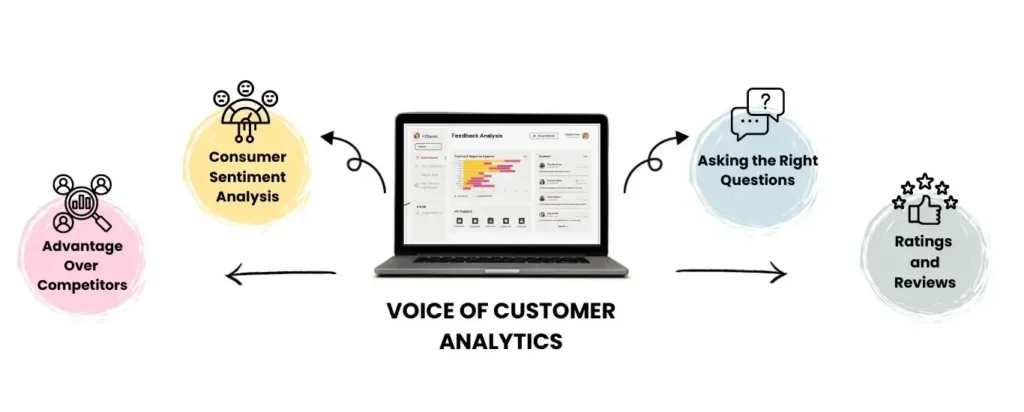
In a crowded marketplace, the brand that understands its customers best is the one that wins. By integrating voice of customer analytics into your daily operations, you can gain a significant edge over competitors who are still relying on basic sales numbers. This data allows you to speak the same language as your customers and offer solutions to the problems they actually have.
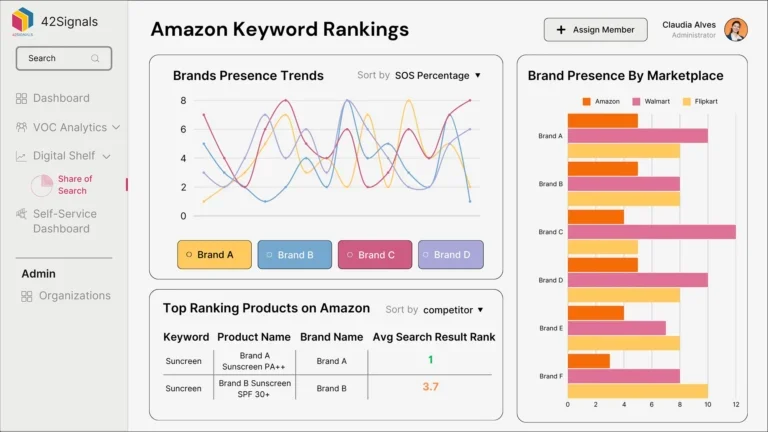
When you know exactly what drives positive sentiment trends for your competitors, you can find ways to improve your own offerings. Perhaps your main rival is getting praised for their eco-friendly packaging, or maybe they are getting slammed for slow customer support. Using these insights allows you to position your brand as the superior alternative by addressing the gaps in the market.
Measuring Success with the Sentiment Score
To make sense of all this qualitative data, many brands use a specific sentiment score to quantify human emotion. This score is typically calculated by subtracting the percentage of negative mentions from the percentage of positive ones. It gives you a single number that represents the “emotional health” of your brand at any given time.
Tracking this score daily or weekly allows you to see the immediate impact of your actions. If you release a new update and your sentiment score jumps by ten points, you know you have done something right. Conversely, a sudden drop in your score is an early warning signal that requires immediate investigation from your product and brand teams.
How Sentiment Tracking Reduces Churn and Improves Retention
Studies have shown that brands that actively track and respond to sentiment trends see much higher levels of customer loyalty. According to a 2023 PwC survey, roughly 32% of customers will leave a brand they love after just one bad experience. However, companies that excel at sentiment analysis ecommerce can see up to 2.5 times higher revenue growth because they know how to fix those bad experiences before the customer walks away.
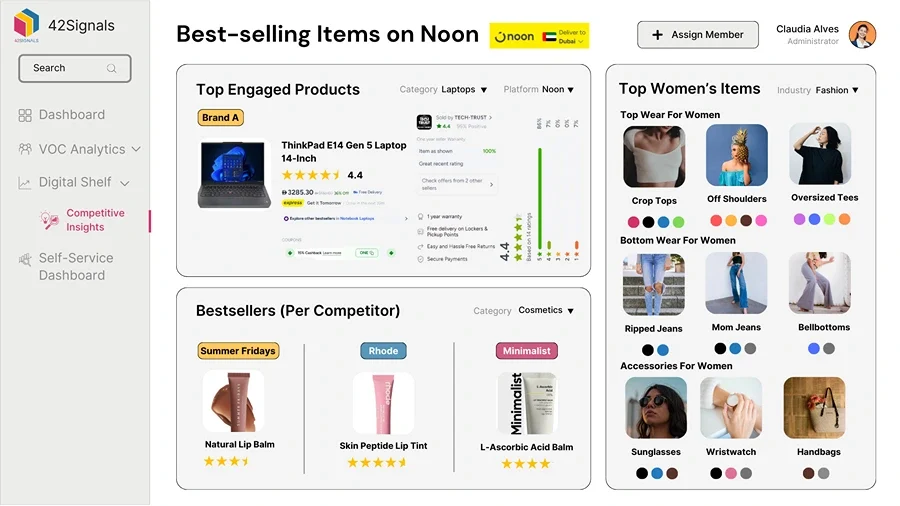
By using essential ecommerce metrics like sentiment trends, you can create a more personalized experience for your shoppers. You can reach out to unhappy reviewers with specific solutions or feature your happiest customers in your marketing materials. This proactive approach turns every interaction into an opportunity to strengthen the bond between your brand and your audience.
How to Implement a Sentiment Analysis Ecommerce Strategy
Setting up a system to track customer sentiment trends does not have to be overwhelming. You can start small by manually reading your latest reviews and then gradually move toward automated tools as your business grows. The key is to be consistent and to ensure that the data you collect is actually being used to make real changes in your organization.
Step 1: Centralize Your Data Sources
The first step in tracking sentiment trends is to gather all your feedback into one place. This includes your Amazon reviews, social media mentions, customer support tickets, and any surveys you have sent out. Having a single “source of truth” makes it much easier to see the big picture and spot patterns that might be hidden when you look at each channel individually.
Automated platforms are great for this because they can pull data from multiple marketplaces in real time. This ensures that you are always looking at the most current information and that you don’t miss a sudden shift in the market. Once your data is centralized, you can start applying sentiment analysis ecommerce techniques to categorize the feedback and identify the most important trends.
Step 2: Identify Recurring Themes and Pain Points
Once your data is in one place, you need to look for the “why” behind the numbers. Use customer review analysis to find the specific topics that people are talking about most often. Are they constantly mentioning the price, the quality, or the shipping speed? Identifying these themes is the only way to turn raw sentiment trends into actionable business insights.
You should also look for “outlier” feedback that might be the start of a new trend. A few people mentioning a specific niche use case for your product could be the key to a whole new marketing strategy. By paying attention to the small details, you can stay ahead of the curve and anticipate what your customers will want next before your competitors do.
Step 3: Share Insights Across the Organization
Sentiment data is useless if it stays trapped in the marketing department. To truly benefit from tracking sentiment trends, you must share your findings with the product, sales, and customer service teams. Each of these departments can use the data to improve their specific area of the business, leading to a more cohesive and customer-centric brand.
For example, your product team can use Amazon product reviews sentiment to fix design flaws, while your marketing team can use positive sentiment trends to craft more effective ad copy. When everyone in the company is aligned with the voice of the customer, you create a powerful engine for growth that is built on a foundation of genuine human connection.
Real-World Examples of Sentiment Trends in Action
To see the power of this approach, look no further than how leading ecommerce brands use these tools every day. These examples show that sentiment is not just a “soft” metric, but a hard data point that directly impacts the bottom line. Whether it is saving a product launch or catching a shipping error, the right data makes all the difference.
One beauty brand launched a new serum and noticed their NPS score dropped from 62 to 34 in just three weeks. By diving into the review sentiment trends, they found that customers were complaining about a “different smell” compared to the samples they had received. The brand quickly realized there was a manufacturing inconsistency, pulled the batch, and sent apology emails to everyone affected. This proactive move saved their reputation and prevented a massive wave of 1-star reviews.
In another case, an FMCG company used social listening to catch a viral complaint about mouldy snacks before it hit the mainstream news. They were able to trace the issue back to a specific warehouse with poor climate control and issue a targeted recall within 48 hours. By being the first to speak about the problem, they showed accountability and maintained the trust of their loyal shoppers.
Common Challenges in Sentiment Analysis Ecommerce
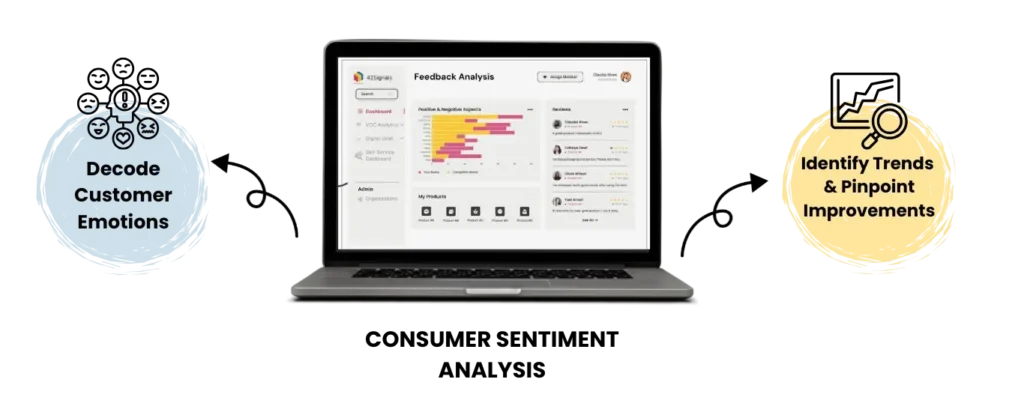
While the benefits are clear, tracking sentiment trends does come with its own set of hurdles. One of the biggest challenges is dealing with the sheer volume of data that a successful brand generates every day. It is impossible for a human to read every single comment, which is why choosing the right consumer sentiment analysis platform is so important for scaling your efforts.
Another challenge is dealing with the nuances of human language, such as sarcasm or cultural slang. A review that says “This product is the bomb” is actually very positive, but a basic sentiment tool might flag the word “bomb” as negative. This is why modern tools use advanced natural language processing (NLP) to understand the context and intent behind the words, ensuring that your sentiment trends are as accurate as possible.
Overcoming the “Noisy” Data Problem
Marketplaces are full of “noise,” including spam reviews, bot comments, and irrelevant feedback. To get a clear picture of your sentiment trends, you need a system that can filter out this junk and focus on the real human voices. High-quality sentiment analysis ecommerce tools are designed to do exactly this, allowing you to see the true signal through all the noise.
You should also be aware of “extreme bias,” where people are more likely to leave a review if they are either very happy or very angry. This can sometimes skew your results and make it look like your sentiment trends are more volatile than they actually are. Balancing your review data with other sources, like customer support logs, helps to create a more stable and accurate view of your brand health.
Conclusion: Turning Sentiment Trends into Sustainable Growth
In the fast-paced world of ecommerce, understanding your customers is no longer optional; it is the foundation of everything you do. By focusing on sentiment trends, you can move past superficial star ratings and start understanding the deep emotional drivers that keep people coming back to your brand. This data gives you the power to fix problems before they explode and to innovate in ways that truly matter to your audience.
As you continue to build your brand, remember that every piece of feedback is a gift that can help you improve. Whether it is a glowing 5-star review or a frustrated social media post, each interaction contains a lesson that can help you build a better roadmap for the future. By embracing the power of sentiment analysis ecommerce, you are not just selling products; you are building a lasting relationship with the people who matter most.
42Signals tracks sentiment trends across Amazon, Walmart, Flipkart, and social — so you catch problems before they become crises. Start a free trial → no credit card required.
Frequently Asked Questions About Sentiment Trends
How often should I check my sentiment trends?
For ecommerce brands, it is best to monitor your reviews and social mentions every day because online sentiment can shift incredibly fast. For more structured data like NPS scores or monthly surveys, a weekly or monthly check is usually enough to see the broader patterns. The key is to find a cadence that allows you to react quickly to crises while still keeping an eye on the long-term goals of your business.
Can sentiment analysis really detect sarcasm?
Modern AI tools have become much better at detecting sarcasm and nuance, but they are still not perfect. It is always a good idea to have a human team member spot-check a sample of the feedback to ensure the automated scores are accurate. Over time, you can “train” your tools to better understand the specific language and slang used by your particular audience, which will make your tracking even more precise.
What is a “good” sentiment score for a new brand?
There is no single universal “good” score because every category is different, but generally, a positive-to-negative ratio of 4:1 is considered a sign of a very healthy brand. According to research from the Baymard Institute, brands with this ratio see 89% customer retention compared to only 33% for brands with a 1:1 ratio. The most important thing is to track your own score over time and strive for constant improvement rather than worrying about a specific industry benchmark.
How do I measure sentiment without a large budget?
You can start by manually reading your 1-star and 2-star reviews every week and keeping a simple spreadsheet of the recurring complaints you find. You can also set up free Google Alerts for your brand name and key products to see what people are saying about you across the web. While these manual methods don’t scale as well as automated tools, they are a great way to start understanding your sentiment trends without spending a lot of money.