

Improving ROI with Real-Time Competitor Benchmarks and Keyword Gap Analysis
If you are currently managing an ecommerce brand, you know that the digital shelf is a moving target. You might spend hours every Monday morning opening dozens of browser tabs to see what your rivals are doing. This manual process often leads to outdated information before you even finish your first cup of coffee. Brands that want to scale are moving away from spreadsheets because they realize that human eyes cannot track thousands of data points across multiple platforms simultaneously. Switching to a real-time system allows you to identify exactly where your rivals are winning and where you are losing out on visibility. By using automated competitor benchmarks, you can stop guessing and start making decisions based on live data from the market. This article will explain why moving to a dedicated digital shelf analytics tool is the only way to maintain a competitive edge in today’s landscape. You will learn how to bridge the visibility void using keyword gap analysis and how to protect your margins with automated price tracking.
Why Manual Tracking Fails to Provide Accurate Competitor Benchmarks
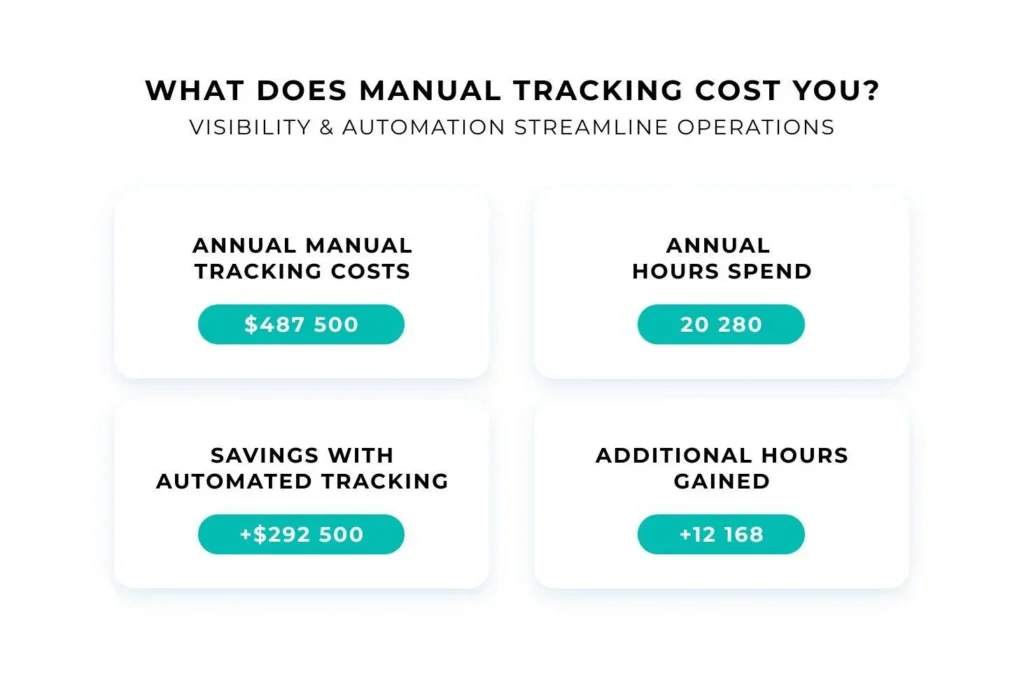
Image Source: Sea Rates
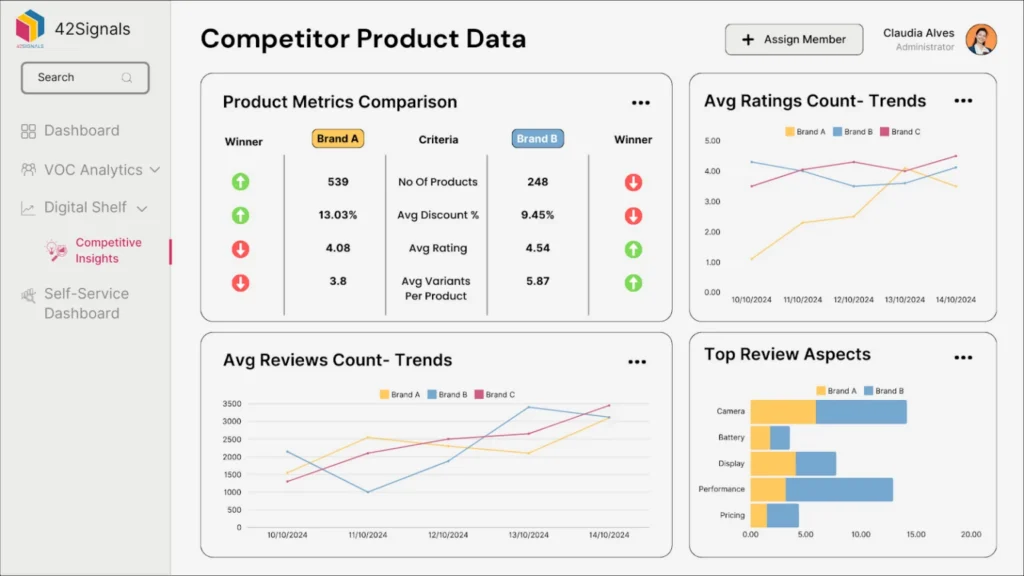
Many teams start their journey by using manual spreadsheets to track their rivals. It seems cost-effective at first, but it quickly becomes a massive drain on resources as your product catalog grows. For instance, some brands have reported that trying to monitor over 2,200 active SKUs across multiple platforms is simply too time-intensive for a human team to handle effectively. When you rely on manual checks, you are only getting a single snapshot in time which might be irrelevant by the next hour. This delay means you are constantly reacting to the market instead of leading it.
The error rate in manual tracking is also significantly higher than most managers want to admit. A team member might miss a small price change or a competitor’s stockout event because they were focused on a different category that day. These missed opportunities directly affect your revenue split, which often sees 70% to 80% of sales coming from marketplaces where competition is most fierce. Without automated competitor benchmarks, you are essentially flying blind on the most important sales channels for your business.
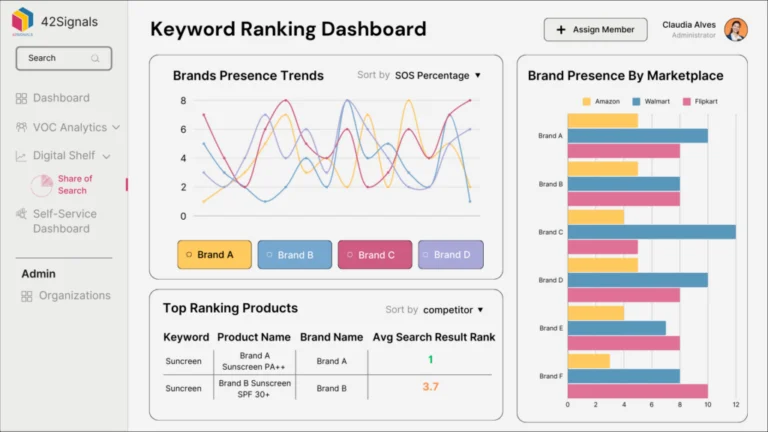
Furthermore, manual tracking lacks the depth required for advanced keyword gap analysis. You might know which keywords you want to rank for, but knowing which keywords your competitors are bidding on in real-time is impossible without automation. Humans cannot stay awake 24/7 to watch how organic and sponsored rankings shift throughout the day across different regions. This lack of visibility creates a blind spot that competitors will eventually exploit to take your market share.
How Keyword Gap Analysis Reveals Hidden Revenue Opportunities
Understanding your search visibility is the foundation of any successful ecommerce strategy. A keyword gap analysis allows you to see exactly which search terms your competitors are winning that you are currently missing. This is not just about basic SEO; it is about knowing where the traffic is going and why. By identifying these gaps, you can adjust your advertising spend and product descriptions to capture high-intent buyers who are currently finding your rivals instead of you.
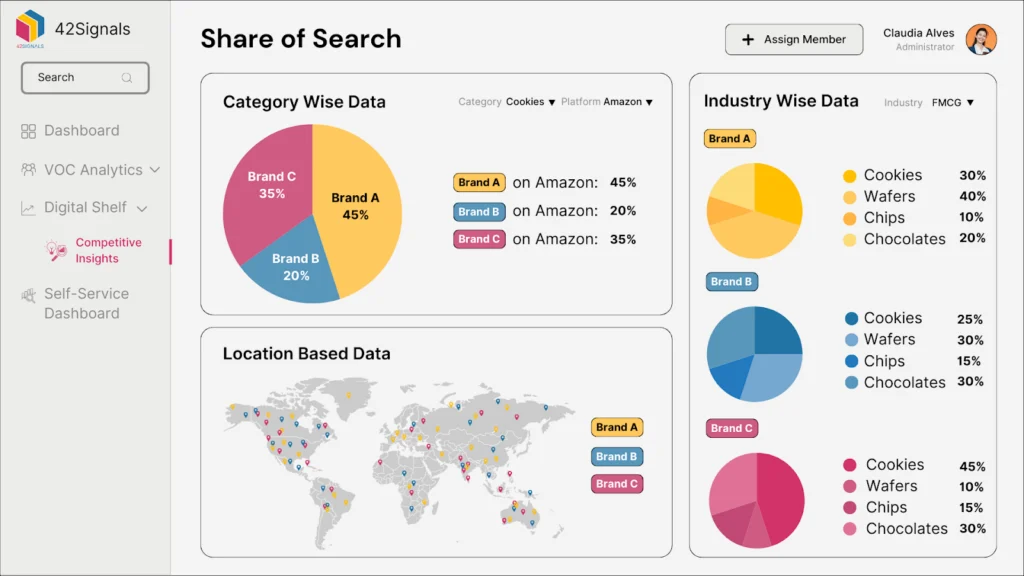
Many brands find that their “Share of Search” is much lower than they previously thought once they start using a professional digital shelf analytics tool. This tool can track both organic and sponsored rankings, giving you a complete picture of the competitive landscape. If a rival starts bidding heavily on your brand terms or high-volume category keywords, you need to know immediately so you can defend your position. Waiting for a monthly report is too late because the sales have already been lost.
When you perform a keyword gap analysis, you are essentially looking for low-hanging fruit in the market. You might find keywords that have high search volume but low competition from other brands in your specific niche. Using a keyword gap tool comparison can help you find the best keyword gap tool that fits your specific regional needs, such as tracking platforms in the UAE or Saudi Arabia. Having this data at your fingertips allows your marketing team to be surgical with their budget, ensuring every dollar spent contributes to your overall ROI ecommerce analytics goals.
Real-Time Price Tracking vs. The Spreadsheet Lag
Pricing is perhaps the most volatile element of the digital shelf. In a world where prices can change multiple times a day on platforms like Amazon or Noon, manual tracking is effectively useless. If your D2C site has a different price than your marketplace listing, you are creating pricing parity challenges that can hurt your conversion rates. Customers are savvy and will often look for the lowest price across different platforms before making a final purchase decision.
42Signals provides a way to monitor price changes in near-real-time, with updates often measured in minutes. This speed allows you to see market shifts as they unfold rather than reading about them in a post-mortem report. If a competitor drops their price suddenly, you can receive an alert and decide if you need to match them to protect your sales volume. This level of responsiveness is impossible when someone has to manually visit every website and type numbers into a cell.
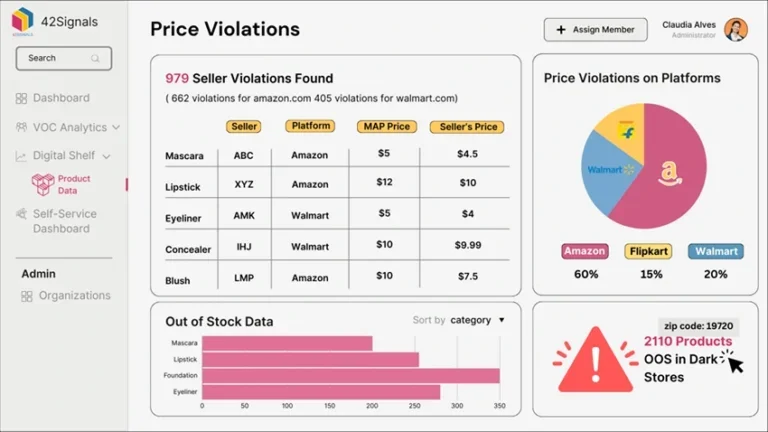
Another critical aspect of automated pricing is MAP violation monitoring. Protecting your brand value requires you to know when unauthorized resellers are undercutting your established pricing policies. A digital shelf analytics tool can provide clear proof of these violations, including screenshots and exact timestamps, so you can take action quickly. This proactive approach helps you maintain healthy relationships with your authorized retailers while guarding your profit margins.
Monitoring Stock Availability to Capture Sales
Stockouts are a silent killer of ecommerce growth. When your product goes out of stock, you lose more than just a sale; you lose your search ranking as the platform’s algorithm begins to favor competitors who can actually fulfill orders. Manual tracking rarely catches these events in time to make a difference. However, with automated tracking, you can monitor both your own stock and the availability of your rivals.
If you know a major competitor has just run out of a popular item, that is a “golden stockout opportunity” for your brand that can be understood with competitor stockout tracking. You can immediately increase your ad spend on the keywords associated with that product to capture the frustrated customers who are looking for an alternative. This strategy allows you to gain market share during a time when your rival is most vulnerable. Without real-time competitor benchmarks, you would likely miss this window entirely.
Tracking stock availability trends also helps with long-term inventory planning. By seeing how often a competitor struggles with supply chain issues, you can position your brand as the more reliable choice for both customers and retailers. This data provides valuable context for your sales team when they are negotiating with marketplace category managers. Showing that you have a higher “in-stock” rate than the market average is a powerful way to justify better placement on the digital shelf.
Why Operations Teams Are Replacing Manual Tracking with Automation
When evaluating tools, decision-makers often look for the path that leads to the highest return on investment. Managing an in-house tool or a manual team often leads to limitations around SKU matching and data accuracy. As your business expands, the cost of human labor for data entry starts to outweigh the cost of a sophisticated pricing benchmark software. For example, some brands find that the $2,500 monthly cost of a premium Shopify Plus setup is only worth it if they have the data to drive traffic to it.
Using a dedicated platform like 42Signals offers a level of depth that spreadsheets cannot match. It is not just about the tag price; it is about tracking active coupons, shipping costs, and bundle deals that your rivals are using to lure customers. This full-context view tells you the true competitive landscape and the actual experience a customer has when shopping. Knowing that a competitor’s lower price is actually negated by a high shipping fee allows you to stay firm on your own pricing strategy.
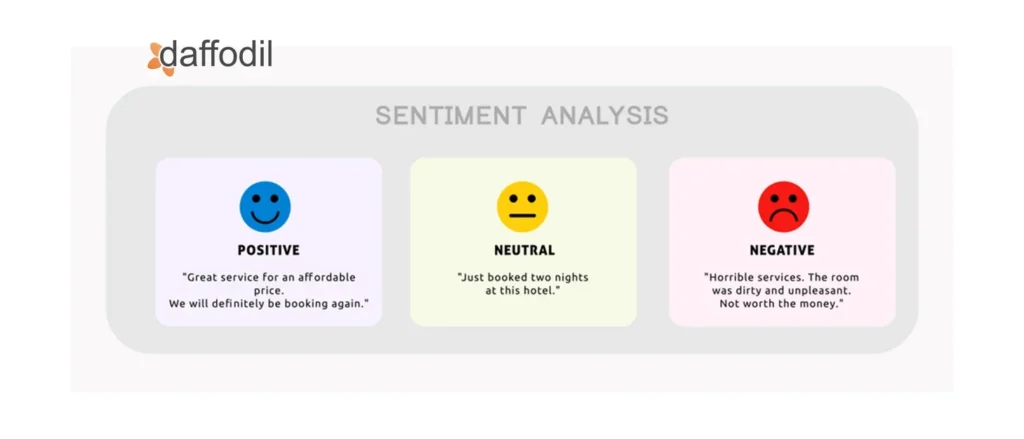
Image Source: Daffodil
Furthermore, the automation of reporting saves hundreds of hours of manual labor for your data and marketplace teams. Instead of spending time collecting data, your team can spend time analyzing the “why” behind the numbers. They can look at sentiment analysis for ecommerce to see how customers feel about a rival’s new product launch or a recent price hike. This shift from data collection to strategic analysis is the hallmark of a high-growth ecommerce brand.
Building a Pricing Strategy Around Live Competitor Data
Data is just noise if you do not have a plan for how to use it. The transition from manual tracking to an automated system involves weaving these insights into your daily operations. You need to know who your true competitors are across all channels, including Amazon, Walmart, and their own D2C websites. Once you have identified them, you can set up smart alerts that notify you of significant market moves via email, SMS, or Slack.
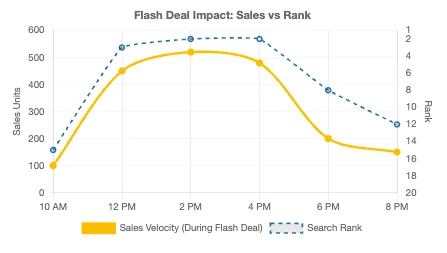
A robust digital shelf analytics tool should help you create pricing elasticity models. These models help you understand how a change in your price affects your overall sales volume and profit. For instance, you might find that a 5% price increase doesn’t significantly drop your volume but adds a large amount to your bottom line. Testing these theories manually is risky and slow, but with real-time data, you can see the impact of your moves within hours.
Finally, you should aim to connect your tracking data directly to your other internal tools. Linking your competitor benchmarks to your repricing software or BI dashboards creates a seamless flow of information. If a competitor makes a move, your system can respond automatically within the rules you have defined. This level of automation is what allows modern brands to handle thousands of SKUs without needing a massive army of employees to manage them.
Choosing the Right Competitor Benchmarking Tool
When you look at a keyword gap tool comparison, you must consider the specific features that will drive your revenue. Some tools only focus on one marketplace, like Amazon. However, 42Signals is built to watch the whole field, including regional sites and competitor D2C websites. This comprehensive view ensures that you have no blind spots in your market strategy.
The best keyword gap tool for your brand is one that offers more than just a list of words. It should provide automated price updates and sentiment tracking to give you a 360-degree view of your brand health. By analyzing customer reviews and feedback, you can understand the strengths and weaknesses of your products compared to the competition. This qualitative data is the perfect complement to the quantitative numbers found in your pricing and stock reports.
Ultimately, the goal is to improve your ROI ecommerce analytics by making every decision more precise. Whether you are adjusting your keyword bids or launching a new promotional bundle, you should have the data to support that move. Moving away from manual tracking is not just about saving time; it is about gaining the clarity needed to win in a crowded marketplace. Brands that embrace this change are the ones that will continue to lead their categories in the years to come.
What to Look for Before Switching from Manual to Automated Tracking
The choice between manual tracking and an automated system like 42Signals is a choice between being reactive and being proactive. Manual tracking keeps you stuck in the past, looking at data that is already hours or days old. In a market where a single afternoon of lost visibility can cost thousands of dollars, that delay is a luxury you cannot afford. By switching to a real-time competitor benchmarks system, you give your team the tools they need to stay ahead of every market trend.
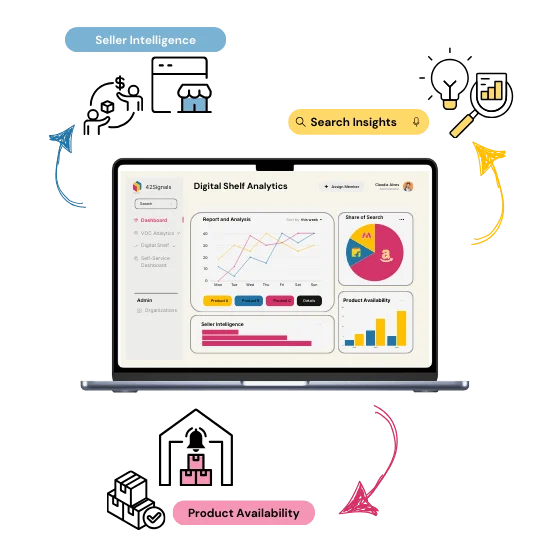
You will find that the initial investment in a digital shelf analytics tool pays for itself through improved margins and captured sales opportunities. Identifying a single competitor stockout or stopping one major MAP violation can often cover the cost of the software for months. More importantly, it gives your leadership team the confidence to make big moves based on facts rather than gut feelings. The era of the manual spreadsheet is ending, and the era of the real-time data-driven brand is here to stay.
As you look forward, consider how much more your team could achieve if they weren’t buried in data entry tasks. They could be finding new market segments, improving product quality based on sentiment analysis, or building better relationships with your key retailers. The future of ecommerce is fast, complex, and data-heavy. Make sure your brand has the right engine to handle the journey by moving to an automated tracking solution today.
To know more about our platform, schedule a demo with our experts.
FAQs on Competitor Benchmarks and Keyword Gap Tools
How often does 42Signals update its data?
The platform focuses on near-real-time updates, which means data is captured and processed in minutes rather than hours or days. This allows brands to react to price drops or stock changes as they happen.
Can this tool help me with Amazon price monitoring?
Yes, it is specifically designed to handle the depth required for proper Amazon monitoring, including tracking coupons, shipping costs, and seller ratings. It provides more than just the tag price to give you a full picture of the competition.
What is the benefit of tracking my competitors’ D2C sites?
Many brands miss sales because they only look at marketplaces. Tracking a competitor’s own website allows you to see their exclusive bundles and direct pricing, which helps you maintain price parity across the entire web.
How does keyword gap analysis affect my ad spend?
By seeing which keywords your rivals are ranking for that you are not, you can redirect your budget to capture those high-intent customers. It ensures you aren’t wasting money on keywords that don’t convert while ignoring terms that are driving traffic to your competitors.
Is it difficult to integrate with my existing Shopify store?
While some integrations require approval, the goal of a digital shelf analytics tool is to eventually allow for automated price updates on platforms like Shopify. This reduces manual work and ensures your prices are always competitive.
What kind of alerts can I set up?
You can create custom alerts for major price drops, MAP violations, or when a competitor’s key product goes out of stock. These notifications can be sent to your team via email or messaging apps like Slack for instant action.