

Managing Brand Availability for Sustainable Growth
In the world of online shopping, your brand availability is the most important factor in whether you win or lose a customer. If a shopper finds your product on Amazon but it is out of stock on Noon or your own website, you are facing an availability gap that could be costing you a lot of money. Most brand managers rely on basic reports that do not show the full picture of their digital shelf presence.
This guide will show you how to use availability analytics to spot these hidden gaps and take action before your competitors do. By focusing on stockout prevention and omni-channel availability, you can make sure your products are always ready for the people who want to buy them.
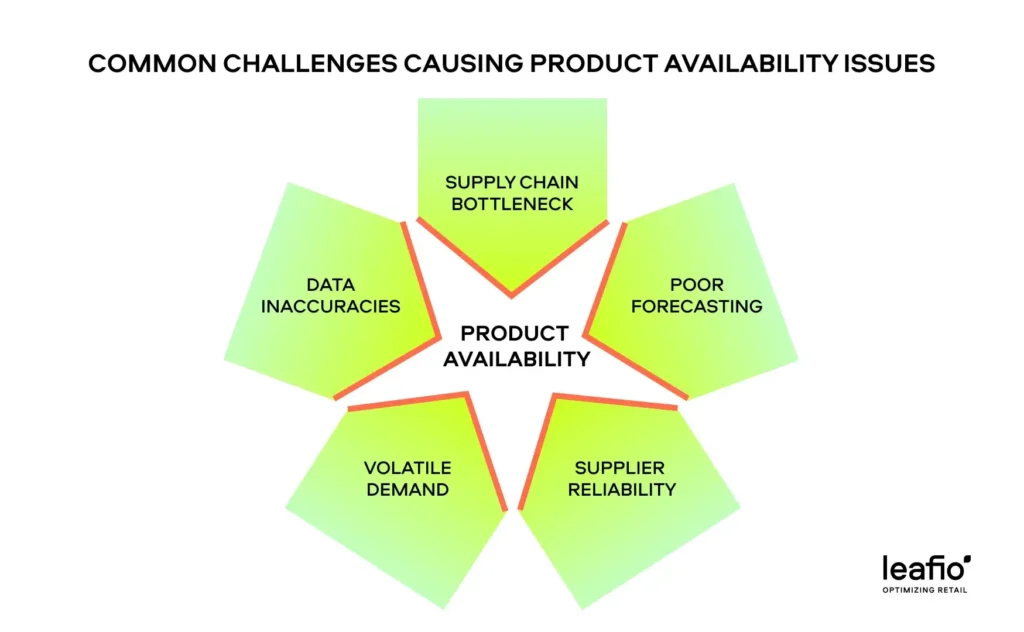
Image Source: Leafio
The Invisible Problem of Brand Availability
When we talk about brand availability, many people think it just means having items in a warehouse. However, in the modern market, it is about being visible and ready for purchase across every single platform where your customers browse. You might have thousands of units in your central storage, but if they are not listed as available on a specific marketplace, your brand availability is effectively zero for that shopper. This gap is often invisible because many teams do not have a way to check every site in real time.
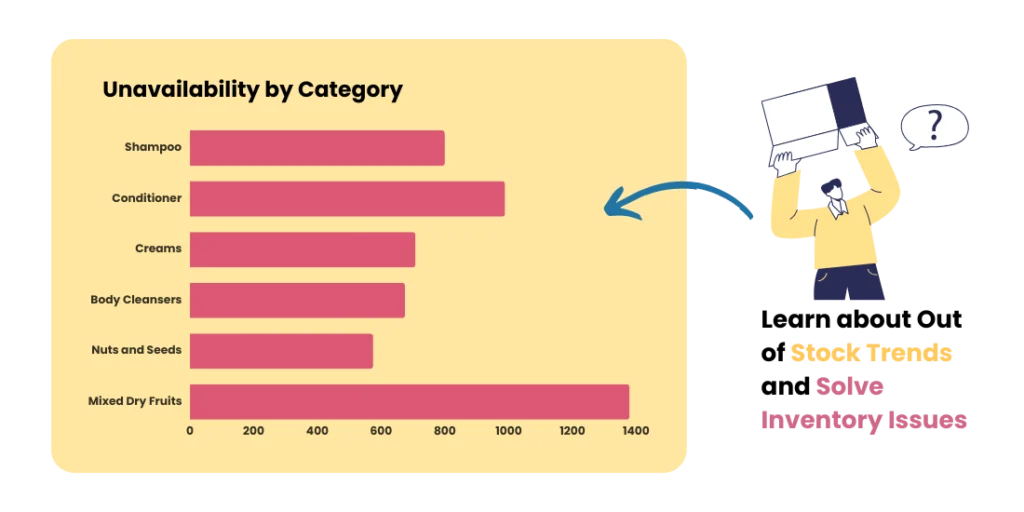
Think about the last time you tried to buy something online. If you saw a “Currently Unavailable” message, you probably did not wait for a restock. Instead, you likely looked at the next recommended item from a different brand. Research from the IHL Group shows that 73% of customers will buy from a competitor when they encounter a stockout. This means that poor brand availability does not just hurt your sales for today, it actually helps your competitors grow their market share.
Managing this requires a shift in how we look at data. You need to move away from looking at total inventory and start looking at platform-specific availability. If you are not monitoring your brand presence ecommerce across 1P and 3P channels separately, you are missing half of the story. Without a dedicated multi-platform availability tracker, your team is essentially flying blind in a very crowded sky.
Why Your Current Product Availability Check Is Failing

Most ecommerce teams perform a manual product availability check every once in a while. They might have an intern or a junior manager click through a few links to see if the top sellers are live. The problem is that the digital shelf moves much faster than a human can click. Prices change, stock levels fluctuate, and search algorithms update every few minutes. A manual check only gives you a tiny snapshot of a very large and moving target.
Furthermore, these manual checks often ignore the regional differences in stock. A product might be available in Dubai but out of stock in Riyadh on the same marketplace platform. If your brand availability reports do not account for these geographical splits, you are making decisions based on incomplete facts. This is where many companies lose the battle for the buy box without even knowing they were in a fight.
Another issue is that marketplaces often have “ghost” listings. These are items that look like they are in stock on the search page but show as unavailable once the customer gets to the checkout. These technical glitches can destroy your digital shelf presence and frustrate your buyers. Only a sophisticated system for availability analytics can catch these errors at scale and alert you to fix them immediately.
The Multi-Platform Reality: 1P vs 3P Challenges
To truly master brand availability, you have to understand the different types of selling models. In a First-Party or 1P model, you sell your goods directly to the retailer, like Amazon Vendor Central. In this case, the retailer is responsible for the stock levels and the final price. However, you still need to monitor them because if they run out of stock, it is your brand that suffers the search rank drop.
On the other hand, Third-Party or 3P selling gives you more control but also more responsibility. You or your authorized sellers list the products directly on the marketplace. This creates a complex web where unauthorized sellers might also be listing your items. If an unauthorized seller is out of stock, it might still affect your overall brand availability perception if their listing ranks higher than yours.
| Channel Type | Who Controls Stock | Impact on Brand Availability |
|---|---|---|
| First-Party (1P) | Retailer (e.g., Amazon) | High risk of search rank loss if retailer fails to reorder in time. |
| Third-Party (3P) | Brand or Authorized Seller | Requires constant monitoring of multiple sellers to ensure parity. |
| Direct-to-Consumer | Brand (Your Website) | Full control but must be synced with marketplace data to avoid gaps. |
Managing these different channels requires a multi-platform availability tracker that can see across the entire ecosystem. You need to know if your wholesale partners are keeping enough stock and if your own listings are performing as expected. If you find that your 1P partners are constantly running low, you might need to adjust your supply chain agreements. This level of detail is the only way to maintain a healthy brand presence ecommerce in a multi-channel world.
How a Multi-Platform Availability Tracker Protects Your Rank
Marketplaces like Amazon and Flipkart care about one thing more than anything else: completing the sale. If your product is out of stock, they will stop showing it to people. They don’t want to frustrate shoppers with empty pages. This means that a dip in brand availability leads to an immediate and sometimes permanent drop in your search ranking. Once you lose that top spot, it is very hard to get it back.
A study on search rank impact showed that a product at rank 8 can drop to rank 25 after just two weeks of being out of stock. Even after you restock the item, you might only return to rank 22 initially. This “ranking hangover” means you have to spend more on advertising or offer deeper discounts just to regain the visibility you used to have for free. This is why stockout prevention is not just a warehouse goal; it is a marketing necessity.
By using a multi-platform availability tracker, you can set up alerts that tell you when stock is getting low. This gives you a lead time to ship more inventory before the listing actually goes dark. If you can keep your brand availability at 100%, the search algorithm will reward you with consistent traffic. Think of it as an insurance policy for your organic search performance and your digital shelf presence.
The Deep Link Between Availability and Pricing
Many brands do not realize that their brand availability directly affects their pricing power. When you are the only one in stock for a popular item, you can often maintain your full price. However, if you go out of stock, your competitors might see this as an opportunity. They might raise their prices to capture more margin, or they might lower them to steal your customers permanently.
Furthermore, if you are out of stock on your own website but available on a marketplace, you are losing money on commissions. Marketplace commissions in categories like fashion can range from 15% to 25%. Every sale that moves from your site to a marketplace because of a stock gap represents a loss in margin. Maintaining omni-channel availability ensures that you can capture the sale on the most profitable channel whenever possible.
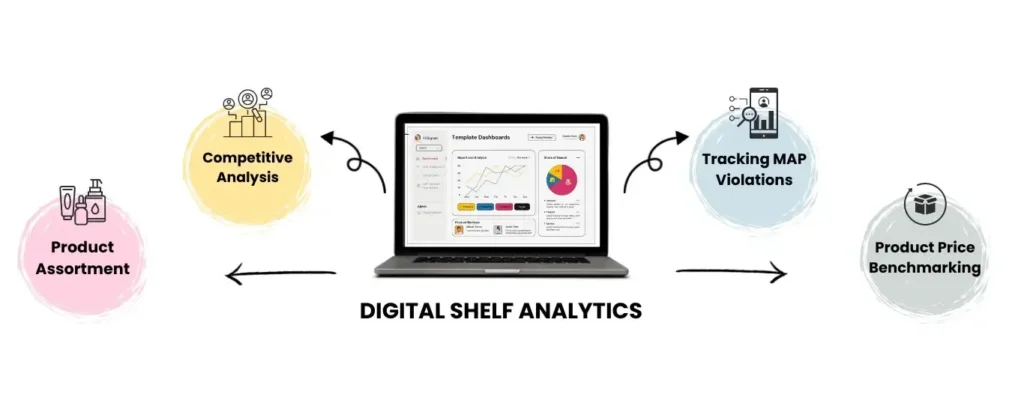
You should also look at price benchmarking analytics alongside your inventory data. If you see that a competitor has lowered their price, you need to check if they have the stock to back it up. If they are low on inventory, you might not need to match their price drop. You can simply wait for them to sell out and then capture the remaining demand at your original price. This is the power of combining availability analytics with market intelligence.
Using Availability Analytics to Build a Business Case
If you are a brand manager, you probably need to convince your bosses to invest in better tools or more inventory. The best way to do this is by showing them the “Lost Sales” model. You can calculate the exact cost of your brand availability gaps by multiplying the days you were out of stock by your average daily sales and your product price. When the CFO sees a clear number for lost revenue, they are much more likely to support your digital shelf performance guide goals.
Availability analytics also help you understand your customer’s lifetime value. As mentioned before, 45% of customers who face a stockout will never return to your brand. This means a single stockout costs you not just one sale, but every future sale that customer would have made. In high-frequency categories like baby products or groceries, this loss can be massive over a year.
By tracking these metrics over time, you can show the ROI of your stockout prevention efforts. You can demonstrate how a 5% increase in brand availability led to a specific increase in total revenue and search rank. This turns “inventory management” into a strategic growth lever. It moves the conversation from “how many boxes do we have?” to “how much more market share can we win?”.
Strategic Stockout Prevention for Modern Brands
The best way to handle an availability gap is to make sure it never happens in the first place. This requires a proactive strategy for stockout prevention that goes beyond just looking at a spreadsheet once a week. You need to integrate your sales data with your inventory alerts. If a product starts selling twice as fast as usual, your system should automatically flag that you need an early restock to maintain your brand availability.
You should also consider the “safety stock” needed for each specific platform. Amazon might need more buffer than a smaller niche site. If you treat all platforms the same, you will end up overstocked on some and out of stock on others. This waste of capital can be avoided by using availability analytics to tailor your distribution for each channel.
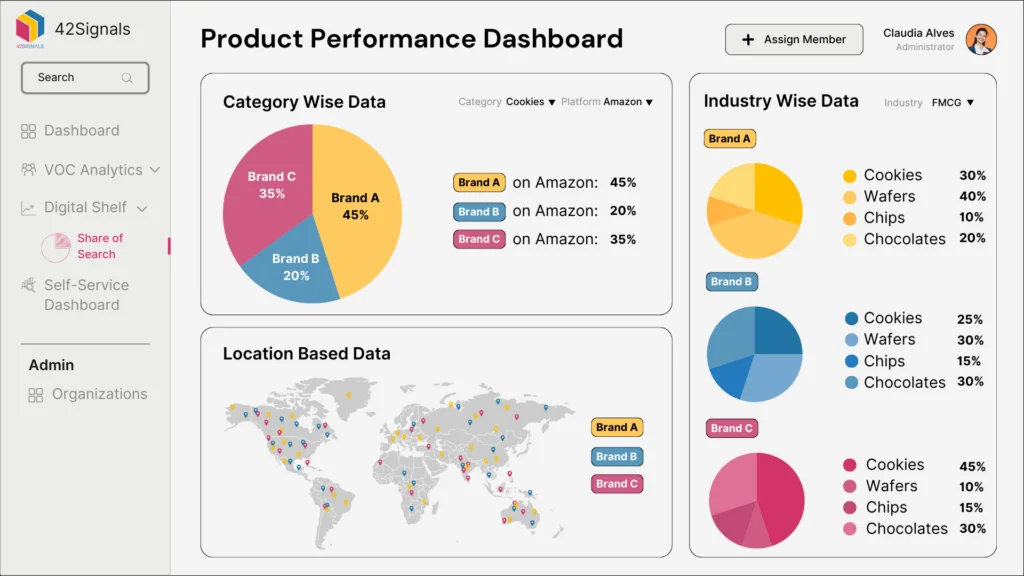
Another key part of stockout prevention is communication with your supply chain team. They need to see the same share of search analytics that the marketing team sees. If marketing is planning a big campaign, the warehouse needs to know so they can prepare. When everyone is looking at the same multi-platform availability tracker data, the chance of a mistake drops significantly. This alignment is what separates top-performing brands from the rest of the pack.
Scaling Your Digital Shelf Presence Regionally
As your brand grows, you will likely start selling in more countries. This adds a new layer of complexity to your brand availability. Selling in the UAE and KSA at the same time means tracking different marketplaces, different currencies, and different logistics partners. A product availability check in one country does not tell you anything about the other.
Managing a regional digital shelf presence requires tools that can scale with you. For example, 42Signals offers solutions with digital shelf monitoring for GCC that can track 1,500 SKUs across four different websites daily for about USD 720 per month. This allows you to have a unified view of your brand availability in the entire GCC region. You can see at a glance where you are winning and where you are losing ground.
When you scale, you also have to watch out for regional competitors. They might have better brand presence ecommerce in their home market even if you are bigger globally. By monitoring their stock levels, you can find windows of opportunity where they are out of stock and you can move in to capture their customers. This regional intelligence is vital for long-term expansion and Keyword Gap Analysis Content Hub strategy.
The Role of Category Managers in Availability
Category managers play a huge role in maintaining brand availability. They are the ones who decide which products to focus on and which ones to phase out. If a category manager sees that a certain group of products always has high brand availability but low sales, they might decide to reduce stock to save money. Conversely, if high-demand items are always running out, they need to fight for more production capacity.
They also need to monitor the “share of shelf” for their category. If your competitors have 80% brand availability across the category and you only have 50%, the marketplace will start to favor them. Your digital shelf presence is a relative metric. It is not just about how you are doing, but how you are doing compared to everyone else in your aisle.
Category managers should use availability analytics to spot trends before they become problems. For instance, if they see that stockouts are always happening on weekends, they can adjust the shipping schedules. This level of operational detail is what ensures that the brand is always ready when the consumer is shopping. It is a constant process of optimization that requires the right data at the right time.
Final Thoughts on Mastering Brand Availability
In the end, brand availability is the foundation of your entire ecommerce strategy. You can have the best products and the most beautiful marketing, but if people cannot buy what they see, none of it matters. The multi-platform availability gap is a real threat to your growth, but it is also a huge opportunity. If you are the brand that is always in stock while everyone else is struggling, you will naturally win the market.
Using a multi-platform availability tracker and investing in availability analytics will give you the edge you need. You will be able to see the hidden gaps, protect your search rankings, and maximize your margins across every channel. Don’t let your digital shelf presence be a matter of luck. Take control of your inventory data and make sure your brand is always there when your customers come looking.
If you are ready to see the real state of your brand availability, it is time to look at the data. Most brands find that they have much larger gaps than they expected once they start using professional tools. Fixing these gaps is the fastest way to boost your sales and build a more resilient business. Start your journey toward better omni-channel availability today and stop leaving money on the table.
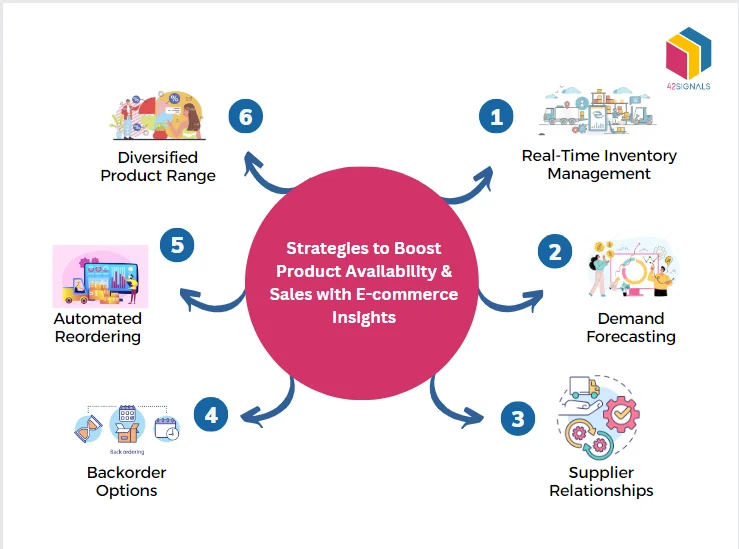
42Signals’ multi-platform availability tracker monitors your SKUs across Amazon, Noon, Flipkart, and your D2C site in real time alerting your team the moment a listing goes dark and showing you exactly where competitors are losing rank to stockouts. Book a demo and we’ll run a free brand availability audit across your top three marketplaces.
Frequently Asked Questions About Brand Availability
What is the difference between brand availability and inventory levels?
Inventory levels refer to the total amount of product you have in your warehouse or system. Brand availability is a measure of whether that product is actually live and ready for purchase on a specific consumer-facing platform. You can have high inventory but poor brand availability if your listings are suppressed or if you have distribution issues.
How often should I perform a product availability check?
A manual product availability check is usually not enough for a growing brand. Ideally, you should have an automated system that checks your top platforms at least once a day. For high-velocity categories or during major sales events like Black Friday, you might even need to check several times a day to ensure you don’t lose your search rank.
Why does a stockout affect my brand presence ecommerce long-term?
A stockout hurts you long-term because marketplace algorithms prioritize products that convert. When you are out of stock, your conversion rate drops to zero, and the algorithm moves you down in the search results. This loss of visibility persists even after you restock, meaning you have to work much harder to regain your previous position.
Can a multi-platform availability tracker help with unauthorized sellers?
Yes, a good tracker will show you every seller who is listing your products across different marketplaces. By monitoring these listings, you can see if unauthorized sellers are out of stock or if they are undercutting your price. This data is essential for protecting your brand equity and ensuring a consistent customer experience.
What are the main benefits of using availability analytics for my team?
Availability analytics help your team make data-driven decisions about where to send stock and how to price products. It provides a clear ROI for inventory investments by showing exactly how much revenue was lost to stockouts. It also helps align marketing and supply chain teams so that promotions are always backed by enough inventory to succeed