
The Strategic Power of Market Share Tracking
In the fast-moving world of online retail, looking at your sales dashboard can be deceptive. You might see a steady climb in revenue and assume your brand is doing great. However, without consistent market share tracking, you might miss the fact that your competitors are actually growing twice as fast as you are. True success is not just about making more money than you did last year, it is about capturing a larger piece of the total market pie. By focusing on market share tracking, brand managers can separate their own performance from general market trends. If the entire category is expanding by twenty percent but your sales only grew by ten percent, you are actually losing your market position. This guide explores how to use advanced digital signals and category intelligence to ensure you are not just growing, but truly winning against your rivals.
The Illusion of Growth in Digital Marketplaces
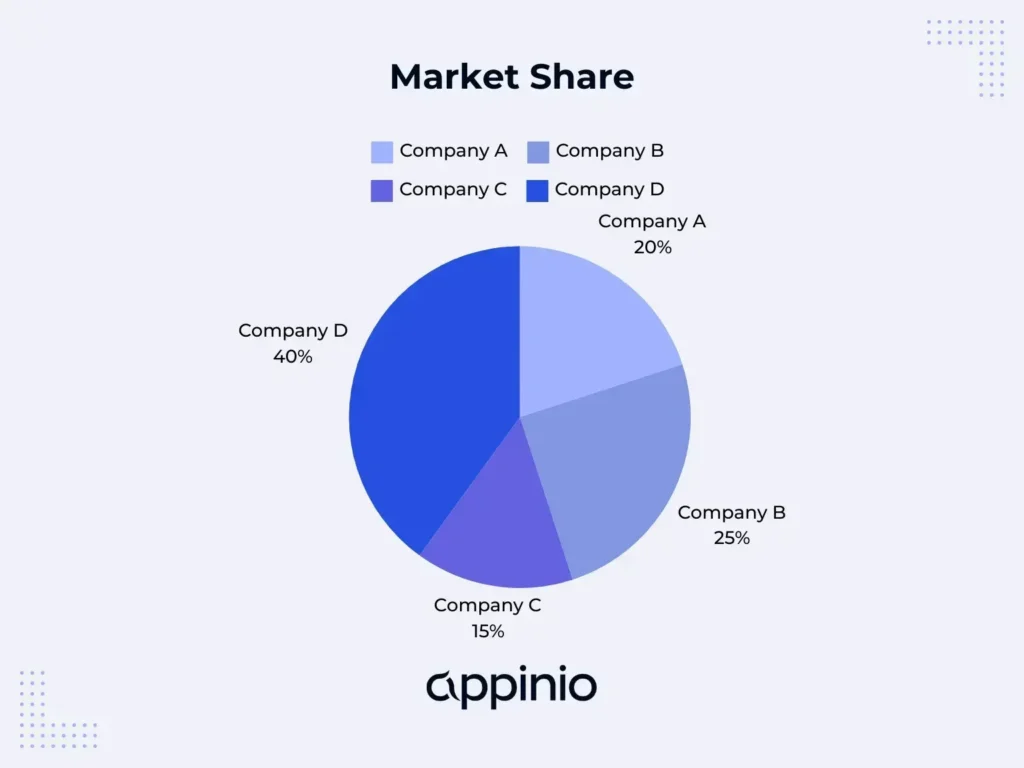
Image Source: Appinio
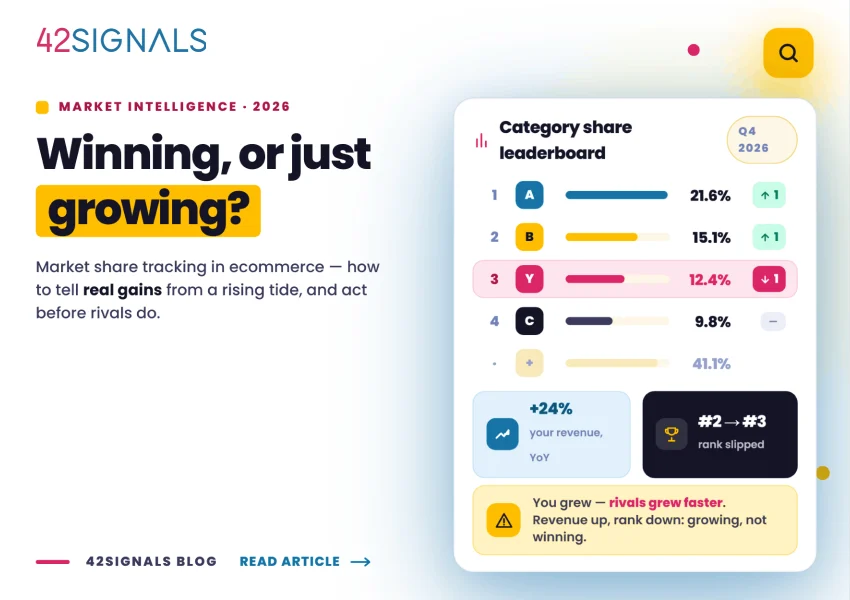
Imagine checking your end-of-year reports and seeing a healthy fifteen percent increase in sales. Most teams would celebrate this as a major win. But what if you found out that your primary competitor grew by forty percent in the same timeframe? In this scenario, your fifteen percent growth is actually a sign of decline because your category share is shrinking. This is why market share tracking is the most critical metric for any serious ecommerce business today.
Revenue growth can often mask a loss in category share when the overall market is expanding quickly. During periods of high demand, such as the holiday season or a category-wide trend, everyone might see their numbers go up. Without a reliable method for market share tracking, you are essentially flying blind. You need to know your relative sales volume compared to the rest of the players on the field to understand your true standing.

The digital shelf is a competitive landscape where visibility and consumer loyalty shift with every click. For brands to stay relevant, simply existing online is no longer enough to drive sustainable success. You must adopt a proactive approach to market share tracking to decode the complexities of platforms like Amazon and Walmart. Understanding your market position allows you to make better decisions about where to spend your marketing budget and which products to prioritize for the next quarter.
What is Market Share Tracking in Ecommerce?
At its core, market share tracking is the process of measuring your brand’s sales and visibility relative to the total sales and visibility of your entire category. It moves the conversation away from absolute numbers and focuses on your relative position. This type of ecommerce market share analysis gives you a much clearer picture of whether your strategies are actually gaining ground or if you are just riding a wave of market expansion.
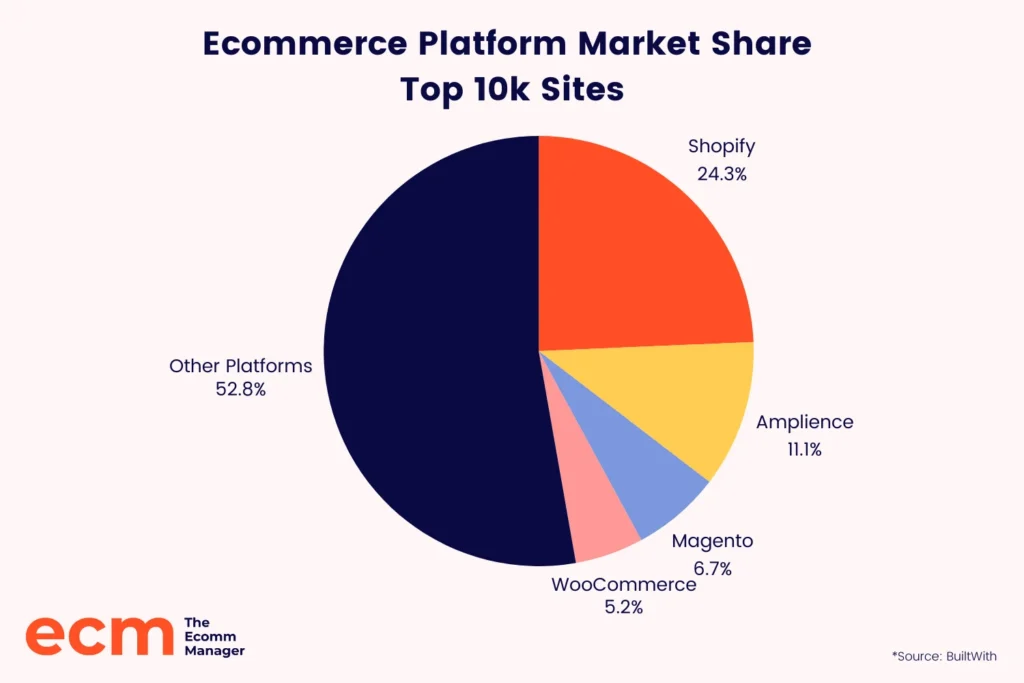
Image Source: The retail exec
Unlike traditional retail where you might get quarterly reports from physical stores, ecommerce requires real-time intelligence. Market share tracking in the digital space involves looking at various proxies because marketplaces like Amazon do not share the exact GMV share of every competitor. Instead, smart brands use signals like share of search and brand ranking to estimate their standing. This helps identify if you are truly the market leader or if a new challenger is quietly stealing your customers.
To do this effectively, you need to look at more than just your internal sales data. Comprehensive market share tracking requires a view of the entire digital shelf, including how often your products appear in organic search results compared to others. This holistic view ensures that you are capturing the full picture of consumer intent and purchase behavior across multiple marketplaces.
Why Revenue Alone Doesn’t Tell You If You’re Winning
Relying solely on revenue to judge performance is one of the most common mistakes brand managers make. Revenue is an absolute metric that tells you how much money you brought in, but it lacks context. If you do not include market share tracking in your analysis, you are ignoring the environment in which you operate. A brand can have record-breaking sales while simultaneously becoming less relevant in its category.
When you only look at your own numbers, you miss the competitor growth rate that could be threatening your long-term stability. For example, if a new entrant is using aggressive pricing to capture a high relative sales volume, your revenue might stay flat while your market position crumbles. Market share tracking acts as an early warning system. It tells you when your piece of the pie is getting smaller even if the pie itself is getting bigger.
Furthermore, revenue does not account for shifts in consumer search behavior. You might be making sales through existing loyal customers, but if your share of search is dropping, you are not capturing the next generation of buyers. Using market share tracking allows you to see these trends before they turn into a permanent loss of revenue. It forces you to ask why a competitor is winning more clicks and how you can adjust your tactics to reclaim your dominance.
How to Track Market Share Without Internal Data
Since marketplaces do not hand out competitor sales reports, you have to get creative with how to track market share. This involves using various digital signals that correlate strongly with sales performance. By monitoring these proxies consistently, you can build a highly accurate model of the competitive landscape. This is the foundation of any sophisticated brand market share tracking strategy.
One of the most effective methods is tracking brand ranking within specific categories. Most marketplaces display best-seller lists or ranking badges that reflect recent sales velocity. By keeping a daily log of these rankings for your products and your rivals, you can perform an ecommerce market share analysis that shows who is moving up or down the ladder. This provides a direct look at relative performance without needing access to private financial data.

Another vital signal is the volume of customer feedback. Looking at the frequency and sentiment of reviews can serve as a proxy for sales volume and market acceptance. Brands that are gaining market share often see a surge in recent review activity. By benchmarking your review growth against your competitors, you can see if you are keeping pace with the market’s evolving preferences.
How Does Share of Search Affect Your Market Share?

If you want to know who is winning the battle for the consumer’s mind, you have to look at share of search. This metric measures the percentage of relevant organic search results your products occupy compared to your competitors across major marketplaces. It is a leading indicator of brand health because it shows which brands are most visible when a customer is ready to buy. Market share tracking is incomplete without a deep dive into these search dynamics.
High visibility in search results usually translates to higher sales over time. If your brand dominates the first page for high-intent keywords, your market share tracking will likely reflect a strong and growing position. However, if your rivals are starting to appear more frequently in top spots, it is a sign that your category share might be at risk. This is why monitoring your organic and sponsored visibility is a core part of market share monitoring.
Advanced tools can even help you understand the semantic context of these searches. By looking at long-tail variations and related phrases, you can identify new niches where you can expand your market share. This level of category intelligence allows you to optimize your product titles and descriptions to capture a wider net of searches. It ensures that your market share tracking strategy is based on actual consumer behavior rather than just guesses.
Using Category Intelligence to Beat Competitors
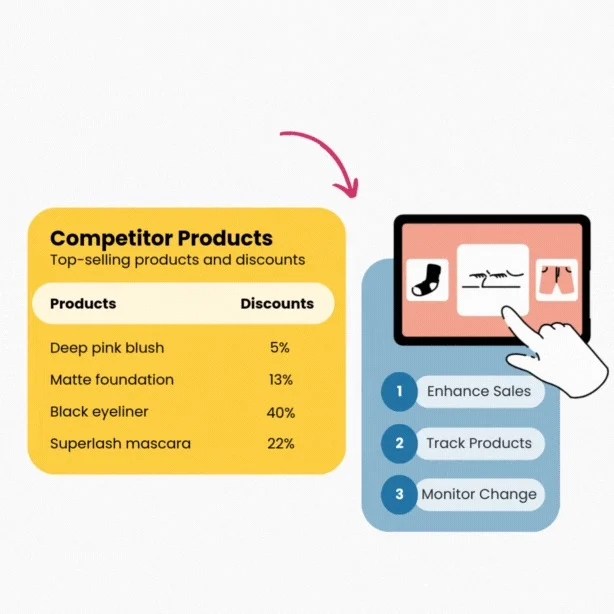
To truly outperform the market, you need deep category intelligence. This goes beyond simple price tracking and looks at the overall health of your product category. Effective market share tracking requires you to understand the broader trends that are driving consumer choices. Are shoppers moving toward more eco-friendly options? Are they looking for larger pack sizes? Knowing these answers helps you stay ahead of the curve.
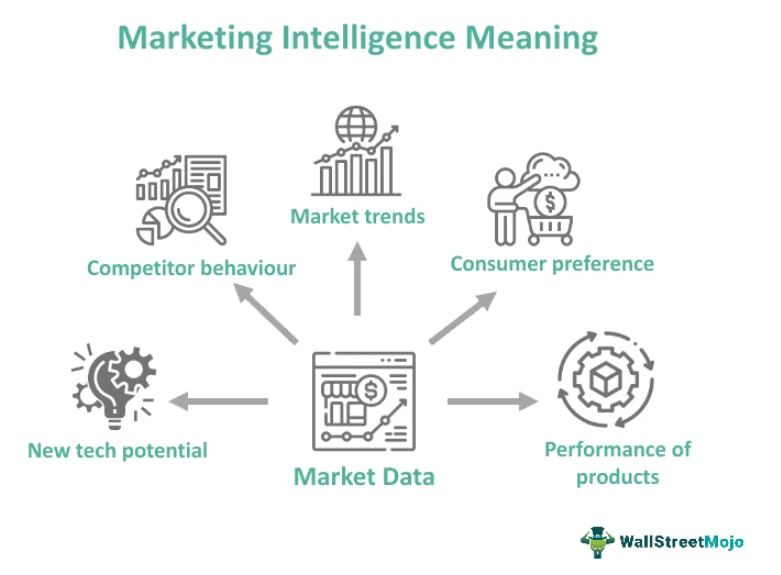
Image source: Wall Street Mojo
Category intelligence or modern market intelligence also involves monitoring the assortment changes of your rivals. When a competitor launches a new product line or expands into a new sub-category, it can have a massive impact on your own market share tracking results. By getting notified of these changes in real-time, you can develop counter-strategies before the competitor gains too much momentum. This might involve launching a similar product or adjusting your current promotional calendar.
Furthermore, analyzing the strengths and weaknesses of competitor products through review sentiment can reveal gaps in the market. If customers are consistently complaining about a specific feature in a rival’s best-selling item, that is a golden opportunity for you to gain market share by offering a better alternative. This data-driven approach ensures that your ecommerce market share analysis leads to actionable business improvements.
How to Perform Ecommerce Market Share Analysis
For teams that need a more robust solution than simple spreadsheets, 42Signals offers a sophisticated intelligence engine. It is designed to decode the digital shelf and provide clear, actionable insights for market share tracking across multiple marketplaces. Instead of spending hours manually collecting data, your team can focus on the strategic decisions that drive growth.
The platform aggregates vast amounts of data in near real-time, allowing for highly accurate market share monitoring. It tracks everything from pricing and promotions to content quality and search rankings. This comprehensive view ensures that your market share tracking is based on a holistic understanding of the digital environment. You can see exactly where you stand against your primary rivals on Amazon, Walmart, and even quick-commerce apps like Blinkit and Zepto.

One of the standout features of the 42Signals approach is its ability to simulate the consumer experience at a hyperlocal level. This is especially important for brands in categories like FMCG where availability and pricing can vary by location. By tracking data at the pincode level, the platform provides a much more granular ecommerce market share analysis than tools that only look at national averages. This ensures your strategy is grounded in the reality of what your customers actually see.
Tracking Relative Sales Volume on Amazon
Amazon is the largest battlefield for most ecommerce brands, making it the most important place for market share tracking. Because Amazon is so competitive, your relative sales volume there is a key indicator of your global brand health. To win on Amazon, you need to know more than just your own sales. You need to know how your sales velocity compares to the thousands of other products in your category.
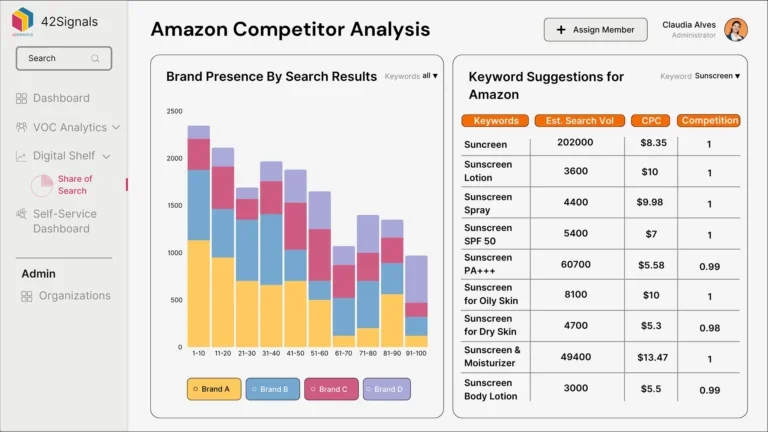
One way to track this is by monitoring the Best Sellers Rank (BSR). While the BSR does not give you an exact sales number, it is a highly reliable proxy for relative sales volume within a specific category. Effective market share tracking involves watching how your BSR moves in relation to your top five competitors. If your rank is improving while theirs is falling, you are successfully capturing more of the market’s demand.
Additionally, you should track your “Share of Voice” on high-traffic keywords. This is often a precursor to sales volume. If you see your products appearing in the top rows for generic category terms like “organic coffee” or “wireless headphones,” your market share tracking will likely show a positive trend in the coming weeks. Using automated systems to monitor these rankings across different times of the day ensures your data is consistent and reliable.
Protecting Your Brand Market Share Tracking Strategy
A good strategy is only as strong as your ability to protect it. In the world of ecommerce, this often means enforcing price integrity and brand value. If unauthorized sellers are undercutting your prices, it can throw off your market share tracking data and erode your profit margins. You need a way to monitor for MAP violations to ensure that your market position is built on sustainable practices.
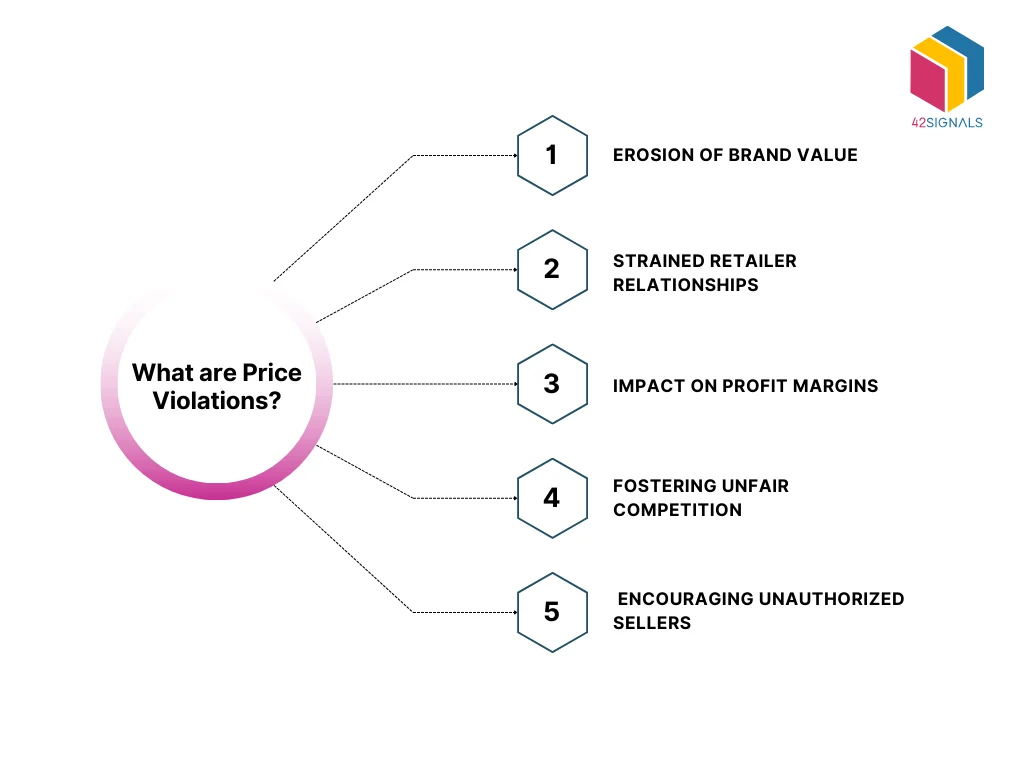
Automated detection of pricing policy violations is a critical part of brand market share tracking. When your prices are consistent across all authorized channels, it creates a stable environment for your brand to grow. If rogue retailers are creating chaotic pricing, it confuses consumers and alienates your authorized partners. By using a tool like 42Signals to scan for these issues, you can act quickly to protect your brand equity.
Furthermore, you should use market share tracking to identify when a competitor is using predatory pricing to steal your customers. If you see a rival’s relative sales volume spike while their price drops significantly, you can analyze whether this is a short-term promotion or a long-term strategy to gain market share. This intelligence allows you to decide whether to match their price or wait for their margins to become unsustainable.
Market Share Monitoring for Long-term Success
Winning in ecommerce is a marathon, not a sprint. This is why consistent market share monitoring is so important. You cannot just check your market position once a year and expect to stay on top. The digital landscape changes too fast for that. You need a daily or weekly pulse on the market to catch shifts as they happen.
By establishing a regular rhythm for market share tracking, your team becomes more agile. You can start the day with reports that highlight significant price changes, new competitor promotions, or shifts in search visibility. This allows you to react instantly to threats and seize new opportunities before your rivals even know what is happening. It turns your ecommerce market share analysis from a retrospective report into a proactive planning tool.
Long-term success also comes from using trend analysis to inform your quarterly and annual planning. By looking at how your market share tracking data has evolved over the past year, you can identify seasonal patterns and long-term category shifts. This helps you allocate your budget more effectively and ensures that your brand is positioned to win in the future, not just today.
Master Your Market Share Tracking
In conclusion, understanding whether you are truly winning or just growing requires a commitment to market share tracking. Revenue is a great starting point, but it only tells half the story. To get the full picture, you must look at your relative sales volume, your share of search, and your overall market position within your category. This is the only way to ensure that your growth is sustainable and that you are not being left behind by faster-moving competitors.
Using advanced tools like 42Signals provides the category intelligence and real-time alerts you need to dominate the digital shelf. By moving beyond simple internal dashboards and embracing a more comprehensive ecommerce market share analysis, you empower your team to make better, data-backed decisions. Whether you are tracking Amazon, Walmart, or local quick-commerce apps, the right data makes all the difference.
Stop flying blind and start measuring your success based on how much of the market you actually own. Implement a robust market share tracking strategy today and give your brand the competitive edge it deserves. With the right insights, you can transform from being a reactive player into a proactive market leader who commands the digital shelf.
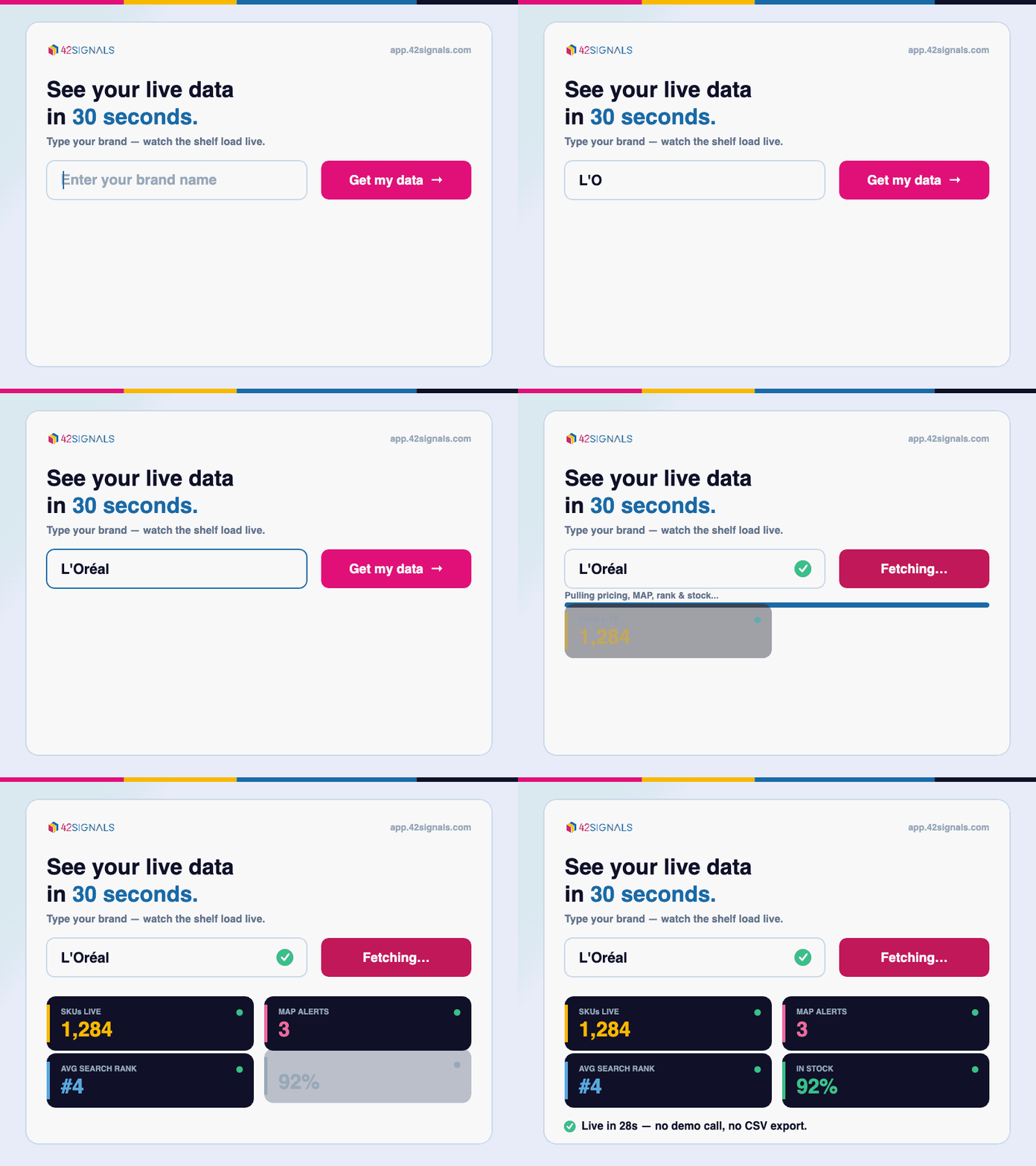
42Signals gives you the category intelligence to make that shift. See how it works with our app.
FAQs on Ecommerce Market Share Tracking
How is market share tracking different from sales tracking?
Sales tracking only looks at your own internal numbers, such as total revenue or units sold. Market share tracking looks at those same numbers but compares them to the total sales of the entire category or your top competitors. It tells you if you are becoming more or less important in the eyes of the consumer relative to other available options.
Why is share of search important for my market position?
Share of search is a leading indicator of market share because most ecommerce purchases start with a search query. If your products are appearing at the top of the results more often than your competitors, you are more likely to capture the sale. Tracking this over time helps you predict future changes in your actual sales volume.
How can I track my market share on Amazon without official data?
You can use several reliable proxies, such as the Best Sellers Rank (BSR), the number of reviews you receive compared to rivals, and your ranking for high-volume keywords. By monitoring these signals daily, you can create a very accurate picture of your relative performance and how it changes over time. Platforms like 42Signals automate all of this — tracking BSR, keyword rankings, and review velocity daily across your full competitive set.
What is the most common mistake in ecommerce market share analysis?
The most common mistake is failing to account for overall market growth. If your sales grow by five percent but the market grows by ten percent, you are actually losing your market position. A true analysis must always place your own growth within the context of the total category performance.
How often should I perform market share monitoring?
Ideally, you should have automated systems providing daily alerts for major shifts, with a deeper strategic review conducted weekly or monthly. This frequency ensures that you can catch short-term competitive threats, like aggressive promotions, while also staying focused on long-term trends in your category.
Can market share tracking help me with pricing?
Yes, it is essential for pricing strategy. By seeing how price changes affect your relative sales volume and brand ranking, you can identify your product’s price sensitivity. It also helps you spot when competitors are lowering prices to gain share, allowing you to decide whether to follow suit or hold your premium position.
Webinar: Beyond Price Monitoring: The 4 Hidden Dimensions of Competitor Intelligence
Learn how to track competitor assortment shifts, localized delivery speeds, merchant landscape leakage, and search visibility trends before they erode your market share.