
The Current Landscape of Retail Traffic Trends
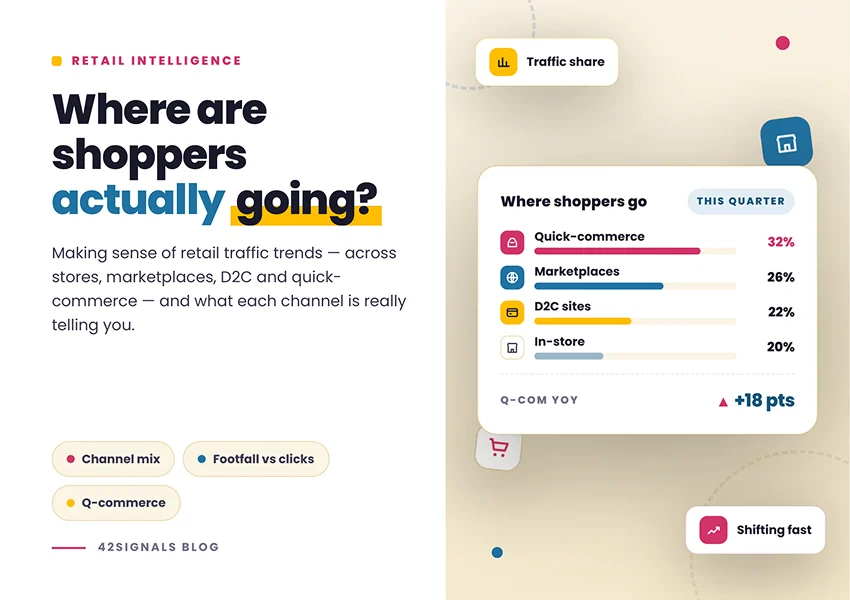
In 2026, the way we look at retail traffic trends has completely changed because the lines between a physical store and a digital app have almost disappeared. Shoppers are now moving through a barbell economy where they either want extreme luxury or massive discounts, leaving very little room for anything in the middle. We are seeing a massive shift where the traditional .com website is just one of many channels rather than the center of the universe. Digital surfaces like TikTok Shop, Roku, and even AI chatbots are becoming the new storefronts where people discover and buy products in real time.
Current data shows that mobile devices now drive over 54 percent of online sales, and this number is only going up as social commerce becomes more mainstream. Brands that are winning today are the ones that use retail traffic analysis to understand how demand moves across platforms before they even see a single sale. They are focusing on share of search metrics to see how often people are looking for them compared to their rivals.
How to Read Retail Traffic Trends Across Channels
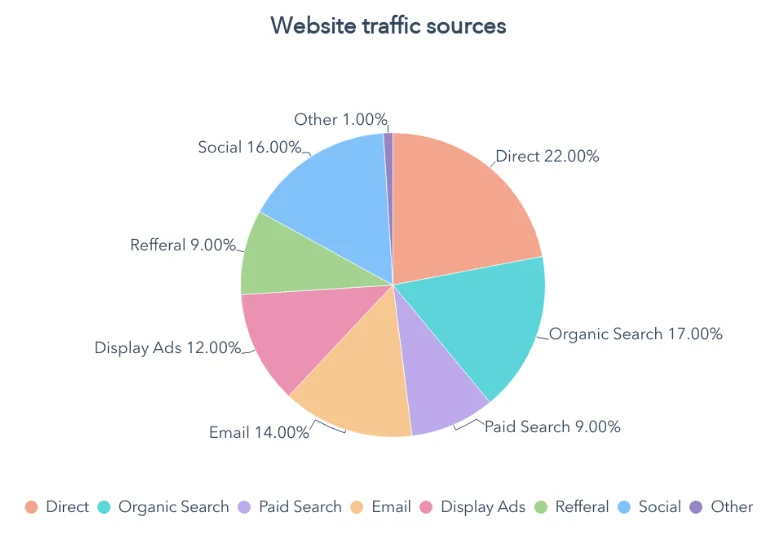
Image Source: Smart Insights
If you want to understand where shoppers are going, you have to stop looking at your website traffic as an isolated number. In the past, a marketing team might have been happy just seeing a spike in hits on their homepage, but today that is only a tiny piece of the puzzle. Retail traffic trends are now spread across what experts call the catalog everywhere model. This means your products are being seen on gaming platforms like Roblox, through affiliate links in niche newsletters, and even inside AI models like ChatGPT.
The first step in a modern retail traffic analysis is to look at where the awareness is actually starting. For many top brands, TikTok has become the primary engine for awareness even if the final purchase happens on a different site. One major apparel brand reported spending half a million dollars a day on Meta ads, yet almost every customer they talked to said they first found the brand on TikTok. This shows that digital footfall is often a multi step journey that crosses from a social feed to a search engine and finally to a checkout page.
Understanding these demand patterns requires looking at leading indicators like share of search. This metric acts like a crystal ball because it shows shifts in consumer interest before the actual sales reports are finalized. For example, if people suddenly start searching for affordable meal kits for one at a rate 65 percent higher than last month, that is a clear signal of a market shift that brands need to react to immediately. If you are not tracking these search signals, you are essentially flying blind and might end up stocking products that nobody is looking for anymore.
What Drives Online Retail Traffic in 2026?
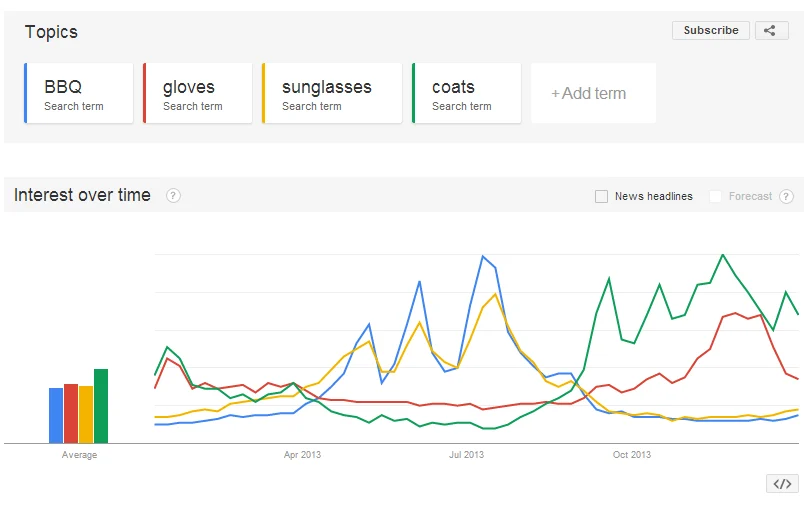
Image Source: Weather Ads
When we talk about online retail traffic, we are really talking about the battle for visibility on the digital shelf. In 2026, shoppers are showing an always on behavior, meaning there are no longer just sharp peaks during the holidays. After the 2024 holiday season, search volume did not go back down to old levels but instead established a much higher baseline for the following years. This means your brand needs to have a continuous presence rather than just showing up for a few weeks in December.
A big part of ecommerce traffic trends is the shift toward mobile shopping, which is now the preferred way for most people to transact. During recent Cyber Week events, mobile web traffic hit an all time high of 79 percent. This means if your mobile experience is even slightly clunky, you are losing a massive portion of your potential audience before they even see your products. You should also consider that conversion rates are often different on various devices, with desktop still seeing higher rates around 6.5 percent compared to 3.2 percent on smartphones.
To master this landscape, you should check out our Retail Market Intelligence Guide which explains how to use these signals to beat your competitors.
Here are a few ways to interpret your online traffic signals:
- You should look at the depth of your organic ranking to see if your entire catalog is visible or just your best sellers. Some brands maintain a consistent wall of inventory across search results while others drop off quickly after the first page. Having a deeper catalog visibility helps you capture long tail search intent from customers who are looking for very specific items.
- Monitoring your share of search for generic keywords is just as important as tracking your brand name. Winning a search for a broad term like cotton tshirt is how you find new customers who haven’t heard of your brand yet. This requires a mix of strong SEO practices and a healthy budget for sponsored search placements.
- Tracking the velocity of your social proof can tell you a lot about how well your traffic will convert. Products that include real customer videos tend to convert visitors over three times faster than those that only use polished studio photos. This is because modern shoppers value authenticity and want to see how a product looks in a real person’s hands.
The New Reality of Store Traffic Trends and Showrooming
Even though so much shopping is happening online, physical store traffic trends are still a vital part of the retail mix. However, the purpose of the physical store has shifted from being just a place to buy things to being a showroom for digital research. This behavior is known as showrooming, where a customer visits a store to touch and feel a product but then goes online to find the best price or a specific color. Data shows that 63 percent of shoppers use their phones to check competitor prices while they are literally standing in a store aisle.
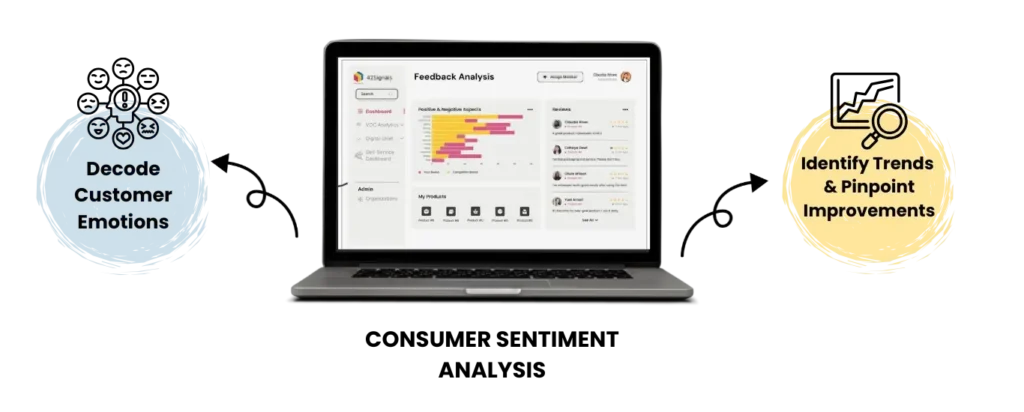
This cross channel behavior means that online footfall and physical visits are now linked. Many brands are using in store QR codes to connect these two worlds, allowing customers to scan a code to see video reviews or unlock online exclusive colors. This creates a unified experience that keeps the customer engaged with the brand regardless of where they choose to eventually check out. It also helps retailers track the impact of their physical locations on their digital sales.
To see how leading brands manage this, you can view our Digital Shelf Performance Metrics page for a deeper look at cross platform data.
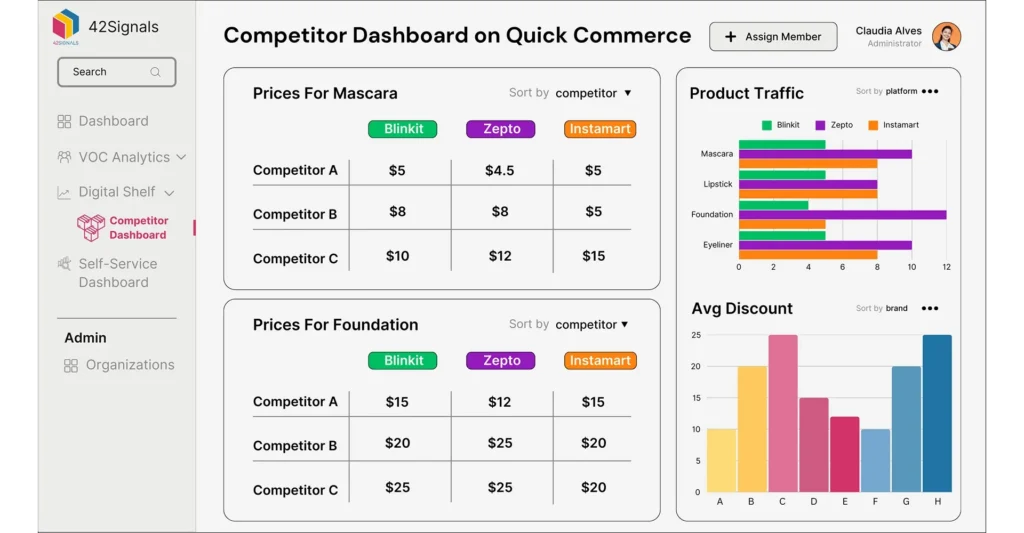
Understanding physical traffic also involves looking at fulfillment options like click and collect. Many consumers now start their journey on a brand’s website but choose to pick up their order in a nearby store to save on shipping or get the item faster. This provides a great opportunity for retailers to drive unplanned impulse buys once the customer is inside the building. In fact, over half of the users on quick commerce apps end up adding extra items to their orders because of the convenience and speed.
Why Ecommerce Traffic Trends Are Moving Toward CTV
One of the most exciting shifts in retail traffic trends is the rise of Connected TV or CTV as a major driver of awareness. Unlike traditional social media feeds where you might see a hundred different ads in a single night, CTV offers a much larger canvas and a more focused audience. Most people watching a movie or a show are giving it their full attention for an hour or more, which makes them much more likely to remember a brand they see on the big screen.
Advertisers are starting to love this channel because it is largely protected from the influx of AI generated content that is currently flooding search engines and social feeds. You are seeing real people in real stories, and that creates a level of trust that is hard to replicate on a five inch phone screen. Plus, with tools like Roku Ads Manager, brands can now run interactive ads where a viewer can click their remote to receive a text message with a link to buy a product.
If you’re interested in how this tech works, you should schedule a demo with our team to see how we track these emerging signals.
Here is why CTV is becoming a staple for retail traffic analysis:
- The targeting capabilities are now just as precise as any digital platform, allowing you to focus on specific zip codes or household income levels. This is perfect for brands that want to drive foot traffic to specific local stores by running ads only in the surrounding areas. You can even upload your existing customer lists to target people who have already bought from you.
- The cost of these ads is often much lower than what you would pay for competitive keywords on Google or Meta. In some markets, you can get high quality TV impressions for a fraction of the cost of a Facebook ad. This makes it a great way to diversify your media spend and reach people in a less crowded environment.
- You can measure the performance of these campaigns in real time using pixels that track site visits and conversions immediately after an ad runs. This takes the guesswork out of TV advertising and allows you to see exactly how many people are coming to your site because of your commercials.
Using Retail Traffic Analysis to Predict Future Demand
The ultimate goal of studying retail traffic trends is to get better at demand forecasting. By analyzing vast amounts of internal data like website clicks and external signals like social media buzz, AI models can now predict what customers will want with incredible accuracy. This allows brands to move from being reactive to being proactive, making sure they have the right stock in the right place before the demand even peaks.
Predictive analytics and product availability can also help you understand ghost demand, which refers to the sales you lost because a product was out of stock. By looking at abandoned carts and traffic to pages for items that were unavailable, you can see exactly how much money you left on the table. This information is crucial for planning your future replenishment and making sure you don’t repeat the same mistakes next season.
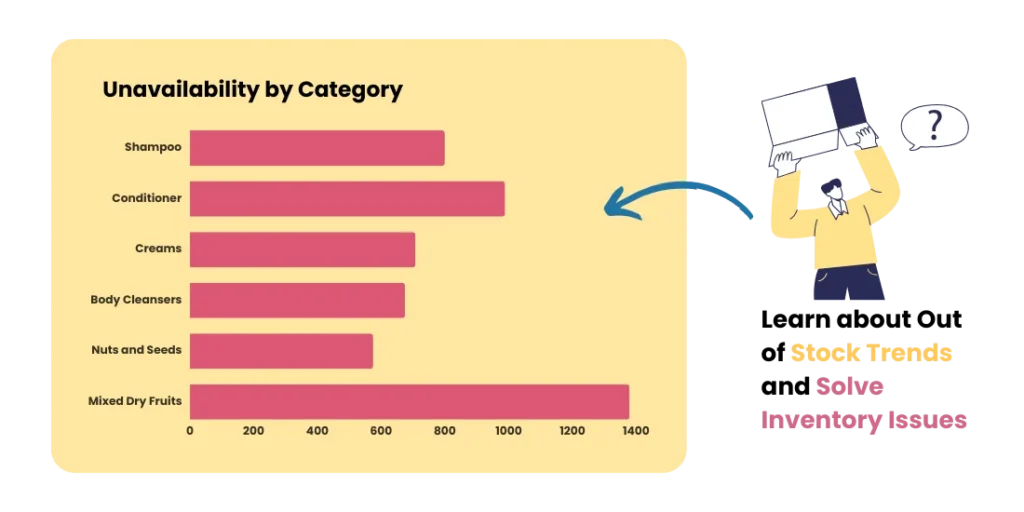
To learn more about this, read our article on Stock Availability Analytics and how it impacts your bottom line.
Here are the key factors for a successful demand forecast:
- You need to look at causal factors like planned promotions and competitor actions that might influence your traffic. If a rival brand drops their prices or launches a major campaign, your own traffic and demand will likely be affected, and your forecast needs to account for that.
- Time series analysis of your historical data is the starting point for identifying recurring patterns like holiday spikes or summer dips. However, you must be careful to separate true interest from artificial spikes caused by a one time viral event.
- Qualitative input from your human teams is still essential because data alone can’t always predict a sudden shift in culture. Your sales and marketing teams often have their ears to the ground and can provide context that a machine might miss.
What Is the Barbell Economy and How Does It Affect Retail Traffic?
We are currently living in what experts call the barbell economy, and it has a massive impact on how shoppers move between brands. This concept describes a market where the middle ground is dying, and people are either buying very cheap items or very expensive ones. Moderate discounts like 20 percent off are no longer enough to get people excited because they have been conditioned to wait for deep clearance sales of 50 percent or more.
This means that retail traffic analysis now shows a clear split in inventory. Brands are either protecting their brand equity by never going on sale, or they are liquidating old stock as fast as possible to keep cash flowing. If your brand is stuck in the middle, you might find that your traffic is stagnant because you aren’t offering enough value to the deal hunters or enough exclusivity to the luxury buyers.
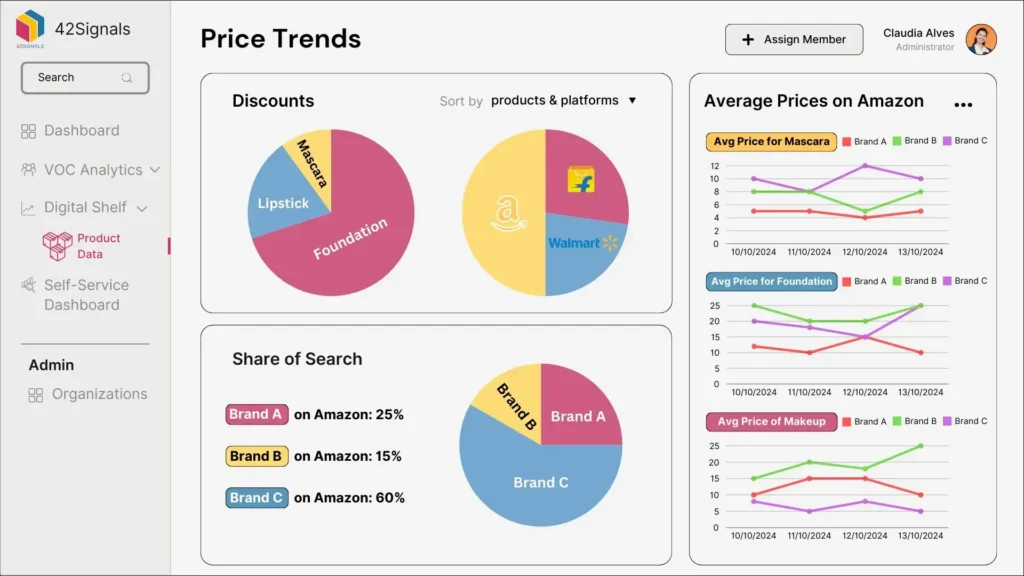
To help you navigate this, check out our Price and Availability in Ecommerce guide.
Here is how to adjust your strategy for the barbell economy:
- You should consider creating two distinct product streams, one for your icon collections that never go on sale and one for trend based items that you can discount heavily when the season ends. This allows you to protect your long term brand value while still capturing the traffic that follows deep discounts.
- Audit your distribution mix to make sure you are on the right platforms for your brand’s goals. Some marketplaces are known for being high end liquidation engines while others are fortresses for price integrity. Being on the wrong platform can send a confusing signal to your customers and hurt your perceived value.
- Monitor your resistance index to see how much of your inventory you can actually sell at full price despite market pressure. Brands that can maintain high volume without discounting have strong equity and are less vulnerable to economic shifts.
The Impact of Social Commerce on Digital Footfall
Social commerce is no longer just a buzzword; it is a fundamental shift in how digital footfall is generated. Platforms like TikTok Shop are turning from simple awareness engines into full scale retail ecosystems where the entire shopping journey happens in one app. This is creating a content farm model where creators generate massive amounts of video that drive traffic to specific products.
For many brands, the play is to use TikTok as the top of the funnel awareness machine and then use other channels like Meta to convert that interest into a sale. This works because TikTok is where people are discovering new things, while Meta is where they are often reminded to finish their purchase. By using creators to make authentic content, brands can reach new audiences that might have ignored traditional ads.
If you want to see how this translates to revenue, visit our page on Customer Feedback Analysis.
Here are some tips for winning in social commerce:
- You should build an in house affiliate machine rather than outsourcing it to an agency. By working directly with creators, you can build a proprietary moat of knowledge and ensure that your brand’s message is consistent across the platform. The most successful creators are often the ones who were formerly skeptics but are now genuine fans of the product.
- Don’t be afraid of using guarantees to reduce the risk for new creators who are joining your program. Most people are scared of commission only deals, so offering a small minimum guarantee can help get them started and creating content for you. Once they see their first big commission check, the flywheel will start spinning on its own.
- Focus on creating products that bring non market buyers into the category. A great example is a hoodie with a built in eye mask that makes people who weren’t even looking for a sweatshirt suddenly want one because of the unique feature. This creates net new demand and helps you stand out in a crowded market.
Closing Thoughts on Future Retail Traffic Trends
As we move further into 2026, the brands that thrive will be the ones that treat retail traffic trends as a living map of consumer desire. We have seen that shoppers are no longer loyal to a single channel but are instead moving fluidly between physical stores, social media apps, and AI chatbots. This means your retail traffic analysis must be just as fluid, tracking signals across the entire digital shelf to find where the next wave of demand is coming from.
Whether it is embracing the power of CTV, navigating the barbell economy, or building a creator-led affiliate machine, the key is to stay agile and data driven. By focusing on metrics like share of search and monitoring showrooming behaviors, you can make smarter decisions about where to invest your media budget and how to stock your inventory. The future of retail is not just about selling products; it is about being present wherever the shopper happens to be.
Explore the 42Signals Digital Shelf Analytics platform to see how we help brands master these trends every day.
Frequently Asked Questions
What are the most important retail traffic trends to watch in 2026?
The most important trends include the rise of the catalog everywhere model, the growth of mobile shopping as the primary channel, and the shift toward the barbell economy where shoppers prefer either extreme luxury or deep discounts.
How can I improve my online retail traffic?
You can improve your traffic by focusing on share of search for both your brand and generic keywords, using social proof like customer videos to boost conversions, and ensuring your mobile experience is seamless.
What is showrooming and how does it affect store traffic trends?
Showrooming is when a customer visits a physical store to see a product but then buys it online for a better price. It means stores are becoming more like physical research hubs that feed digital sales.
Why should brands include CTV in their retail traffic analysis?
CTV offers a focused audience on a large screen with less competition than social media. It also allows for precise zip code level targeting and can drive both online sales and in store foot traffic.
How does demand forecasting help with inventory?
Demand forecasting uses historical and real time data to predict what customers will buy, which helps retailers avoid stockouts and overstocking, ultimately saving money and improving customer satisfaction.
What role does TikTok play in generating retail traffic?
TikTok acts as a massive awareness engine and a content farm. It helps brands discover new audiences through creators, which then feeds traffic into other channels like Meta and Google for final conversion.