
Why Price Movements Matter for Your Strategy
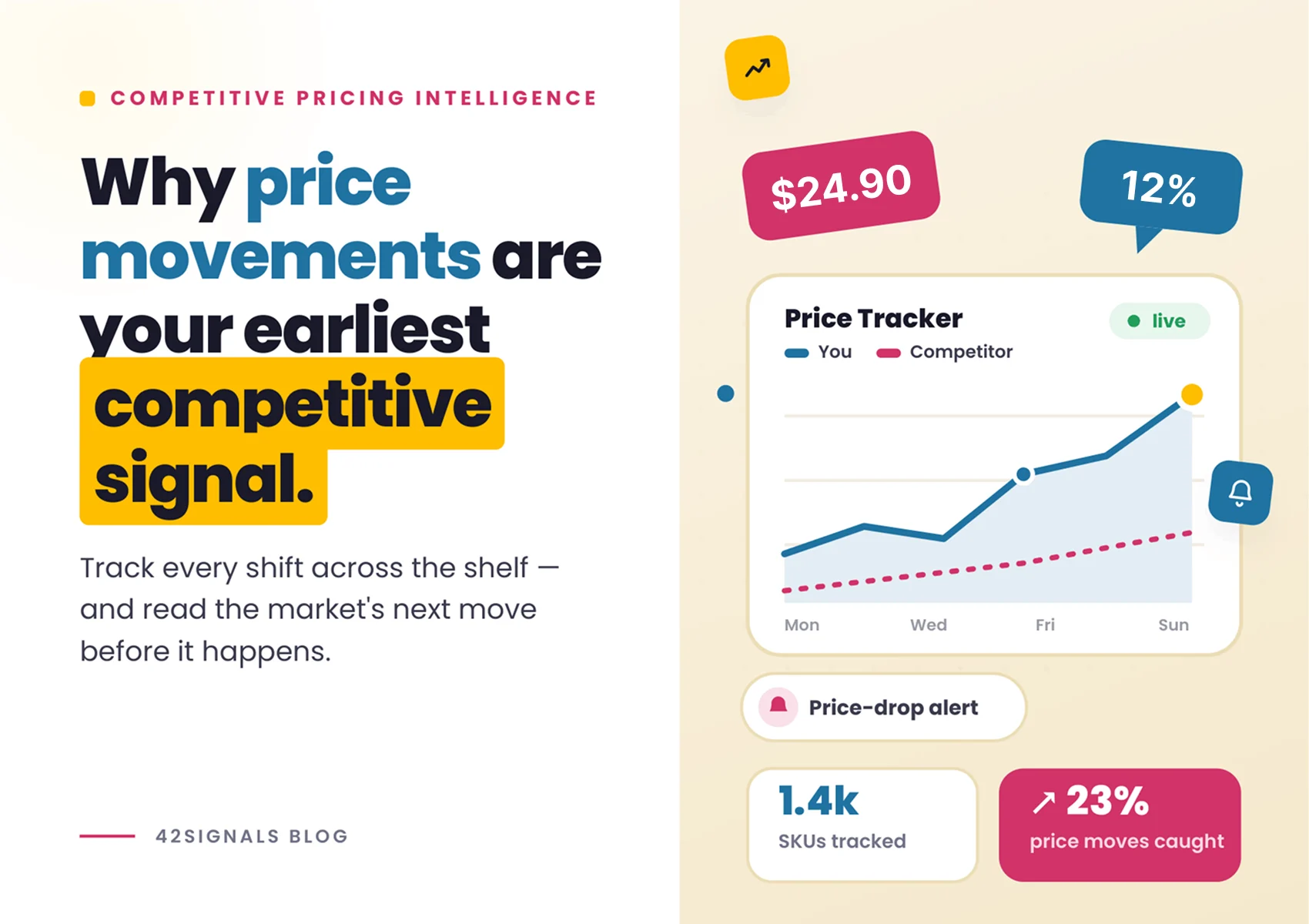
If you want to stay ahead in retail, you need to understand that price movements are more than just numbers on a screen. These shifts are actually the earliest indicators of deeper changes in the market, such as inventory levels or a competitor’s new marketing strategy. By focusing on price movement tracking, your team can spot threats before they turn into a loss of sales. This article looks at how keeping a close eye on retail price changes can protect your brand value and help you respond to competitor price movements with confidence. Using a tool like 42Signals allows you to see these signals in real time rather than reacting after the damage is already done.
What Are Price Movements Telling You About the Market?
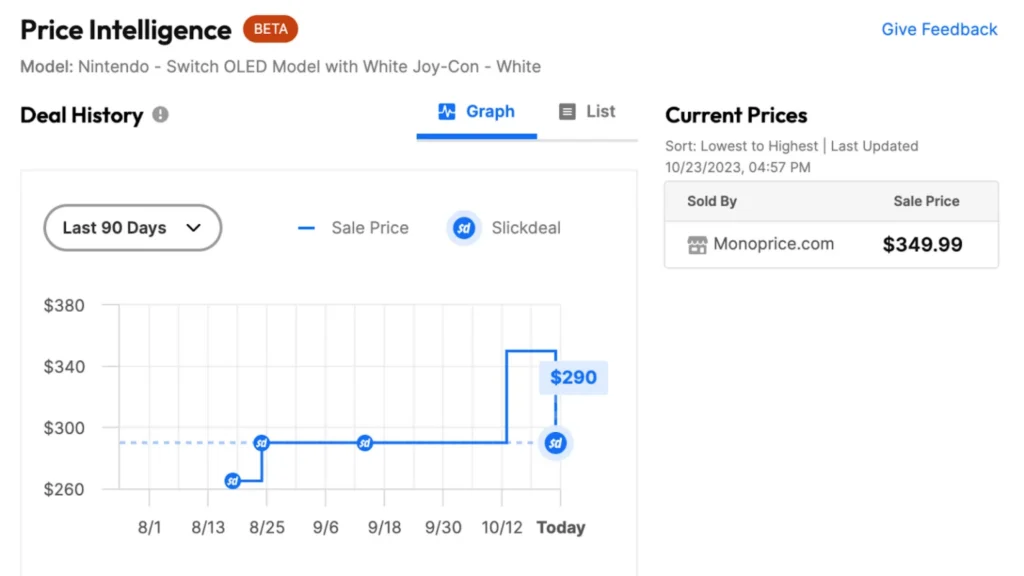
Image Source: Lifehacker
Think of price movements as a secret language used by your competitors. When a rival retailer drops their price by five percent, they are not just trying to get a quick sale. They might be dealing with overstock issues and trying to clear shelf space for a new product launch.
If you are not paying attention to these signals, you might miss the chance to adjust your own inventory or marketing plans. On the flip side, when you see prices rise, it could mean that a competitor is running low on stock or that their supply chain is struggling. This is your chance to step in and capture the customers they cannot serve.
By using professional price movement tracking, you can decode these patterns over time. Instead of looking at a single price point today, you can look at the history of how that price has changed. This kind of price trend analysis helps you see if a competitor always discounts on a specific day of the week or if they follow a seasonal pattern.
Understanding these habits gives your pricing team a huge advantage because you can predict their next move before they even make it. It turns a reactive department into a strategic powerhouse that helps the whole company grow.
The Connection Between Retail Price Changes and Market Share
It is a common mistake to think that market share loss happens all at once. In reality, it usually starts with small, almost invisible price movements that pull customers away slowly. Most shoppers today use price comparison tools, so even a tiny difference in cost can lead them to a different website.
If your competitors are consistently cheaper by just a few cents, you will start to see your conversion rates dip. This is why price fluctuation monitoring is so vital for any brand that wants to keep its position in the digital shelf.
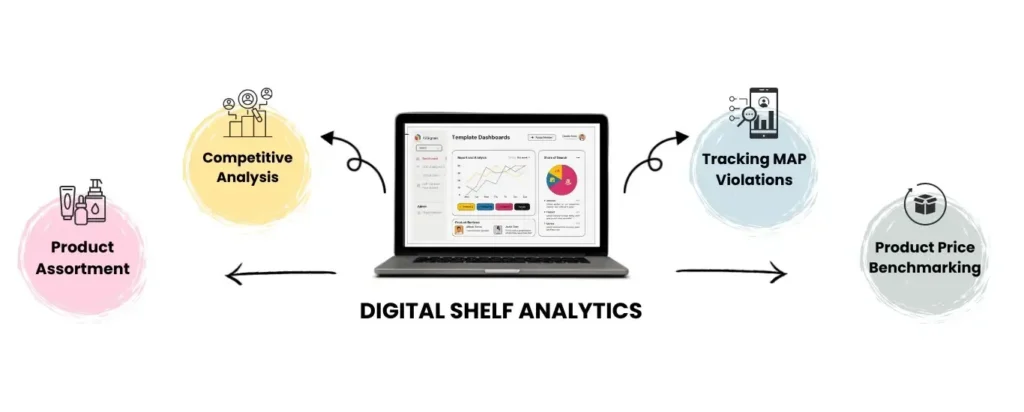
When you ignore these retail price changes, you are essentially giving away your customers for free. Over a month or two, those lost sales add up to a significant chunk of market share. Research from McKinsey shows that automating your pricing and intelligence can boost profits by 2 to 7 percent because it allows you to react instantly to these shifts.
If you wait for a monthly report to tell you that your sales are down, it is already too late to win those customers back. You need to see the price movements as they happen so you can make the right call immediately.
Why Competitor Price Movements Are the Best Early Warning System
Imagine being able to see a storm coming before the first drop of rain hits the ground. That is exactly what monitoring competitor price movements does for your business.
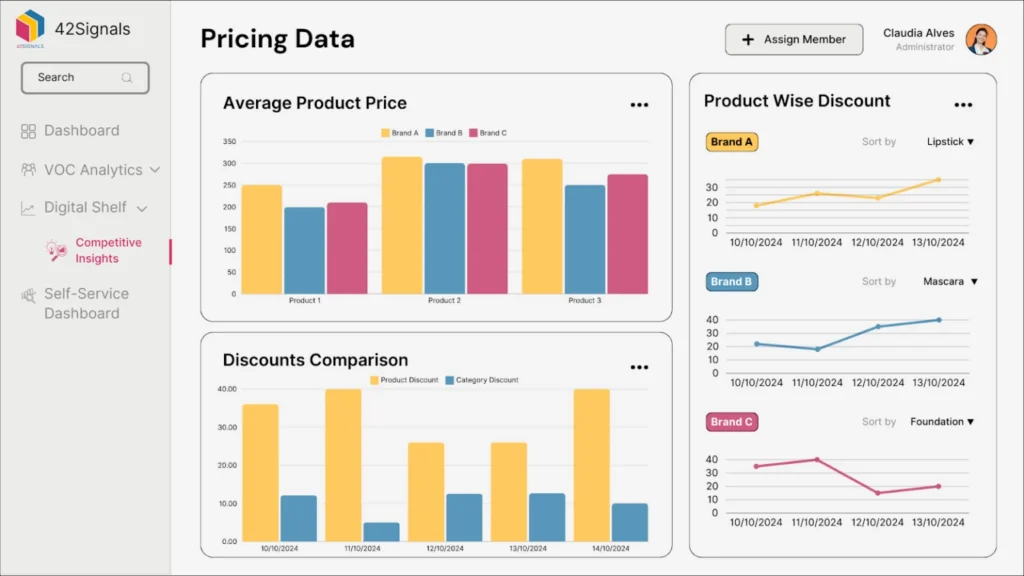
Before a competitor launches a massive marketing campaign, they often test the waters with subtle price adjustments. If you have a system for price movement tracking in place, these anomalies will stand out like a sore thumb. You can see which categories they are focusing on and which SKUs they are prioritizing for the upcoming season.
Another critical signal to watch for is how competitors respond to your own changes. If you lower your price and they match it within minutes, you know they are using automated dynamic pricing signals. This tells you that you are in a high-stakes digital war where speed is the most important factor.
If they do not respond at all, it might mean they are focusing on a different segment of the market or that they have superior brand loyalty. Every one of these price movements tells a story about the competitive landscape that you cannot find in any other data set.
Protecting Your Brand Value Through Price Fluctuation Monitoring
One of the biggest risks to a premium brand is the erosion of its perceived value. When unauthorized sellers or aggressive competitors start a race to the bottom, your brand’s reputation takes a hit.
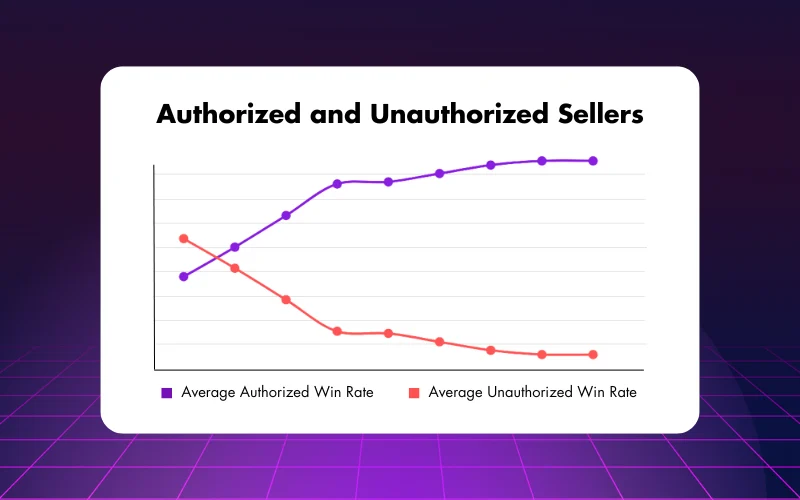
Image source: IP Secure
Customers who see your product being sold for half the price on a random marketplace will start to question if it is actually worth the premium you usually charge. This is why price fluctuation monitoring is a key part of brand protection. It allows you to see when a price drop is happening so you can investigate the source before it spreads to other platforms.
Maintaining a stable price index is essential for long-term health. If your prices are constantly jumping up and down without a clear strategy, you train your customers to wait for the next discount. This destroys your margins and makes it much harder to sell at full price in the future.
By tracking price movements closely, you can ensure that your promotional cycles are intentional and that you are not just reacting to every little vibration in the market. This kind of discipline is what separates market leaders from those who are constantly struggling to stay profitable.
Preventing MAP Erosion with Better Price Movement Tracking
Minimum Advertised Price (MAP) policies only work if you can actually enforce them. For many brands, the sheer volume of retailers and marketplaces makes manual checks impossible.
This is where price movement tracking becomes your best friend for compliance. It can scan hundreds of sites at once and flag any instance where a seller has dipped below your agreed-upon price. This prevents a domino effect where one violation causes every other retailer to lower their prices to stay competitive.
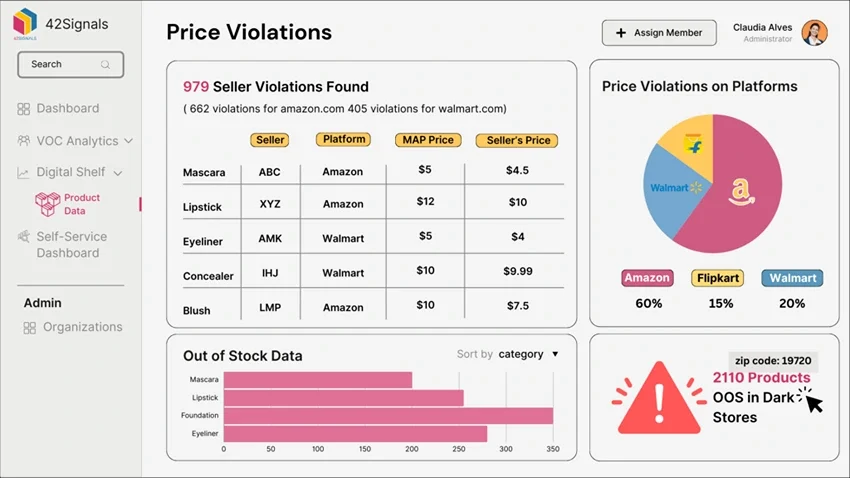
If you catch a MAP violation early, you can reach out to the seller and fix the issue before it impacts your entire distribution network. However, if you miss it, the damage can be permanent. Retailers who follow your rules will get frustrated when they see others undercutting them, and they may decide to stop carrying your products altogether.
Reliable price movement tracking gives you the evidence you need, such as time-stamped screenshots, to take legal or administrative action against violators. It turns your MAP policy from a piece of paper into a real tool for protecting your profit margins.
How to Set Up Price Movement Tracking for Your Catalog
Setting up a tracking system doesn’t have to be a headache. You just need a clear plan and the right technology to handle the heavy lifting. First, you need to identify which competitors are the most dangerous to your business.
You should focus on those who occupy the same search space via share of search as you and those who are known for aggressive pricing tactics. Once you have this list, you can set up price movement tracking to monitor their most important SKUs daily or even hourly.
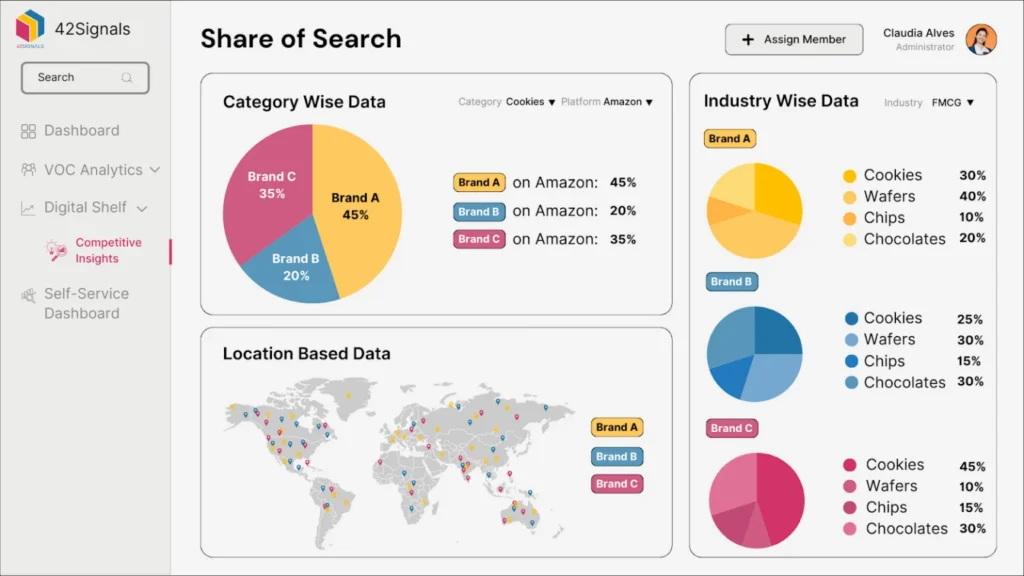
The next step is to define what counts as a significant signal. Not every five-cent change is worth an alert, as that would just create noise for your team. You should set thresholds based on your specific industry and the typical price volatility of your products.
For example, you might only want an alert if a competitor drops their price by more than three percent or if they fall below a certain dollar amount. This ensures that your pricing team only spends time on the price movements that actually matter for your strategy.
The Role of Repricing and Dynamic Pricing Signals
In the modern e-commerce world, pricing is no longer a “set it and forget it” task. Many of your rivals are likely using repricing software that changes their costs based on a variety of factors. These can include their inventory levels, your own price changes, or even the time of day.
By watching these dynamic pricing signals, you can learn the logic behind their software. This allows you to create your own rules that counter their moves effectively without getting dragged into a price war that ruins your margins.
Effective price movement tracking gives you the data you need to feed into your own repricing tools. When you have high-quality, real-time information, your automated systems can make better decisions. This reduces the risk of errors that could lead to massive losses, such as selling a product for much less than you intended because of a software glitch.
By combining human strategy with powerful tracking technology, you create a system that is both fast and smart. This balance is exactly what you need to win in a market that never stops moving.
How Price Trend Analysis Helps You Win the Long Game
While real-time alerts are great for tactical moves, price trend analysis is how you win the long game. By looking at months or even years of data, you can see the bigger picture of how a category is evolving.
You might notice that certain products are becoming more price-sensitive over time or that a new competitor is slowly gaining ground by keeping their prices slightly lower than the average. This information is gold when it comes time for annual planning or negotiating with your suppliers.
Using these insights, you can build a more accurate price index for your industry. This index helps you understand where you stand relative to the market at any given time. If you see the whole market’s price index rising but yours staying flat, you might be leaving money on the table.
Conversely, if the market is dropping but you are holding steady, you need to be very sure that your brand value justifies the extra cost. Price movements are the data points that allow you to make these high-level decisions with actual evidence rather than just a gut feeling.
Using 42Signals for Near-Real-Time Price Movement Tracking
The challenge for most large enterprises is the scale of the data. Tracking thousands of products across dozens of countries and hundreds of retailers is simply too much for a manual team. This is where a professional platform like 42Signals comes in. It provides the infrastructure you need to monitor retail price changes across the entire internet without breaking a sweat.
The platform is designed to handle the complexity of modern retail, including the unique structures of quick commerce and dark stores.
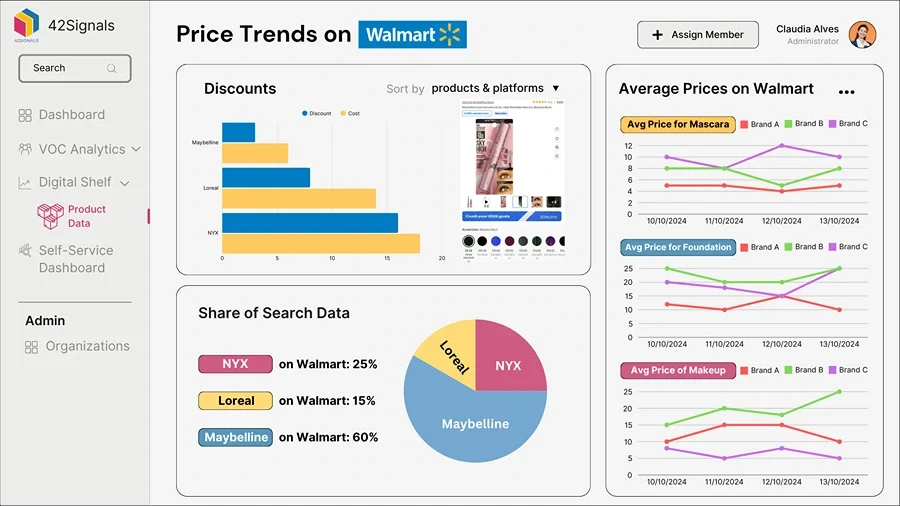
With 42Signals, you get more than just raw data; you get actionable insights. The system can send you alerts the moment a competitor makes a move, allowing you to respond within minutes. It also tracks other important factors like product availability and search rankings, giving you a full picture of the digital shelf.
This means you can see if a price movement is related to a stockout or a change in promotional strategy. By having all this information in one dashboard, your team can work faster and make better decisions that directly impact your bottom line.
Essential Metrics to Track for Price Volatility
When you are building your tracking strategy, there are a few key metrics you should never ignore. First is the frequency of price changes. If a product’s price changes ten times a day, that is a sign of high price volatility and likely heavy automation by your competitors. Second is the depth of the discounts. Knowing how far a competitor is willing to go can help you set your own limits. Third is the duration of the price movements. A short flash sale requires a different response than a permanent price drop.
You should also look at the relationship between price and availability. If you see a competitor drop their price right before they run out of stock, they might be trying to maximize their final sales before a long period of being away from the market. Tracking these metrics consistently allows you to build a sophisticated understanding of the market. It moves your team away from simple price matching and toward a more nuanced strategy that focuses on maximizing total profit over the long term.
The Impact of Price Movements on Search Ranking
Most people don’t realize that price movements actually affect how often your products show up in search results. Many marketplace algorithms, like those used by Amazon or Walmart, favor products that offer good value to the customer.
If your competitor lowers their price and their sales volume goes up, the algorithm will likely push them higher in the search rankings. This means that a price change today could lead to a loss of visibility tomorrow, making it even harder to get your products in front of customers.
By using price movement tracking, you can anticipate these shifts in search ranking. If you see a rival getting aggressive with their pricing, you know you need to work harder on your other digital shelf metrics, like reviews or content accuracy, to maintain your position.
Alternatively, you might decide to match their price temporarily just to protect your search ranking. This holistic approach to e-commerce is what makes a competitive signal like a price change so powerful; it affects every part of your digital success.
Making Price Intelligence Part of Your Daily Workflow
Finally, tracking price movements is about more than just software; it is about your company culture. You want your category managers and pricing analysts to be curious about the “why” behind every retail price change.
When a new competitor enters the market with a low price, your team should be ready to analyze their strategy and recommend a response immediately. This proactive mindset is what keeps a company agile and prevents it from being disrupted by newer, faster players.

Encouraging your team to use data from price trend analysis in their daily meetings makes the information more valuable. Instead of talking about what happened last month, they can talk about what is happening right now and what is likely to happen next week.
This shift in focus is only possible when you have a reliable source of truth for your competitive data. By investing in the right tools and processes today, you are building a foundation for years of growth and market dominance in an increasingly competitive world.
Conclusion: Mastering Price Movements for Long-Term Success
In a market where every second counts, understanding price movements is your greatest competitive advantage. These signals give you a window into your rivals’ minds and allow you to protect your market share and brand value with precision. By moving away from manual checks and adopting sophisticated price movement tracking, you empower your team to act with speed and intelligence. Whether you are fighting to maintain your margins or looking for opportunities to grow, the data provided by these signals is the key to making better decisions.
Mastering the art of monitoring retail price changes is not just about having the best software; it is about using that information to build a smarter, more resilient business. As you continue to refine your price trend analysis and respond to competitor price movements, you will find that you are no longer just reacting to the market. Instead, you are helping to shape it. Take the first step today by looking at your current processes and finding the gaps where real-time intelligence could make a difference for your brand.
Contact 42Signals today to see your brand’s presence on the marketplace.
FAQs About Tracking Price Movements
What are price movements in retail e-commerce?
Price movements are any changes in the advertised price of a product over a period of time. In the world of e-commerce, these changes can happen several times a day as competitors adjust to market conditions, inventory levels, and each other’s actions.
How does price movement tracking help with MAP compliance?
It helps by automatically monitoring all your authorized and unauthorized retailers to ensure they are sticking to your Minimum Advertised Price. When someone breaks the rule, the system alerts you immediately so you can take action before it starts a price war among other sellers.
Why do competitor price movements matter more than internal sales data?
Internal sales data tells you what has already happened, but competitor price movements tell you what is about to happen. They are a “leading indicator” that signals a shift in market dynamics before your own sales numbers start to reflect the change.
Can price movement tracking be automated for large catalogs?
Yes, and for most large companies, it must be. Automation allows you to track thousands of SKUs across multiple websites and geographic regions without needing a huge team of manual researchers. This ensures that your data is always fresh and accurate.
What is price trend analysis and how is it used?
Price trend analysis is the practice of looking at historical price data to identify patterns and cycles. It is used to predict future competitor behavior, plan promotional schedules, and understand the long-term value of a product category.