
Keyword Search Data: Read Ecommerce Demand Early
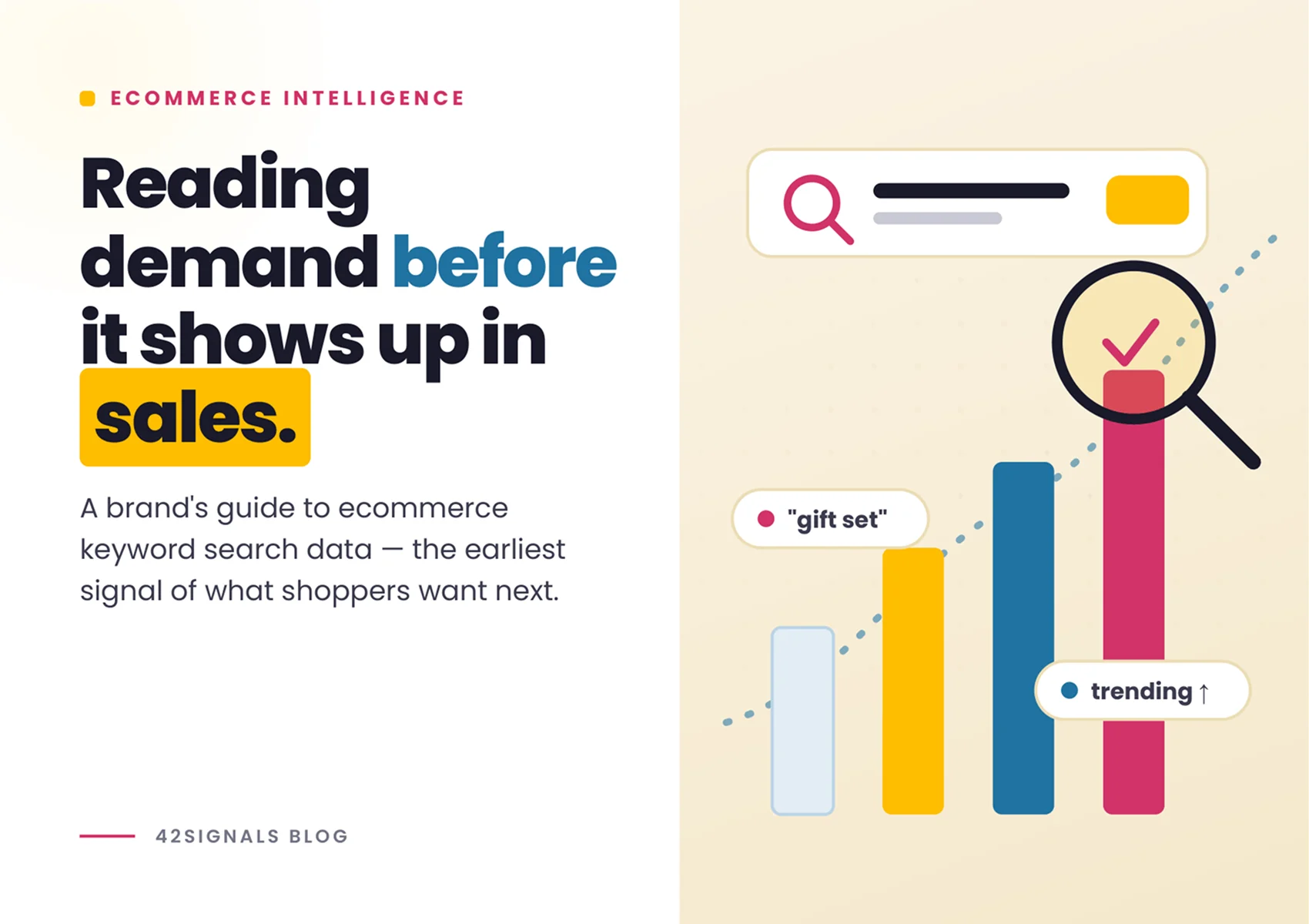
Every brand manager wants to know what customers will buy before they actually buy it. Most ecommerce teams look at their sales reports from last week or last month to decide what to do next. While sales data is helpful, it is also a lagging indicator because it only tells you what happened in the past. If you want to see the future of your category, you need to start looking at keyword search data. This information represents the very first moment a shopper expresses a need or a problem. By the time that search turns into a sale, you might already be too late to the party.
Key Insights on Using Keyword Search Data for Early Demand
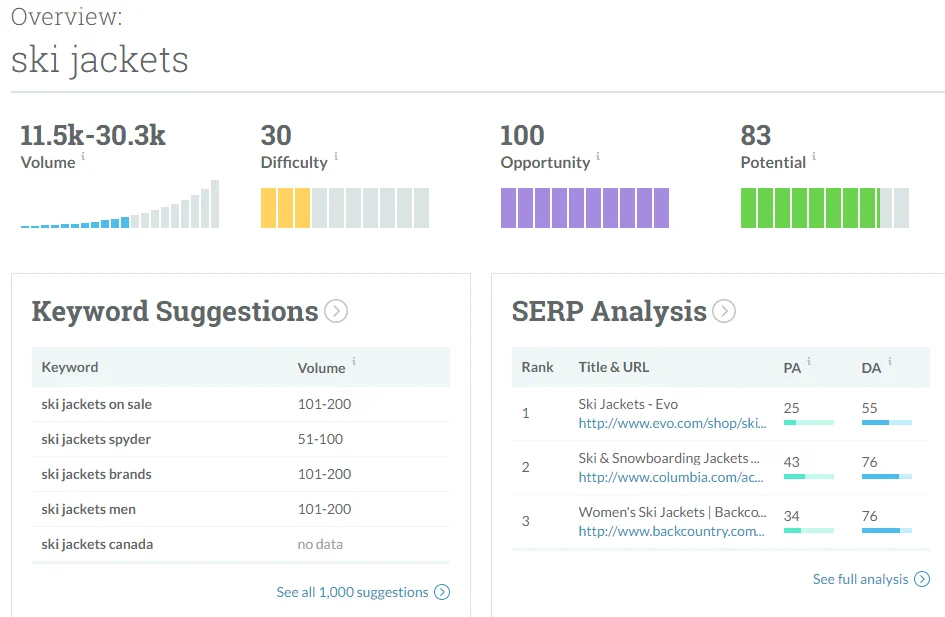
Image Source: WordStream
If you are looking for a quick way to improve your strategy, this summary of keyword search data is for you. Keyword search data acts as the primary signal for shifting search demand across marketplaces like Amazon India and Flipkart. It allows brands to identify query trends before they impact inventory levels, ensuring that you are never caught off guard by a sudden spike in interest. By monitoring ecommerce keyword data, you can move from being reactive to being proactive in your product assortment and content decisions. This guide will help you understand how to bridge the gap between what people are looking for and what you are actually selling.
The Problem With Relying Only on Sales History
Most ecommerce brands rely heavily on historical sales data to plan their future. They look at what sold well during the same month last year and assume the pattern will repeat. However, consumer search behavior is constantly changing based on new trends, social media influence, and economic shifts. If you only look at sales, you are ignoring the “ghost demand” of shoppers who searched for a product you didn’t have or used terms you didn’t target. Using keyword search data helps you see this hidden demand so you can capture it before your competitors do.
Why Keyword Search Data Is the Ultimate Early Warning System
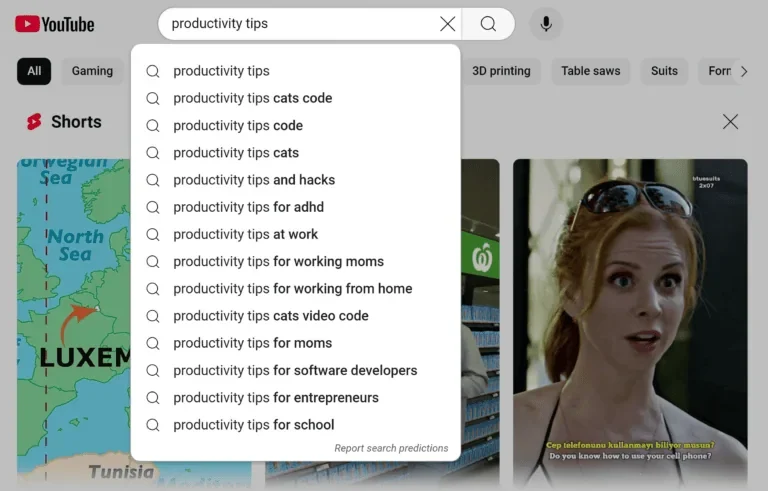
Image Source: Backlinko
Imagine that a new fitness trend starts on social media on a Tuesday. By Wednesday, thousands of people are typing specific new terms into the search bar on Amazon. These people are ready to buy, but they are using words that might not even be in your product descriptions yet. This is where amazon search data becomes incredibly powerful. It shows you the intent of the customer long before the final transaction is processed. If you wait for the sales report to come out next month, you will have missed the peak of that trend entirely.
Understanding the Relationship Between Search and Sales
There is a clear path that every shopper takes from interest to purchase. It almost always begins with a search query. When we analyze keyword search volume, we are essentially looking at the size of the crowd gathered outside your digital storefront. If the crowd is getting bigger but your sales are staying the same, you have a conversion problem. If the crowd is looking for something specific that you do not offer, you have an assortment problem. Retail search data provides the context you need to figure out which problem you are actually facing.
Turning Keyword Insights Into Better Content
Your product listings need to speak the same language as your customers. If your customers have started using different words to describe their needs, your content needs to reflect that shift. By regularly reviewing your keyword search data, you can identify new keyword insights that should be added to your titles and bullet points. This is not just about search engine optimization; it is about making sure the customer feels that your product is exactly what they were looking for. This process of updating content based on query trends is essential for maintaining a high conversion rate.
Bridging the Keyword Gap for Better Visibility

A keyword gap occurs when your competitors are appearing for terms that you are completely missing. This often happens because competitors are more in tune with shifting consumer search behavior. To fix this, you need a keyword gap analysis ecommerce marketplace strategy that compares your visibility to the rest of the market. Identifying these gaps allows you to create a content plan that targets the specific words your rivals are using to steal your traffic. Closing this gap is one of the fastest ways to increase your overall search share.
Your search share is a measure of how often your brand appears in search results compared to the total number of searches in your category. If your share of search is declining, it is a leading indicator that your sales will soon follow. Monitoring keyword search data allows you to see this decline in real time so you can take corrective action. You might need to increase your ad spend on certain terms or optimize your listings for new, high-volume phrases. Keeping a close eye on these metrics ensures that you remain a leader in your category.
Predicting Stockouts Before They Happen

One of the most valuable uses of retail search data is in inventory planning. When you see a sudden increase in keyword search volume for a specific product, it is a sign that demand is about to surge. If you only look at your current stock levels and past sales, you might not realize you are about to run out of items. Using stock availability analytics in combination with search data helps you predict these spikes. This allows you to place new orders with your suppliers before the stockout actually occurs, saving you from lost revenue.
How to Use Amazon Search Data to Beat the Competition
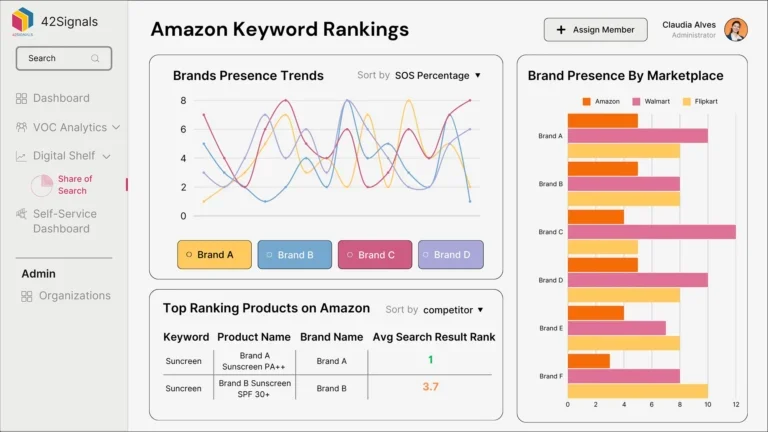
Amazon is the largest search engine for products in the world. The way people search on this platform is very different from how they search on Google. Shoppers on Amazon have a much higher intent to buy right now. Analyzing amazon search data tells you exactly what features and benefits are most important to your audience today. If you notice that more people are searching for “waterproof” versions of your product, you should highlight that feature prominently in your images and descriptions. Staying ahead of these shifts is the only way to maintain a competitive edge.
Using Search Data to Inform Product Development
Keyword search data does more than just help with marketing; it can guide your entire product roadmap. If you see consistent search demand for a product variation that does not exist yet, you have found a massive opportunity. This type of insight is much more reliable than a simple survey because it represents actual consumer search behavior in the wild. Brands that listen to these signals can develop products that are guaranteed to have an audience waiting for them. This reduces the risk of launching a new item that no one actually wants.
The Role of External Indicators in Search Demand
While marketplace data is vital, you should also look at external factors that influence search demand. A recent McKinsey study on supply chain efficiency found that businesses using advanced analytical models see a 15% to 20% reduction in forecasting errors. These models often include data from social media, news events, and even competitor pricing changes. Integrating competitor price intelligence with your search data gives you a 360-degree view of the market. This holistic approach is what separates the top-performing brands from the rest.
Optimizing the Digital Shelf for Maximum Impact
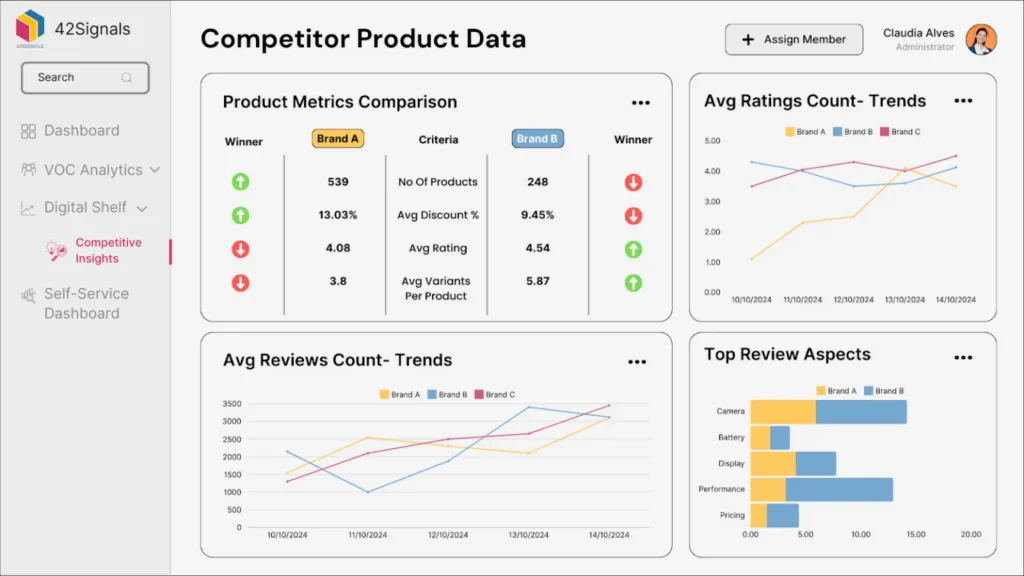
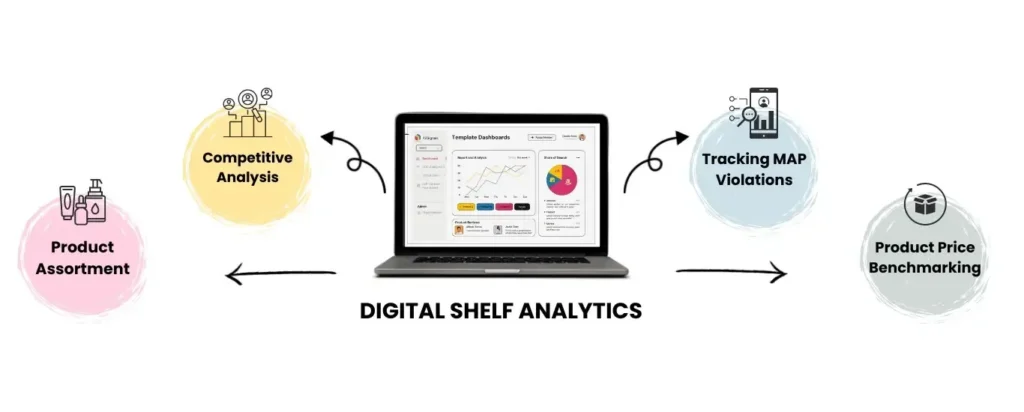
Your presence on the search results page is known as your digital shelf. Just like a physical shelf in a grocery store, your position matters immensely. On platforms like Amazon, as many as 70% of shoppers never click past the first page. This means that if you are not appearing for high-volume terms, you are invisible to the majority of the market. Using digital shelf analytics helps you track your position for all your critical keywords. If you see your rank slipping, you can use your keyword search data to figure out which terms you need to defend more aggressively.
While it is important to include new terms in your listings, you must do so carefully. Many brands make the mistake of forcing too many keywords into their titles, which makes them hard for humans to read. Search algorithms have become very sophisticated and can now detect when content is written for a machine rather than a person. Your goal should be to use keyword search data to inform your writing, not to replace it. Focus on creating natural, conversational content that solves the customer’s problem while still including the necessary ecommerce keyword data.
The Power of Long-Tail Keyword Insights
It is tempting to only focus on the biggest, most generic keywords in your category. However, the competition for these terms is often so high that it is nearly impossible to rank on page one. Instead, you should look for long-tail keyword insights within your data. These are longer, more specific phrases that have lower search volume but much higher intent. For example, instead of just targeting “running shoes,” you might target “lightweight running shoes for wide feet.” These specific searches often lead to much higher conversion rates because the customer has a very clear idea of what they need.
Using Voice of Customer Data to Refine Search Strategy
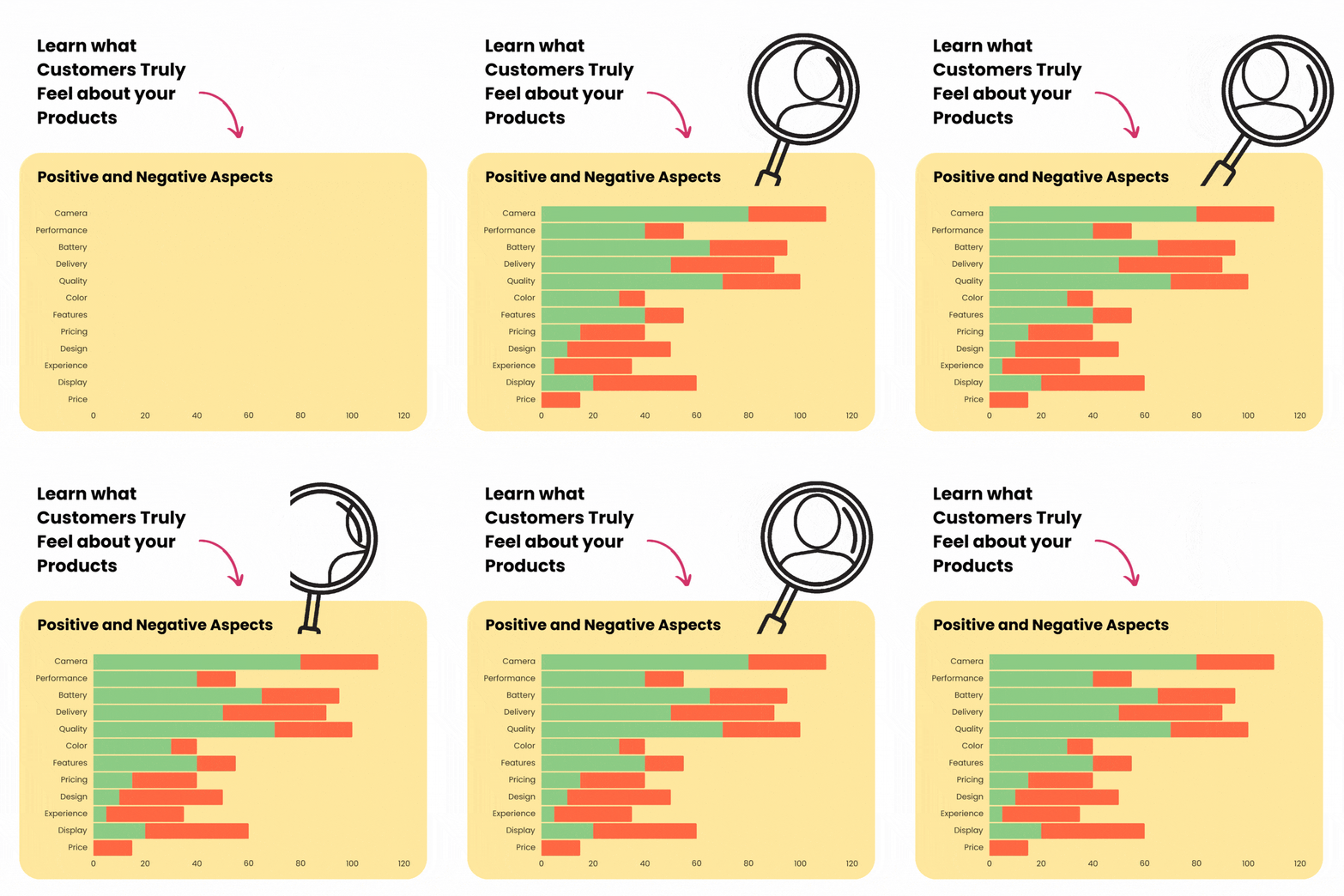
Every search query is a piece of feedback from a potential customer. When you aggregate this data, you are essentially listening to the voice of your market at scale. Using voice of customer analytics allows you to group these searches into themes and sentiments. You might find that customers are searching for terms related to “durability” or “easy assembly.” These keyword insights should then be used to update your product’s messaging across all your marketing channels, ensuring that you are answering the questions shoppers are actually asking.
The Impact of Seasonal Trends on Search Volume
Keyword search volume is never static; it fluctuates based on the time of year and specific events. Understanding these cycles is critical for managing your advertising budget and inventory. You can use historical ecommerce keyword data to predict when certain terms will start to trend up. For instance, searches for “sunscreen” don’t wait for the first day of summer; they start to rise weeks in advance. By preparing your listings and ads early, you can capture that initial wave of demand before the market becomes saturated with competitors.
Monitoring Competitor Shifts in Search Share
Your competitors are also looking at this data and making their own moves. If you notice a rival brand suddenly gaining a significant search share for a term you used to own, you need to investigate. They might have updated their content, lowered their price, or launched a major ad campaign. Using a keyword rank tracker helps you spot these shifts as they happen. This allows you to respond quickly and defend your territory before the loss of visibility turns into a permanent loss of sales.
Conclusion: Master Demand with Keyword Search Data
In conclusion, keyword search data is the most powerful tool in an ecommerce brand’s arsenal. It provides the earliest possible signal of what customers want, allowing you to stay ahead of the competition and avoid costly mistakes. By focusing on query trends and monitoring your share of search, you can ensure that your brand is always visible when shoppers are ready to buy.
Remember that the goal is not just to collect data, but to turn it into actionable insights that improve your content, inventory, and product strategy. If you commit to listening to the search behavior of your customers, you will build a more resilient and successful brand that can weather any market shift.
Start reading demand before it reaches your sales report. Schedule a 42Signals demo today.
FAQs About Keyword Search Data and Ecommerce Demand
What is the difference between keyword search data and sales data?
Keyword search data tells you what shoppers are looking for and what their intent is before a transaction happens. Sales data only tells you what was actually purchased in the past. Search data is a leading indicator, while sales data is a lagging one.
How often should a brand review its ecommerce keyword data?
Because marketplaces like Amazon India and Flipkart are so dynamic, it is best to review your data at least once a week. This allows you to spot sudden query trends or changes in competitor behavior before they impact your market share.
Can keyword search volume help predict when I will run out of stock?
Yes, a sudden spike in keyword search volume for a specific item is often a sign of an upcoming surge in sales. By monitoring this data alongside your current stock levels, you can order more inventory before a stockout occurs.
What are long-tail keywords and why do they matter for demand?
Long-tail keywords are specific, multi-word phrases that shoppers use when they have a very clear idea of what they want. While they have lower volume than generic terms, they often have much higher conversion rates and reveal niche search demand that competitors might be ignoring.
How do I find a keyword gap in my ecommerce strategy?
A keyword gap is found by comparing the terms your competitors rank for against your own list of keywords. You can use a specialized tool to see which high-volume words are driving traffic to your rivals while you remain invisible for those same searches.