
The Need for Keyword Gap Analysis on Ecommerce Marketplaces
Ecommerce is more competitive than it has ever been, and if you are selling on major platforms like Flipkart, Amazon India, or Noon, you know the pressure is on. You might notice that your products are great and your prices are fair, but somehow a competitor is always showing up in front of you. This happens because they have identified a specific set of words that shoppers use, which you might be completely ignoring. When you miss out on these terms, you essentially hand over your revenue to someone else. This guide will show you how to find those missing pieces of the puzzle with keyword gap analysis and regain your spot at the top of the search results.
What Is Keyword Gap Analysis? A Summary for Marketplace Sellers
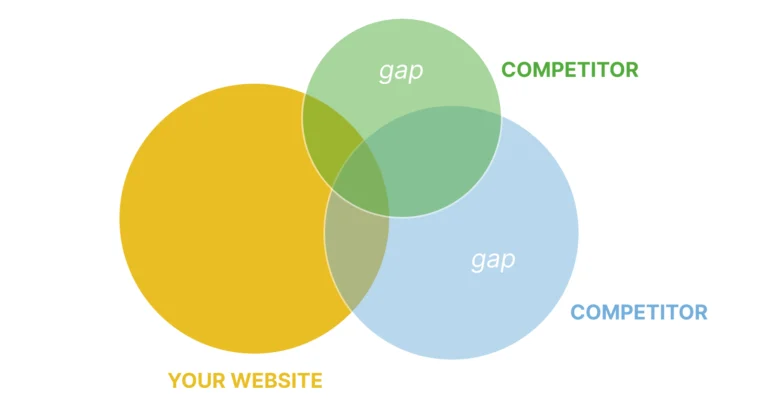
Image Source: SEO Monitor
If you are looking for a fast way to understand why your search rankings are lagging, this summary is for you. Keyword gap analysis is the practice of looking at what your competitors are ranking for and comparing it to your own list of keywords. It reveals the exact terms that are driving traffic to their stores while leaving yours in the shadows. By using a specialized keyword gap tool, you can automate this process and find high-volume phrases you never thought to include in your product titles or descriptions.
To succeed in 2025, you need to look at more than just the basics. You have to consider your share of search, which is the percentage of visibility your brand has compared to the rest of the market. If you see that you have a significant share of search gap which can be measured with share of search analytics ecommerce, it means your competitors are being seen by customers far more often than you are. Closing this gap requires a mix of real-time monitoring and agile content updates. Once you find these missing keywords, you can optimize your listings and even run targeted ads to capture the audience that was previously going to your rivals.
Why Keyword Gap Analysis Is Essential for Marketplace Growth
Many brands believe that once they have done their initial research, their job is finished. However, the way people search on Amazon India or Flipkart changes every single day. A strategy that worked six months ago might be failing you now because new trends have emerged. This is where an ongoing ecommerce keyword gap strategy with a keyword rank tracker becomes vital for your survival. If you are not constantly looking for what is missing, you are essentially flying blind while your competitors use high-tech navigation.
The reality of online shopping is that visibility is everything. On platforms like Amazon, as many as 70% of shoppers never actually click past the first page of search results. If your competitor has figured out that people are now searching for “organic baby slides for home” instead of just “baby slides,” and you haven’t made that change, they will own the entire first page. This guide will help you understand how to use digital shelf analytics performance metrics to spot these shifts before they turn into a permanent loss of market share.
Understanding the True Meaning of a Keyword Gap
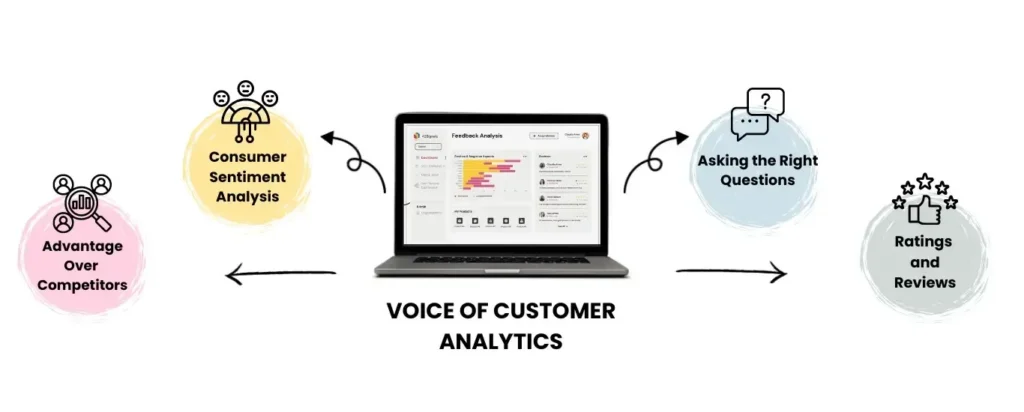
In the simplest terms, a keyword gap is a missed opportunity. It is a word or a phrase that a customer typed into a search bar that led them to a competitor’s product instead of yours. This often happens because competitors are more in tune with the “voice of the customer.” For example, a brand selling kids’ toys might be targeting “plastic slides,” but a savvy competitor might notice that parents are searching for “sturdy indoor slides for toddlers”. That slight difference in phrasing which can be understood by voice of customer ecommerce is the gap that determines who makes the sale.
When we talk about a keyword gap analysis, we are looking for three types of missing data. First, there are the keywords that your competitors rank for, but you do not appear for at least in the top 50 results. Second, there are terms where you both rank, but your competitor is significantly higher, perhaps in the top 3 while you are on page two. Finally, there are emerging keywords that no one is targeting yet, but which are showing a sudden spike in search volume. Identifying these gaps allows you to build a content strategy that is proactive rather than reactive.
The Massive Cost of Ignoring Your Share of Search Gap
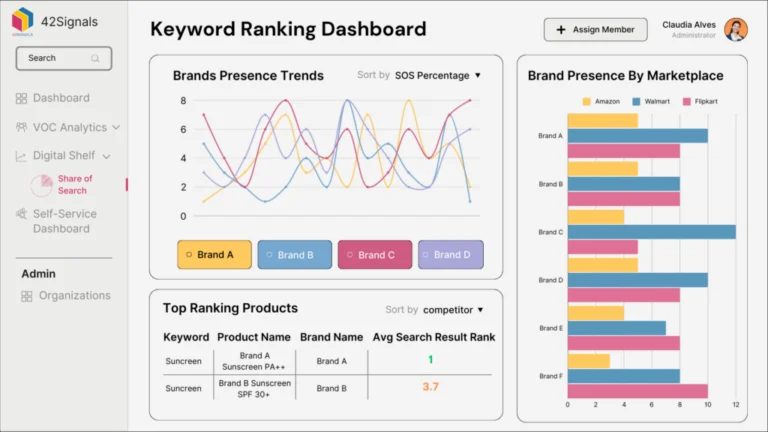
One of the most important metrics you can track today is your share of search. This is a measure of how often your brand or product appears in the search results for a specific set of keywords compared to your competitors. If your share of search is declining, it is a leading indicator that your sales will soon drop as well. A share of search gap shows you exactly where you are losing the battle for the customer’s attention before they even reach your product page.
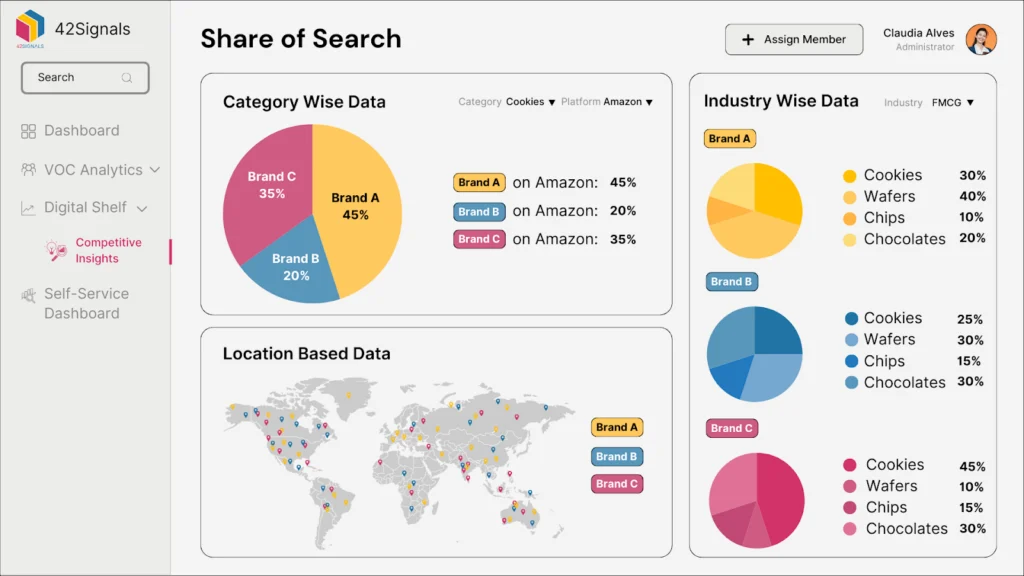
Imagine you are a brand like ToyPlus selling on Flipkart. If you only track your own rankings, you might think you are doing well because you are number one for your brand name. However, if you look at the wider category for “kids slides” and realize that three other brands have a 60% share of voice while you only have 5%, you have a massive problem. This gap means that for every 100 people searching for your product category, only 5 are even seeing your brand. Closing this gap is the only way to ensure long-term growth and stability in a crowded marketplace.
How to Conduct a Thorough Ecommerce Keyword Gap Analysis
The process of finding missing keywords doesn’t have to be overwhelming if you follow a structured approach. You need to start by identifying your true competitors, which are not always the brands you think they are. In the world of search, your competitor is anyone who appears on the first page for the keywords you want to own. Once you have this list, you can begin the deep dive into their strategy to see what they are doing differently.

The first step is to gather as much data as possible using a high-quality keyword gap tool like 42Signals’ keyword suggestions data. This tool should be able to show you the exact terms driving traffic to your rivals. You want to look for keywords that have a high search volume but for which you have zero visibility. These are your “low-hanging fruit” because adding them to your product information can often lead to an immediate bump in traffic. After you have the list, you must prioritize them based on buyer intent, focusing on words that suggest a customer is ready to make a purchase right now.
How 42Signals Surfaces Keyword Gaps Across Flipkart, Amazon India, and Quick Commerce
Trying to do this work manually is nearly impossible because of the sheer volume of data involved. A modern keyword gap tool like 42Signals can scan thousands of listings in seconds to show you exactly where you are falling behind. These tools do more than just list words; they provide context by showing you how rankings change over time and which competitors are gaining the most ground. This allows you to focus your energy on the strategies that will actually move the needle for your business.
A good tool will also help you understand the difference between organic and sponsored visibility. Sometimes a competitor isn’t outranking you naturally; they are simply outspending you on ads for a specific term. By identifying these “sponsored gaps,” you can decide whether it is worth bidding on those same terms or if you should focus on winning the organic battle for a different, less expensive keyword. Having this level of insight is what separates the market leaders from the brands that are just struggling to get by.
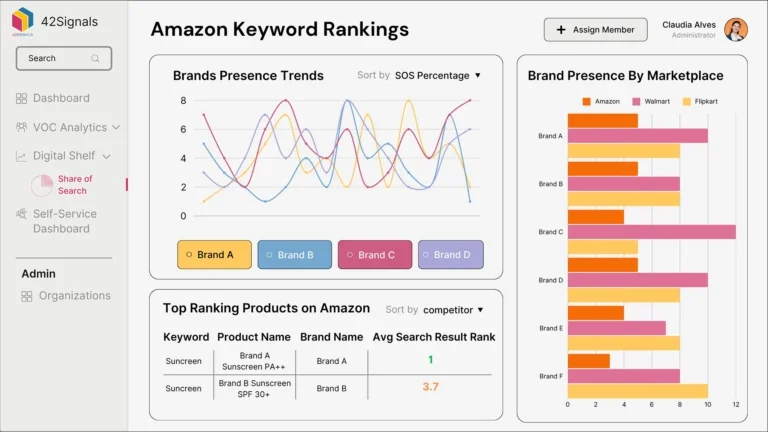
42Signals tracks keyword rankings across Flipkart, Amazon India, Noon, and quick commerce platforms in real time, showing not just which terms your competitors rank for, but whether that visibility is organic or sponsored, and how their share of search has shifted over the past 30 days. This means you’re not working from last month’s snapshot; you’re responding to what’s happening on the quick commerce digital shelf today.
Common Mistakes to Avoid in Your Keyword Ranking Strategy
Even with the best tools, it is easy to make mistakes that can hurt your search visibility. One of the most common blunders is “keyword stuffing,” where a brand tries to force too many words into a single title or description. Algorithms on sites like Amazon India are very smart, and they will actually penalize you if your content doesn’t read naturally for a human. Your goal should always be to weave your keywords into the story of your product so that the shopper feels informed rather than sold to.
Another mistake is ignoring long-tail keywords in favor of broad, high-volume terms. While it might be tempting to want to rank for “shoes,” the competition is so high that you might never make it to page one. Instead, you should look for the Amazon keyword gap in more specific phrases like “waterproof running shoes for flat feet.” These long-tail terms often have much higher conversion rates because the customer knows exactly what they want, and you are providing the perfect answer to their specific search query.
The Future of Keyword Intelligence and Predictive Search
As we look toward 2026, the way we think about keywords is going to change significantly. We are moving away from simple matching and toward “search intent,” where the algorithm tries to understand what the user actually wants, even if they don’t use the exact words. This means your keyword gap analysis will need to become more sophisticated, looking at the themes and problems your products solve rather than just a list of nouns.
AI-powered predictive search analysis will also play a huge role in the coming years. Brands will soon be able to anticipate which keywords will start trending before they even hit their peak. For example, if a new health trend starts on social media, predictive tools could alert a supplement brand to update their listings with those new terms days before their competitors even notice the change. Staying ahead of these shifts will be the key to maintaining a dominant share of search in the future of quick commerce and global marketplaces.
Mastering the Keyword Gap Analysis for Long-Term Success
In the end, winning the battle for ecommerce search is about being more attentive than your competition. By consistently performing a keyword gap analysis, you are making a commitment to understanding your customers better than anyone else does. You are choosing to look for the missing pieces and the hidden opportunities that others are too busy to find. This proactive approach is what builds a resilient brand that can weather algorithm changes and new competitor launches with ease.
Remember that search visibility is a marathon, not a sprint. The data you gather today from your keyword gap tool will inform your strategy for months to come. Whether you are selling on Amazon India, Flipkart, or expanding into new markets like Noon, the principles remain the same: find the gap, fill it with high-quality content, and monitor your progress using share of search metrics. If you do this consistently, you won’t just keep up with your competitors; you will eventually leave them behind as you claim the lion’s share of the market for yourself.
42Signals monitors keyword rankings and share of search across Flipkart, Amazon India, Noon, Blinkit, and Zepto, so you can see your keyword gaps before they cost you sales. Book a demo and we’ll show you the gaps in your category in the first session.
Frequently Asked Questions About Keyword Gaps
What is the difference between a keyword gap and basic keyword research?
Basic research tells you what people are searching for in general, while a keyword gap analysis specifically compares your performance against your direct competitors. Ecommerce competitor price intelligence highlights the specific opportunities that your rivals are already using to take sales away from you.
How often should I perform an ecommerce keyword gap audit?
You should ideally perform a deep dive at least once a month, though high-growth brands often monitor their keyword ranking daily. Marketplaces are dynamic, and a competitor can launch a new campaign that changes the landscape overnight.
Can a keyword gap tool help me with my PPC ad spend?
Yes, it is one of the best ways to optimize your ad budget. By finding keywords where you have a high organic gap but low competition, you can run very efficient ads that bring in high-quality traffic for a lower cost than the most popular category terms.
Does keyword gap analysis work for quick commerce like Blinkit or Zepto?
Absolutely, and it is even more critical there because of the limited number of slots on the digital shelf. In quick commerce, if you aren’t in the top five results, you basically don’t exist, so finding those specific gaps is essential for survival.