
Understanding Digital Shelf Availability and Your Growth Strategy
Maintaining high digital shelf availability is the single most important factor in keeping your products visible and your sales growing. In an era where digital commerce is the primary driver of growth for most brands, your online presence acts as your most valuable real estate. This article explores why digital shelf availability acts as the foundation for your entire ecommerce strategy, ensuring that you do not waste precious budget on advertisements that lead to empty pages or frustrating error messages. We will look at why standard brand dashboards often miss critical ecommerce out of stock events and how professional product availability monitoring can protect your search rank from sliding into irrelevance. By the end of this article, you will understand how to use inventory intelligence to prevent fulfillment failures and keep your digital shelf out of stock rate as low as possible. If you are ready to stabilize your operations, you can explore our product availability analytics to see how real time data changes the way operations teams handle their inventory.
The Invisible Inventory Problem with Digital Shelf Availability
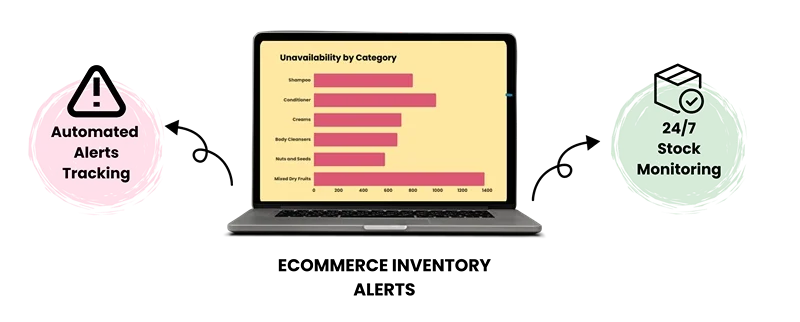
If a customer walks into a brick and mortar grocery store and sees an empty shelf, they know the item is gone. It is a physical reality that they can see and process immediately. In the digital world, things are much more complicated. When your item is not available on a website, due to inventory issues, it does not just show an empty space that allows the customer to move on to the next aisle. It often vanishes from the search results entirely.
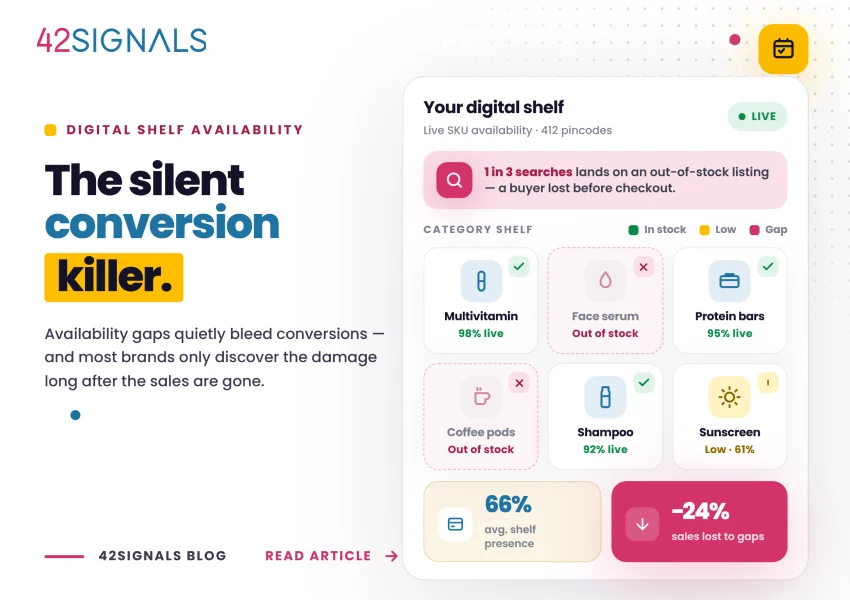
This is why digital shelf availability is frequently called the silent killer of ecommerce growth. Most brand managers and supply chain teams do not realize that their products are invisible until they see a massive drop in their weekly sales reports.
The problem is that the digital shelf is not a static place. It changes every minute based on where the customer is located and which warehouse is serving them. You might think your products are ready to sell because your internal system shows healthy stock levels, but the customer sees something completely different. This gap between your data and the customer reality is where most lost sales happen. Understanding digital shelf availability is about more than just keeping the warehouse full. It is about ensuring that the digital bridge between your product and the buyer never breaks. You can read more about how this connects to your broader strategy in our pillar guide on digital shelf analytics.
Why Digital Shelf Availability is Your Primary KPI
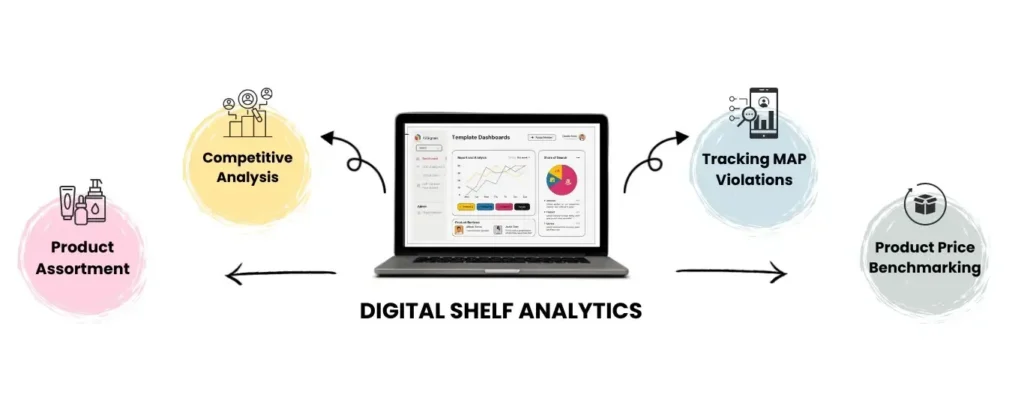
Many teams focus on marketing metrics like click through rates or social media engagement. While those are important, they mean nothing if you do not have digital shelf availability. Think of availability as the ground you build your house on. If the ground is not solid, the whole house will fall down. When you have high digital shelf availability, you are giving the marketplace algorithms a reason to trust you and show your products to more people.
When a product is constantly available, the platform knows it can fulfill orders reliably. This reliability is rewarded with better organic rankings and lower advertising costs. On the other hand, a high digital shelf out of stock rate tells the algorithm that your brand is a risk. If you spend thousands of dollars on ads but your digital shelf availability is low, you are essentially throwing money away because shoppers will click on an ad only to find a currently unavailable message. This is a common trap that many brands fall into because they separate their marketing budgets from their supply chain visibility. By integrating these two functions, you can stop the waste.
The Limitation of Traditional Brand Dashboards
Most ecommerce managers rely on tools like Amazon Seller Central or Flipkart vendor portals to check their status. These tools are helpful for high level numbers, but they have major blind spots when it comes to digital shelf availability. These dashboards usually show national averages or warehouse totals rather than what a specific shopper sees in a specific city. You might see that you have one thousand units in stock, but if those units are all in a warehouse in Bangalore and the customer is in Delhi, the customer might see your product as out of stock.
This is why traditional reporting often fails to catch regional availability gaps. A national dashboard will not alert you if you are losing sales in a high demand urban center because of a local fulfillment failure. Relying only on internal brand dashboards means you are making decisions based on incomplete information. To truly manage your presence, you need a system that checks the shelf through the eyes of the shopper in every important location. This is not just a reporting issue. It is a fundamental operational requirement that separates the market leaders from the brands that are slowly losing their grip on category share.
How Search Rank is Destroyed by Poor Availability
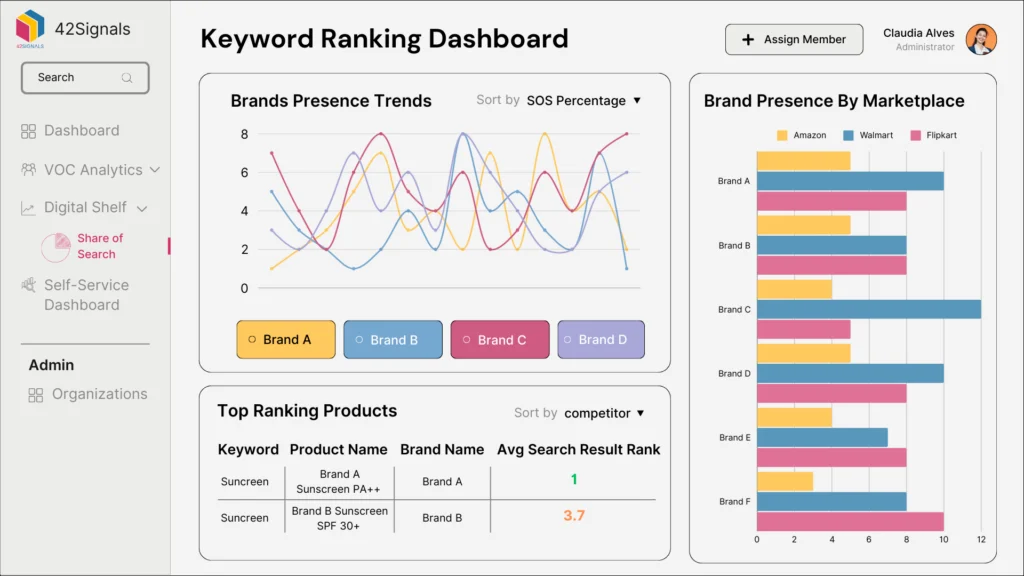
The relationship between digital shelf availability and search ranking is direct and brutal. Marketplace algorithms are designed to make money, and they cannot make money on a product that is not there. If your product goes out of stock for just a short period, the algorithm will quickly replace you with a competitor who can ship immediately. Internal data suggests that if a top ranking product goes out of stock for just one day, its rank can fall by twenty eight percent.
The damage gets worse the longer the ecommerce out of stock event lasts. If your product remains unavailable for ten days or more, your search rank can drop by a staggering one hundred and fifty percent, making it nearly impossible for new customers to find you even after you restock. This is why digital shelf availability is not just a supply chain issue. It is a search engine optimization issue. You cannot use traditional SEO tactics to overcome the damage caused by a stockout. Your rank is essentially tied to your physical ability to deliver, and no amount of keyword stuffing can fix a broken availability record.
Protecting Your Ad Spend Efficiency
Advertising is one of the biggest expenses for any modern brand. Most people do not realize that digital shelf availability is the biggest factor in how well those ads perform. If you are bidding on a keyword and your product goes out of stock, the marketplace might keep showing your ad but at a much higher cost or with a lower conversion rate. Even worse, some platforms stop showing your ads entirely, which breaks the momentum of your campaigns.
Using product availability monitoring allows you to pause your ads the moment a product becomes unavailable. This prevents you from paying for clicks that cannot result in a sale. By aligning your marketing budget with your real time digital shelf availability, you can ensure that every dollar you spend is working toward a conversion. Without this alignment, you are essentially subsidizing your competitors by driving traffic to categories where they are the only ones with available stock. It is a painful realization, but many brands are unknowingly paying for their competitors to make a sale.
The Ripple Effect of a Single Stockout
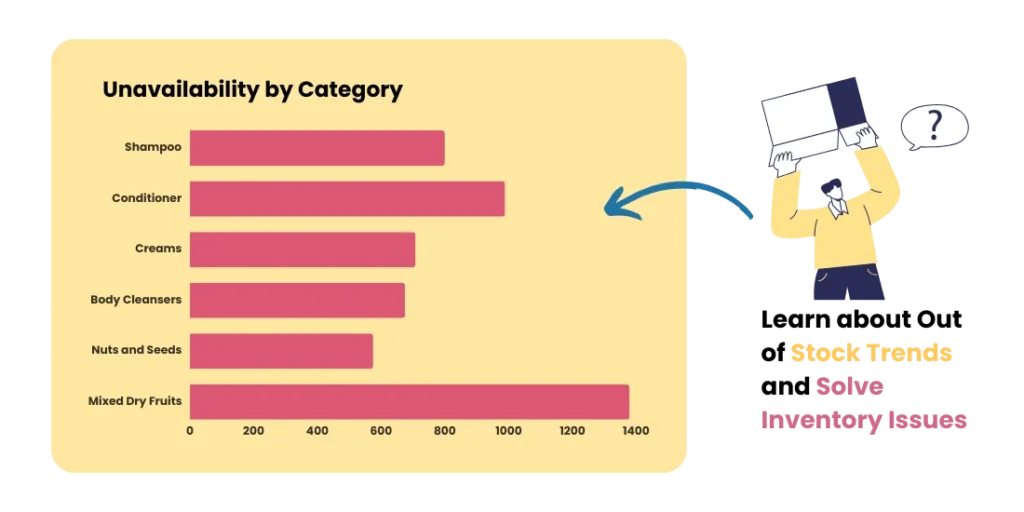
When a customer finds your product is unavailable, they do not just sit and wait for you to come back. They take immediate action that hurts your brand long term. Research from the IHL Group shows that seventy three percent of customers will buy from a competitor instead of waiting for a restock. This is more than just a lost sale. It is an invitation for a customer to try a different brand that they might end up liking more than yours.
There is also a lasting impact on brand loyalty. About forty five percent of shoppers who encounter a stockout may never return to that brand because they now view it as unreliable. This means that a few days of poor digital shelf availability can destroy years of hard work in building a customer base. This ripple effect shows why inventory intelligence or product availability analytics is a critical part of your overall marketing strategy. You are not just selling a unit. You are promising a service, and when you fail to deliver that promise, the repercussions extend far beyond the balance sheet of the current quarter.
Leveraging Pincode Level Availability for Quick Commerce
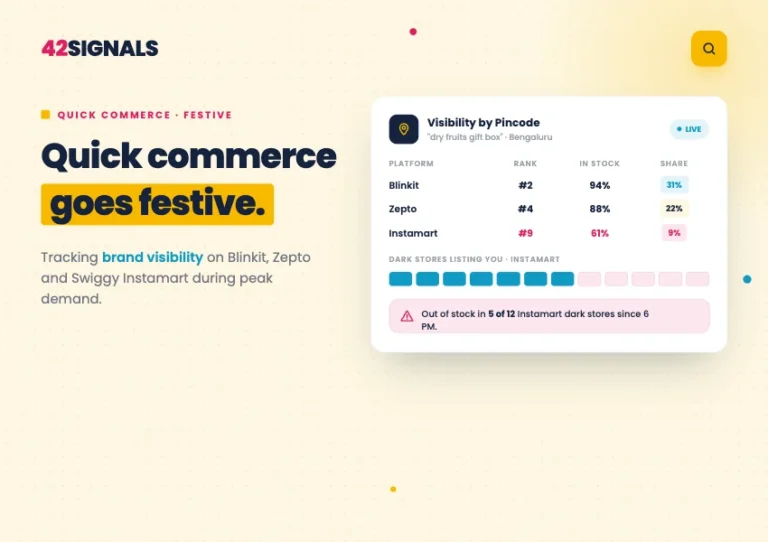
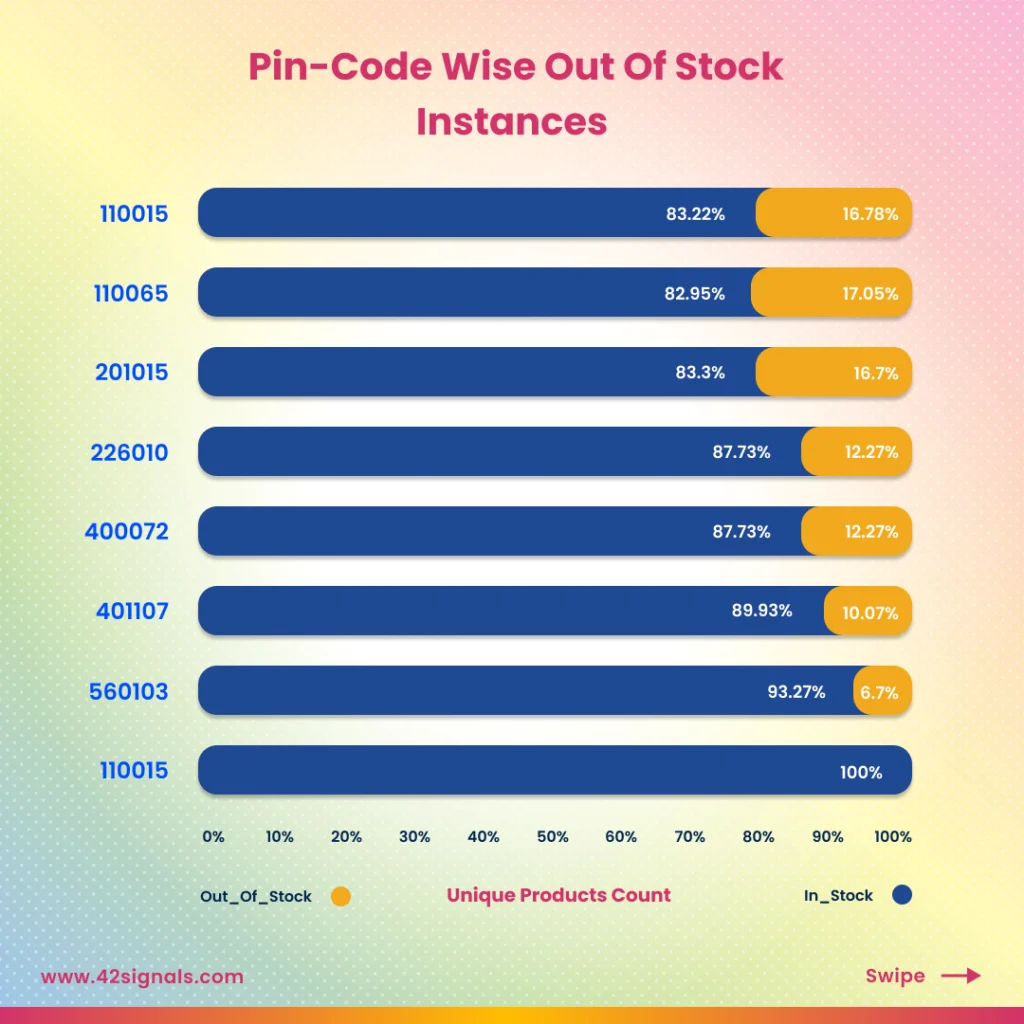
Quick commerce platforms have changed the game for digital shelf availability. Because these platforms rely on dark stores that cover very small geographic areas, your stock status is hyper local. A product can be in stock in one part of the city and unavailable just five kilometers away. This makes pincode level availability tracking a vital requirement for any brand playing in the quick commerce space.
When you track stock availability at a pincode level, you gain granular insights into where your supply chain is failing. You might notice that your stock levels are perfect in North Delhi but constantly dipping in South Delhi. This is not a manufacturing problem. It is a distribution and logistics problem. By catching these gaps, you can adjust your regional inventory allocation before you lose your search visibility in those specific, high value locations. If you want to dive deeper into why this matters, our guide on digital shelf performance metrics outlines exactly how you should be tracking these regional variations to optimize your distribution.
How 42Signals Provides Revenue Protection
Most brands struggle to manage this complexity because they lack a unified view of the digital shelf. This is where 42Signals acts as a revenue protection tool. Our platform monitors your digital shelf availability across hundreds of marketplaces and quick commerce platforms simultaneously. We do not just look at your internal warehouse data. We look at the actual live listing from the perspective of the customer.
By integrating this data into your operations, you can set up automated alerts that trigger the moment a product goes out of stock or hits a critical low stock threshold. This allows your supply chain teams to react in minutes rather than waiting for weekly reports. You can also benchmark your availability against your competitors to see if their stockouts are an opportunity for you to capture more share of search. If you are struggling to manage these complex supply chains, contact our team for a demo today to see how our inventory intelligence can stop your revenue leaks.
Building a Proactive Inventory Intelligence Strategy
Building a successful strategy requires a shift in how you think about stock. You need to move from a reactive model to a proactive one. Here are the core pillars of a strong inventory intelligence strategy:
- Segment Your Monitoring by SKU Velocity: You cannot monitor every single item with the same level of intensity. Focus your high frequency tracking on your top twenty percent of SKUs that generate eighty percent of your revenue. This ensures that your most important assets are never invisible to the customer, allowing your team to prioritize the items that actually drive your financial growth.
- Analyze the Root Cause of Stockouts: Not all stockouts are caused by the warehouse. Sometimes there is a technical error on the marketplace, or an authorized seller has been suspended by the platform. A good digital shelf availability tool will help you distinguish between a physical shortage and a digital listing error so you can fix it faster without wasting time on the wrong problem.
- Use Data to Build Stronger Retailer Relationships: When you have accurate data about availability gaps, you can talk to your retailers with facts. Instead of guessing, you can show them exactly where and when the availability failed. This turns you into a partner who is helping them fix their own fulfillment issues, which can lead to better placement and more support for your brand.
These pillars are not just about fixing problems. They are about building a data driven culture where every team from marketing to supply chain is aligned on the health of the digital shelf. You are essentially building a defensive wall around your revenue by ensuring that the simple act of selling becomes a streamlined process for every single one of your customers.
Measuring Digital Shelf Availability for Long Term Growth
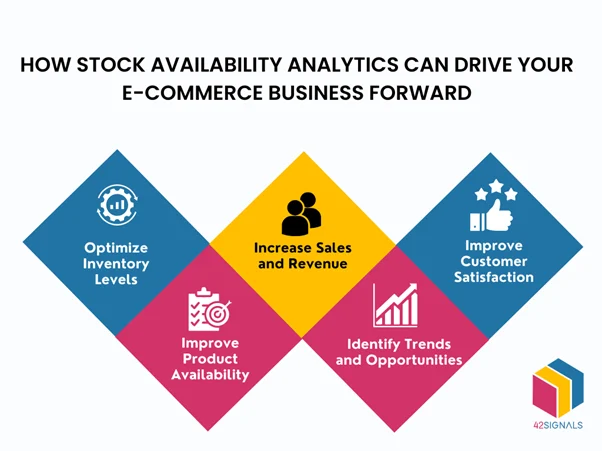
Success in ecommerce is measured by more than just this month’s sales. It is about the health of your digital shelf. Tracking your in stock rate over time is a leading indicator of your future market share. If your in stock rate is declining, your search rank will soon follow, which will eventually lead to a drop in sales.
Brands that prioritize digital shelf analytics see a direct improvement in their performance across the board. When you are always available, you are always reliable in the eyes of the search algorithm. This reliability earns you the top spots on the first page, which is where the majority of customers do all their shopping.
You are effectively investing in a flywheel of success where availability breeds visibility, which in turn leads to higher demand, which then requires better inventory management.
By implementing a robust digital shelf availability strategy with automated tools, you move away from the rearview mirror approach of traditional reporting. You gain the ability to see issues before they become crises. You can protect your revenue, maintain your margins, and ensure that your brand is always the one the customer finds first. Take control of your shelf today and stop the silent revenue leaks that are holding your brand back.
See how 42Signals has helped brands reduce their out-of-stock rate by 40%. Schedule a demo today.
Frequently Asked Questions
How does a stockout affect my search ranking on marketplaces?
When your product goes out of stock, it loses its buyability score in the marketplace algorithm. This usually results in an immediate drop in search rank because the system prioritizes products that are currently purchasable. Even after you restock, it can take weeks of discounted pricing and heavy ad spend to return to your original position.
Can I track stock levels for my competitors?
Yes, advanced digital shelf monitoring tools can track competitor stock levels across multiple platforms and pincodes. This allows you to identify supply gaps in the market and adjust your own pricing or advertising to capture their customers while they are out of stock. It gives you an offensive capability to gain market share when others falter.
What is the difference between an ERP and a digital shelf tracker?
An ERP tracks what you have in your physical warehouse. A digital shelf tracker monitors what the customer actually sees on the website or app. Often, these two do not match due to system delays, regional restrictions, or marketplace errors that an ERP cannot detect.
Why is pincode tracking important for quick commerce?
Quick commerce relies on hyper local dark stores. A product might be in stock in one part of a city but totally unavailable in another. Tracking at the pincode level is the only way to know if your brand is actually visible to the local customers in high demand areas, ensuring you do not miss sales due to localized logistics failures.
Webinar: Beyond Price Monitoring: The 4 Hidden Dimensions of Competitor Intelligence
Learn how to track competitor assortment shifts, localized delivery speeds, merchant landscape leakage, and search visibility trends before they erode your market share.