
The Impact of Competitor Price Changes
This guide explores the vital world of price intelligence and how keeping a close eye on the market protects your revenue. You will learn why catching price changes as they happen is the only way to stay competitive on platforms like Amazon or Walmart. We define how a price change tracker works to replace slow, manual checks with automated precision. The article also explains the financial risks of moving too slowly, such as losing your spot in the Buy Box or seeing your profit margins disappear. By the end, you will understand how to use these tools to build a smart repricing strategy that keeps your brand strong and your customers happy.
Why Missing Price Changes Can Hurt Your Brand
Imagine waking up to find that your sales have completely stalled. You check your main product page and see that a rival brand lowered their price at two in the morning. For several hours, every customer who was looking for a deal bought from them instead of you. This is a common story in the fast-paced world of online shopping where things move in seconds.
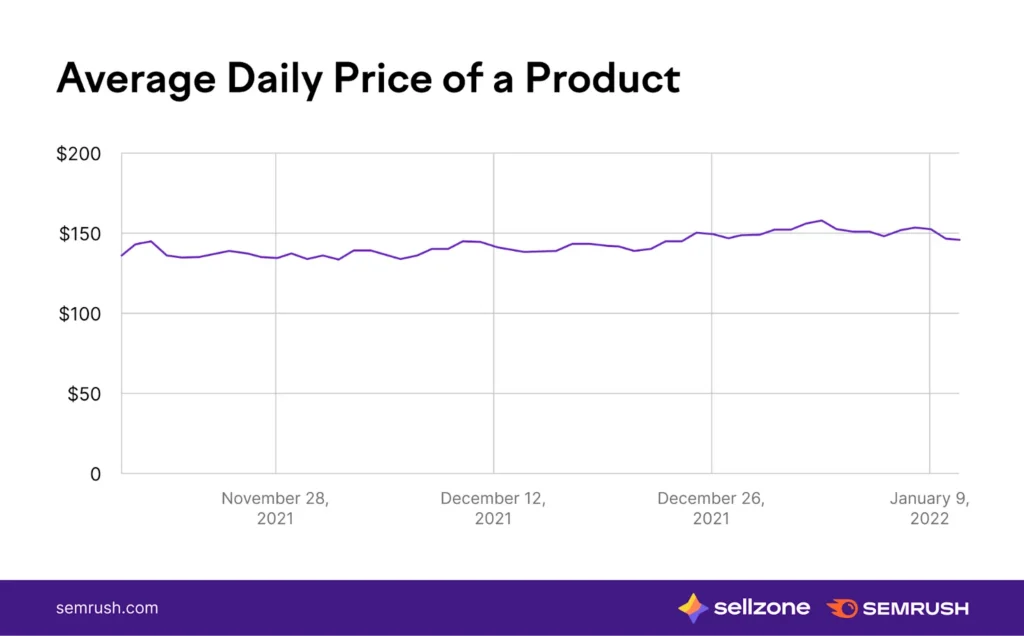
Image Source: Semrush
On an average day, customers on Amazon place about 11.95 million orders, which is roughly 8,298 orders every single minute. Because the market is so busy, shoppers have become very used to seeing prices go up and down all the time. They expect to find the best value, and if you are not there to give it to them because you did not know the market shifted, you lose out.
Price changes are not just about numbers on a screen; they represent your brand’s voice in the marketplace. When you do not react quickly to what others are doing, you send a signal that you are not paying attention. This guide will help you understand how to use technology to be the most responsive brand in your category.
The Problem with Watching the Market Manually
Many managers still try to keep track of their rivals by having a team member click through different websites every few days. This method feels like it works, but it is actually very risky for a few reasons. First, human error is always a factor when people are copying and pasting numbers into a spreadsheet. A single typo can lead to a pricing decision that costs you thousands of dollars in lost profit.
Second, the time it takes to do this work is time your team is not spending on strategy. Instead of thinking about how to grow the business, they are stuck doing basic data entry that a machine could do better. This is what we call an operational cost that most brands cannot afford. By the time someone finishes a manual report, the data is often already old news because the competitor has already moved on to a different promotion.
Finally, manual tracking cannot possibly cover every corner of the internet. You might be watching one or two big sites, but you could be missing a price drop on a smaller regional platform or a competitor’s own website. To truly monitor competitor prices, you need a system that has marketplace data tracking that watches everything at once, 24 hours a day.
How a Price Change Tracker Replaces Manual Monitoring
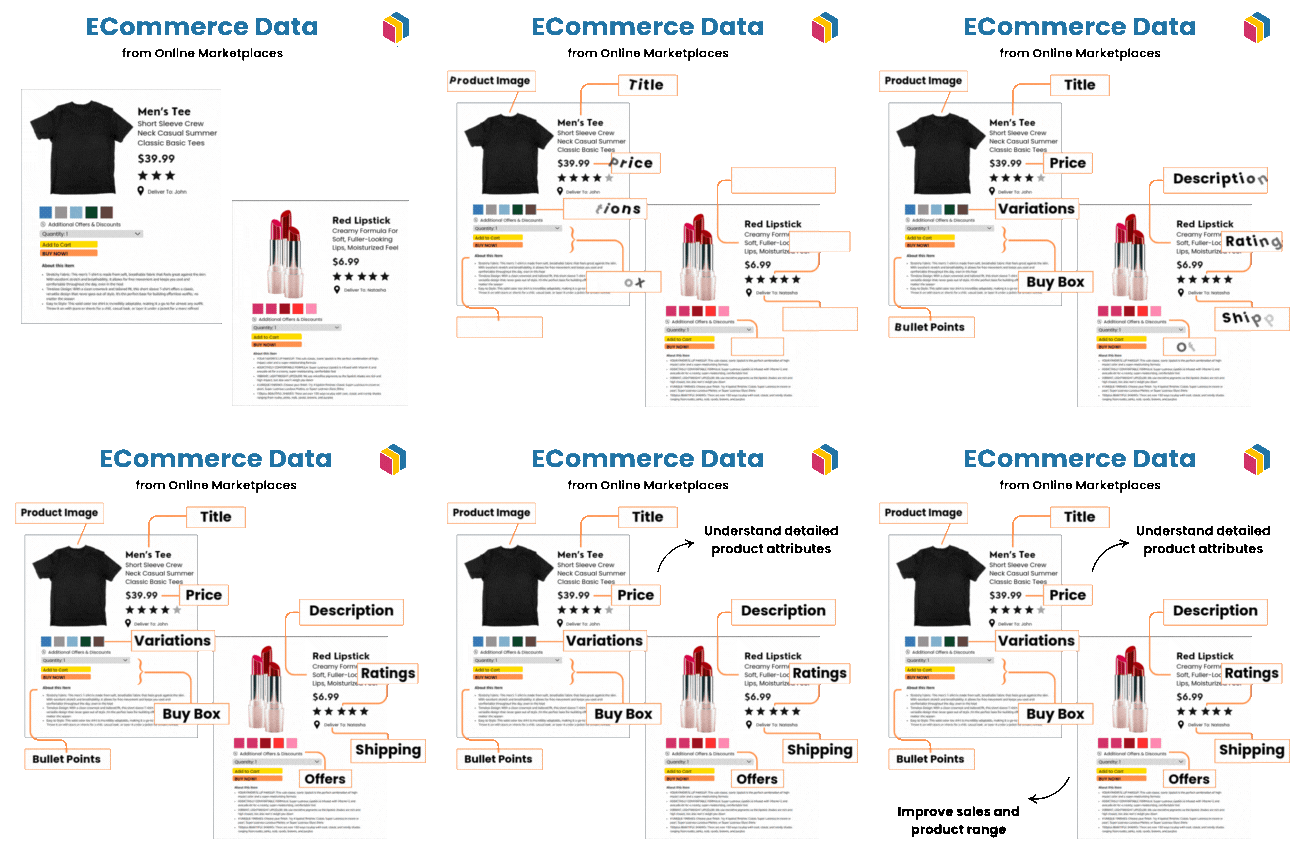
A price change tracker is a piece of software that does the heavy lifting for you. It visits hundreds of websites automatically and pulls the latest data so you do not have to. It looks at the list price, any active coupons, and even the shipping costs to give you the true final price a customer sees. This level of detail is what helps you make real decisions instead of just guessing.
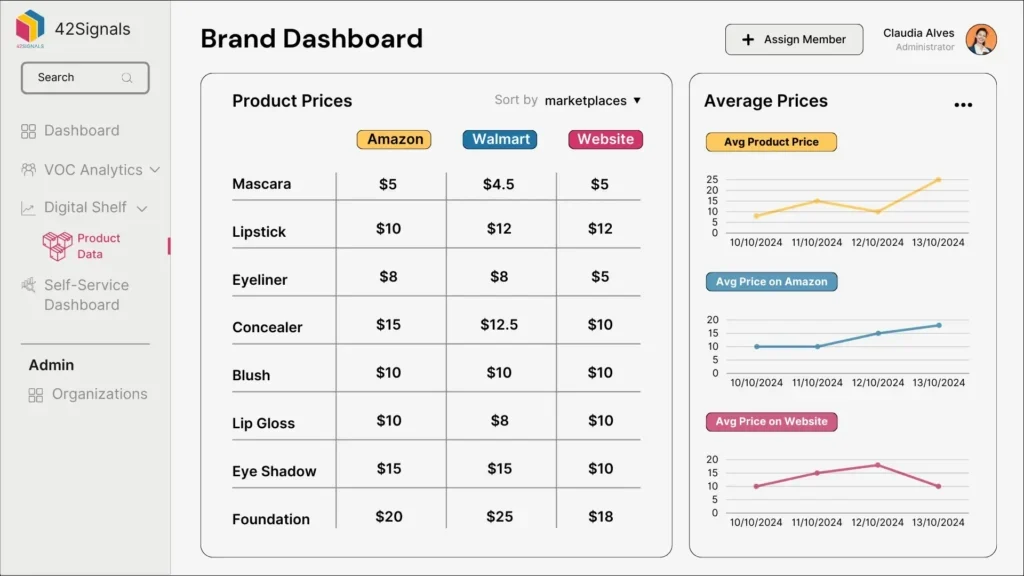
Alt text: brand dashboard and product prices from marketplaces
These tools are built to handle the massive scale of modern ecommerce. Whether you have ten products or ten thousand, the tracker keeps a record of every shift in the market. This creates a historical price index that you can use to spot patterns. For example, you might notice that a rival always drops their prices on holiday weekends, allowing you to prepare your own sale in advance.
By using a dedicated tool, you turn raw data into a clear plan. You get a dashboard for price tracking that shows exactly where you stand compared to everyone else. This makes it easy to see if you are being too aggressive or if you are leaving money on the table by being priced too low.
Why Near-Real-Time Price Monitoring Protects Your Buy Box
In the digital age, being five hours late to a price shift is the same as being a week late. If you wait until the next morning to respond to a late-night flash sale, you have already lost the most valuable window of opportunity. This is why real-time price monitoring is so important for brands that want to win.
Speed helps you maintain your rank on big marketplaces. Sites like Amazon use algorithms that prioritize products with competitive prices when deciding who gets the Buy Box. If your price is too high for just a few hours, you could be demoted in the search results, making it harder for customers to find you even after you eventually lower your price.
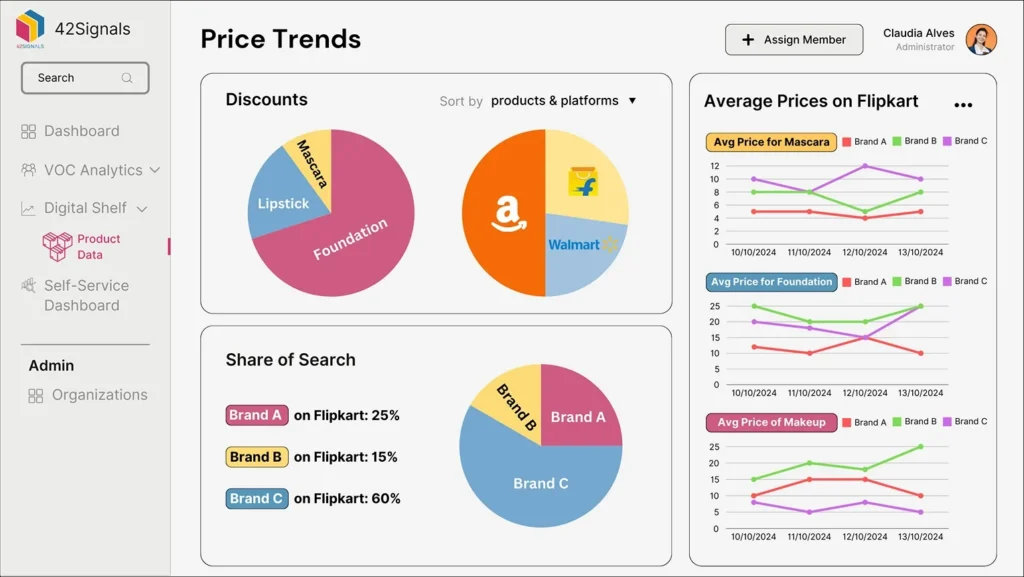
Alt text: price trends and average prices on Flipkart by 42Signals
On Amazon India and Flipkart, prices can shift dramatically during high-volume events like the Great Indian Festival or Big Billion Days — sometimes changing every few minutes. A competitor who drops their price by ₹50 during peak sale hours can capture the Preferred Seller badge and redirect hundreds of intent-ready customers away from your listing in a matter of minutes.
Having instant data also means you can protect your margins. Sometimes, a competitor might raise their price because they are running low on stock. If you have real-time alerts, you can raise your price slightly as well to capture more profit while still being the best option available. This kind of quick thinking is only possible when you have a constant stream of fresh information.
How to Set Up Competitor Price Monitoring Alerts
Keeping an eye on the competition is a completely ethical and standard part of doing business. It is not about spying; it is about understanding the public market landscape. Most top brands use these tools because they know that pricing is the most powerful lever they have to drive sales.
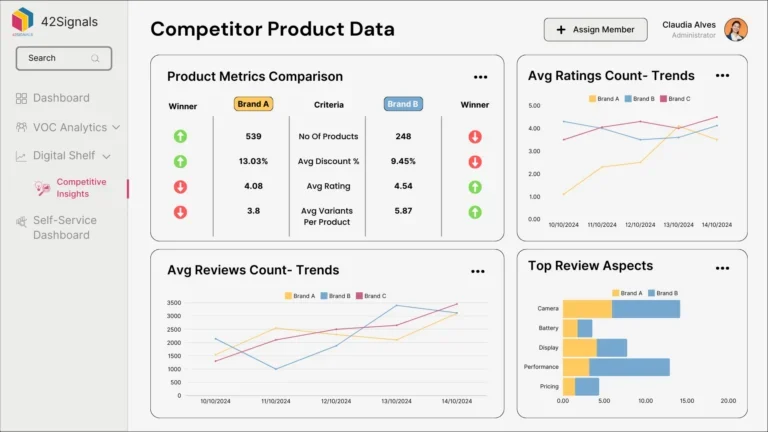
To do this right, you first need to pick the right competitors to watch. You should focus on the five to ten brands that sell products most like yours, as well as the big category leaders like Walmart or Target. This gives you a balanced view of both your direct rivals and the overall market trends.
Once you have your list, you can set up a system that alerts you only when something important happens. You do not need an email for every tiny cent of difference. Instead, you can set rules to get a notification only if a competitor drops their price by a certain percentage. This keeps you informed without burying you in too much noise.
Dynamic Pricing Strategy: How Top Brands Use Price Intelligence
When you see frequent ecommerce price changes, it is often a sign that a brand is using a dynamic pricing strategy. This is a method where prices are adjusted automatically based on demand, stock levels, or what others are charging. It sounds complicated, but it is actually very effective for maximizing revenue.
Research has shown that using these smart pricing methods can increase a retailer’s revenue by five to ten percent and boost profits by twenty to thirty percent. By tracking the market closely, you can start to implement your own versions of these strategies. You can set rules that keep your price within a specific range so you always stay competitive without hurting your brand value.
Another key part of this is maintaining price parity. This means making sure your product costs the same amount no matter where a customer finds it. If your price is much higher on one site than another, it creates confusion and might make customers lose trust in your brand. A good D2C price parity monitoring tool helps you spot these gaps so you can fix them immediately.
Protecting Your Value from a MAP Violation
For many brands, the biggest headache isn’t just the competition; it’s their own retailers. If a store sells your product for less than the price you agreed upon, it is called a MAP violation. This can hurt your brand’s premium image in the grey market sellers marketplace and cause other retailers to complain or drop your products altogether.
A high-quality tracking tool will monitor your retailers just as closely as your competitors. It can take screenshots of the violation as proof, which makes it much easier for you to reach out and ask them to fix it. This is about brand protection just as much as it is about sales.
When you enforce these rules consistently, you create a level playing field for everyone who sells your product. It ensures that no one is starting a “race to the bottom” that devalues what you have built. Having a clear record of these incidents allows you to be proactive instead of waiting for a problem to get out of control.
Calculating the ROI of Better Price Intelligence
Investing in a price intelligence solution is not just another cost; it is an investment that pays for itself. For example, even a small three percent improvement in your average margin can add hundreds of thousands of dollars to the bottom line of a ten-million-dollar business. When you have the right data, you stop guessing and start making moves that actually matter.
You also save a lot of money by being more efficient. Think about the hundreds of hours your team currently spends on manual research. When you automate that process, those people can focus on more important things like creating new products or improving your marketing. This shift in focus often leads to even more growth for the company.
Finally, there is the benefit of capturing sales you would have otherwise missed. When a competitor runs out of stock, they might leave their price the same, but they can’t actually fulfill orders. If you know about this stockout instantly, with retail stock availability tracking, you can capture all that displaced demand. This is one of the fastest ways to grow your market share.
How 42Signals Monitors Price Changes Across Amazon India, Flipkart, and Noon
When you are looking for a solution, there are a few things you should keep in mind to make sure you get the best value. Accuracy is the most important factor because bad data is worse than no data at all. You need a tool that can accurately match your products to the right ones on competitor sites, even if the names are slightly different.
You also want to look at how often the data is refreshed. For fast-moving categories like electronics or fashion, you really need a tool that updates several times a day. If the tool only checks prices once a week, you will always be behind the curve. Make sure the dashboard is easy to use so that anyone on your team can understand the insights without needing a degree in data science.
Lastly, consider how the tool fits with your existing systems. It should be able to send alerts to the places your team already works, like Slack or email. This ensures that the information gets to the right people as quickly as possible. A tool like 42Signals is designed specifically to offer this kind of deep, actionable intelligence for modern brands.
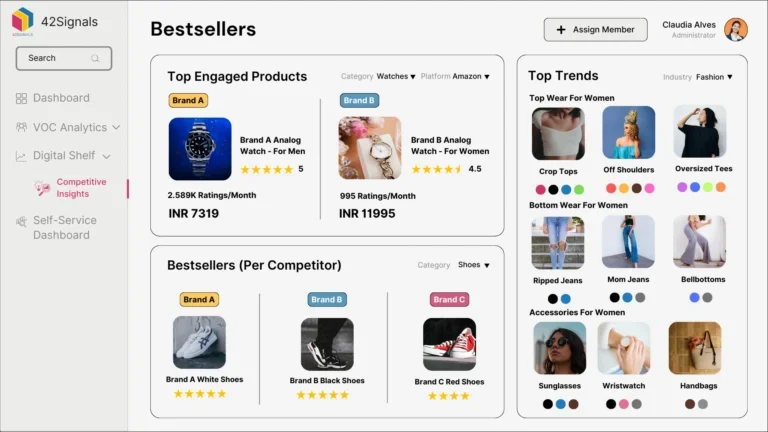
42Signals monitors competitor prices across Amazon India, Flipkart, Noon, and quick commerce platforms in near real time — tracking not just the listed price, but active coupons, cart-drop discounts, and Preferred Seller status. When a competitor drops price or triggers a MAP violation, your team gets an alert within minutes, not the next morning.
Mastering Your Market Through Price Changes
Understanding and reacting to price changes is no longer optional for brands that want to grow in today’s digital world. The market moves too fast for manual spreadsheets to keep up, and the cost of being slow is simply too high. By using a modern price change tracker, you give your team the tools they need to protect your margins and win over more customers.
Whether you are looking to stop a MAP violation or you want to implement a more aggressive dynamic pricing strategy, having the right data is the first step. It turns pricing from a stressful guessing game into a clear, strategic advantage. When you know exactly what is happening in the market the moment it happens, you can lead the way instead of always following behind.
If you want to see how real-time insights can change your business, take the next step and explore what a professional solution can do. 42Signals tracks competitor price changes, MAP violations, and Buy Box shifts across Amazon India, Flipkart, and Noon in near real time. Book a demo and we’ll show you a live price monitoring view for your category in the first session.
Frequently Asked Questions About Managing Price Changes
What exactly is a price monitoring system?
A price monitoring system is a digital platform that automatically keeps track of how much products cost across different online stores and marketplaces. It collects this data and puts it into a dashboard so that business owners can see market trends and how they compare to their rivals. These systems often include alerts and reports to help people make better decisions about their own pricing.
Why should I care about small price changes?
Even a small change in price can have a big impact on whether a customer chooses your product over another one. In some categories, being just a few cents more expensive can push you off the first page of search results on major marketplaces. Staying on top of every small shift ensures that you remain visible to the shoppers who are ready to buy right now.
Is it legal to track my competitors’ prices?
Yes, it is completely legal and ethical to track competitor prices because you are only looking at information that is publicly available to every customer. It is a standard practice in almost every industry, from airlines to grocery stores. Using a tool simply makes this research more efficient and accurate than doing it by hand.
How many competitors should I be watching?
It is usually best to focus on quality over quantity. Most brands get the most value from watching five to ten direct competitors and a few major market leaders like Amazon or Walmart. Trying to watch every single seller can create too much noise and make it harder to see the trends that actually matter for your strategy.