
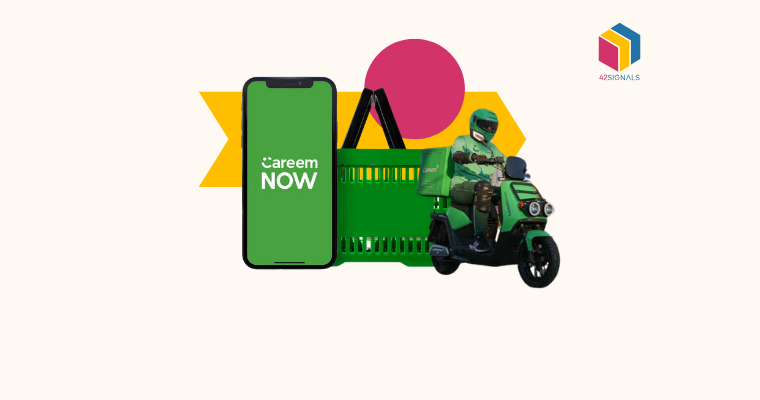
Careem, a leading technology platform in the Middle East, has grown beyond its original ride-hailing business to revolutionize e-commerce and delivery in the region.
The company’s journey from a transport service to a comprehensive platform reflects its adaptability to changing market demands and its vision to integrate everyday services seamlessly.
With technology, innovation, and a deep understanding of local needs, Careem is reshaping the way e-commerce and delivery operate in the Middle East.
What is Careem? The “Everything App” of the Middle East
Founded in 2012 in Dubai, Careem began as a ride-hailing platform but has evolved into a comprehensive super app or “Everything App” for the MENAP region (Middle East, North Africa, and Pakistan). Acquired by Uber in 2019 for $3.1 billion, it operates independently, focusing on hyper-localization.
Careem’s Core Business Model: It’s a multi-sided platform connecting:
- Users to services (rides, food, goods, payments)
- “Captains” (drivers/delivery partners) to earning opportunities
- Businesses (restaurants, shops) to customers
Revenue comes from commissions on transactions (rides, deliveries), subscription services (Careem Plus), and advertising. Its goal is to serve a significant percentage of the region’s population by becoming the default digital platform for daily needs, moving beyond its ride-hailing roots into Careem Food, Careem Pay, Careem Grocery, and Careem Market.
Careem Delivery vs. Competitors: The Battle for the Last Mile
The Middle East’s delivery and mobility landscape is fiercely competitive. Here’s how Careem stacks up:
- vs. Uber (Rides & Eats): While Uber owns Careem, they operate separately. In the UAE, Careem often has stronger brand loyalty and a larger Captain network for rides. For food, Uber Eats is a global giant, but Careem Food competes aggressively with localized restaurant partnerships and bundling with other Careem services.
- vs. Talabat (Food Delivery): Talabat (owned by Delivery Hero) is the undisputed food delivery market leader in many GCC countries by volume. Careem Food competes by leveraging its integrated app and offering multi-category delivery (food + groceries + parcels) from a single platform.
- vs. InDrive/Yango (Rides): InDrive and Yango (from Russian Yandex) compete on price with a negotiation model. Careem counters with reliability, safety features, and its ecosystem benefits (earning Careem Points usable across services).
- The Hybrid Advantage: Unlike single-service apps, Careem’s hybrid delivery model allows a Captain to switch between passenger rides and parcel/food deliveries based on demand, maximizing efficiency and earnings—a key innovation in middle east last mile delivery.
How Careem Delivery Actually Works: A Step-by-Step Breakdown
Whether it’s a document, a cake (careem used for cake), or furniture, the process is streamlined:
1. Order Placement: User opens the Careem app, selects “Delivery” or a specific service (Food, Market, Courier). They input pickup/drop-off details, item description, and choose vehicle type (bike for documents, car for groceries, van for furniture).
2. Captain Matching & Pricing: The AI platform calculates a dynamic price based on distance, demand, and item size. A nearby “Captain” (driver/delivery partner) accepts the request.
3. Real-Time Tracking & Communication: The user tracks the Captain’s location in real-time. In-app chat allows for coordination (e.g., “Meet at building security desk”).
4. Pickup & Verification: The Captain collects the item, with in-app verification for high-value goods.
5. Delivery & Payment: The Captain delivers to the exact pin location. Payment is cashless via Careem Pay (digital wallet) or card, completing the on-demand delivery cycle. This system powers everything from careem food delivery in Makkah to inter-city delivery service from Abu Dhabi to Dubai.
The Careem Ecosystem: More Than Just Delivery
Careem’s true ambition is to be a digital infrastructure for the region. Its ecosystem includes:
- Careem Market (& Shops): An e-commerce marketplace where local businesses can list products. For sellers, a Careem seller account provides access to millions of app users and the built-in delivery network.
- Careem Pay: A digital wallet and payment gateway. It allows cashless transactions across Careem services and is expanding to peer-to-peer transfers and merchant payments offline, building a fintech layer atop its logistics network.
- Careem for Business (B2B): Provides companies with solutions for employee mobility, corporate delivery, and food delivery platforms for corporate cafeterias or catering.
- Careem Plus: A subscription program offering unlimited free delivery and ride discounts, increasing customer lifetime value and loyalty.
Careem’s Expansion Beyond Ride-Hailing
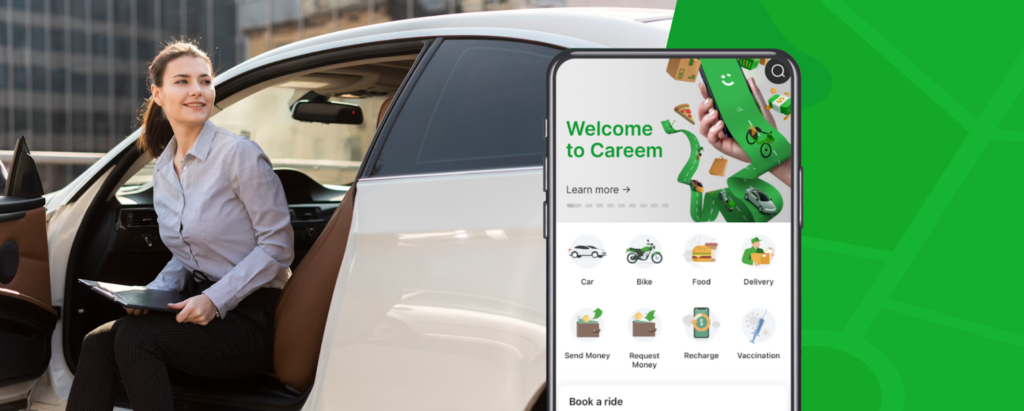
Careem began as a ride-hailing platform in 2012, providing reliable transportation across cities in the Middle East, North Africa, and South Asia.
However, as consumer needs evolved, the company diversified its offerings.
Today, Careem services extend far beyond rides to encompass food delivery, grocery shopping, courier services, and a growing Careem marketplace for a wide range of goods.
This diversification aligns with the rapid growth of e-commerce in the Middle East.
With a burgeoning young population, high smartphone penetration, and increasing trust in online platforms, the region has seen a dramatic shift toward digital commerce.
Careem has positioned itself as a key enabler of this transformation, merging logistics and technology to create a one-stop shop for consumers and businesses alike.
Careem Delivery: Bridging Gaps in Logistics
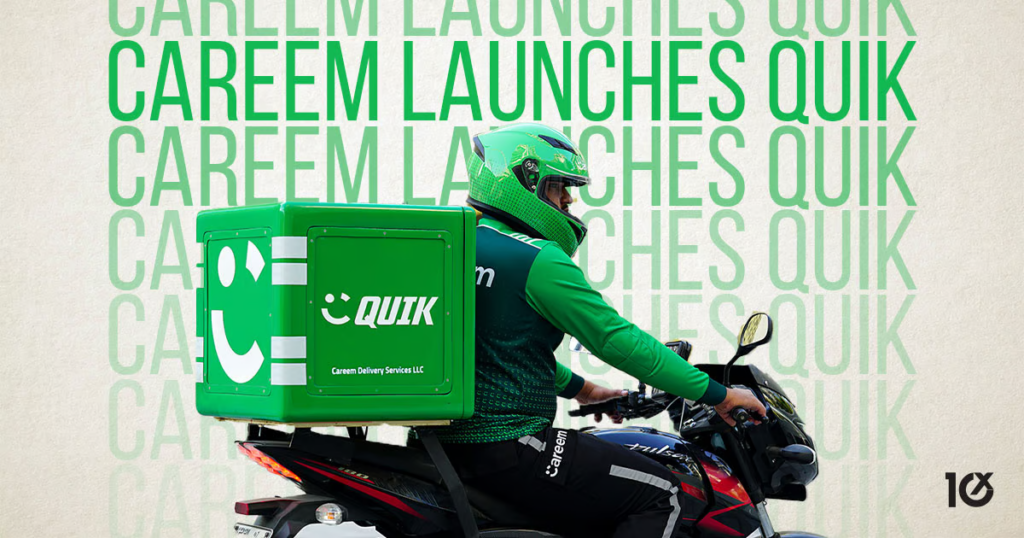
Image Source: SME
One of the most significant ways Careem is transforming the region is through Careem delivery services.
This includes everything from delivering packages and documents to food and groceries. By creating a robust delivery network, Careem has addressed some of the most pressing logistical challenges in the Middle East, such as traffic congestion, inconsistent addresses, and limited infrastructure in rural areas.
1. Efficient Last-Mile Delivery
Last-mile delivery is a critical component of e-commerce success, and Careem has focused heavily on optimizing this aspect. Its extensive fleet of drivers, combined with advanced route optimization algorithms, ensures quick and reliable delivery.
This has significantly improved customer satisfaction and made Careem a trusted partner for businesses.
2. On-Demand Flexibility
Careem’s on-demand delivery model caters to the fast-paced lifestyles of modern consumers.
Whether it’s a forgotten work document or a craving for midnight snacks, Careem services are available at the tap of a button.
This flexibility has endeared the platform to users and solidified its reputation as a reliable logistics partner.
How Careem is Reshaping E-Commerce with Innovative Solutions?
The COVID-19 pandemic accelerated the shift toward online shopping, and Careem e-commerce solutions rose to the occasion.
Careem leveraged its existing infrastructure to support the growing demand for online transactions, ensuring that businesses and consumers could adapt to the new normal.
1. Partnering with Local Businesses
One of Careem’s standout strategies has been its commitment to supporting local businesses. By onboarding small and medium enterprises (SMEs) onto the Careem marketplace, the company has given them access to a broader audience.
This has been particularly impactful in regions where SMEs form the backbone of the economy but often struggle with digital transformation.
2. Integrated Payment Solutions
Careem has also introduced integrated payment options, making transactions seamless for both consumers and merchants.
Its in-app wallet allows users to pay for various services without needing to switch between platforms, further enhancing the user experience.
3. Sustainability Initiatives
Careem’s approach to e-commerce is not just about convenience but also sustainability.
By optimizing delivery routes and consolidating orders, the company is reducing its carbon footprint.
This is a vital step in addressing environmental concerns associated with the rise in online deliveries.
How Careem is Redefining the Way the Middle East Eats?
The food delivery sector is a cornerstone of Careem services, and its impact on the industry is undeniable.
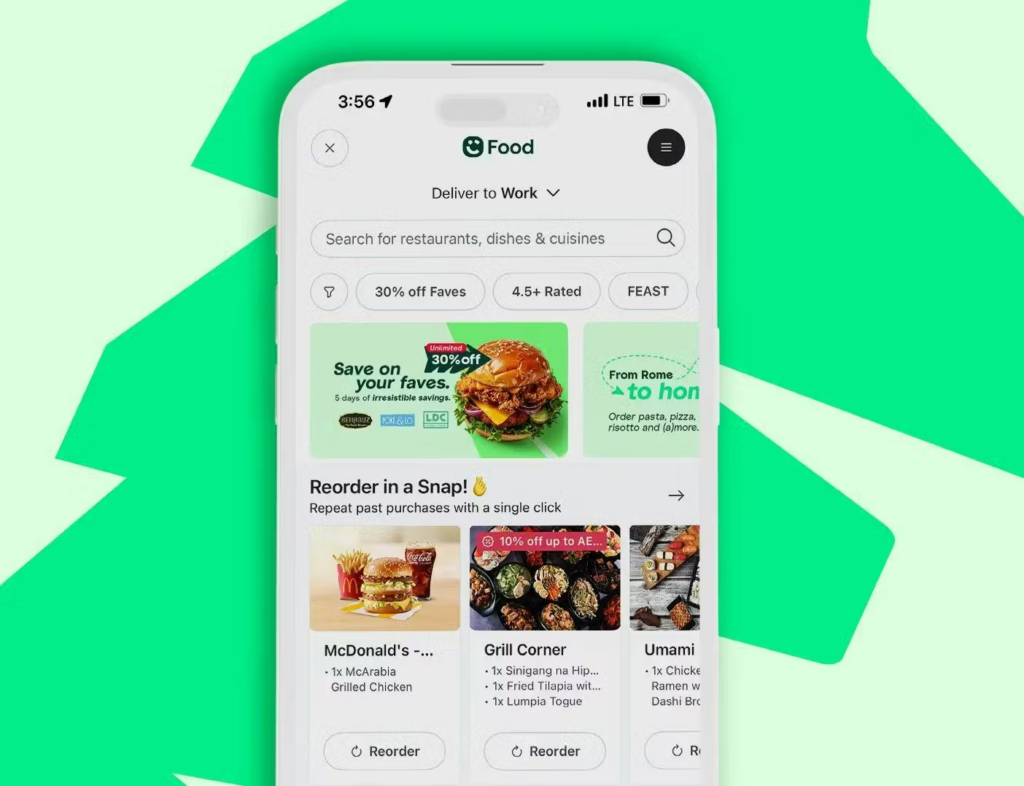
Careem Food has rapidly become one of the most popular food delivery platforms in the region, offering diverse cuisine options to meet the eclectic tastes of Middle Eastern consumers.
1. Expanding Culinary Horizons
Careem has partnered with a wide range of restaurants, from local eateries to global chains. This not only gives users access to their favorite meals but also allows them to discover new cuisines, enriching their culinary experiences.
2. Tech-Driven Personalization
By harnessing data analytics, Careem offers personalized recommendations to its users. The app suggests restaurants and dishes based on past orders, time of day, and even seasonal trends. This level of personalization enhances user engagement and satisfaction.
3. Supporting Restaurant Partners
Careem goes beyond acting as a delivery intermediary. The platform provides restaurant partners with valuable insights into consumer behavior, helping them optimize their menus, pricing, and marketing strategies.
This symbiotic relationship benefits both Careem and its partners.
How Online Delivery is Shaping the Middle East’s Digital Transformation?
The online delivery growth in the Middle East has been exponential, and Careem is at the forefront of this evolution.
Its ability to adapt to changing consumer behaviors and invest in technology has made it a leader in the space.
1. Urbanization and Digital Adoption
The Middle East is one of the most urbanized regions in the world, and its young population is highly tech-savvy.
These factors have created fertile ground for online delivery services. Careem has capitalized on these trends by offering solutions tailored to urban living, such as rapid delivery and a wide variety of services within a single app.
2. Fostering Competition and Innovation
Careem’s success has also spurred competition, pushing the entire industry toward greater innovation.
From drone deliveries to cashless payments, the ecosystem has benefited from Careem’s leadership and vision.
The Road Ahead: Facing Challenges & Embracing Opportunities
While Careem’s journey has been transformative, it has not been without challenges. The company faces stiff competition from global giants like Uber Eats and local players vying for a share of the market.
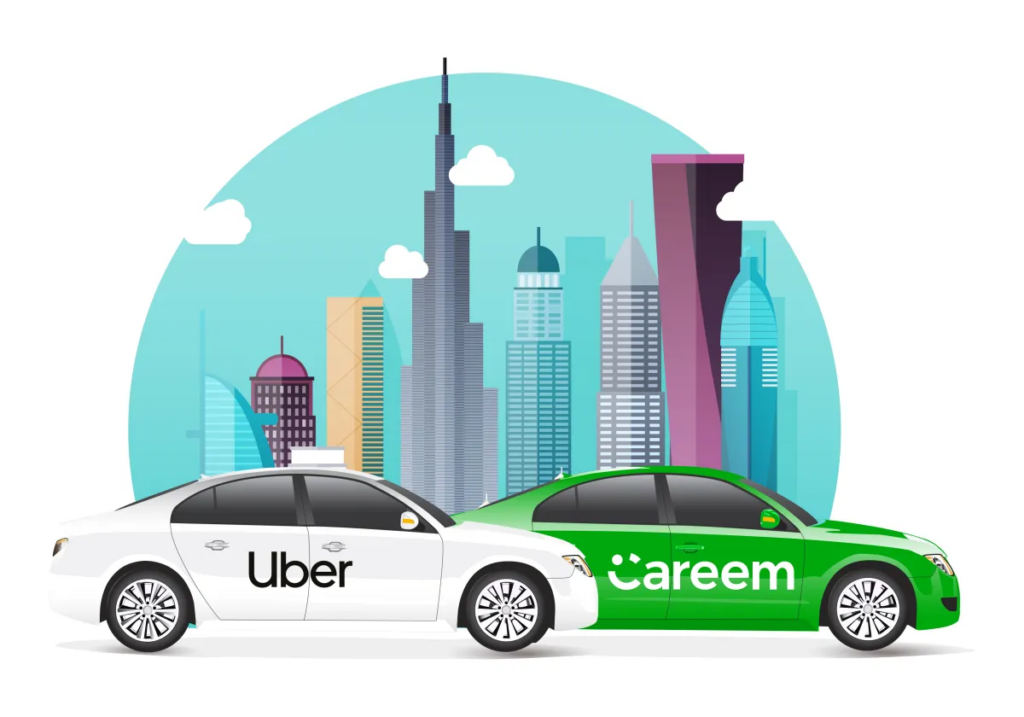
Image Source: Tech Crunch
Additionally, navigating regulatory landscapes across different countries can be complex.
Despite these hurdles, Careem’s focus on localization, innovation, and customer-centricity positions it well for future growth.
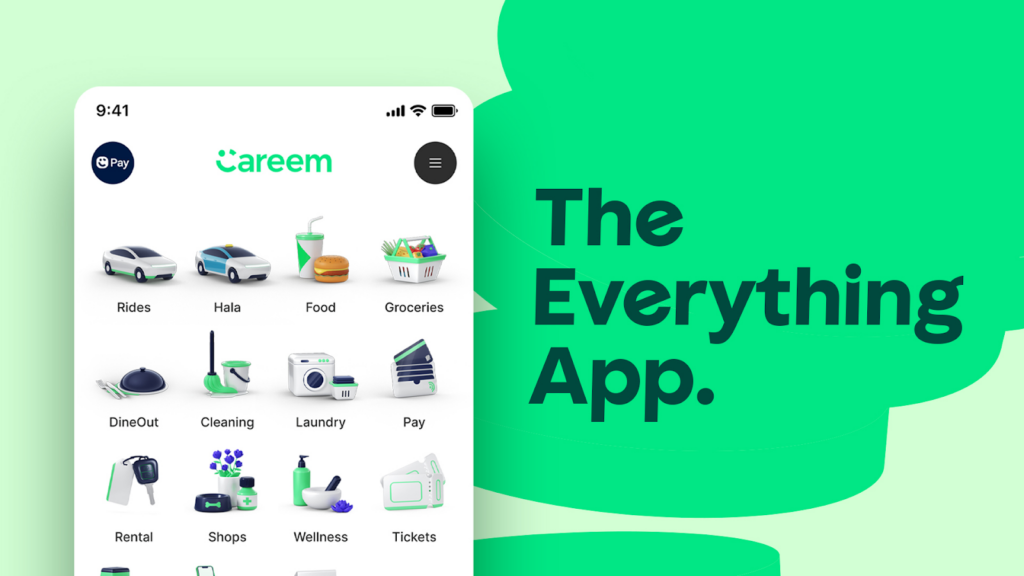
Image Source: AWS
The company’s vision to become a “super app” for the Middle East—offering everything from transportation to groceries under one platform—indicates its ambition to remain a dominant force in the region.
Careem’s Growth Hurdles and Future Outlook
As of late 2025, Careem’s strategy focuses on profitability and depth over pure growth. Key trends and challenges include:
- Market Consolidation: Competing with well-funded giants like Talabat and Noon (for groceries/marketplace) requires relentless investment. The middle east last mile delivery market is seeing a shakeout, with only the most efficient surviving.
- The “Quick Commerce” Pressure: The rise of 10-15 minute grocery delivery (quick commerce) from specialists like Rawi and Nana forces Careem Grocery to specialize or partner.
- Regulatory Navigation: Operating in multiple countries (KSA, UAE, Egypt, Pakistan) means adapting to diverse e-commerce and gig labor laws, a complex but necessary task.
- The Path to Profit: The focus is on Careem Pay (higher margins) and subscriptions (predictable revenue) to offset the costly last-mile delivery business. The news in 2025 will likely center on its fintech expansion and potential new verticals like healthcare delivery.
Conclusion
Careem’s role in transforming e-commerce and delivery in the Middle East is a testament to its innovative spirit and commitment to meeting consumer needs.
Whether through Careem delivery, Careem food, or the broader Careem marketplace, the platform is setting new benchmarks for convenience and efficiency.
As the Middle East continues its digital transformation, Careem is poised to play a central role, bridging gaps in e-commerce and delivery while driving the region toward a more connected and convenient future.
If you liked this article, read –
The Journey of Lindt to Becoming and Staying the Top Chocolatier in the World
Sephora’s Digital Strategy: How Smart Beauty Sales & Their Insider Program Made Them #1
Nestlé: The Story Behind One of the Biggest Consumer Goods Companies in the World
From Home Appliances to Beauty, How Dyson Has Diversified
IKEA: How Their DIY Approach Changed the Furniture Game
Frequently Asked Questions
Is Careem available in Saudi Arabia and Morocco?
A: Yes. In Saudi Arabia is a major player in both rides and delivery, adapting to local norms. Careem in Morocco (Casablanca, Rabat) operates its ride-hailing and delivery services, though competition is intense.
Which is better in Dubai: Uber or Careem?
A: It depends. Careem often has more localized knowledge, promotions tailored to the region, and a slightly larger driver network. Uber offers a familiar global interface. Many residents use both, but Careem is frequently preferred for its integrated services (e.g., you can pay for delivery with Careem Pay).
What is Careem’s market share?
A: Exact figures fluctuate, but in ride-hailing, Careem and Uber dominate the GCC. In food delivery, Talabat leads in most markets, with Careem Food and Uber Eats as strong competitors. Careem’s unique advantage is its multi-category share across rides, food, and parcels.
Does Careem work for tourists?
A: Absolutely. Tourists can use international credit cards in the app. It’s particularly useful for airport transfers, intra-city travel, and even food delivery to hotels. The real-time tracking and cashless payment eliminate common tourist hassles.
What’s the difference between Careem Market and Noon/Amazon?
A: Careem Market focuses on speed and hyper-local selection, often delivering from local stores within hours. Noon and Amazon are vast, catalog-based e-commerce platforms with next-day or longer delivery for a much wider product range. Careem is for “I need this today”; Noon/Amazon are for “I’m planning a purchase.”