


A “House of Brands” is a strategic business model in which a company owns and manages multiple distinct brands, each with its own unique identity, target audience, and market positioning.
Unlike a “Branded House,” where a single brand name is used across all products and services, a House of Brands allows each brand to operate independently, maintaining its individual image and value proposition.
This approach enables the parent company to cater to diverse consumer needs, tap into various market segments, and minimize risks by diversifying its portfolio.
Notable examples of companies employing the House of Brands strategy include Procter & Gamble, Unilever, and Nestlé, which manage numerous brands across different product categories, from household goods and personal care items to food and beverages.

Image Source: Brigade
House of Brands vs. Branded House: A Clear Comparison with Examples
A crucial first step in brand architecture is understanding the fundamental difference between a House of Brands and a Branded House. They represent two ends of a spectrum.
| Aspect | House of Brands | Branded House |
|---|---|---|
| Brand Identity | Multiple, distinct, and independent brands. | A single, unified master brand across all offerings. |
| Customer Perception | Customers may not know the brands are connected. | Customers clearly associate all products with the parent company. |
| Risk & Reward | Failure of one brand doesn’t heavily impact the others. | A master brand crisis affects all sub-brands. Success of one boosts all. |
| Marketing Cost | High (each brand needs its own strategy and budget). | Lower (marketing efforts are consolidated under one brand). |
| Flexibility | High flexibility to enter new, unrelated markets. | Lower flexibility; new offerings must fit the master brand’s identity. |
Real-World Examples:
- House of Brands: Procter & Gamble (P&G). Customers buy Tide detergent, Crest toothpaste, and Pampers diapers without necessarily associating them all with P&G. Each brand has its own unique identity and target market.
- Branded House: Virgin Group. Whether it’s Virgin Atlantic, Virgin Mobile, or Virgin Galactic, the master “Virgin” brand is prominent. The brand’s values of innovation and customer challenge are consistent across all ventures.
Which Model is Right for You?
- Choose a House of Brands if: You operate in highly diverse, unrelated markets with different customer bases. You acquire brands that have strong, established identities you don’t want to dilute.
- Choose a Branded House if: Your products/services are closely related and reinforce each other. You want to build a powerful, singular brand reputation that confers trust across all your offerings.
The Hybrid Model: Blending Both Worlds
Many modern corporations adopt a Hybrid Model, which combines elements of both the House of Brands and Branded House. This offers a balanced approach.
In a Hybrid Model, a strong master brand acts as an umbrella, providing an overarching layer of trust and credibility. Beneath it, sub-brands or endorsed brands have their own identities but are visibly connected to the parent.
Example: Marriott International
- Master Brand: Marriott
- Sub-Brands/Endorsed Brands: The Ritz-Carlton, St. Regis, W Hotels, Sheraton, Westin, etc.
Each hotel brand has a distinct personality and targets a different segment (luxury, boutique, business), but they all benefit from the trust and reservation system of the Marriott master brand. This is different from a pure House of Brands because the connection to Marriott is clear and often a key part of the value proposition.
Managing a House of Brands
Managing multiple brands under one roof, a house of brands, is a challenging yet rewarding endeavor. It demands a strategic approach to ensure that each brand thrives without cannibalizing the others. Here are some key strategies to help you manage multiple brands effectively:
1. Develop a Clear Brand Architecture
A well-defined brand architecture is crucial for managing multiple brands. There are three primary types of brand architecture:
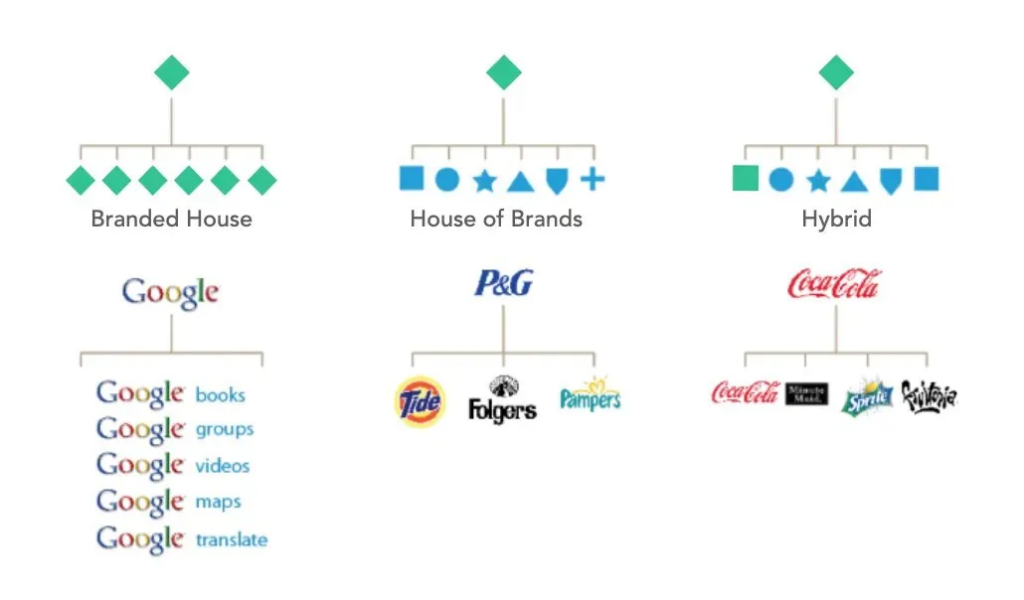
House of Brands: Each brand operates independently with its own unique identity. This approach allows for diverse positioning but requires significant resources to manage each brand individually.
Branded House: The master brand dominates and extends its influence across all sub-brands. This approach leverages the strength of the master brand but may limit the distinctiveness of individual brands.
Hybrid Model: A combination of both, where some brands operate independently while others are closely linked to the master brand. This model offers flexibility but requires careful management to avoid confusion.
Choosing the right architecture depends on your business goals, target markets, and brand equity. A clear structure helps streamline marketing efforts and resource allocation.
2. Maintain Consistent Brand Values
While each brand may have its unique identity, maintaining consistent core values across all businesses under the house of brands is vital.
Consistent values build trust and credibility with consumers. Ensure that each brand’s messaging aligns with the overarching company values.
For example, if sustainability is a core value, every brand under your umbrella should reflect this in their practices and communications. This consistency reinforces your commitment to your values and helps build a cohesive brand portfolio.
3. Centralize Administrative Functions
While brand identities should be distinct, administrative functions can be centralized to achieve economies of scale and improve efficiency.
Functions such as HR, finance, IT, and procurement can be shared across businesses, reducing redundancy and operational costs.
Practical Steps:
- Shared Services Model: Implement a shared services model for administrative functions, allowing each brand to focus on its core activities while benefiting from centralized support.
- Standardized Processes: Develop standardized processes and systems for administrative tasks to ensure consistency and efficiency across brands.
- Integrated Technology: Utilize integrated technology solutions to streamline operations and enhance communication between brands and centralized functions.
4. Strategic Brand Positioning

Image Source: Enigma
Strategic brand positioning involves understanding and optimizing the market positions of each brand to avoid cannibalization and maximize market share.
This requires thorough market research, competitive analysis, and strategic planning.
Practical Steps:
- Market Segmentation: Segment the market accurately and position each brand to target specific customer segments without overlapping.
- Competitive Analysis: Conduct regular competitive analysis to understand the market landscape and adjust brand positioning strategies accordingly.
- Portfolio Management: Use portfolio management techniques to assess the performance of each brand and make strategic decisions about investment, development, or divestment.
5. Effective House of Brands Communication Strategies
Tailoring communication strategies to suit the unique identity and target audience of each brand is essential.
However, these strategies should also align with the overarching corporate goals and values.
Practical Steps:
- Customized Marketing Campaigns: Develop customized marketing campaigns for each brand, considering their unique identities and customer bases.
- Consistent Messaging: Ensure that the messaging across all brands is consistent with the company’s core values and strategic objectives.
- Integrated Marketing Communication (IMC): Implement an IMC approach to create a seamless experience for customers, ensuring that all communication channels work together effectively.
6. Leverage Data and Analytics
Data and analytics play a crucial role in managing a house of brands effectively. By leveraging data, companies can gain insights into customer behavior, market trends, and brand performance, enabling informed decision-making.
Practical Steps:
- Customer Insights: Use data analytics to gather insights into customer preferences and behavior for each brand, tailoring marketing and product strategies accordingly.
- Performance Metrics: Establish key performance metrics for each brand and use data analytics to monitor and evaluate performance.
- Predictive Analytics: Utilize predictive analytics to anticipate market trends and customer needs, allowing proactive strategy adjustments.
7. Adaptability and Continuous Improvement
In a dynamic market, adaptability and continuous improvement are essential for sustaining the success of a house of brands. This involves staying abreast of market trends, being responsive to customer feedback, and continuously refining strategies.
Practical Steps:
- Market Monitoring: Regularly monitor market trends and competitor activities to identify opportunities and threats.
- Customer Feedback: Actively seek and act on customer feedback to improve products, services, and customer experiences.
- Continuous Learning: Foster a culture of continuous learning and improvement, encouraging employees to stay updated with industry developments and enhance their skills.
8. Effective Leadership and Governance
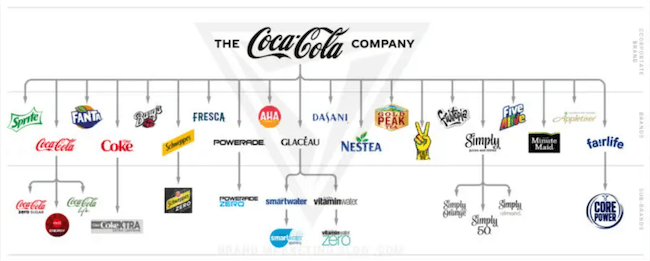
Image Source: Brand Marketing Blog
Strong leadership and governance are critical for the successful management of multiple verticals under the house of brands. Leaders must be adept at balancing the strategic objectives of the company with the individual needs of each brand.
Practical Steps:
- Leadership Development: Invest in leadership development programs to cultivate leaders who can effectively manage multiple brands and drive overall company success.
- Governance Structures: Establish robust governance structures that provide oversight and strategic direction for all brands while allowing flexibility and autonomy.
- Transparent Decision-making: Ensure transparent decision-making processes that consider the perspectives and interests of all brands.
Operationalizing Your Strategy: Tools, Templates, and Best Practices
Managing a House of Brands requires robust operational systems to maintain efficiency and consistency.
1. Centralized Brand Management Platforms (Digital Asset Management – DAM)
Invest in a Digital Asset Management (DAM) system like Bynder, Frontify, or Acquia DAM. This acts as a single source of truth for all brand assets.
- Benefit: Ensures every team and agency uses the correct logos, fonts, brand guidelines, and latest product imagery for each specific brand. This directly addresses queries about
how to prevent brand misuse by internal teams or partners.
2. Creating Flexible Templates
Yes, you can and should create templates for multiple brands.
- Approach: Develop master templates for social media posts, email campaigns, and presentation decks that use a consistent layout structure but have easily swappable color palettes, fonts, and logo locks for each brand.
- Tools: Canva for Work, Adobe Creative Cloud Libraries, and advanced features in Figma are excellent for this.
3. Managing Social Media for Multiple Brands
- Dedicated Handles: Each brand should typically have its own social media handles to build a unique community.
- Management Tools: Use a platform like Sprout Social, Hootsuite, or Agorapulse that allows you to manage all brand accounts from a single dashboard, schedule content, and monitor brand mentions efficiently.
- Unified Voice, Distinct Tone: While the overarching brand values are consistent (e.g., “customer-obsessed”), the tone for each brand can differ (e.g., one brand is playful and witty, another is professional and authoritative).
4. Content Management System (CMS) Strategy
For managing multiple brand websites or microsites, a headless CMS like Contentful, Strapi, or Storyblok is often the best choice.
- Benefit: It allows you to manage content for all brands in one central backend “head,” while pushing that content to different front-end “bodies” (websites, apps, etc.), ensuring consistency while allowing for unique brand designs.
Advantages and Disadvantages of a House of Brands
Advantages of a House of Brands:
- Market Segmentation: Precisely target different demographics, psychographics, and price points without brand dilution.
- Reduced Risk: A product failure or PR crisis for one brand is contained and does not necessarily tarnish the reputation of the other brands in the portfolio.
- Acquisition Flexibility: Allows a company to acquire strong brands and let them continue operating successfully without a risky rebrand.
- Internal Focus: Teams can develop deep expertise and passion for their specific brand’s market.
Disadvantages of a House of Brands:
- High Operational Cost: Maintaining separate marketing teams, campaigns, and brand identities is expensive and resource-intensive.
- Complex Management: Requires sophisticated systems and leadership to manage the portfolio without causing internal competition or confusion.
- Diluted Master Brand Power: The parent company can become invisible to consumers, missing out on the cumulative brand equity that a Branded House enjoys.
- Cross-Selling Challenges: It’s difficult to leverage the customer base of one brand to promote another if they don’t know the connection.
Conclusion on House of Brands
Managing multiple brands under one roof is a complex but rewarding endeavor. A house of brands model offers significant advantages in terms of brand specialization and market reach but also presents challenges in terms of brand management and resource allocation.
It’s not for every business, but if done right can prove to be a lucrative business.
If you liked this article, visit our insights and blog page.
Frequently Asked Questions
What is the difference between a House of Brands and a Branded House?
A House of Brands operates multiple independent brands (like P&G with Tide & Crest), while a Branded House uses a single master brand for all offerings (like Tesla with Model S, Model 3, etc.). The key difference is the visibility and role of the parent company brand.
Can you have a House of Brands and a Branded House?
Yes, this is called a Hybrid Model. A company like Microsoft does this: it uses a Branded House approach for its core software (Microsoft Office, Microsoft Azure) but operates a House of Brands for its gaming division (Xbox, Minecraft) and professional network (LinkedIn).
How do you manage individual agent branding under one brokerage brand?
This is a classic House of Brands challenge within a service industry. The solution is to create a clear Brand Architecture:
- The master brokerage brand sets the overarching standards and value proposition.
- Individual agents can build their personal brand, but it must be visually and verbally endorsed by the master brand (e.g., “Jane Doe, a trusted agent at Master Brokerage“).
- Provide agents with branded templates and guidelines to ensure consistency while allowing for personal expression.
What is the best way to handle co-branding or partnership branding?
In a House of Brands, co-branding requires careful negotiation.
- Define the Goal: Is it to access a new audience? Combine expertise?
- Maintain Visual Balance: Ensure both brand logos and identities are presented with equal prominence and respect each other’s guidelines.
- Clarify the Value Proposition: The partnership should create a clear, new benefit for the customer that neither brand could offer alone.
- Plan the Exit: Have a clear agreement on how the co-branded assets will be retired once the partnership ends.