
** TL;DR ** A loss leader strategy involves selling a product at a loss to attract customers, hoping they will buy other profitable items. It can be a genius move for customer acquisition and driving traffic, but it’s a risky bet if customers only buy the discounted item, eroding profits or damaging brand value. Ultimately, its success hinges on careful planning, choosing the right product, and understanding customer behavior to ensure the initial loss is effectively a marketing cost that leads to greater overall sales.
Walk into any major supermarket, and you’ll see it. A giant display of soda bottles priced so low the store can’t possibly be making money. Or a brand-new video game console selling for barely more than its manufacturing cost. You might stop and wonder, “How is this sustainable?” The answer is a clever and age-old retail pricing strategy known as the loss leader.
It’s the art of selling a product at a loss to lure customers through the door, hoping they’ll buy other, full-priced items once they’re inside. It’s the bait on the hook. But is this a stroke of genius for customer acquisition, or is it a risky bet that can backfire spectacularly?
In this article, we’ll dive deep into the world of loss leader pricing, explore its mechanics, weigh its considerable risks against its potential rewards, and uncover how you can implement it wisely.
What is a Loss Leader? Breaking Down the Basics
Let’s start with the fundamental question: what is a loss leader?
In simple terms, a loss leader is a product or service that is intentionally sold at a financial loss. The “loss” part is straightforward; you’re selling it for less than what it cost you to acquire or produce. The “leader” part is the strategic goal: this product is meant to lead customers to your business.
The core idea isn’t to make money on that specific item. Instead, it functions as a powerful magnet. The ridiculously good price is designed to:
- Attract foot traffic to a physical store.
- Drive visitors to an e-commerce website.
- Acquire new customers who have never shopped with you before.
- Introduce customers to your brand, hoping they’ll return for future, profitable purchases.
The entire model banks on the consumer’s tendency to make additional, unplanned purchases. You take a small, calculated loss on one item to make a larger overall profit on the entire shopping basket. This approach is one of the most aggressive forms of a customer acquisition strategy in the book.
How Loss Leader Pricing Works: The Psychology Behind the Price Tag
Loss leader pricing is so effective because it taps into fundamental principles of consumer psychology.

Image Source: Wallstreet Mojo
- First and foremost, it creates immense perceived value. When a customer sees a product they know is typically $50 being sold for $25, their brain registers it as an incredible deal. This triggers a positive emotional response and builds goodwill toward your store. You are no longer just a seller; you are the provider of an amazing opportunity.
- Secondly, it leverages the concept of reciprocity on a subtle level. While not a direct exchange, customers who feel they got a fantastic deal on one item are often more inclined to “give back” to the business by shopping for other things there. They might think, “I saved so much on the printer, I can afford to buy the genuine ink cartridges here instead of online,” even if those cartridges are marked up.
- Finally, it breaks down barriers to entry. A high price tag can be intimidating. A low loss leader price makes it easy for new customers to try your business with minimal risk. Once they are in your ecosystem and have a positive experience, the hope is that they will become loyal, repeat customers who no longer need a steep discount to return.
Loss Leader Pricing Advantages and Disadvantages: A Summary
| Advantages (The “Genius Move”) | Disadvantages (The “Risky Bet”) |
|---|---|
| Drives high foot traffic & online visits | Customers may only buy the loss leader (“cherry-picking”) |
| Effective for new customer acquisition | Can trigger destructive price wars with competitors |
| Clears out slow-moving or old inventory | Erodes profit margins if not carefully calculated |
| Introduces customers to a full product ecosystem | Can damage brand perception as a “discount” outlet |
| Helps build market share & competitive moats | Risk of crossing into illegal predatory pricing |
| Increases overall basket size & lifetime customer value | Requires deep customer behavior understanding |
Classic and Modern Loss Leader Pricing Examples

Image Source: Acowebs
You encounter loss leader pricing examples all the time, even if you don’t realize it. Here are a few classic and modern instances:
- Grocery Stores: This is the classic arena. Stores will sell staples like milk, eggs, or rotisserie chickens at a loss. They know that while you’re in for the cheap milk, you’ll also pick up that bag of chips, the steak, and the laundry detergent, all of which have healthy markups. A famous example is Costco’s $4.99 rotisserie chicken, which has been sold at that price for years despite inflation and is a legendary customer traffic driver.
- Electronics Retailers: A new video game console is often sold at or near cost. The retailer makes little to no profit on the hardware itself. Their profit comes from selling the video games, extended warranties, controllers, and cables that customers inevitably add to their purchase.
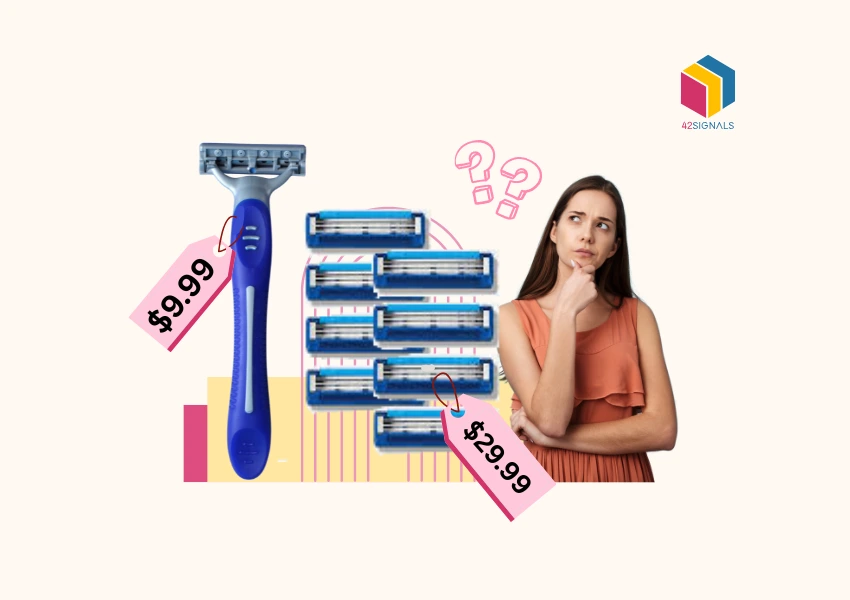
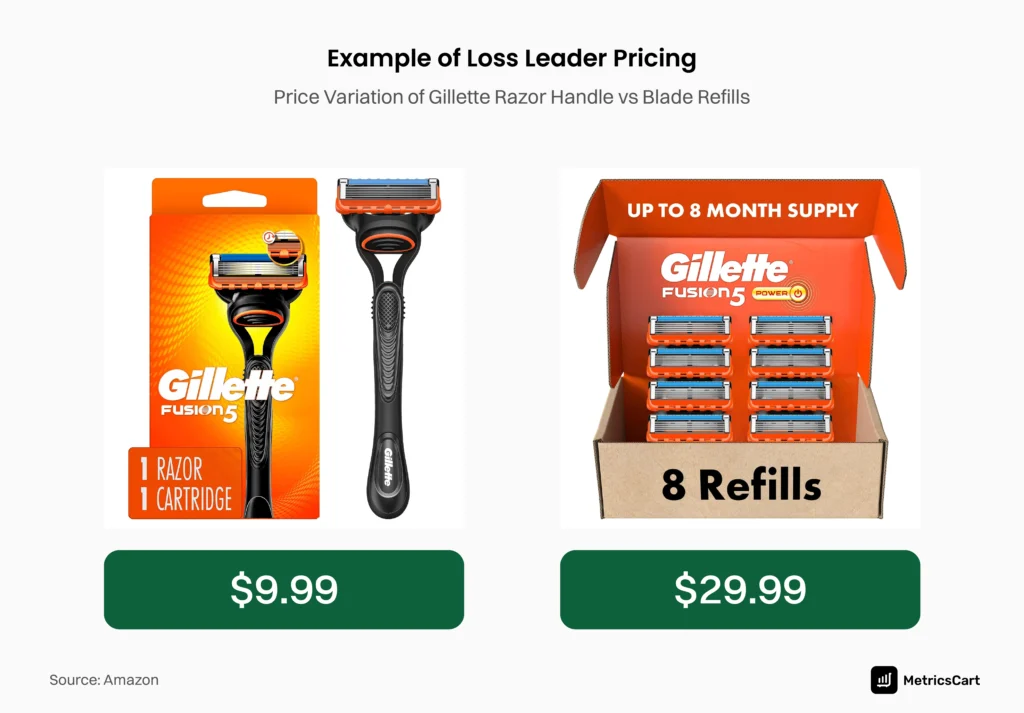
- Razors and Ink Cartridges: This is known as the “razor and blades” model. Companies like Gillette sell the razor handle (the loss leader) at a very low cost. Their real, recurring revenue comes from the proprietary blades that need frequent replacement, which are sold at a high margin. The same principle applies to printers and ink.
- Software and Services: Many SaaS (Software-as-a-Service) companies offer a free or heavily discounted basic plan. This plan acts as a loss leader, allowing users to experience the core value of the product. The goal is to eventually upsell them to a premium, paid subscription with more features and storage.
Ready to Take the Next Step?
See how our solutions can help you achieve your goals and drive measurable results.
Is Loss Leader Pricing Illegal?
This is a critical and common question. In the vast majority of cases, loss leader pricing is perfectly legal. It is recognized as a common and aggressive form of competition.
The key distinction lies in intent, which separates it from the illegal practice of predatory pricing.
| Loss Leader Pricing (Generally Legal) | Predatory Pricing (Illegal) | |
|---|---|---|
| Primary Goal | Attract customers to buy other profitable items | Deliberately drive competitors out of the market |
| Scope | Used on a few select products | Applied across a wide range of products |
| Duration | Often short-term or cyclical | Sustained over a long period, incurring massive losses |
| Post-Strategy | Continue selling a diverse range of products | Raise prices to monopoly levels once competition is gone |
The illegal “predatory” aspect comes from the anti-competitive intent to create a monopoly. As long as your goal is to win customers for your overall business and not to eliminate all competition, loss leading is a legitimate strategy.
What is the Purpose of Loss Leader Pricing?
Beyond the basic definition, the purpose of loss leader pricing is multi-faceted and strategic. It’s designed to:
- Act as a Marketing and Acquisition Engine: The loss leader is essentially a highly effective, performance-based advertisement. The cost of the product loss is your customer acquisition cost, which can be more targeted and efficient than traditional advertising.
- Change Customer Behavior: The primary purpose is to break the habit of customers shopping with competitors. By offering an irresistible deal, you force them to enter your store or website, creating an opportunity to impress them and earn their long-term loyalty.
- Leverage the Halo Effect: A fantastic deal on one product creates a “halo” that makes customers perceive your entire store as having good value, making them more likely to buy other items without extensive price comparison.
- Monetize a Customer Over Time: The purpose isn’t to make a profit on the first sale but on the entire customer relationship. This is the foundation of the “razor and blades” model and similar strategies, where the initial loss is an investment in a continuous revenue stream.
The Genius Move: Advantages of a Loss Leader Strategy
When executed correctly, a loss leader strategy can be a powerful tool for growth. Its advantages are significant.
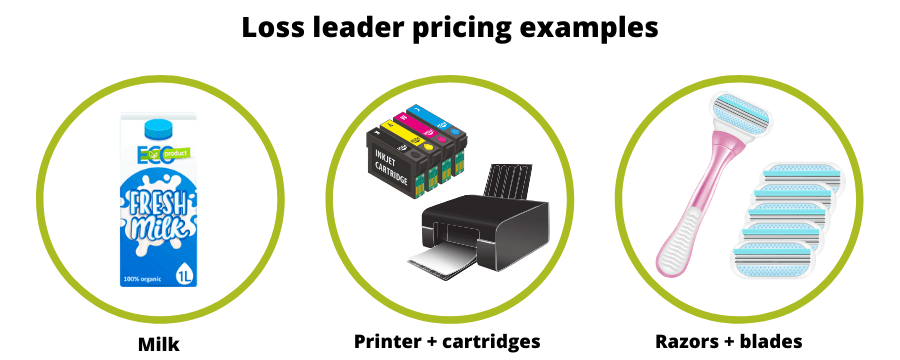
Image Source: Conjointly
1. Supercharged Customer Acquisition and Traffic Generation
This is the primary goal. A compelling offer is one of the fastest ways to get new people to try your business. It can create a surge of new leads and foot traffic that would be much more expensive to acquire through advertising alone.
2. Clearing Out Old Inventory
Selling slow-moving seasonal or outdated stock at a loss is better than letting it gather dust in a warehouse. Using an old product as a loss leader can help you free up valuable capital and shelf space for newer, more profitable items.
3. The Power of the Upsell and Cross-Sell
This is where the money is made. The loss leader gets them in the door, but your other products seal the deal. A customer buying a discounted TV might also buy a soundbar, mounting service, and premium HDMI cables. The initial loss is easily offset by the profits from these add-on sales.
4. Building Market Share and Competitive Advantage
A strong loss leader strategy can help you stand out in a crowded market. If you become known as the go-to place for incredible deals on certain items, you can draw customers away from competitors. Over time, this can help you build a dominant market position.
The Risky Bet: Disadvantages and Dangers of Loss Leading
For all its potential, the loss leader approach is fraught with risk. Missteps can be costly, both financially and legally.
1. The Big One: Customers Who Only Buy the Loss Leader
This is the most common pitfall. Not every customer will play along. So-called “cherry-pickers” will come in, buy only the deeply discounted item, and leave. If too many customers do this, your business will simply bleed money. You need a high percentage of customers to make additional purchases for the math to work.
2. The Slippery Slope to Price Wars
If you use a loss leader on a product your competitor also sells, they may feel forced to match or beat your price. This can trigger a destructive price war where both businesses continuously lower prices on key items, eroding profits for the entire industry until one is forced to withdraw.
3. Brand Perception and the “Cheap” Trap
If you rely too heavily on loss leaders, customers may start to perceive your brand as a discount outlet. This can make it incredibly difficult to later sell products at their full, regular price. You train your customers to only buy from you when something is on sale.
4. The Legal Grey Area: Predatory Pricing Accusations
This is a critical distinction to understand. While loss leader pricing is generally legal, it can sometimes border on predatory pricing. Predatory pricing is the illegal practice of setting prices extremely low with the intent to eliminate competition. Once competitors are driven out of business, the predator raises prices significantly. The line between the two can be blurry. Using a loss leader to compete aggressively is one thing; using it to create a monopoly is another and can attract scrutiny from regulatory bodies.
5. The Simple Math of Profit Erosion in Loss Leader
At its heart, you are still selling a product for less than it’s worth. If your other products don’t sell enough to cover the loss, or if your calculations are off, you can quickly find yourself in a negative revenue situation. It requires meticulous planning and a deep understanding of your customers’ buying habits.
Ready to Take the Next Step?
See how our solutions can help you achieve your goals and drive measurable results.
Loss Leader vs. Predatory Pricing: Knowing the Difference
It’s crucial to understand the difference between these two concepts, as one is a common strategy and the other is illegal.
- Loss Leader Pricing: The primary goal is to attract customers to buy other profitable products. The loss on the initial item is a marketing cost. It is typically short-term and focused on a few select items. The business has no intention of creating a monopoly; it just wants to increase its sales volume and customer base.
- Predatory Pricing: The primary goal is to deliberately incur losses to force competitors out of the market. The low prices are sustained across a wider range of products and are intended to be unsustainable for rivals. Once competition is eliminated, the company abruptly jacks up prices to monopolistic levels to recoup its losses.
The key differentiator is intent. A loss leader is a customer acquisition tool. Predatory pricing is an anti-competitive weapon.
How to Implement a Loss Leader Strategy Without Losing Your Shirt
If you’re considering a loss leader approach, careful strategy is non-negotiable. Here’s how to do it smartly.
1. Choose the Right Product
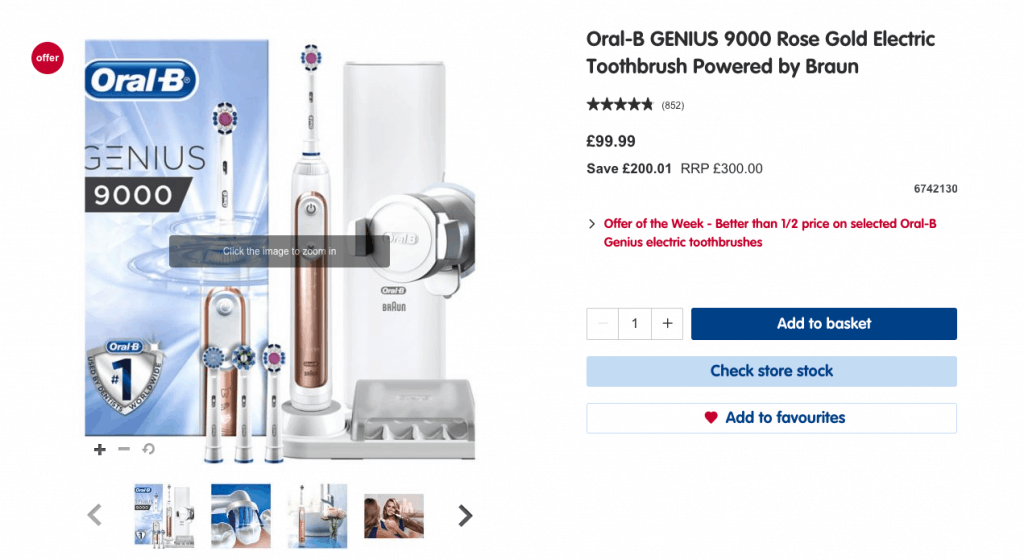
Your loss leader must be a desirable, high-demand product that customers actively want. It should also be a product that naturally leads to the purchase of other items. A discounted video game console is a great leader because it requires games and accessories. A discounted loaf of bread is less effective unless you are a bakery with many complementary goods.
2. Know Your Numbers Inside and Out
This is the most important step. You must calculate exactly how much loss you can afford to take per customer. You need to know your average transaction value and profit margins on other items. How many additional sales do you need to make to cover the loss on the leader? Run the numbers relentlessly before you begin.
3. Strategically Place Your Leader Items
In a physical store, place your loss leader items at the back. This forces customers to walk through the entire store, past countless other products, to get to the deal. This increases the likelihood of impulse buys. Online, prominently feature the deal on your homepage but make sure the product page suggests high-margin “frequently bought together” items.
4. Set Limits
Protect yourself from the cherry-pickers. Implement reasonable purchase limits per customer (e.g., “limit 2 per household”). This ensures the deal is available to more potential new customers and prevents resellers from buying your entire inventory just to flip it for a profit.
5. Measure Everything
You must track the results. Is the campaign actually driving new customer acquisition? What is the average spend of a customer who buys the loss leader compared to a regular customer? Use this data to determine if the strategy is working or if you need to adjust your product choice, pricing, or placement.
Real-World Loss Leader Pricing Examples
The theory is sound, but where do we see it in action? Here are some of the most common loss leader pricing examples from well-known companies:
- Amazon: The “Everything Store” is a master of the loss leader. They often sell devices like the Amazon Echo or Kindle at or near cost. These devices are trojan horses, designed to lock you into the Amazon ecosystem for music, shopping, and audiobooks, where the real profits are made.
- Grocery Stores (Walmart, Kroger): Staples like milk, eggs, and rotisserie chickens are classic loss leaders. They are priced to get you in the door, counting on you to also throw higher-margin items like snacks, pre-made meals, and health and beauty products into your cart.
- Gillette (The “Razor and Blades” Model): This is the quintessential example. The razor handle is sold cheaply as the loss leader. The company’s immense, recurring profit comes from the proprietary, high-margin blades you are forced to buy repeatedly.
- Video Game Consoles (Sony, Microsoft): Console hardware like the PlayStation or Xbox is often sold with very thin margins. The profit engine is the 30% cut they take from every game sold, plus revenue from online subscription services (PS Plus, Xbox Game Pass).
- Telecom Companies (AT&T, Verizon): They frequently offer “free” or heavily discounted phones (the loss leader) when you sign a long-term contract for their high-margin monthly service plans.
So, Genius Move or Risky Bet?
So, is the loss leader strategy a genius move or a risky bet? The answer is that it is both.
It is a genius move when it is data-driven, carefully planned, and executed with a deep understanding of your customer’s behavior. It’s a powerful tactic to break into a new market, launch a product, or simply steal market share from a competitor. When done right, the initial loss is nothing more than a highly effective marketing expense.
It is a risky bet when it is implemented haphazardly, without number-crunching, or as a reaction to a competitor’s move. It can devalue your brand, trigger profit-killing price wars, and lead to significant financial losses if customers don’t behave as you predicted.
The loss leader is not a strategy to be used all the time. It’s a specialized tool in your broader retail pricing strategies toolkit. Used sparingly and strategically, it can be one of the most effective ways to acquire customers and drive sales. But wield it carelessly, and you might just find that the only thing you’re leading is your business into a loss.
Frequently Asked Questions
What is a loss leader?
A loss leader is a product that a business intentionally sells at a price lower than its cost to attract customers. The goal isn’t to make a profit on that item but to bring people into the store or onto a website, where they’re likely to buy other higher-margin products. It’s a classic retail strategy used to boost overall sales volume and customer footfall.
What is an example of loss leader pricing?
An example of loss leader pricing is a grocery store selling milk or eggs at a very low price—sometimes even below cost. While the store loses money on those items, the low price draws in customers who often end up buying other groceries, snacks, or household items at full price. The lost profit on the promoted item is recovered through the increased basket size.
What is a loss leader at Costco?
At Costco, one well-known loss leader is the $1.50 hot dog and soda combo, which has maintained the same price for decades. Costco doesn’t make a profit on this deal—in fact, it may lose money—but the combo has become iconic and draws in shoppers. Once inside, customers are more likely to make large purchases, which offsets the loss from the food court item.
What is a loss leader GCSE?
In GCSE Business Studies, a loss leader is defined as a pricing strategy where a product is sold at a price below its production or acquisition cost. It’s taught as a real-world marketing tactic that businesses use to increase customer traffic and encourage the purchase of other profitable items. Students learn how this strategy plays a role in pricing models and consumer behavior.