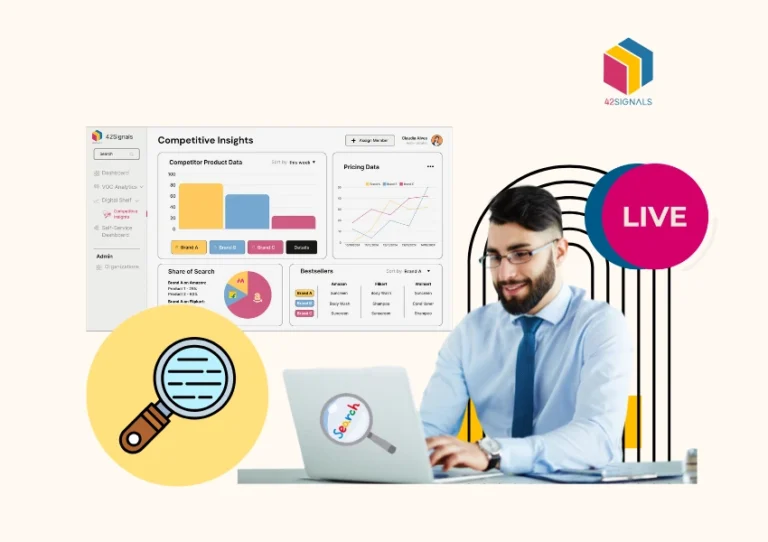


Picture this: A customer in Madrid stumbles upon your product on Amazon, while an algorithm in Chicago adjusts a competitor’s discount milliseconds before a holiday sale goes live. Meanwhile, a distributor in Jakarta undercuts your pricing policy, threatening your brand’s margins. In 2025, pricing tools will have to be a blend of psychology, compliance, and predictive analytics.
The right product pricing software can mean the difference between profit and peril. But with pricing tools like 42Signals for MAP enforcement, Feedvisor for Amazon dominance, and Quoter for sales agility, how do you choose? Let’s dissect the top 5 tools reshaping pricing strategies this year.
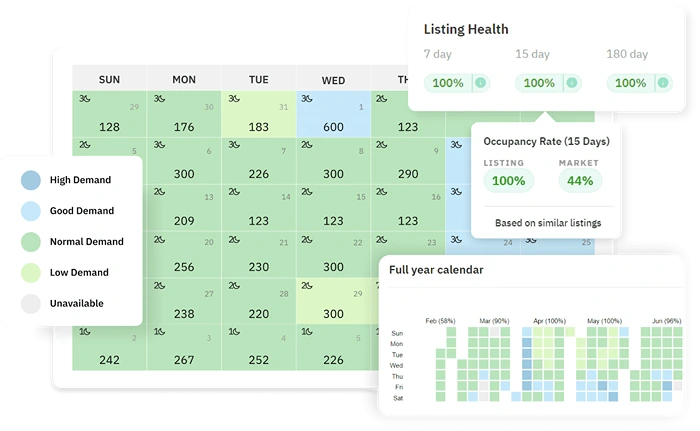
Image Source: Price Labs
The 2025 Pricing Tools Playbook: Analytics, Compliance, and Speed
Modern pricing tools tackle three critical challenges:
- Data Overload: Turning metrics from ecommerce analytics software into actionable strategies.
- Digital Shelf Warfare: Partnering with digital shelf analytics providers to stay visible in crowded markets.
- MAP Violations: Stopping rogue sellers dead in their tracks with automated MAP violations detection.
Here’s how the top pricing tools stack up.
2025’s Top Pricing Tools: A Tailored Breakdown
1. 42Signals: The MAP Compliance Sheriff
Perfect For: Brands battling unauthorized discounts, counterfeit sellers, and looking for competitor data.

Why It’s Unique
42Signals isn’t just a common MAP violations detector tool. It helps businesses monitor unauthorized sellers across all marketplaces. Take the case of a high-end skincare brand that discovered 300+ unauthorized sellers on Amazon. Within weeks, 42Signals’ legal-grade reports helped shut down 95% of them, reclaiming 18% in lost revenue.
The Unauthorized Seller Problem: A Deeper Dive
Take the case of a high-end skincare brand that discovered 300+ unauthorized sellers on Amazon. This wasn’t just a pricing issue—it was a crisis. These sellers often source products through unauthorized channels, leading to potential counterfeiting, expired goods, and inconsistent customer experiences that severely damage brand reputation. Within weeks,
42Signals’ legal-grade reports, which automatically compile evidence of violations with timestamps and seller details, helped shut down 95% of them. This decisive action didn’t just stop the bleeding; it directly reclaimed 18% in lost revenue and restored trust with their authorized retail partners.
Standout Features
- Global, Real-Time Marketplace Surveillance: Scans 150+ global marketplaces (Amazon, Alibaba, Walmart, Quick Commerce) for MAP violations in near real time. You gain a single, unified view of your brand’s pricing health worldwide, ensuring no violation goes unnoticed, no matter where it occurs.
- Digital Shelf Integration for Contextual Intelligence: We go beyond simple price tracking by integrating with digital shelf analytics. This allows you to understand the full context of a MAP violation. Is the violating seller also using stolen product images? Do they have poor ratings that are dragging down your product’s conversion rate? By connecting pricing data with shelf performance, you understand the full scope of the damage and can prioritize enforcement actions based on business impact.
- Proactive Pricing & Competitive Strategy: 42Signals turns pricing data into a strategic weapon. Our platform doesn’t just identify violations; it helps you decipher competitor pricing tactics and strategies. See how competitors launch flash sales, bundle products, or adjust prices for different channels. With this intelligence, you can make data-driven decisions to price your products correctly, protect your margin, and stay on top of every price fluctuation to maximize profitability.
- From Detection to Action in a Few Clicks: Knowing about a violation is only half the battle. 42Signals streamlines the entire enforcement workflow. Automate cease-and-desist letters, generate the compelling legal-grade evidence reports needed for formal marketplace takedowns, and track the status of every enforcement action from a centralized dashboard. This reduces administrative overhead from days to minutes and ensures a consistent, enforceable policy.
If you’re curious to see it in action, sign up for a free trial.
2. Deal Hub: The CPQ Powerhouse for Sales Teams
Perfect For: B2B companies closing complex, high-value deals.

Image Source: Hubspot
Why It’s Unique:
Deal Hub turns pricing tools into a storytelling tool. A cybersecurity startup used its AI-guided quoting to justify a 30% premium by bundling threat detection analytics with personalized onboarding. Deals closed 40% faster.
Standout Features
- Dynamic discounting based on deal size, customer loyalty, and competitor bids.
- Integrates with ecommerce analytics software like HubSpot to align quotes with buyer intent data.
- Simulates pricing scenarios to avoid margin leaks (e.g., accidental over-discounting).
3. Vendavo: The Enterprise Pricing Architect
Perfect For: Manufacturers and distributors with complex global pricing rules.

Image Source: Capterra
Why It’s Unique
Vendavo pricing tools thrives in regulated industries. A medical device company avoided $5M in compliance fines by using its AI to flag pricing conflicts across 80+ countries. Bonus: It auto-adjusted prices to match regional tax laws.
Standout Features
- AI-driven margin analysis for multi-tier distribution networks.
- Partners with digital shelf analytics providers to monitor B2B portal pricing integrity.
- Customizable workflows for MAP violations detection and distributor audits.
The Catch: Requires a dedicated pricing team to manage its robust features.
4. Feedvisor: The Amazon Whisperer
Perfect For: Brands all-in on Amazon (and surviving Walmart’s rise).
Why It’s Unique
Feedvisor’s AI predicts Amazon’s Buy Box algorithm like no other. A toy brand won the Buy Box 89% of the time during Q4 by letting Feedvisor adjust prices hourly based on competitor stock levels and delivery speeds. Revenue spiked 62%.

Image Source: Software Advice
Standout Features
- Reprices products across Amazon, Walmart, and eBay without triggering MAP violations.
- Ties pricing tools to digital shelf analytics (e.g., lowering prices if reviews dip below 4 stars).
- Forecasts how Amazon Prime Day timing impacts margins.
The Catch: Limited value for brands not heavily reliant on marketplaces.
5. Quoter: The Speed-to-Quote Champion
Perfect For: SaaS companies and SMEs needing lightning-fast proposals.

Image Source: G2
Why It’s Unique
Quoter pricing tools cuts through the red tape. A CRM startup slashed proposal drafting from 2 hours to 15 minutes by automating tiered pricing based on client size. Their sales team closed 22% more deals in Q1.
Standout Features
- Drag-and-drop templates with real-time ecommerce analytics integration (e.g., adjusting quotes if inventory is low).
- Approval workflows to prevent rogue discounting.
- Syncs with Salesforce to track how pricing impacts win rates.
The Catch: Lacks deep competitor price tracking—best paired with 42Signals for compliance.
How to Avoid Costly Pricing Tool Mistakes
Don’t Let Features Outpace Needs
Many businesses fall for the “kitchen sink” approach, investing in enterprise-grade platforms with exhaustive feature lists they will never fully utilize. This leads to unnecessary complexity, steep learning curves, and bloated costs.
The Strategic Approach: Picking a solution must fit your needs before considering the exhaustive feature list. Conduct an internal audit of your primary pain points. Are you drowning in unauthorized seller enforcement? Is competitor price tracking your main concern? Or do you need deep predictive analytics? Look for a tool that excels at your core challenges and offers the flexibility to customize to your specific, evolving needs.
A Cautionary Tale: A mid-sized bakery invested in a complex platform like Vendavo but only used 10% of its features, paying for advanced B2B quote management and CPQ functionalities they didn’t need. They later switched to a more focused, agile solution like 42Signals pricing tools that directly addressed their MAP monitoring and e-commerce pricing needs, saving over $20K annually without sacrificing critical functionality.
Test Drive Compliance Tools
A sales demo can show you what a tool can do, but a trial shows you what it will do for your brand. Without hands-on testing, you risk purchasing a tool that looks good on paper but fails to identify the specific, hidden violations eroding your margins.
The Strategic Approach: Always take advantage of free trials and personalized demos. Use this opportunity to run the tool on your own products and competitors.
Assess Data Accuracy & Actionability: Is the data clean and presented in a way that your team can act on immediately? 42Signals, for instance, offers a free trial designed to uncover these hidden profit leaks and demonstrate how its legal-grade reports and digital shelf integration provide the full context needed for decisive action.
Uncover Hidden Violations: A true test is whether the tool can find unauthorized sellers and MAP violations you didn’t know existed.
Beware of Marketplace Myopia
The e-commerce landscape is no longer monolithic. Relying on pricing tools that specializes in a single channel, like Feedvisor for Amazon, creates blind spots that can be devastating if a significant portion of your sales occur elsewhere.
The Strategic Approach: Evaluate your sales distribution honestly. If TikTok Shop, Walmart, or regional marketplaces drive 30% of your revenue, you cannot afford to ignore them. Prioritize tools with true cross-channel agility that provide a unified view of your brand’s presence across the entire digital ecosystem. It’s always better to go with a tool with comprehensive, multi-marketplace functionality to ensure consistent brand enforcement and pricing strategy everywhere your customer’s shop.
The Future of Pricing Tools
The next generation of pricing tools is moving from reactive monitoring to proactive, AI-driven strategy. By 2026, we can expect a fundamental shift in how prices are set and managed.
- AI-Praised Pricing: Tools will evolve beyond cost-plus and competition-based models. Advanced platforms will leverage AI to justify price hikes using ESG (Environmental, Social, Governance) metrics, allowing brands to monetize their sustainability efforts and appeal to ethically-conscious consumers.
- Voice Commerce Optimization: As shopping via Alexa and ChatGPT becomes more prevalent, pricing will need to become dynamic and conversational. Future tools will adjust prices in real-time based on user intent and negotiation patterns during a voice interaction, requiring a new layer of pricing agility.
- Ethical Pricing Audits: Regulatory scrutiny is increasing. The next critical feature will be algorithms designed to flag potentially discriminatory pricing patterns (e.g., auto-adjusting prices based on regional income data), helping brands avoid legal pitfalls and protect their reputation.
The Future of Pricing Tools
By 2026, expect pricing tools to:
- AI-Praised Pricing: Tools like Vendavo will justify price hikes using ESG (Environmental, Social, Governance) metrics.
- Voice Commerce Optimization: Adjusting prices in real time as customers negotiate via Alexa or ChatGPT.
- Ethical Pricing Audits: Algorithms that flag discriminatory pricing (e.g., regional income-based disparities).
Price Smarter with Some of the Best Pricing Tools Available
In 2025, pricing tools are less about “beating” competitors and more about owning your value story. Whether you’re enforcing MAP with 42Signals, optimizing Amazon margins via Feedvisor, or accelerating sales with Quoter, the right tool turns pricing from a reactive chore into a strategic asset.
Pro Tip: Run a pricing audit before demoing tools. You’ll negotiate better contracts and avoid paying for features you don’t need.
42Signals has helped several businesses with their pricing needs and competitor tracking requirements. What makes us different is that we don’t sell a vanilla one-size-fits-all solution, instead, we provide customized features based on the brand’s needs.
Frequently Asked Questions
What are some pricing tools?
Pricing tools help businesses set, monitor, and optimize prices using data and automation. The best tool depends on the industry, size of the business, and pricing strategy. Some popular options include:
- 42Signals – Specialized in competitive pricing intelligence, MAP monitoring, and real-time market visibility. Ideal for e-commerce and retail brands.
- Pricefx – A cloud-native platform for large enterprises focused on price optimization and deal management.
- PROS Pricing – Used by global brands for advanced AI-powered price modeling.
- Zilliant – Focuses on B2B pricing strategies with predictive analytics.
- BlackCurve – Useful for smaller retailers looking for price automation.
These tools help businesses maintain competitiveness, improve margins, and respond quickly to market changes.
What are the 4 types of pricing?
The four main types of pricing strategies are:
- Cost-Plus Pricing – Adding a fixed markup to the cost of production.
Example: A shirt costs $20 to make; selling at $30 with a $10 markup. - Value-Based Pricing – Pricing based on perceived customer value rather than cost.
Example: Luxury brands often use this approach. - Competitive Pricing – Setting prices based on competitors’ rates.
Example: Online marketplaces matching competitor discounts. - Dynamic Pricing – Adjusting prices in real time based on demand, season, or competition.
Example: Airlines or ride-sharing apps changing fares dynamically.
What are the 5 C’s of pricing?
The 5 C’s of pricing are key factors businesses consider before setting prices:
- Company Objectives – Aligning pricing with business goals (growth, profit, market share).
- Customers – Understanding willingness to pay and perceived value.
- Costs – Covering production, distribution, and operational expenses.
- Competition – Analyzing how others in the market price similar products.
- Channel Members – Considering margins for distributors, retailers, or partners.
These factors ensure a balanced strategy that supports profitability and competitiveness.
What are the 3 C’s of pricing cost?
The 3 C’s of pricing cost refer to the core considerations when determining a product’s price:
- Cost – The minimum price floor determined by production and operational costs.
- Customer – The maximum price ceiling based on customer perception and willingness to pay.
- Competition – The market reference point that helps position the product strategically.
Finding the sweet spot between these three ensures prices are both profitable and market-relevant.