
** TL;DR ** The 2026 Current Trends in Consumer Behavior reveal shoppers are savvier, more impatient, and ruthlessly pragmatic—demanding real-time proof over promises. Inflation drives “Swiss Army knife” purchases (hybrid products up 27%) and luxury secondhand searches (+61%), while authenticity rules: customer videos boost conversions 3.2x, but vague sustainability claims make 41% abandon carts. Quick commerce exploits speed psychology—over half of app users add unplanned items—and voice-of-customer tools turn phrases like “I wish this could…” into bestsellers (like one brand’s “soup mode” blender). To stay ahead, track share-of-search weekly, weaponize social proof, enable one-click reorders, and swap eco-buzzwords for certified specifics (“90% ocean plastic”). Tools like 42Signals decode these signals, turning clicks into your crystal ball for what sells next.
Remember trying to predict shopping trends by staring at spreadsheets or guessing based on last year’s sales? It wasn’t easy. Today, every click, abandoned cart, product comparison, and review holds a story about what shoppers actually want—not what they say they want. We’re diving into how ecommerce analytics are cutting through the noise to reveal the current trends in consumer behavior redefining 2026.
How Ecommerce Analytics Reveal Consumer Behavior Before Sales Data Does

Image Source: PPCExpo
Real ecommere analytics provide a lot of data and shine a light on current trends in consumer behavior. They provide information on –
- What sold (the obvious part)
- How customers found you (SEO, ads, social?)
- What they almost bought instead (your competitors!)
- Why they hesitated (price? shipping? trust?)

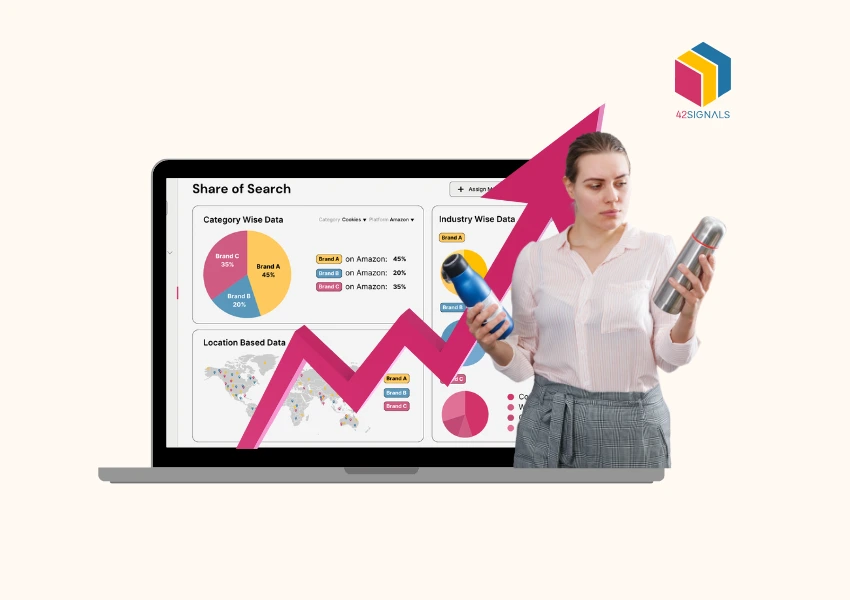
Take “share of search” data. This metric tracks how often your brand is searched versus rivals. It’s a crystal ball for demand shifts before sales reports land. For example, if searches for “affordable meal kits for one” surge 65% in a month (Source: Google Trends, Q1 2026), that’s not a hunch—it’s a market earthquake. Brands ignoring this fly blind. The result? Stockpiling products nobody wants while missing the real opportunities.
Inflation’s Long Shadow: How Shoppers Are Rewriting the Rulebook
Prices aren’t just rising—they’re reshaping priorities. Inflation coping tactics dominate 2026 consumer shopping trends, moving far beyond “buying cheaper stuff.” Shoppers now demand flexibility and long-term value. Analytics spotlight three survival strategies:
- The Rise of the Swiss Army Knife Product:
Why buy three items when one does it all? Sales of hybrid products (like 3-in-1 makeup/skincare sticks) exploded by 27% year-over-year (Source: McKinsey 2026 Beauty Report). Shoppers see these as “smart investments,” reducing both cost and clutter. - Subscription Fatigue is Real:
33% of consumers now actively pause or cancel subscription boxes during tight months (Source: KPMG Consumer Pulse, Jan 2026). They crave control, not autopilot spending. Winners offer easy skip/pause buttons and loyalty perks for returnees.
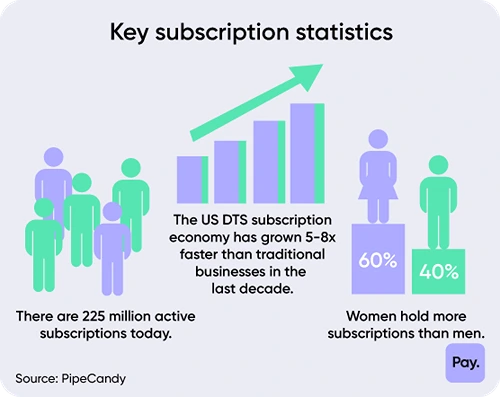
Image Source: Pay
- Pre-Loved Goes Premium:
Searches for “authentic secondhand designer bags” jumped 61% this year. Why? Shoppers view luxury resale as investment buying—owning timeless pieces that hold value. It’s frugality with prestige.
The Takeaway: Shoppers aren’t just trading down—they’re trading smarter. Analytics reveal they’ll pay more for versatile, durable solutions that outlast inflation.
Showrooming, Cross-Channel Behavior, and the Signals Most Brands Miss
One of the most defining retail ecommerce showrooming behavior consumer trends 2026 is the seamless blending of online and offline journeys. Shoppers no longer see channels as separate—they expect a unified experience where they can research on mobile, compare prices across platforms, and pick up in‑store or order for delivery, all without friction.
Showrooming: The New Standard
Showrooming—visiting a physical store to examine a product, then purchasing it online—has evolved into a deliberate strategy. Analytics reveal that retail ecommerce showrooming customer behavior shift 2026 is driven by:
- Price transparency: 63% of shoppers use their phones to check competitor prices while standing in a store aisle (Source: Retail Dive, 2026).
- Availability certainty: Consumers want to verify stock before traveling.
- Return flexibility: Buying online with the option to return in‑store remains a top preference.
What to Track:
- Click‑and‑collect conversion rates – how many online orders are picked up in‑store? Look at the price and availability in ecommerce for this.
- Price match requests – volume and outcome of price‑match inquiries.
- In‑store QR code scans – linking physical visits to digital engagement.
Cross‑Channel Signals: The “Research First” Mindset
Before any major purchase, consumers now conduct extensive online research. Consumer search behavior changes 2026 trends highlight that:
- 72% of shoppers start on Amazon or Google, not a brand’s site.
- 44% read 10+ reviews before buying (consistent across generations).
- Retail ecommerce websites showrooming behavior is particularly strong in electronics, home goods, and apparel.
Action: Use share of search data to see which comparison keywords (e.g., “X vs Y,” “best budget Z”) are gaining traction, then create comparison content that positions your product as the winner.
Emerging Consumer Signals: Complaints & Frustrations
Monitoring trending consumer complaints 2024 (and now 2026) reveals what shoppers are most frustrated with:
| Complaint Theme | Example | What It Signals |
| Shipping delays | “Took 2 weeks to arrive” | Urgent need for faster fulfillment options |
| Hidden fees | “Added $20 at checkout” | Demand for all‑inclusive pricing |
| Poor returns process | “Had to pay return shipping” | Expectation of free, easy returns |
| Confusing instructions | “Assembly instructions were impossible” | Opportunity for video tutorials or better manuals |
Tool Tip: Set up alerts for phrases like “never again,” “waste of money,” or “gave up” in your review and social listening platforms. These are high‑intensity signals that demand immediate attention.
Retail M&A & Consumer Trends
The consumer channels and leisure M&A landscape is shifting to acquire brands that excel in omnichannel, quick commerce, and personalization. For example, traditional retailers buying digital‑native brands to gain younger audiences. Keeping an eye on company sale rumors in the consumer sector can provide early hints about where the market is consolidating—and which consumer behaviors are considered most valuable.
Social Proof in 2026: Why Authenticity Converts Better Than Advertising
Forget the 5-star rating. In 2026, social proof influence is dynamic, visual, and ruthlessly authentic.
Consider this: Products showcasing real customer videos convert visitors 3.2 times faster than those without (Source: Bazaarvoice 2024). Why? Polished ads feel like sales pitches. A shaky phone video of a real person saying, “This saved my vacation!” feels like truth.
Analytics expose how to leverage this:
- Embed Real-Time Reviews: Product pages showing live snippets like “Jamal from Ohio bought this yesterday: ‘Way easier to install than the video showed!’” see 18% lower bounce rates. It’s instant validation.
- Activate Community Q&A: Items with active user-generated answers to questions (e.g., “Does this fit true to size?”) sell out 40% faster. Shoppers trust peers over product descriptions.
- “Others Like You Bought…”: Suggesting bundles based on actual purchase data (not guesses) lifts average order value by 22%. It’s peer pressure that works.
Action Step: Make social proof VISIBLE. Feature user photos/videos on product images. Add a “Trending Near You” widget. Turn customers into your loudest advocates.
Quick Commerce & Impulse Buys: When “Wait” Becomes the Enemy

Quick commerce psychology exploits a simple fact: Friction kills desire. When delivery feels instant (15-30 mins), hesitation plummets. Impulse buying data confirms 55% of quick-commerce app users add 1-2 unplanned items per order (Source: Forbes, 2026). But speed isn’t just delivery—it’s reducing mental speed bumps.
Analytics pinpoint current trends in consumer behavior and what triggers “add to cart” impulses:
- Saved Payment Methods: Shoppers with cards/payroll already stored are 34% more likely to buy on impulse. Typing card numbers is a conversion killer.
- Urgency Signals: Phrases like “12 people viewing this now” or “Low stock alert” create FOMO. Pages with these see 20-30% urgency-driven sales spikes.
- Hyper-Personalized Alerts: A push notification saying “Your favorite oat milk is back in stock – tap to reorder!” drives 50% of quick commerce impulse buys. Relevance = reduced resistance.
The Psychology Hack: Impulse buys thrive on reducing steps and amplifying scarcity/relevance. Make one-click reorders your default.
How to Track Consumer Behavior Trends in Real Time: Tools & Signals
To stay ahead, you need a system that constantly captures consumer behavior data trends. Here’s a practical ecommerce market intelligence toolkit.
1. Use Google Trends & Social Platforms
- Google Trends trending topics consumer behavior – Set up alerts for category‑specific terms to spot emerging interests.
- Reddit trending topics consumer behavior – Monitor subreddits related to your industry for unfiltered discussions.
- TikTok trending topics consumer behavior – Track hashtags and viral videos that reveal sudden demand spikes.
2. Leverage Ecommerce Analytics Platforms
Tools like 42Signals aggregate data across marketplaces, providing:
- Share of search for your brand vs. competitors
- Consumer sentiment trends by region and product category
- Price and availability shifts that influence buying decisions
3. Analyze Consumer Complaint Patterns
Consumer complaint patterns market signals 2026 can be extracted from:
- Better Business Bureau (BBB) complaints
- Trustpilot and G2 1‑star reviews
- Social media rants (use social listening to tag recurring themes)
Turn these into a “fix‑it” dashboard that prioritizes issues by volume and impact.
4. Run Regular “Voice of the Customer” Surveys
Beyond passive listening, proactively ask:
- “What’s the #1 reason you chose us?”
- “What almost stopped you from buying?”
- “What would make you recommend us to a friend?”
Use tools like Hotjar or Qualtrics to embed short surveys post‑purchase.
5. Track Multi‑Channel Attribution
To understand retail customer behavior ecommerce search before store visit conversion 2026, you need attribution that connects:
- In‑store visits triggered by online ads
- Mobile research that ends in a desktop purchase
- Click‑and‑collect orders that started as a social media discovery
Action: Implement a customer data platform (CDP) that unifies identifiers (email, phone, loyalty ID) across channels.
Consumer Trends by Region & Culture
While global trends dominate, regional nuances matter especially in currency normalization ecommerce. For example:
- Hong Kong consumer behaviour trends show a strong preference for cross‑border ecommerce and digital wallets.
- Multicultural consumer trends in the U.S. reveal that Hispanic and Asian American shoppers over‑index on social commerce and brand values.
- Urban lifestyle consumer report data indicates city dwellers prioritize convenience (quick delivery, subscription services) more than rural counterparts.
Recommendation: Segment your analytics by geography and cultural cohort to avoid one‑size‑fits‑all strategies.
Voice of Customer Analytics: Your Unfiltered Focus Group
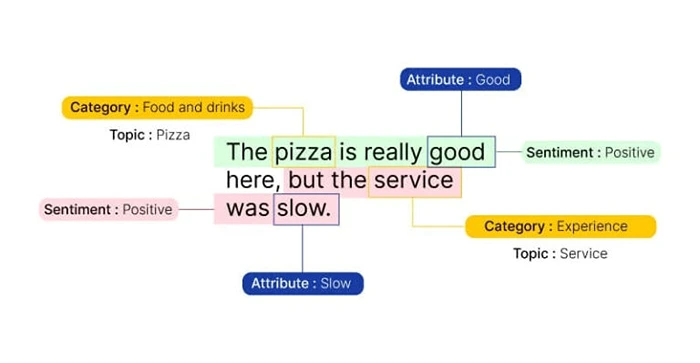
Voice of customer analytics (VOC) turns raw feedback—reviews, support chats, social rants—into your product roadmap. Modern sentiment analysis tools scan language to detect frustration, wish lists, and unspoken needs.

Real Case Study:
A kitchen appliance brand noticed dozens of comments like “Wish this blender handled hot soups safely.” VOC tools aggregated this phrase across 1,200+ reviews, forums, and support tickets. Result? They launched a “soup mode” blender—now their #2 bestseller.
How to use VOC:
- Spotting the “Wish List” Moments
- Keep your ear to the ground for phrases like “I wish this could…” or “Why doesn’t this…?”. These aren’t complaints – they’re blueprints for your next bestseller.
Example: When dozens of customers wrote “I wish this travel mug fit my car cup holder,” one brand redesigned their base. Sales jumped 40% in 3 months. The solution was hiding in plain sight.
- Grouping the Grumbles
Negative feedback? Don’t just count stars. Sort the actual words people use:
- Are 50 people calling your assembly instructions “confusing”?
- Do 30 reviews mention “battery dies too fast”?
That’s your fix-it list, prioritized by how many real customers it impacts.
- Reading Between the Lines (Literally)
Here’s where it gets interesting: Modern tools can actually hear the tone in customer messages.
- When someone types “FINALLY found one that works!!” – that’s pure joy (keep doing whatever you did here).
- But if you see a sudden spike in words like “frustrating” or “gave up” about your checkout process? That’s a five-alarm fire.
Real case: One retailer spotted 200+ support chats with “password reset headache” in one week. They simplified login – cart recoveries rose 17% instantly.
Pro Tip: Don’t just react—predict. VOC reveals future demand before shoppers explicitly ask.
Mobile vs. Desktop: Two Different Brains, One Shopping Journey
Device behavior splits shoppers into two distinct mindsets, confirmed by traffic and conversion data:
- Mobile (73% of traffic): Research HQ. Users compare prices, read reviews, screenshot items, and save for later. Sessions are longer but cart sizes smaller.
- Desktop (27% of traffic): Buying Zone. Shoppers here have higher intent. Sessions are shorter but cart values are 40% higher (Source: StatCounter 2026).
Optimization Secrets:
- For Mobile: Speed is king. Optimize images for quick loading. Enable easy “save for later” buttons. Simplify search.
- For Desktop: Highlight bundles, warranties, and premium options. Use larger images/videos. Offer live chat support.
The Big Picture: Mobile shoppers are future desktop buyers. Retarget them with abandoned cart offers or “saved item” discounts.
Sustainability: The Quiet Deal-Maker (or Breaker)

“Eco-friendly” claims alone don’t cut it in 2026. Shoppers demand proof. Pages displaying verifiable stats like “This product diverted 12,000 plastic bottles from landfills” see 29% longer engagement. But analytics expose the risks of vagueness:
- Stop playing tag and get certified
Pursue verifications that matter in your industry (B Corp, Climate Neutral, Fair Trade). That tiny badge on your packaging? It’s worth more than 1,000 marketing buzzwords. - Turn your impact into visuals
Swap vague promises for punchy infographics:
Before: “We save water!”
After: “Every purchase saves 120 bathtubs of water – here’s how we do it.”
(Shoppers linger 29% longer on pages doing this) - Get painfully specific
Compare these two claims:
✘ “Responsibly made”
✓ *”Sewn in a solar-powered Lima factory using 90% recycled nylon from ocean plastic”*
One feels like corporate fluff. The other? That’s a story worth paying for.
The Generational Divide: How Age Shapes Consumer Behavior Across Channels
Consumer shopping trends aren’t one-size-fits-all. Analytics reveal stark generational splits:
- Gen Z (18-26): 68% discover products via TikTok/Reels. They prioritize values alignment (diversity, sustainability) over brand legacy. Micro-influencers drive 3x more conversions than celebrities.
- Millennials (27-42): Obsessed with convenience. 52% use “buy now, pay later” for groceries (Source: Experian 2026). They cross-check prices on 3+ sites before purchasing.
- Gen X (43-58): Value-driven but distrustful. 44% read 10+ reviews before buying (Source: Pew Research). Email discounts still work best for this group.
- Boomers (59+): Focus on durability and service. Phone/chat support availability increases their conversion by 37%.
Actionable Insight: Segment your analytics by age cohort. A flashy TikTok campaign might alienate Boomers but ignite Gen Z sales.
Post-Purchase Behavior: The Hidden Growth Engine
What happens after the sale is now a leading indicator of loyalty. Ecommerce analytics track:
- Review Velocity: Products with reviews posted within 3 days of delivery get 41% more engagement. Prompt follow-up emails boost this.
- Return Reasons: Clothing sites analyzing “size mismatch” data reduced returns by 19% by adding user height/weight filters.
- Replenishment Patterns: Pet food brands spotting 80-day repurchase cycles automate “refill reminder” emails at day 70, lifting retention by 28%.
Strategy: Stop viewing sales as endpoints. Map post-purchase touchpoints as rigorously as your acquisition funnel.
Putting It All Together: Your Consumer Behavior Analytics Action Plan
Data is useless without action. Here’s how to leverage these current trends in consumer behavior:
- Weaponize Social Proof
Tactic: Embed recent positive review quotes onto product images. Add a “Local Favorites” section showing what’s trending in the shopper’s city.
Impact: Builds trust faster than any discount. - Master Quick Commerce Speed
Tactic: Offer one-click reorders for logged-in users. Test “express checkout” (skip cart, buy now). Partner with reliable 15-30 min delivery services in key cities. - Mine VOC Weekly, Not Quarterly
Tool: Free sentiment analyzers (HubSpot, Zonka Feedback).
Action: Tag recurring themes monthly (e.g., “packaging complaints”). Reward customers for detailed reviews with loyalty points. - Bridge Online/Offline Experiences
Tactic: Use QR codes in stores linking to video reviews or demo reels. Offer online-exclusive colors only unlockable via in-store visits.
Final Summary: The 2026 Consumer Behavior Dashboard
To consolidate everything, here’s a quick reference of what to monitor weekly to keep your finger on the pulse of current trends in consumer behavior:
| Signal | What to Track | Tool / Source |
| Share of search | Your brand vs. competitors on key terms | 42Signals platform, Google Trends |
| Social proof velocity | New user‑generated content, review count | Review platforms, social listening |
| Quick commerce adoption | % of orders with 1‑hour delivery, one‑click reorders | Ecommerce platform analytics |
| Voice of customer tags | Recurring phrases (“wish,” “frustrating,” “finally”) | Sentiment analysis tools |
| Showrooming impact | In‑store QR scans, BOPIS vs. ship‑to‑home rates | CRM / POS integration |
| Complaint trends | Top 3 recurring frustrations by volume | Review aggregators, support tickets |
By keeping this dashboard updated, you’ll move from guessing to confidently riding the waves of consumer behavior 2026.
Final Word on Consumer Behavior
Every click, review, and search term is a clue about what resonates right now.
Ecommerce analytics aren’t just about reporting yesterday’s wins—they’re your antenna for tomorrow’s opportunities.
Companies that use tools like 42Signals will see how beneficial it is to stay informed about emerging changes and customer behavior.
Try 42Signals today to see it in action for your brand.
Frequently Asked Questions
What is the consumer behaviour trend?
A consumer behavior trend refers to a recurring pattern in how people make purchasing decisions. It reflects shifts in preferences, motivations, and expectations that influence what, why, and how consumers buy. For example, the rise of eco-friendly shopping and demand for sustainable packaging are strong consumer behavior trends shaping industries today.
What is a current consumer trend?
A current consumer trend is the growing demand for personalized shopping experiences. Customers now expect brands to recommend products based on their interests, past purchases, and browsing behavior. Companies use AI-driven analytics to deliver these tailored experiences, making shopping feel more relevant and engaging for buyers.
What is a recent trend in consumer behavior in the retail environment?
One recent retail consumer trend is the blending of online and offline experiences, often called omnichannel shopping. Consumers research products online, compare prices across platforms, and then complete purchases either in-store or through e-commerce. Click-and-collect services, virtual try-ons, and mobile payment adoption are clear signs of this retail behavior shift.
What are behavioral trends?
Behavioral trends are patterns in how individuals act, make decisions, and respond to their environment over time. In a business context, they highlight customer routines such as preference for subscription services, inclination toward digital-first experiences, or growing reliance on peer reviews. These insights help companies forecast demand and adapt strategies to stay aligned with evolving consumer expectations.