


** TL;DR ** Predictive analytics and machine learning are revolutionizing retail by transforming traditional, intuition-based demand forecasting into a precise, data-driven science. By analyzing vast amounts of internal data (transactions, website behavior) and external signals (market trends, social media, weather) in near-real-time, AI models accurately predict what customers will buy, when, and where. This capability allows ecommerce businesses to optimize inventory (reducing stockouts and overstocking), implement dynamic pricing, and streamline complex logistics like replenishment and quick commerce fulfillment, ultimately leading to significant cost reductions, higher profit margins, and improved customer satisfaction.
The Retail Revolution: Why Predictive Analytics ECommerce is Your New Must-Have
The rise of ecommerce has brought with it an overwhelming tidal wave of data—clicks, cart additions, abandoned checkouts, social media buzz, and delivery timelines. If you’re running an online store or even a brick-and-mortar business with a digital front, you know that keeping up with this pace can be very challenging. This is where the magic of predictive analytics ecommerce steps in.
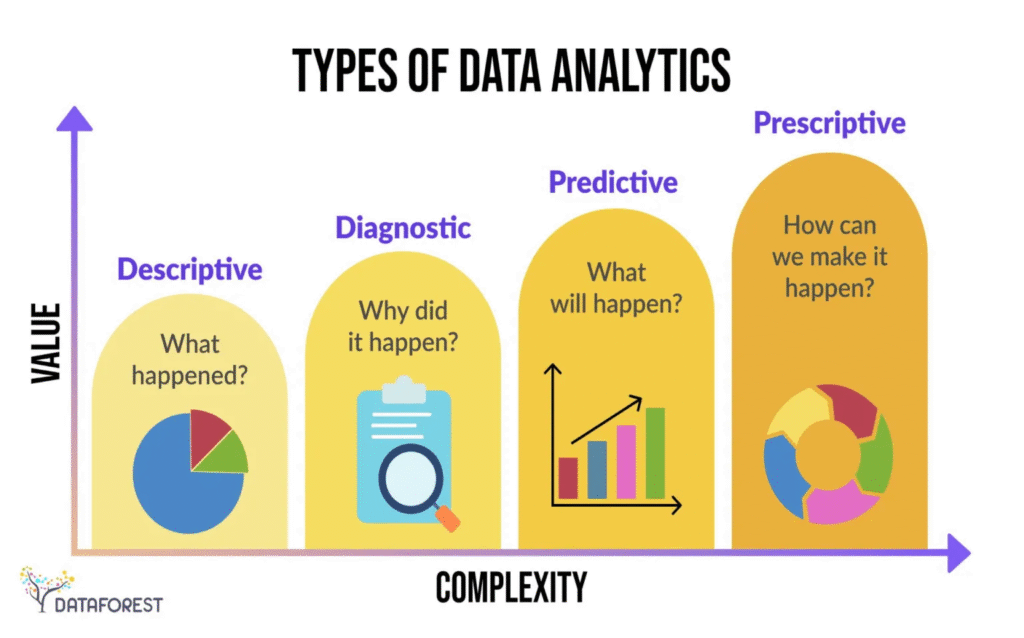
Image Source: Prohance
Think of it not as a futuristic fantasy, but as your highly sophisticated, data-driven sidekick. It’s the technology that sifts through the noise of consumer behavior to tell you, with remarkable accuracy, what your customers are going to want, where they’ll want it, and when.
Let’s understand more.
Understanding the Heart of Retail: What is Demand Forecasting?
Before we dive into the complex algorithms, let’s simplify the core concept: demand forecasting. At its most basic, it’s the process of estimating the future sales of a product or service. Traditionally, this involved human planners looking at historical sales data, factoring in seasonal trends, and perhaps adjusting for planned promotions. It was an essential but often slow and error-prone process, heavily reliant on intuition.
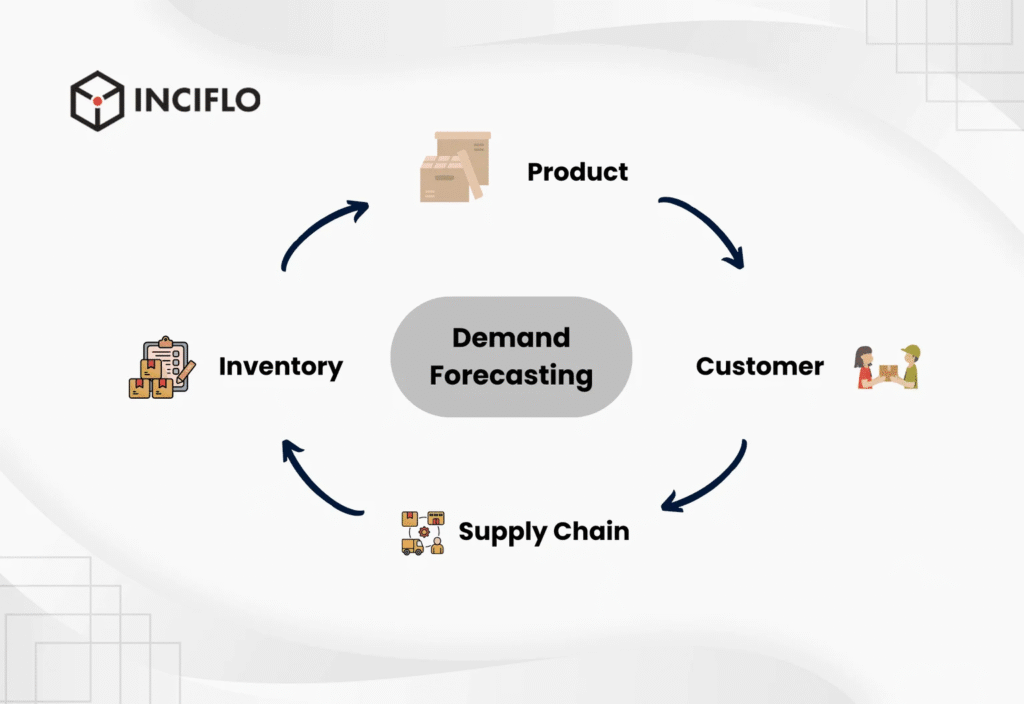
Image source: Incifllo
However, in the age of ecommerce, demand is volatile. A viral TikTok video can wipe out your inventory in hours, and a sudden change in global logistics can throw your supply chain into chaos. Modern demand forecasting goes beyond simple averages. It uses sophisticated statistical models and, increasingly, machine learning to analyze a vast array of variables in near-real-time data, providing a much more precise outlook.
The Problem with Traditional Forecasting Methods
Imagine a small business selling artisanal coffee mugs. In the past, they might look at their sales from December of last year and assume they’ll sell a similar number this December. This approach misses crucial signals:
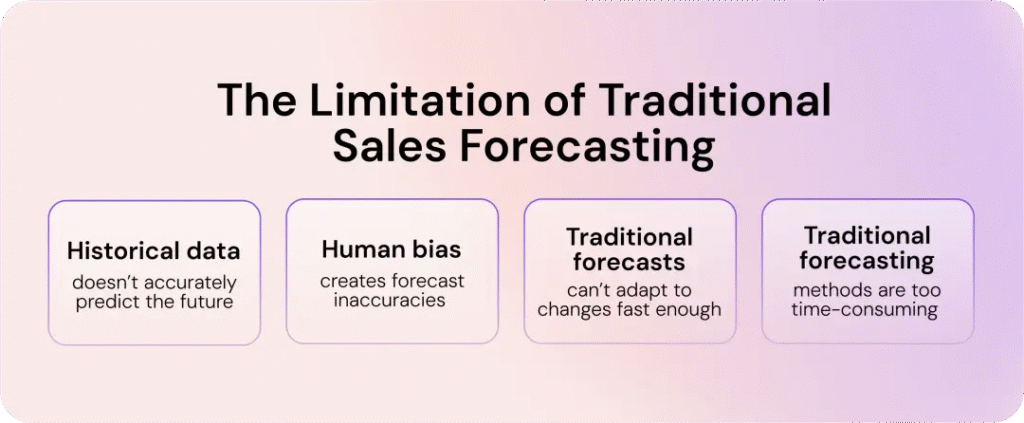
Image Source: Artisan
- External Factors: Did a major competitor go out of business last year, temporarily boosting their sales? A traditional model might miss this external context.
- Leading Indicators: Are searches for “unique coffee mugs” trending up sharply right now, suggesting a sudden interest spike that hasn’t hit sales yet? Traditional methods are too slow to react to this.
- The “Lumpy” Demand of Ecommerce: Online sales often feature sudden peaks and deep troughs, unlike the smoother, more predictable sales of a physical store. Predicting these sudden spikes requires an algorithm capable of handling complexity and volatility.
Predictive modeling is the solution to these issues, offering granular, accurate insights that empower businesses to move from reactive stocking to proactive strategy.
The Engine Room: Explaining Predictive Modeling for Demand and Replenishment
At the core of the AI revolution in retail is predictive analytics ecommerce. This is the framework that allows computers to look at the past, understand the present, and make highly educated guesses about the future.
How Machine Learning in Retail Powers Predictions
Predictive modeling relies heavily on machine learning in retail—a branch of artificial intelligence where systems learn from data, identify patterns, and make decisions with minimal human intervention. Instead of being explicitly programmed with every rule (e.g., “if sales were high last December, then buy more stock”), the machine is fed enormous datasets and learns to identify the correlation and causation between variables.
1. Data Aggregation and Normalization: The first step is feeding the beast. The model takes in everything: historical sales, web traffic, seasonal trends, marketing spend, competitor pricing, logistics delays, and even external data like weather patterns or holiday calendars. This ecommerce analytics phase ensures all data speaks the same language.
2. Feature Engineering: This is where human expertise meets AI. Data scientists identify the most influential factors—or “features”—that impact demand. For instance, for a swimwear brand, the model will weigh “current temperature in key markets” much higher than it would for a book retailer.
3. Model Selection and Training: The machine then tests various algorithms (like time-series analysis, regression models, or deep learning neural networks) to find the one that best predicts the outcome. The model is “trained” by having it make predictions based on historical data and then checking those predictions against the actual outcomes. It adjusts its internal parameters until its error rate is minimized.
4. Continuous Learning (Near-Real-Time Data): The true power of modern predictive pricing in ecommerce is its ability to adapt. As new sales come in, as a marketing campaign launches, or as supply chain pressures change, the system updates its forecasts using near-real-time data. This dynamic adaptation is crucial for success in the volatile quick commerce data environment.
Bridging the Gap: Replenishment and Inventory Optimization
Forecasting demand is only half the battle. The real business value comes from using that forecast to optimize replenishment—deciding exactly what to order, when to order it, and where to send it.
Predictive models address replenishment with unparalleled precision:
- Safety Stock Calculation: Instead of a generic buffer stock, the AI calculates the exact amount of “safety stock” needed for each SKU based on its demand volatility and the lead time of the supplier. This prevents both costly overstocking and damaging stockouts.
- Optimal Order Timing (The Reorder Point): The system constantly monitors current inventory levels against the predicted demand curve. It triggers a reorder alert just as inventory is about to drop below the safety stock level, factoring in the supplier lead time.
- Allocation Optimization: For retailers with multiple warehouses or physical stores, the model predicts where the demand will be highest and allocates stock accordingly. This is particularly vital in quick commerce data scenarios where delivery speed is paramount. If the model predicts a surge in demand in the northeastern US, it ensures local distribution centers are sufficiently stocked.
By integrating demand forecasting directly with inventory management, companies using predictive analytics ecommerce drastically reduce carrying costs and improve fulfilment rates, leading to higher customer satisfaction.
Signals and Subtleties: What Data Feeds the Forecast?
The accuracy of any forecast hinges on the quality and breadth of the data feeding it. Modern ecommerce analytics models look far beyond simple sales records. They monitor a holistic set of signals, often broken down into internal and external categories.
Internal Data: The Retailer’s Own Gold Mine
This is the data you generate directly through your operations and customer interactions:
- Transaction History: Sales volume, pricing elasticity, discount effectiveness, and return rates.
- Website Behavior: Clicks, session duration, products viewed, search terms used, and abandonment rates. A high view-to-buy ratio for a specific product might signal future demand growth.
- Inventory Status: Current stock levels, lead times, historical supplier reliability, and internal storage constraints.
- Marketing Data: The performance of specific ad campaigns, email open rates, and the timing of social media posts, all of which directly impact short-term demand.
External Data: Reading the Market and the World
To paint a full picture, the models ingest information from the world outside your website, relying on near-real-time data streams:

- Market Trends and Competitor Analysis: Prices, promotions, and product releases from key competitors. Digital shelf analytics tools scrape competitor websites to understand market positioning and potential demand shifts.
- Macroeconomic and Seasonal Factors: GDP growth, inflation rates, weather forecasts (critical for apparel or outdoor goods), and global holiday schedules.
- Social Media and News Sentiment: Analyzing buzz, mentions, and public perception around your brand, products, or even the industry as a whole. A positive article in a major publication can be a powerful leading indicator of a demand spike.
- Search Engine Queries: What consumers are actively searching for online. High-volume, relevant searches are strong indicators of latent demand that will soon translate into sales.
A key differentiator of AI-powered forecasting is its ability to dynamically weigh these different inputs. It understands that a sudden cold snap matters more for coat sales than it does for electronics, and it adjusts its forecast accordingly, moving with the precision demanded by quick commerce data.
Achieving Precision: The Impact of Predictive Analytics on Retail Insights
The true payoff for investing in predictive analytics ecommerce isn’t just better inventory—it’s gaining deep, actionable retail insights that fundamentally change how you do business. This shift is about moving from “what happened” to “what will happen.”
1. Minimizing Stockouts and Overstocking
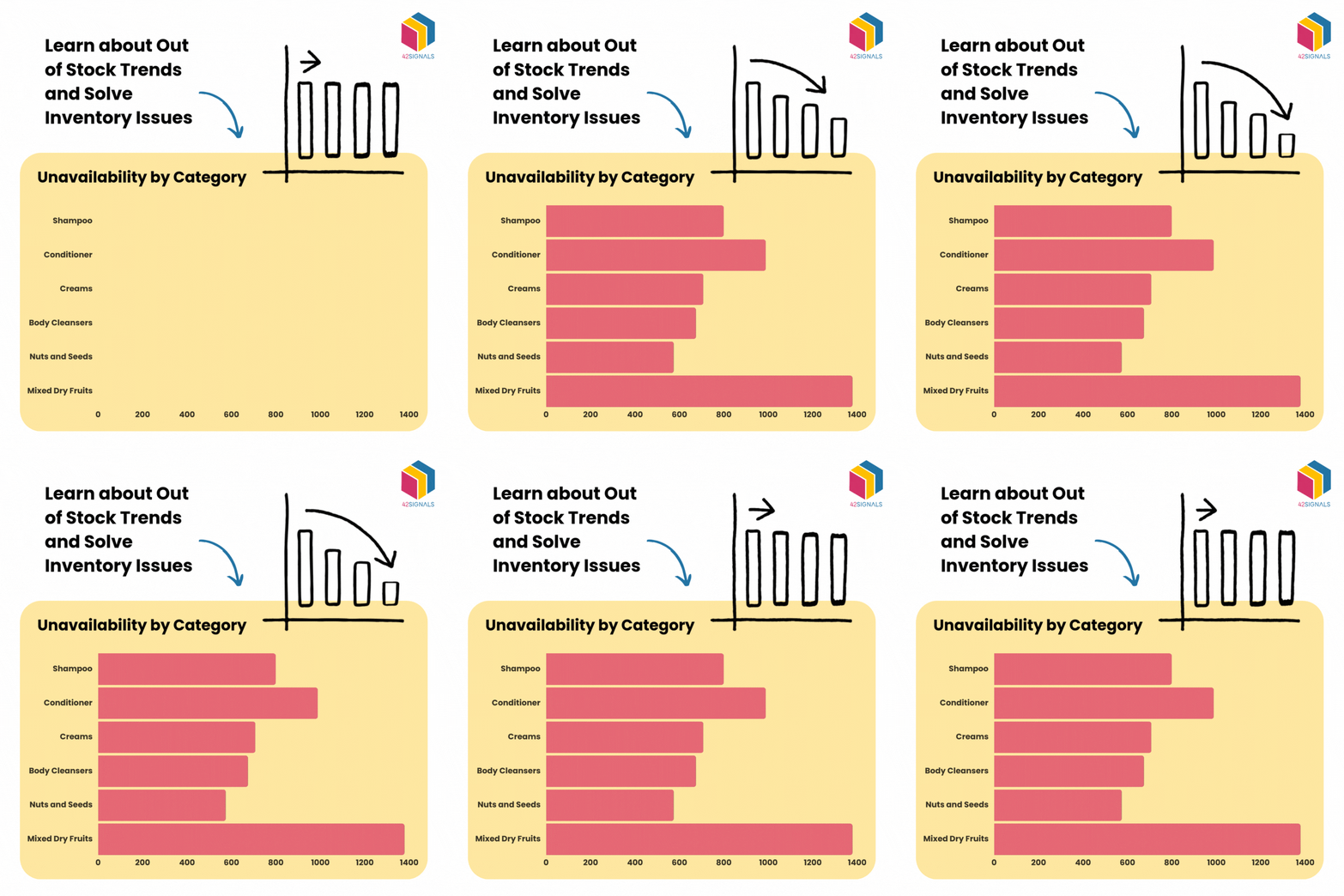
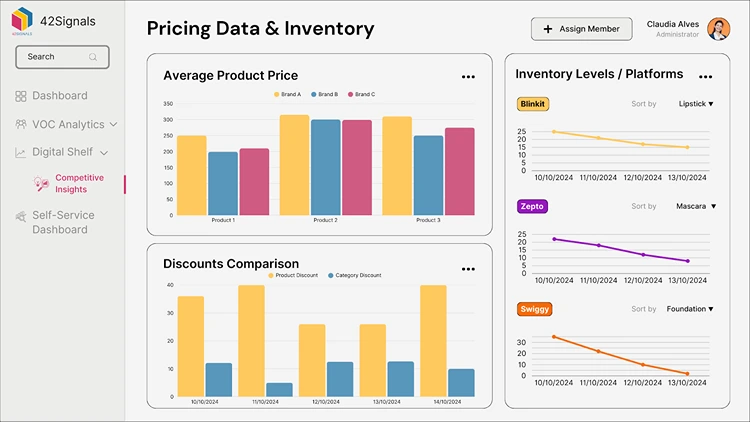
42Signals Product Availability
This is the most direct and measurable benefit. Stockouts—the inability to fulfill an order due to zero inventory—lead to lost sales, frustrated customers, and lower lifetime value. Overstocking, conversely, ties up capital, requires costly warehousing, and often results in markdowns, eroding profit margins.
- The Financial Sweet Spot: A precise demand forecast allows the retailer to operate within the “sweet spot” of inventory levels. Businesses that successfully use machine learning in retail for forecasting can often reduce stockouts by 20-50% while simultaneously reducing inventory carrying costs by 10-30% (Source: Various industry reports on AI in supply chain, citing organizations like McKinsey). This efficiency has a dramatic impact on the bottom line.
2. Dynamic Pricing and Personalization
Demand is inextricably linked to price. If a forecast predicts a sudden surge in demand for a limited product, a retailer can strategically adjust pricing to maximize profit before the stock runs out. Conversely, if demand is predicted to slow, timely discounts can prevent inventory pile-up.
- Personalized Promotions: Ecommerce analytics allow for highly granular segmentation. The model might predict that a specific segment of customers (e.g., first-time visitors who viewed a product more than three times) is highly likely to convert with a 10% off coupon. The AI enables dynamic, personalized promotions based on individual prediction scores, not broad, inefficient email blasts.
3. Optimizing the Digital Shelf Experience
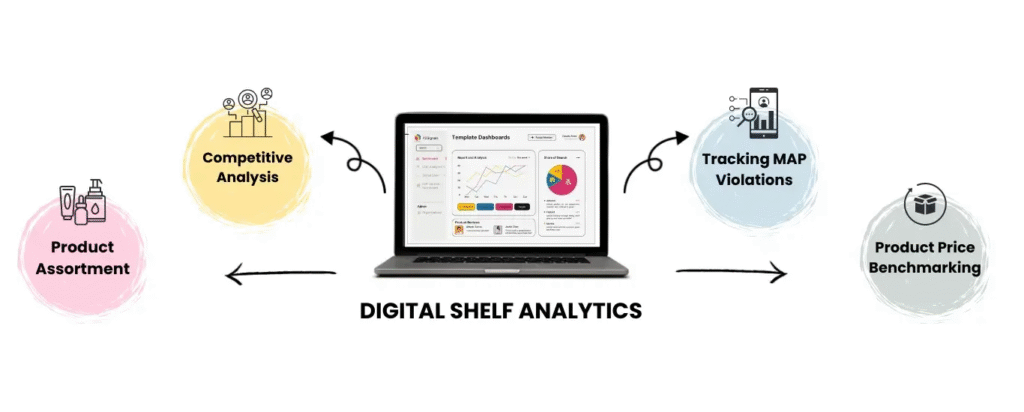
Digital shelf analytics focus on how your product is displayed and found online. AI helps optimize this by providing retail insights into which products are being undersold due to poor visibility versus those that are simply not in demand.
- Product Assortment: The model can predict which new products have the highest likelihood of success, guiding purchasing decisions away from slow-moving items and toward potential hits.
- Search and Category Optimization: By analyzing search behavior and matching it to predicted demand, retailers can ensure their category structure and product tagging are aligned with how customers actually look for items, maximizing findability and conversion.
Overcoming the Hurdles: Implementing Predictive Analytics ECommerce
While the benefits of predictive analytics ecommerce are clear, implementation requires careful planning. It’s not simply a matter of plugging in a new software solution; it’s a strategic shift that involves people, processes, and technology.
Data Readiness and Quality
The biggest challenge for most organizations is the underlying data infrastructure. As mentioned, AI models thrive on rich, clean data.
- Garbage In, Garbage Out: If your historical sales data is inconsistent, if your website traffic data is inaccurate, or if your supplier lead times are based on anecdotal evidence rather than accurate records, the forecast will suffer. The first step is often an intensive data cleansing and integration project to ensure that all internal systems are feeding reliable near-real-time data into the forecasting engine.
Integration with Existing Systems
A powerful forecast is useless if it sits in a vacuum. The results of the demand forecasting must be seamlessly integrated into your execution systems:
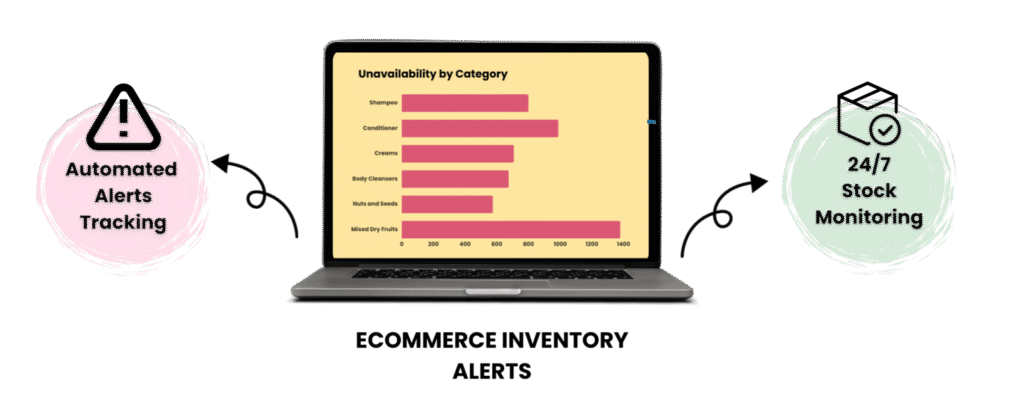
- ERP and Inventory Management: The forecast must automatically generate purchase orders, allocate stock to fulfilment centres, and update stock counts across all sales channels. This requires robust API integration between the predictive model and your Enterprise Resource Planning (ERP) or Inventory Management systems.
- Marketing and Pricing Tools: For dynamic pricing and promotional campaigns to work, the prediction model needs to communicate its expected demand curve directly to your pricing engine, allowing for automated price adjustments.
Cultural and Skillset Shifts
Adopting machine learning in retail also requires a change in mindset. Planners must transition from relying on gut feeling to trusting data and algorithms.
- Trust and Transparency: The AI model must be explainable. If a system is telling a planner to order ten times the usual amount of a specific item, the planner needs to understand why—e.g., “The model identified a new viral trend and a 95% certainty of a competitor stockout.” Transparency builds trust and facilitates better human oversight.
- Upskilling: Retail teams need to be trained not as number crunchers, but as strategists who can interpret the retail insights provided by the AI and use them to make high-level decisions.
The Future is Now: Quick Commerce Data and Real-Time Decisions

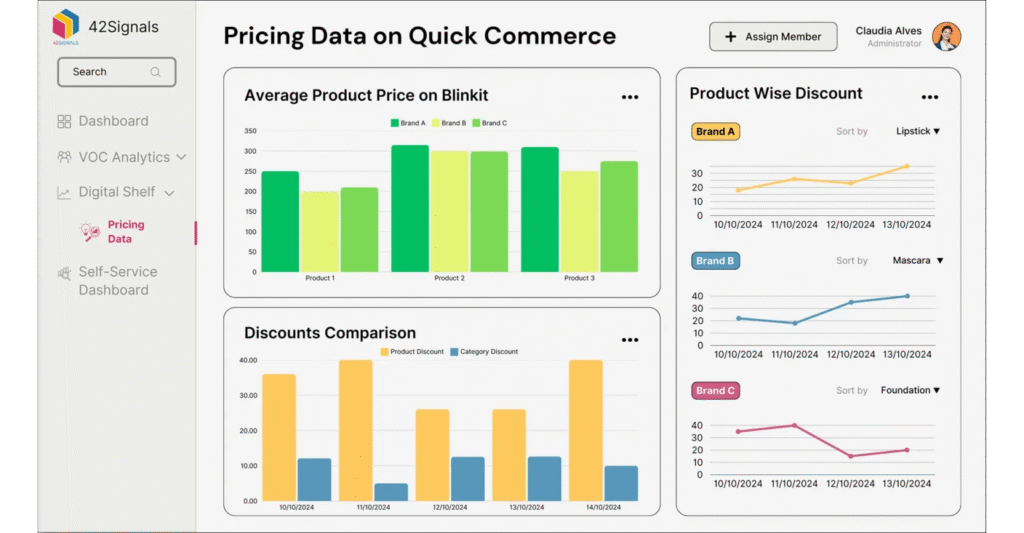
Swiggy Instamart Data by 42Signals
The rise of quick commerce—where customers expect delivery in hours, not days—has made the speed and accuracy of predictive analytics ecommerce more critical than ever. In this hyper-speed environment, a single day of inaccurate forecasting can lead to catastrophic failure.
Near-Real-Time Data for Hyper-Local Fulfillment
Quick commerce data relies on hyper-local demand patterns. It’s not enough to know that demand for soft drinks will spike across the city; you need to know which specific micro-fulfillment center (MFC) will see the highest surge at 3 PM on a hot Thursday.
- Granular Prediction: AI models specializing in quick commerce analyze highly granular data points—like local traffic patterns, events happening within a mile radius of an MFC, and even localized social media mentions—to predict demand at the street level.
- Optimizing Delivery Routes: Beyond just stocking the right products, the model also forecasts the optimal deployment of delivery riders and vehicles, ensuring that the last-mile logistics can handle the predicted transaction volume, all powered by constant streams of near-real-time data.
The retailers who win in the quick commerce space will be those who can harness machine learning in retail to turn millions of data points into actionable decisions within minutes.
Securing Your Digital Future with Predictive Analytics ECommerce
By leveraging demand forecasting and sophisticated ecommerce analytics, retailers gain the ability to anticipate consumer needs, optimize inventory with precision, and offer personalized shopping experiences. This results in fewer missed sales, lower operational costs, and ultimately, a more satisfied and loyal customer base.
The journey involves dedicated effort in data cleaning, system integration, and a cultural embrace of retail insights derived from advanced algorithms. For any business serious about growth in the digital age, understanding and implementing predictive analytics ecommerce is the clearest path to unlocking sustainable, data-driven success
If you are on the lookout for a great ecommerce analytics tool that can help with tracking marketplace data, schedule a demo with us.
Frequently Asked Questions
What is predictive analytics?
Predictive analytics is a form of advanced data analysis that uses historical data, statistical algorithms, and machine learning techniques to determine the likelihood of future outcomes. Its core function is to look beyond simply describing what has happened (descriptive analytics) or diagnosing why it happened (diagnostic analytics) to generating a reliable forecast of what will happen. In ecommerce, it translates complex signals—like website behavior, pricing changes, and external trends—into actionable predictions, such as future demand levels or the probability of a customer churning.
Is ChatGPT a predictive model?
While ChatGPT and other large language models (LLMs) do use a form of prediction, they are fundamentally generative models, not primarily predictive analytics models in the typical business sense.
Generative Function: ChatGPT’s prediction is focused on generating the next statistically probable word in a sequence to create coherent, human-like text. It predicts what word comes next to form a sentence.
Predictive Analytics Function: Traditional predictive models, like those used for demand forecasting, predict a quantifiable business metric (e.g., how many units will sell, what will the stock price be, will this customer default on a loan).
Therefore, while LLMs rely on statistical prediction, they are classified as generative AI, which differs significantly from the forecasting and prescriptive applications of standard predictive analytics in commerce and finance.
Which is an example of predictive analytics?
Demand Forecasting in Ecommerce is a prime example of predictive analytics. A retailer uses a predictive model to analyze years of historical sales, combine it with real-time web traffic, ongoing marketing campaign data, competitor price changes, and even local weather forecasts. The model then predicts, with a specific probability score, the exact quantity of each product SKU that will be sold over the next week or month, allowing the business to optimize inventory and replenishment precisely.
What are the four steps in predictive analytics?
While specific methodologies can vary, the process of applying predictive analytics generally follows four core steps:
Data Aggregation and Exploration: This initial phase involves collecting, cleaning, and integrating data from various sources (internal databases, external market data, etc.). The goal is to prepare a comprehensive, high-quality dataset and explore it to identify preliminary patterns, anomalies, and the key variables (features) that might influence the final prediction.
Model Training and Selection: The cleaned data is fed into various machine learning algorithms (e.g., regression, time-series analysis, neural networks). The model is “trained” by allowing it to learn the relationship between the input features and the historical outcome. Data scientists then select the model that achieves the lowest error rate and provides the most reliable predictions on unseen data.
Model Validation and Deployment: Before using the model in a live environment, it is rigorously tested on a separate set of data to ensure its predictions are accurate and unbiased. Once validated, the model is deployed into the operational system, where it begins generating continuous forecasts and insights.
Monitoring and Refinement (Continuous Learning): Predictive models are not static. Once deployed, they must be continuously monitored for accuracy (a phenomenon known as model drift). As new data streams in (near-real-time data), the model must be updated and periodically retrained to maintain its precision and adapt to changing market conditions, ensuring the forecasts remain relevant.