

Pricing is one of the most powerful levers a business can pull, yet it is often one of the most under-optimized. For many organizations, the pricing process remains anchored in tradition: a combination of historical precedent, competitor benchmarking, and intuition. While these elements have their place, relying on them alone in today’s data-rich environment is a significant strategic oversight. It is akin to navigating modern supply chains with a paper map—functional in theory, but hopelessly inadequate for the complexities of real-world application. That’s where predictive pricing comes into play.
Predictive pricing is a discipline that replaces estimation with calculation and guesswork with foresight. This approach moves beyond simply tracking competitors or measuring past performance. It empowers businesses to proactively shape their commercial strategy, anticipating market movements and customer responses with remarkable accuracy.
Defining the Paradigm: What Predictive Pricing Truly Is
To appreciate its value, we must first define it with precision. So, what is predictive pricing? It is a sophisticated methodology that employs statistical modeling, artificial intelligence, and machine learning to forecast the optimal price for a product or service.
It analyzes a multitude of variables to predict how demand will fluctuate at different price points under varying market conditions.
Imagine possessing the capability to model the commercial outcome of any pricing decision before it is ever implemented. This is the core function of a predictive pricing system. It serves as a strategic simulation engine, allowing businesses to stress-test strategies, understand trade-offs, and select a path that aligns precisely with their financial and market objectives.

Image Source: Tezo
A critical distinction must be made between predictive pricing and the more commonly referenced dynamic pricing. While related, they are not synonymous. Dynamic pricing refers to the tactical execution of frequent price changes—the “what” that customers see.
Predictive pricing is the strategic intelligence that dictates those changes—the “why” and “how much.” It is the difference between a simple thermostat that reacts to the current temperature and a smart climate system that learns patterns, anticipates weather changes, and optimizes for both comfort and efficiency. This deeper, more analytical layer is the domain of advanced pricing analytics, where data is transformed into an actionable strategy.
Ready to Take the Next Step?
See how our solutions can help you achieve your goals and drive measurable results.
The Architectural Blueprint: How Predictive Pricing Systems Operate
The power of predictive pricing lies in its process, which is both rigorous and iterative. Understanding this architecture demystifies the technology and reveals it as a logical, though complex, system built on three interconnected pillars: data synthesis, algorithmic intelligence, and prescriptive guidance.
The foundation is Data Synthesis and Integration. A predictive pricing platform functions as a central nervous system for organizational and market data. It continuously ingests information from a vast array of internal and external sources. Internally, this includes historical sales transactions, real-time inventory levels, detailed cost structures, and customer engagement metrics.

Image Source: 7 Learnings
Externally, it incorporates real-time competitor price tracking, macroeconomic indicators, seasonal trends, and industry-specific signals. The integrity and comprehensiveness of this data are paramount; the system’s insights are directly proportional to the quality of its inputs.
The second pillar is Algorithmic Intelligence and Machine Learning. This is where the raw data is transformed into understanding. Advanced pricing algorithms, powered by machine learning, do not merely follow pre-programmed rules. Instead, they identify complex, non-linear, and often unexpected relationships within the data.
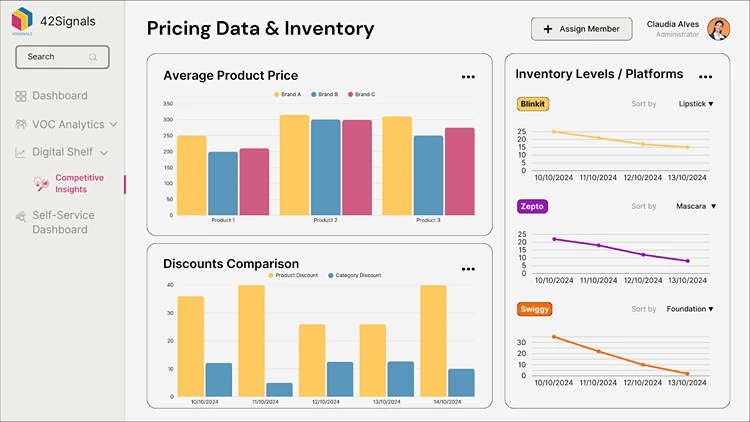
They can discern, for example, that the demand for a product is not only affected by its own price but is also inversely correlated to the promotional activity of a complementary product from a rival brand. This capability for machine learning pricing allows the system to continuously refine its models, becoming more accurate and nuanced with each new cycle of information.
The final output is Prescriptive Guidance and Optimization. The true value of this system is not in its analysis of the past but in its guidance for the future. A best-in-class price optimization tool provides actionable recommendations. It will present scenarios:
“If you increase Price A by 5%, model forecasts a 3% drop in volume but a 7% increase in total profit, given current competitor positioning and inventory levels.” This shifts the role of the pricing manager from a calculator to a strategist, empowered with data to make high-confidence decisions.
The Strategic Advantages: Why Predictive Pricing Delivers a Competitive Edge

The adoption of a predictive pricing strategy is a significant undertaking, but the returns justify the investment many times over. The benefits permeate throughout the organization, driving value far beyond the finance department.
- Profitability Optimization: The most direct impact is on the bottom line. By precisely identifying the price point that maximizes the margin-volume equation, businesses can capture significant value that traditional methods leave untouched. The leverage is profound; as McKinsey & Company has noted, a 1% improvement in price can generate an operating profit increase of 8.7% or more, making it one of the most powerful financial levers available.
- Enhanced Strategic Agility: In a volatile market, speed and intelligence are key. Automated competitor price tracking provides a real-time view of the landscape, but predictive pricing provides the strategic response plan. It enables companies to move from a reactive posture—simply matching a competitor’s discount—to a proactive one, understanding the implications of that discount and choosing an optimal counter-strategy that protects brand value and profitability.
- Deepened Customer Intelligence: These systems provide an unprecedented lens into customer behavior and willingness to pay. They reveal how different segments respond to price changes, allowing for sophisticated segmentation and personalized offers. This intelligence informs not only pricing but also product development, marketing communication, and sales strategies, creating a more customer-centric organization.
- Organizational Alignment and Efficiency: The insights from a price optimization tool break down functional silos. Sales teams can negotiate with clear guidance on profitability thresholds. Marketing can design campaigns based on validated price sensitivities. Operations and supply chain can align inventory alerts and production with demand forecasts influenced by pricing strategies. This creates a cohesive, data-aligned organization.
Predictive Pricing in Practice: Industry-Specific Transformations
The application of predictive pricing is revolutionizing strategies across diverse sectors, demonstrating its versatility and impact.
- E-commerce & Retail: Leaders in this space use predictive models to master the art of the promotion. For example, Macy’s implementation of advanced analytics for markdown optimization was credited with contributing to a double-digit increase in revenue. Their systems move beyond simple sell-through goals, analyzing a product’s life cycle, competitive positioning, and customer affinity to determine the ideal discount timing and depth.
- Hospitality & Travel: This industry exemplifies high-speed dynamic pricing, but its efficacy is rooted in prediction. Airlines and hotels use models that forecast demand by analyzing booking curves, competitor availability, and a myriad of external events. This allows them to adjust prices dynamically to maximize revenue per available unit, a practice that has become fundamental to their commercial success.
- B2B and Manufacturing: Here, pricing complexity is often immense. Predictive pricing aids in configuring profitable quotes for highly customized products and services. By analyzing costs, production timelines, and historical deal data, these systems provide sales teams with data-driven guardrails, ensuring that large, complex bids are won at margins that contribute to the health of the business.
- Subscription Services (SaaS, Telecom): For businesses reliant on recurring revenue, predictive analytics are crucial for managing churn and optimizing customer lifetime value. Models can identify subscribers at risk of cancellation based on usage patterns and engagement levels, enabling preemptive intervention with tailored retention offers or upgrade opportunities.
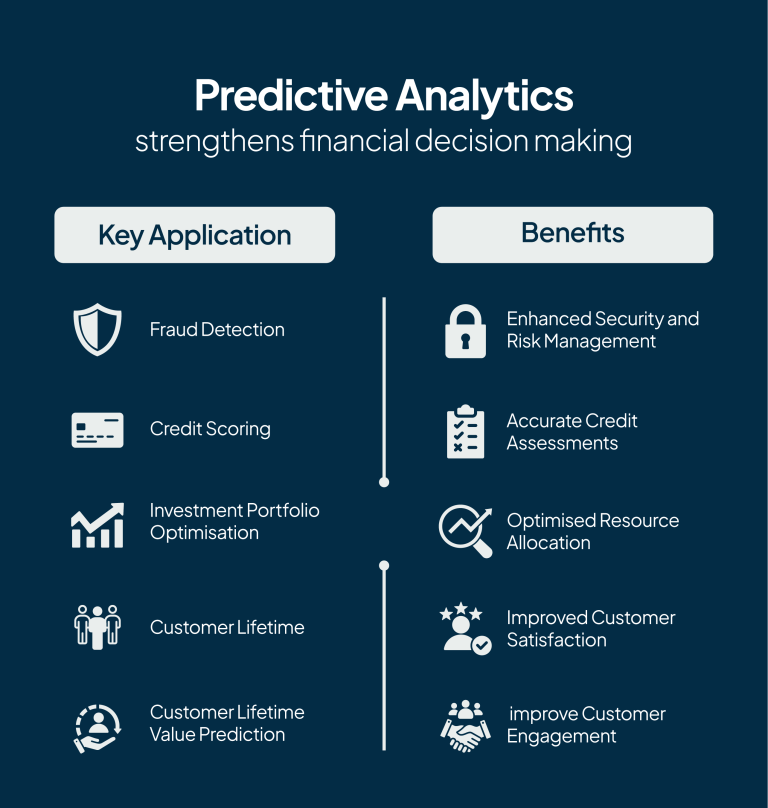
Image Source: Emvigo
Ready to Take the Next Step?
See how our solutions can help you achieve your goals and drive measurable results.
Building a Data-Driven Foundation: The Fuel for Prediction
The efficacy of any predictive system is contingent on the data that fuels it. Building this foundation requires deliberate effort and investment.
- Historical Transaction Data: This is the bedrock. Clean, granular records of past sales provide the initial pattern library from which the system learns.
- Accurate Cost Intelligence: Profitability cannot be modeled without a precise understanding of both variable and fully allocated fixed costs.
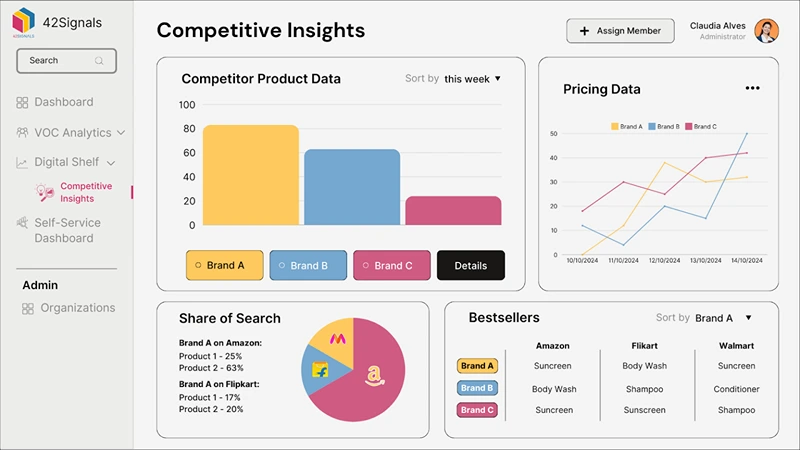
- Robust Competitive Intelligence: Systematic competitor price tracking is essential for contextualizing your position within the market ecosystem.
- External Market Data: Incorporating broader trends—economic indicators, consumer sentiment, industry disruptions—allows the model to account for macroeconomic forces.
- Behavioral Analytics: Data on how customers interact with your brand online provides leading indicators of intent and price sensitivity.
The Implementation Pathway: A Leader’s Guide to Adoption
Embracing predictive pricing is a strategic journey. Success requires a structured approach.
- Process Audit: Begin by critically mapping your current pricing process. Identify where decisions are made based on data versus dogma or inertia.
- Data Assessment: Conduct an honest evaluation of your data maturity. Prioritize initiatives to clean, integrate, and centralize data sources.
- Goal Definition: Secure alignment on the primary objective of the initiative—whether it is margin expansion, market share growth, or inventory turnover.
- Pilot Program: Launch with a controlled pilot focused on a specific product category or region. This mitigates risk and creates a proof concept to build upon.
- Technology and Partner Selection: Choose a price optimization tool and an implementation partner that aligns with your industry’s unique needs and your company’s technological landscape.
Navigating the Challenges: A Balanced Perspective
With great power comes great responsibility. Leaders must be aware of and plan for several critical considerations.
- Data Governance: The model’s output is only as reliable as its input. A rigorous data governance framework is essential to maintain quality and consistency.
- Customer Trust and Perception: Pricing strategies must balance optimization with fairness. Transparency and consistency are vital to maintaining long-term brand equity and consumer trust.
- Algorithmic Bias: Proactive measures must be taken to audit models for bias, ensuring that pricing strategies do not inadvertently discriminate or alienate customer segments.
- The Human-Machine Partnership: Technology should augment human expertise, not replace it. The final decision must blend algorithmic output with strategic context, ethical considerations, and managerial judgment.
Ready to Take the Next Step?
See how our solutions can help you achieve your goals and drive measurable results.
Embracing an Intelligent Pricing Future
The evolution toward data-driven pricing is an irreversible trend, marking a new era of commercial strategy. Predictive pricing represents the pinnacle of this evolution, offering a transformative lens through which to view value, competition, and customer relationships.
The goal is to foster a symbiotic partnership between human intuition and machine intelligence. By harnessing the predictive power of data, business leaders can elevate their role from tactical price-setters to strategic value architects.
They can make decisions with greater confidence, drive superior financial performance, and build a more resilient and adaptive organization. In the modern marketplace, the question is no longer whether you can afford to invest in predictive pricing, but whether you can afford not to. The future belongs to those who are prepared to price with insight.
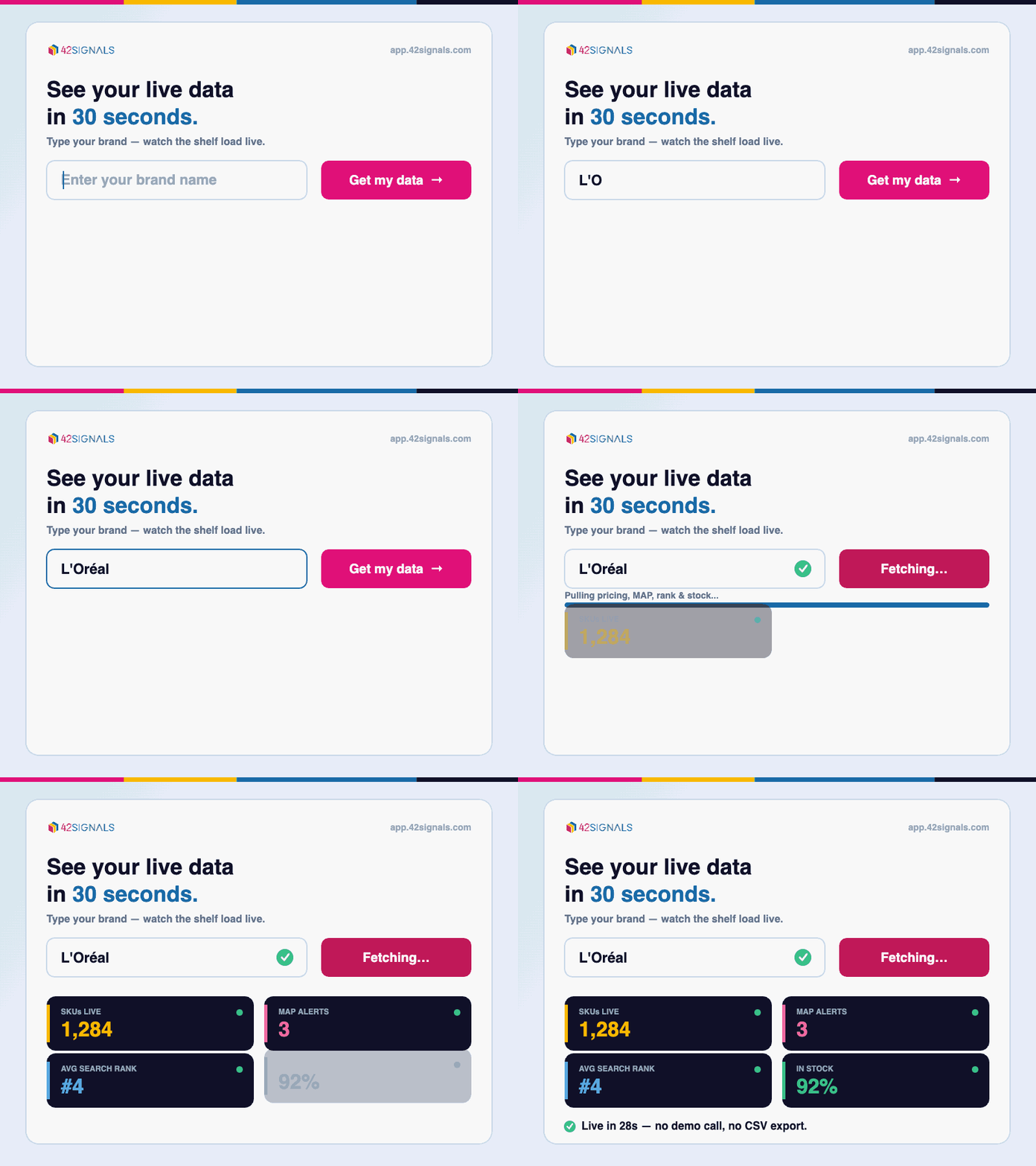
42Signals can help businesses with this data by giving you quick insights into competitor pricing, market data, and industry pricing trends. Sign up for a free trial.
Frequently Asked Questions
What is predictive pricing?
Predictive pricing is a data-driven strategy that uses historical data, market trends, customer behavior, and machine learning models to forecast the best price for a product or service in the future. The goal is to optimize pricing decisions by anticipating how customers will respond under different market conditions.
For example, an e-commerce platform might analyze past sales, competitor prices, seasonal demand, and customer segments to predict which price point will yield the highest revenue or profit for a particular SKU next month.
Predictive pricing is especially useful in dynamic markets like travel, retail, or online services where pricing conditions fluctuate frequently.
What is predictable pricing?
Predictable pricing refers to a pricing model where customers can clearly understand and anticipate what they’ll pay, with little or no variability over time. It’s about transparency and simplicity, not just strategy.
For example, subscription services like Netflix or Spotify use predictable pricing—users pay the same amount every month. Businesses often choose predictable pricing to build trust, reduce decision fatigue, and simplify customer acquisition.
It’s the opposite of complex or usage-based pricing where costs may vary depending on activity or time.
What are the 4 pricing methods?
The four most common pricing methods used by businesses are:
Cost-Plus Pricing A fixed margin is added on top of the product’s cost.
Example: If a product costs $50 and the markup is 20%, the price becomes $60.
Value-Based Pricing Prices are set based on the perceived value to the customer, not the cost.
Example: Luxury brands use this to price high despite low production costs.
Competition-Based Pricing Prices are set by benchmarking against competitors.
Common in saturated markets where differentiation is low.
Dynamic Pricing Prices change based on market conditions, demand, time, or user behavior.
Used by airlines, ride-sharing apps, and online retailers.
What is the difference between predictive and prescriptive?
The terms predictive and prescriptive come from the field of data analytics and have distinct meanings:
Predictive Analytics answers the question:
→ “What is likely to happen?”
It uses historical data, trends, and statistical models to forecast future outcomes. Example: Predicting which price will generate the most clicks next week.
Prescriptive Analytics answers the question:
→ “What should we do about it?” It goes a step further and provides recommended actions based on predicted outcomes, constraints, and goals. Example: Recommending the optimal discount to maximize profit without eroding brand value.
In pricing, predictive tells you what might work, while prescriptive tells you what action to take to achieve a specific goal.