
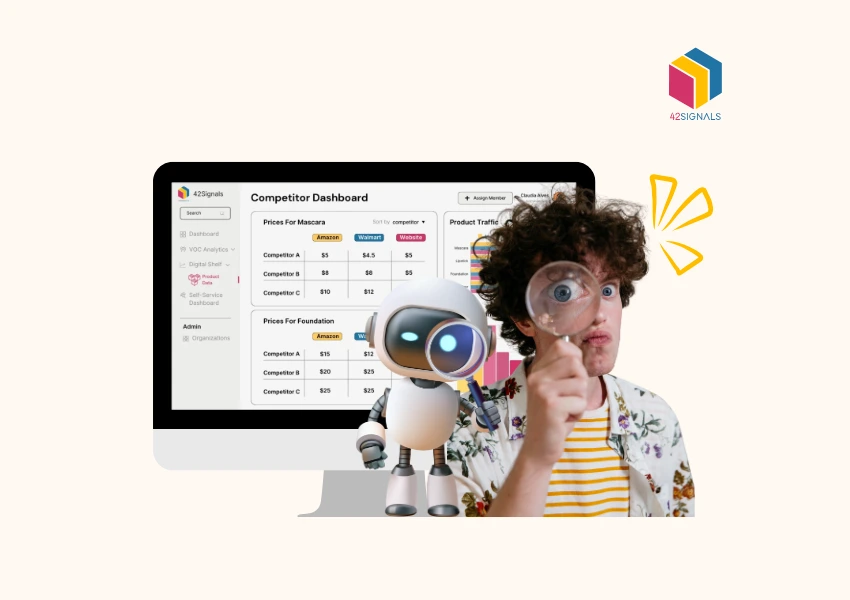
Ecommerce pricing today has become wildly unpredictable. Price fluctuations throughout the day have become normal, along with flash sales, quick promotions, and offers in real time. A competitor price engine reduces so much of the hassle by providing accurate and prompt alerts when needed.
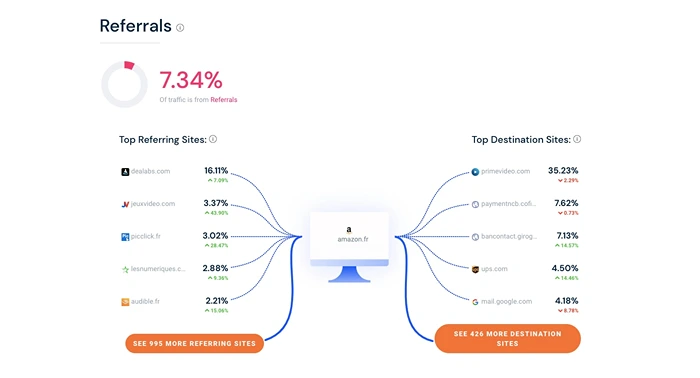
Think of it less as software and more as your automated command center for market dominance. To build and effectively use one, you need a rock-solid ecommerce data foundation. That’s where 42Signals excels.
Imagine this: A competitor price engine, powered by automated price monitoring, acts like your 24/7 surveillance system. It constantly scans the digital shelf, tracking exactly what rivals charge for the same or similar items. The idea isn’t to mindlessly follow their every move but rather to understand insights from their strategies to make faster, smarter decisions.
Let’s walk through exactly how to set up and get the most from a competitor price engine using 42Signals.
Why Manual Price Tracking Eats Your Profits (And Your Time)
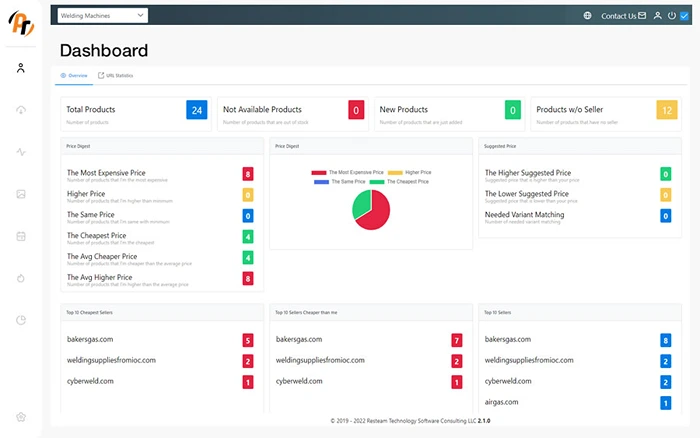
Image Source: Pricerest
Before we build, let’s be clear: trying to track competitor prices by hand is a losing battle. Here’s why it hurts your bottom line:
- It’s Way Too Slow: By the time you’ve checked ten competitor sites for your top 50 products, prices have probably changed multiple times. You’re perpetually operating on outdated information.
- Mistakes Happen Constantly: Humans make errors. Misreading a price, overlooking a variation, or missing a key competitor entirely is incredibly common and costly.
- It Just Doesn’t Scale: As your product range grows, manual tracking becomes utterly unmanageable. You physically cannot keep up.
- You Lose the Story: Manual checks give you a single moment in time, not the ongoing narrative. Spotting patterns – like a rival consistently undercutting you on Fridays or running week-long discounts – is nearly impossible.
- It Wastes Precious Resources: Hours your team spends copying numbers into spreadsheets are hours they aren’t spending on strategic growth, marketing, or serving customers.
- The Price of Sticking with Manual: Research from McKinsey indicates businesses using automated price monitoring and optimization often see profit margins climb by 2-7%, frequently within the first year. That’s significant revenue you’re potentially forfeiting by not automating.
The Competitor Price Engine: Your Automated Intelligence Hub
A true competitor price engine automates the entire cycle: gathering, analyzing, and enabling action on competitor data. It relentlessly scans the web, specifically the digital shelf where your products and theirs live, collects pricing information, and delivers it clearly and immediately, usually via a competitor analysis dashboard.

Here’s what it fundamentally delivers:
- No More Surprises: See price changes happen live, the moment key competitors make a move.
- Data You Can Actually Trust: Ditch the spreadsheets and manual errors. Precise, automated capture means reliable numbers you can base decisions on.
- Insights That Drive Action: It’s not just about today’s price. Understand trends, see exactly where you stand in the market, and spot genuine opportunities to act.
- Strategy Backed by Reality: Replace guesswork and gut feelings with hard evidence. Build your pricing on concrete facts pulled straight from the market.
Why 42Signals is the Right Foundation for Your Engine
Not all competitor price engine solutions are equal. Many offer basic tracking but lack the depth, precision, or adaptability needed for a genuine competitive edge. 42Signals stands apart because it’s built on comprehensive ecommerce data and digital shelf analytics:
- Massive Data Scope: 42Signals monitors millions of products across countless global retailers and marketplaces. You see the whole competitive picture, not just fragments.
- Reliable Accuracy: Their sophisticated data collection delivers highly trustworthy pricing info, minimizing false alarms and missed changes, vital for confident decision-making.
- Rich Detail: Get more than the current price. Track historical trends, spot patterns, see out-of-stock status, and monitor promotions. This deep competitor data fuels real strategy.
- Plays Nice With Your Existing Tools: You know that PIM, ERP, ecommerce platform, or BI tool you already use? 42Signals plugs right into them. No tech headaches. This means your competitor price engine becomes a seamless part of your team’s daily workflow, not some separate system you have to log into constantly.
- Dashboards That Actually Make Sense: Growing in numbers? Their competitor analysis dashboard cuts through the noise. It transforms complex market data into clear visuals and instant alerts. You’ll see opportunities to grab and potential threats heading your way – all at a glance. No decoding required.

Building Your Competitor Price Engine with 42Signals: Step-by-Step
Setting up your engine isn’t just technical; it’s strategic. Here’s how to get it right:
1. Map Your Competitive Landscape (Focus on What Truly Matters)
- Pinpoint Key Rivals: Don’t track everyone. Focus on the 5-15 competitors that genuinely threaten your sales. These could be major retailers, niche specialists, or aggressive marketplace sellers. Use 42Signals’ insights to confirm who shoppers actually compare you against.
- Identify Critical Products: Prioritize tracking for your high-sellers, high-margin items, or strategically vital SKUs. Also monitor competitors’ key products that set your category’s pricing benchmarks. 42Signals helps identify these crucial items based on sales and visibility data.
- Define Your Territory: Are you competing locally, nationally, or globally? Ensure your competitor price engine is set to track relevant rivals and prices in your specific target areas.
2. Set Up Your 42Signals Competitor Price Engine Account for Maximum Accuracy
- Load Your Key Products: Provide 42Signals with your critical SKUs (Product IDs, GTIN/UPCs, URLs). Clean data means better matches.
- Add Your Competitor List: Specify the exact retailers and marketplace sellers you identified as significant threats.
- Establish Matching Rules: Define how 42Signals should link your products to competitor listings. This might use exact model numbers, GTINs, or smart attribute matching (size, color, bundle). Accurate matching is critical for reliable competitor data.
- Set Your Pricing Benchmarks: Define your core costs, any Minimum Advertised Price (MAP) policies, and your target profit margins. This gives essential context to the competitor data.
3. Turn On Automated Price Monitoring (Set It, Then Use It!)
- Choose Update Speed: How often do you need fresh data? Real-time? Hourly? Daily? For fast-paced categories (electronics, fashion), frequent monitoring is crucial. 42Signals offers flexible options.
- Create Smart Alerts: Make your engine proactive. Set notifications for critical events:
- Competitor Price Cuts: When a key rival undercuts you on an important product.
- Competitor Price Hikes: Signals potential room for you to increase your price or gain share.
- MAP Violations: Essential for brands needing to enforce pricing agreements.
- Competitor Stockouts: When a rival runs out, indicating potential increased demand for your item.
- New Competitor Listings: Track when rivals add comparable new products. 42Signals’ automated price monitoring handles this non-stop.
4. Connect the Data (Make It Work Within Your Systems)
- Link to Pricing Tools: Integrate 42Signals data directly into your repricing software (for Amazon, Walmart, eBay) or your ERP/ecommerce platform. This allows for rules-based repricing driven by competitor data.
- Feed Business Intelligence Tools: Push rich competitor data and insights from your competitor price engine into BI platforms (Tableau, Power BI, Looker) for deeper analysis combined with your sales, stock, and marketing metrics.
- Utilize APIs: Leverage 42Signals’ APIs for custom workflows or pulling data directly into internal systems for specialized reporting.
Using Your Competitor Price Engine for Real Profit: Beyond Simple Tracking
Setup is just the start. The real value comes from strategically acting on the competitor data flowing into your competitor analysis dashboard. Here’s how to convert insights into profit:
1. Shape Your Pricing Strategy Proactively
- Smart Repricing (For Marketplaces/Competitive Items): Use rule-based repricing tied to your competitor price engine. Examples: Match the lowest trustworthy competitor, stay within 5% of the market average, or stay slightly above a specific rival. Crucially, set minimum margins to avoid profit-draining races to the bottom.
- Define Your Market Position: Use trend analysis in the dashboard to see where you stand overall. Are you the premium option? The value leader? The aggressive discounter? Align pricing with your brand. If data shows high price sensitivity, you might need sharper pricing. With strong loyalty, a premium might hold. 42Signals’ digital shelf analytics show how price changes link to visibility and conversions.
- Spot Margin Boost Opportunities: Identify products where key competitors consistently charge more than you. This often signals you can safely raise your price without losing sales, directly increasing profit. Your competitor price engine finds these chances.
- Run Pricing Experiments: Use competitor data to inform A/B tests on your site. Test different price points relative to the market and measure the impact on sales and revenue.
2. Protect Your Brand & Pricing (MAP and Channel Health)
- Enforce MAP Automatically: If you enforce MAP, your competitor price engine is your digital watchdog. 42Signals continuously checks authorized sellers for violations, providing timestamped proof. This speeds up enforcement, protecting your brand value and channel margins.
- Manage Channel Conflicts: Spot unauthorized sellers or resellers offering prices far below your intended channel pricing, allowing you to address the issue.
3. Optimize Promotions & Sales Events with Competitor Price Engine
- Stop Getting Blindsided by Competitor Sales: Remember scrambling when Prime Day or Black Friday hit? With 42Signals, you’ll see rivals’ big sale events coming. Watch exactly how they price hot products during these spikes. No more guessing games. Now you can plan smarter campaigns: maybe match them on must-win items, beat their price strategically, or shift focus to products they’ve ignored. Seriously – why be a sitting duck when you can outmaneuver them?
- Set Smarter Discounts: Review historical competitor data to understand typical discount levels in your category. This helps set promotional prices that compete effectively while protecting profit, and choose the best timing.
- Gauge Promotion Success: Compare your sales and market share during promotions against competitor activity to measure how well your discounts worked.
4. Learn About the Market While You’re At It
- Crack Competitor Launch Strategies: Watch how rivals price new products that compete with yours. Get a sneak peek before your own launch. Dodge pricing landmines and position smarter from day one.
- Spot Product Gaps & Goldmines: See items competitors carry that you don’t (and vice-versa). Those gaps? They’re opportunities that can expand your catalog, create irresistible bundles, or dominate an overlooked niche.
- Infer Price Sensitivity: While not a direct measurement, observing how competitor price changes affect their sales rank movements (visible via digital shelf analytics) offers clues about how sensitive customers are to price in your category.
Understanding Your Data: Using the 42Signals Competitor Analysis Dashboard
The power of your competitor price engine comes alive in its dashboard. 42Signals provides a user-friendly interface built for clear insights:
- Live Price Snapshot: See your product’s current price alongside all tracked competitors, clearly showing the cheapest, most expensive, and your position. Filter by product, competitor, or category.
- Price History Charts: Visualize how prices for specific items have moved over time for you and key rivals. Spot patterns, promotion impacts, and long-term strategies.
- Market Position Grids: Visually compare your price against the market average or specific competitors across multiple products. Quickly identify items priced too high or too low.
- Alert Hub: A central place for all your configured alerts (price drops, MAP issues, stockouts). Prioritize and act fast.
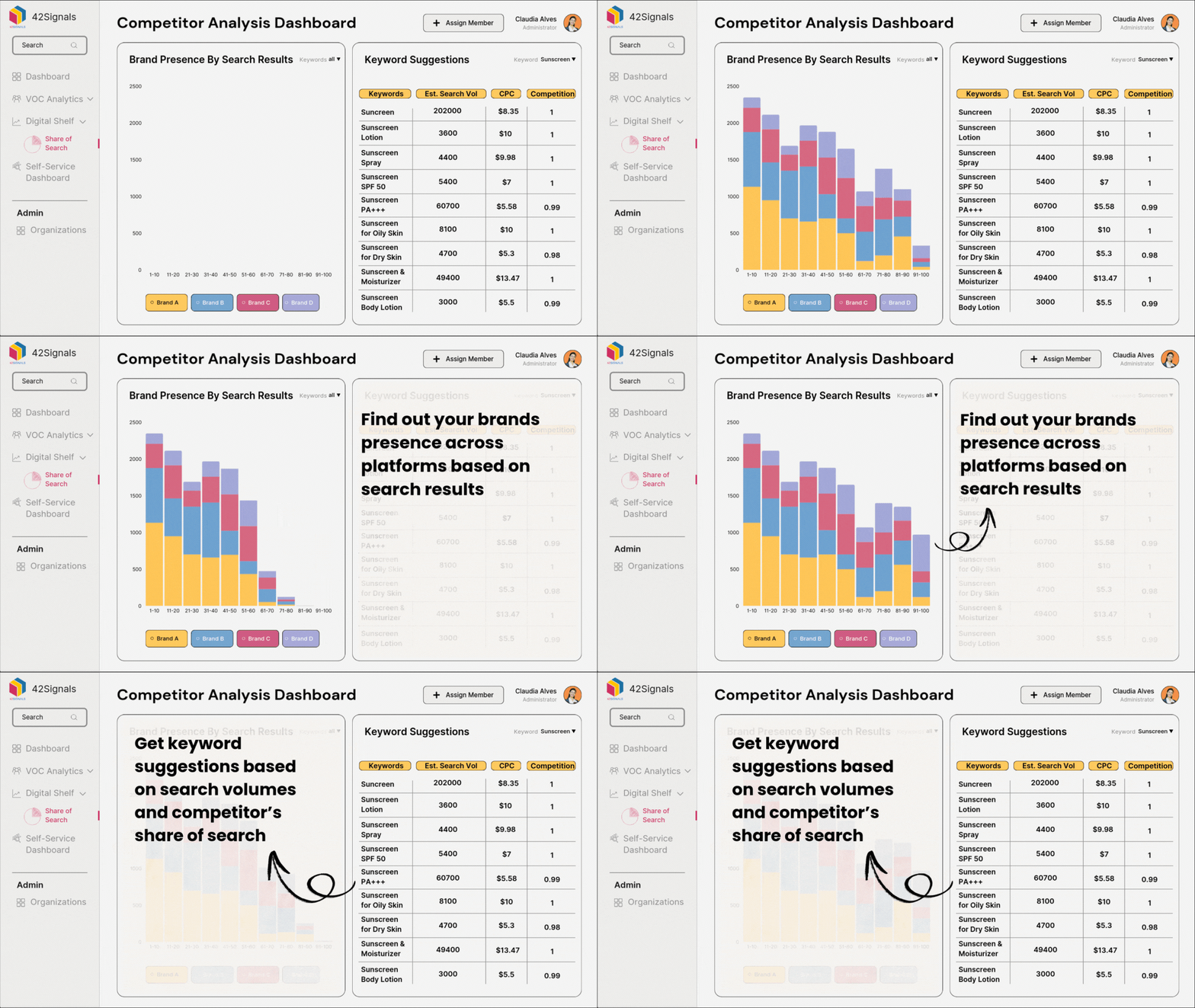
- Visibility & Pricing Correlation: Some views combine pricing with digital shelf analytics like search share or top page visibility, showing how price relates to online presence.
The Real Business Impact: What Results Can You See?
Putting a competitor price engine in place with 42Signals is an investment that pays back:
- Better Profit Margins: Finding chances to raise prices safely and optimizing discounts directly lifts margins. Recall the McKinsey finding: potential for 2-7% profit margin growth.
- Stronger Sales: Winning the buy box more often on marketplaces via competitive pricing, capturing sales when competitors stock out, and running sharper promotions all boost revenue. Forrester notes that companies using competitive price intelligence can achieve 1-5% revenue growth.
- Recovered Time & Lower Costs: Free up team hours from manual tracking for strategic work. Eliminate costs from manual errors.
- Faster Response & Stronger Competitiveness: React to market shifts in minutes or hours. Maintain consistent competitiveness effortlessly.
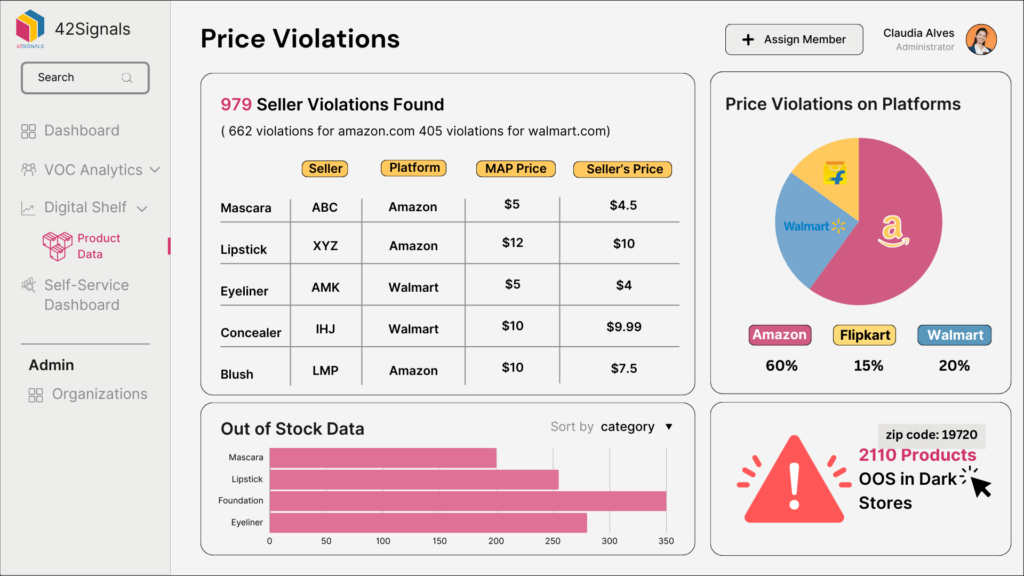
Image Source: Ecommerce product data by 42Signals
- Secured Brand Value: Enforce MAP policies effectively, preserving brand reputation and retailer partnerships.
- Decisions Based on Reality: Base crucial pricing, promotion, and product decisions on solid market evidence.
Taking the First Step: Towards Pricing Confidence with a Competitor Price Engine
Implementing a competitor price engine isn’t just for giant corporations anymore; it’s essential for any ambitious online retailer. The speed of ecommerce demands automated market intelligence.
42Signals delivers the precise, comprehensive, and actionable ecommerce data and digital shelf analytics you need to fuel this critical system. Their competitor analysis dashboard makes complex competitor data understandable, and their automated price monitoring keeps you constantly informed.
Ready to move beyond guesswork and win on price?
- Assess Your Current Method: How do you track prices now? What specific problems does it cause?
- Set Clear Objectives: What exactly do you want your competitor price engine to achieve? (e.g., boost margin on Category Y, win more Amazon buy boxes, enforce MAP strictly).
- See 42Signals in Action: Discover how their platform delivers the competitor data and intelligence you need. Request a demo focused on your products and competitive challenges.
- Start Small & Prove Value: Launch a focused pilot – track your top 20 products against your top 5 rivals. Demonstrate quick wins, then expand.
The digital shelf is your arena. Price is your key tactic. Arm yourself with intelligence. Build your competitor price engine with 42Signals now (join our free trial) and start boosting your profits immediately.
Frequently Asked Questions
What is an example of a competitor price?
An example of a competitor price could be this: You’re selling a wireless Bluetooth speaker for $79.99 on your online store. A similar speaker from a competitor—same size, features, and brand recognition—is listed for $74.99 on Amazon. That $74.99 is a competitor price you need to monitor and potentially respond to if you want to stay competitive in the market.
Competitor pricing data helps businesses decide whether to match, beat, or differentiate from similar products in terms of price, features, or added value.
What is competitive pricing?
Competitive pricing is a strategy where a business sets its prices based on what competitors are charging for similar products or services. Instead of focusing solely on cost or customer willingness to pay, companies use market pricing as a reference point to stay attractive to consumers.
There are three common approaches within competitive pricing:
- Price matching – Aligning your prices exactly with a competitor’s.
- Price undercutting – Setting your price slightly lower to win more sales.
- Premium pricing – Charging more by offering better features, branding, or service.
It’s widely used in industries like retail, electronics, airlines, and grocery stores where pricing transparency is high.
What is an example of a pricing engine?
A pricing engine is a tool or software that automates how prices are calculated and adjusted based on specific rules, market data, or algorithms.
Example:
A dynamic pricing engine used by an online travel agency automatically updates airline ticket prices based on demand, time until departure, and seat availability. If a flight is 80% full and demand spikes, the engine raises the ticket price in real time to maximize revenue.
In ecommerce, pricing engines are often used to adjust prices across platforms like Amazon or Walmart based on competitor movements, stock levels, or sales goals.
How to check competitor pricing?
To check competitor pricing, you can use a mix of manual and automated methods:
Manual Methods:
- Visit competitor websites and marketplaces to check current pricing.
- Use incognito mode or different devices to see price variations.
Automated Methods:
- Use pricing intelligence tools like 42Signals to track real-time competitor prices across channels.
- Set up Google Alerts for competitor product names.
- Monitor pricing history with tools like Keepa (for Amazon).
This helps you stay updated on price shifts and plan better pricing strategies to retain your market position.