
The fashion industry has experienced significant disruption in recent years, with fast fashion brands like Zara leading the charge. However, as consumers become increasingly aware of the environmental and social impact of their clothing choices, many are questioning whether or not Zara can truly be considered a fast fashion brand. In this article, we will take a deep dive into Zara’s business model to answer the question: is Zara fast fashion?
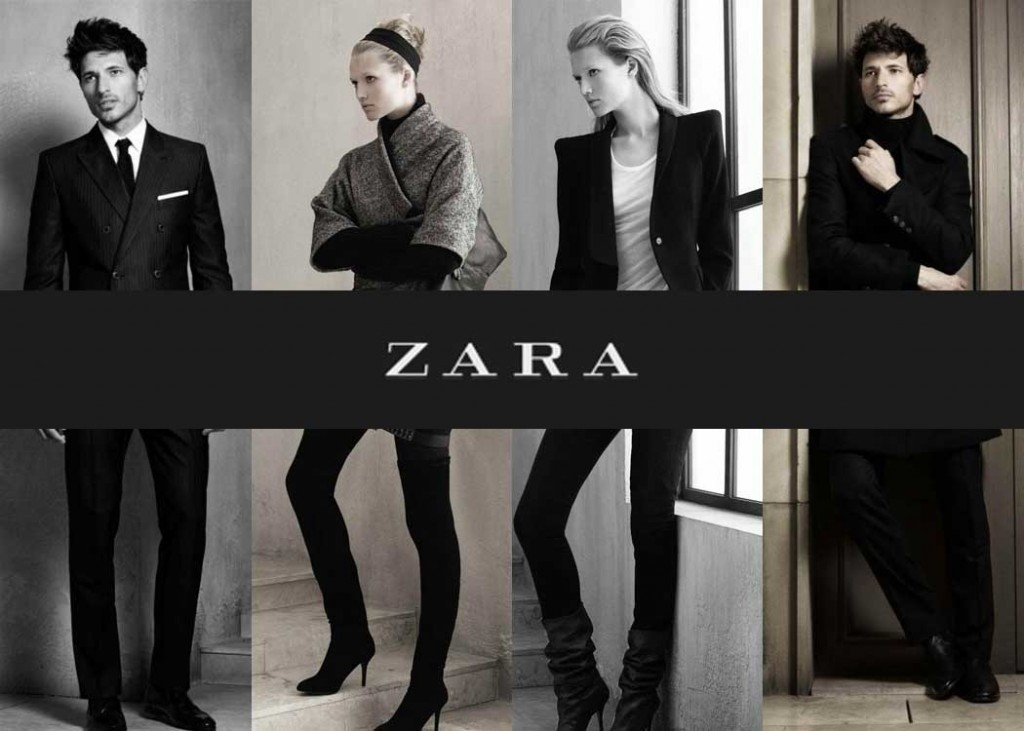
Image Source: Healy Consultants Group
Firstly, it is important to define what we mean by “fast fashion.” At its core, fast fashion refers to the rapid production and turnover of low-cost clothing items, designed to replicate current trends and styles. These clothes are often made from lower-quality materials, which contribute to their affordability but also result in shorter lifespans and increased waste. Additionally, fast fashion companies have been criticized for poor labor practices, including paying workers below living wages and operating factories in unsafe conditions.
Zara, owned by parent company Inditex, operates differently than traditional fast fashion brands. While it does produce trend-driven collections at affordable prices, there are several key aspects of its business model that set it apart. Let’s examine some of these factors more closely.
Zara’s Design & Production Process
One of Zara’s most notable differences lies in its design and production process. Traditional fast fashion brands rely heavily on outsourcing production to overseas manufacturers, who work with large minimum order quantities (MOQs) and long lead times. This results in slow response times to changing consumer demands and limited flexibility to adjust inventory levels.
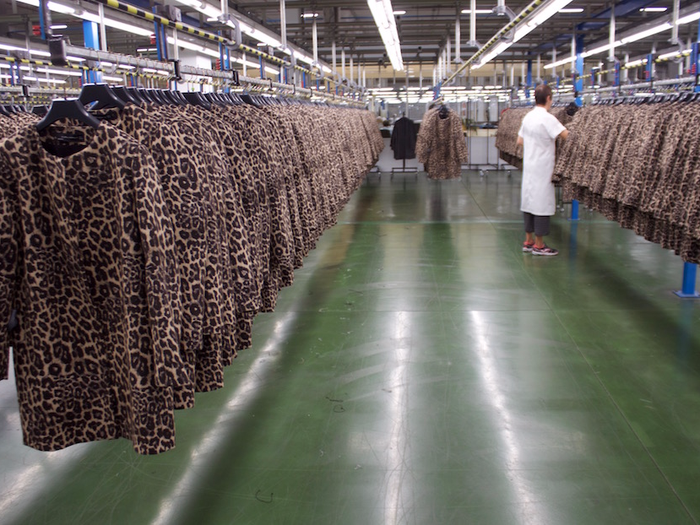
Image Source: Business Insider
In contrast, Zara maintains a vertically integrated supply chain, controlling much of its manufacturing in-house through a network of owned and partnered facilities. By doing so, Zara significantly reduces lead times, enabling it to respond quickly to emerging trends and customer preferences. The average time from design concept to store shelf at Zara is just two weeks – compared to six months or longer for traditional retailers.
This agility allows Zara to introduce new products frequently, creating the illusion of constant change and driving customers back to stores regularly. Moreover, because Zara produces smaller batches of each item, it minimizes the risk of excess stock and subsequent markdowns, reducing overall waste.
Zara’s Speed: The Design-to-Shelf Timeline
A defining feature that fuels the “fast fashion” debate is Zara’s unparalleled speed. The brand’s entire operational model is engineered for rapid design to shelf time. While traditional retailers may take 6 months from sketch to store, Zara compresses this cycle to an industry-leading average of just 2-3 weeks. This is not merely fast production; it’s a synchronized system of agile design, localized manufacturing, and dynamic logistics.
How the Timeline Works:
- Trend Capture & Design (Days): Designers constantly gather data from store feedback, social media, and runway trends. New designs are drafted and approved in days, not months.
- Localized Production (1-2 Weeks): Thanks to vertical integration, over 50% of products are manufactured in proximity to its headquarters in Spain or in nearby countries like Portugal, Morocco, and Turkey. This allows for small batch production and quick adjustments.
- Logistics & Distribution (Hours-Days): Finished items are sent to a highly automated distribution center and shipped directly to stores worldwide twice a week. Garments often arrive at global stores within 48 hours of leaving the warehouse.
This fast fashion model timeline creates a sense of scarcity (“get it before it’s gone”) and ensures stores receive new inventory up to 24 times per year, compared to the industry standard of 2-4 seasons. It is this operational velocity that places Zara at the center of the fast fashion conversation, even as it differs in other aspects.
Zara’s Material Quality & Sustainability
While Zara still uses synthetic fibers such as polyester and nylon in many of its garments, it has taken steps towards improving material quality and sustainability. For example, it has committed to sourcing 100% sustainable cotton by 2025, investing in recycling technologies, and exploring innovative fabric alternatives. Furthermore, Zara offers repair services and product care guidelines to help extend the life of its garments.
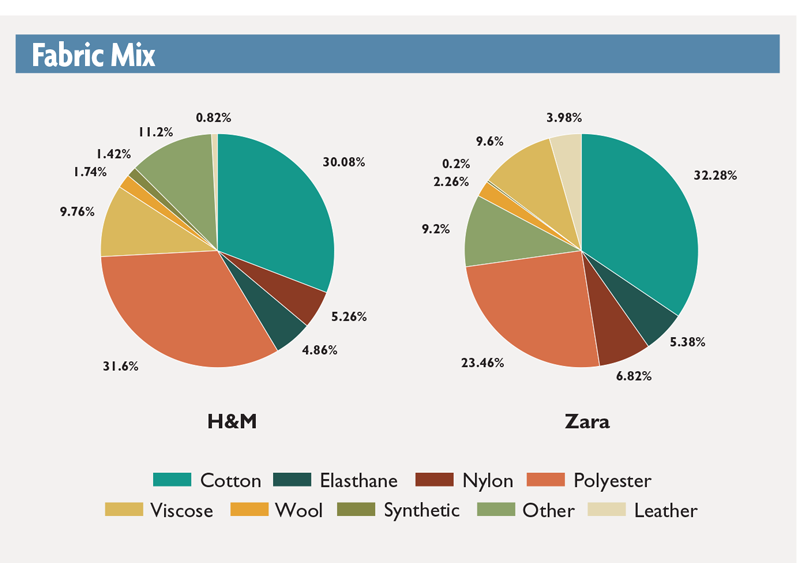
Image Source: Textile World
These efforts demonstrate a clear intention to move away from the throwaway culture associated with fast fashion. However, only time will tell if they translate into meaningful reductions in environmental impact.
Zara Fast Fashion Labor Practices
Like other fast fashion brands, Zara has faced criticism regarding its labor practices. Allegations include paying workers less than living wages, employing underage workers, and failing to provide safe working conditions.

Image Source: Impact International
However, unlike many competitors, Zara publicly acknowledges these issues and has implemented various initiatives aimed at addressing them.
For instance, it participates in multi-stakeholder collaborations focused on improving worker rights and safety standards, and it conducts regular audits of supplier factories to ensure compliance with ethical labor requirements. Nevertheless, concerns remain about the effectiveness of these measures and the extent to which they permeate Zara’s vast global supply chain.
Material Composition & Addressing Quality Concerns
A major point of consumer inquiry and criticism is Zara’s use of materials. The question “does Zara use polyester?” is common, and the answer is yes, frequently. Synthetic fibers like polyester are staples in its collections due to their low cost, durability, and versatility for achieving certain textures and prints.
- The Quality Paradox: Critiques of Zara clothing quality issues often stem from this material choice. Polyester and other synthetics can feel less premium, be less breathable, and may not age as gracefully as natural fibers. However, Zara strategically blends materials and employs good construction techniques for its price point.
- Sustainability Efforts: In response, Zara has public goals to increase the use of more sustainable materials, like recycled polyester and organic linen. The Join Life tag highlights garments made with these preferred materials. While this is progress, the core of the business still relies on conventional synthetics to hit its price and speed targets.
- Evaluating Quality: The quality of Zara is best understood as “trend-appropriate.” For a garment meant to last a season or two, the construction is often adequate. For core wardrobe staples, buyers may find variability. This aligns with its business model: offering current style at accessible prices, with durability being a secondary concern to speed and cost.
Fast Fashion vs. Non-Fast Fashion Brands – Compared
To better understand whether or not Zara falls under the category of fast fashion, let us compare typical traits of fast fashion brands against those that do not fit this description.
| Fast Fashion Brands | Non-Fast Fashion Brands |
| Rapid production and turnover of low-cost clothing items. | Slower production cycles focus on higher-quality, durable pieces. |
| Trend-driven designs replicating current styles. | Classic, timeless designs that transcend seasonal trends. |
| Outsourced manufacturing with large MOQs and extended lead times. | Vertical integration or strategic partnerships allow for reduced lead times and greater control over production processes. |
| Low material quality contributes to short lifespans and high waste generation. | Higher material quality ensures longevity and reduced environmental impact. |
| Poor labor practices, including low wages and unsafe working conditions. | Ethical labor practices, fair compensation, and focus on worker welfare. |
Based on this comparison, Zara exhibits both similarities and differences when juxtaposed against classic fast fashion brands. It certainly adopts elements of quick production cycles, trend-driven designs, and affordability commonly found within the fast fashion realm.
However, distinct features such as vertical integration, reduced lead times, improved material quality and attempts at enhancing labor practices position Zara closer to non-fast fashion brands.
Beyond Apparel: Evaluating Zara’s Product Range & Categories
Zara’s dominance extends beyond basic clothing into a comprehensive lifestyle offering, though with varying degrees of success.
- Affordable Trendy Clothes (Core Strength): This is Zara’s fortress. Its success lies in democratizing high-fashion aesthetics. Evaluation of its dresses, shirts, and seasonal collections shows a mastery of translating catwalk silhouettes and colors into wearable, accessible pieces within weeks.
- Beauty (Zara Beauty): A strategic expansion into the beauty space. The line focuses on trendy colors and packaging, leveraging the brand’s fashion authority. It positions itself as an accessible, fashion-forward alternative in a crowded market, though it competes more on style than breakthrough formulation.
- Product Range Breadth: Zara’s range is vast, from workwear and casual basics to occasion wear and accessories. This “something for everyone” approach under one roof is a key traffic driver, though it can sometimes lead to perceptions of inconsistent clothing quality.
The brand’s ability to manage this vast, fast-moving product range across categories while maintaining a cohesive aesthetic is a testament to its sophisticated supply chain and design coordination.
Key Takeaways – Is Zara Fast Fashion?
- Fast fashion generally involves rapid production and turnover of low-cost clothing items designed to replicate current trends, typically resulting in lower-quality materials, poor labor practices, and high environmental impact.
- Zara demonstrates a hybrid approach, combining elements of fast fashion (trend-driven collections, affordability) with non-fast fashion qualities (vertical integration, quicker response times, improved material quality).
- Zara’s commitment to using sustainable materials, recycling technologies, and repair services indicates a shift away from the disposable culture traditionally associated with fast fashion.
- Despite progress, Zara continues to face scrutiny concerning labor practices; however, it actively engages in multi-stakeholder collaborations and factory audits to address these concerns.
- No single definition categorically defines all fashion brands; instead, individual evaluation of specific attributes must occur to determine where a particular label aligns along the spectrum of fast versus non-fast fashion.
- Continuous improvement efforts towards sustainability and ethical labor practices across the entire fashion industry can inspire positive change and encourage responsible consumption habits among consumers.
Conclusion on Zara Fast Fashion
So, is Zara fast fashion? Based on our analysis, it appears that while Zara shares certain characteristics with traditional fast fashion brands, such as producing trend-driven collections at affordable prices, its unique business model sets it apart in several ways. While the company does implement a quick turnaround on clothing, its other characteristics make it a non-fast fashion brand in our opinion.
Key differentiators include a vertically integrated supply chain, faster response times to shifting market demands, improved material quality, and greater transparency around labor practices.
That being said, no brand is perfect, and Zara still faces challenges related to sustainability and ethics. As consumers continue to demand accountability and responsible business practices from fashion labels, it will be interesting to see how Zara evolves its model further to meet these expectations.
Read more articles like this in our blog section and for deeper insights and analysis, schedule a demo with us!
Frequently Asked Questions
Q: Is Zara considered fast fashion?
A: Yes, by most standard definitions, Zara is considered a pioneer and leader in the fast fashion sector due to its incredibly short design-to-retail cycle, trend replication, and high volume of new products. However, its vertically integrated, small-batch model differs from traditional fast fashion’s reliance on massive overseas production runs.
Q: Is Zara a luxury or high-fashion brand?
A: No. Zara is a high-street fashion brand. It is not a luxury brand but is renowned for its ability to quickly interpret and democratize luxury and high-fashion trends, making them accessible at a mid-range price point. This is often called “massitge” (mass prestige).
Q: What is Zara’s business model?
A: Zara’s business model is built on vertical integration, a demand-driven supply chain, and rapid product turnover. It controls most of its production steps, produces in small batches close to home, and uses real-time sales data to inform design and distribution, allowing it to get new styles to stores in as little as two weeks.
Q: Is Zara sustainable or ethical?
A: Zara has made public commitments to improve its sustainability (e.g., using more recycled materials) and ethics (through its supplier Code of Conduct). However, the fundamental pace and volume of its business model are inherently at odds with the principles of “slow fashion.” It faces ongoing criticism, and while it is taking steps, it is not generally classified as a sustainable or slow fashion brand.
Q: Why is Zara so successful?
A: Zara’s success stems from its unique ability to combine speed, affordability, and a keen sense of current fashion. It has mastered the logistics of quick response, creating a sense of scarcity and urgency that drives frequent store visits and full-price purchases.