

The Quick Way to Understand Amazon Review Monitoring
If you are a brand manager, you probably know that one bad week of feedback can destroy months of hard work. Amazon review monitoring is the process of tracking every single comment and rating left on your product pages in real time so you can act before things get worse. This guide explains why you need a proactive system, how to track the speed of incoming reviews, and how to use tools like 42Signals to automate the whole thing. By staying on top of your feedback, you can protect your Best Seller Rank and keep your advertising costs from skyrocketing.
Why Amazon Review Monitoring Is the Secret to Keeping Your Sales High
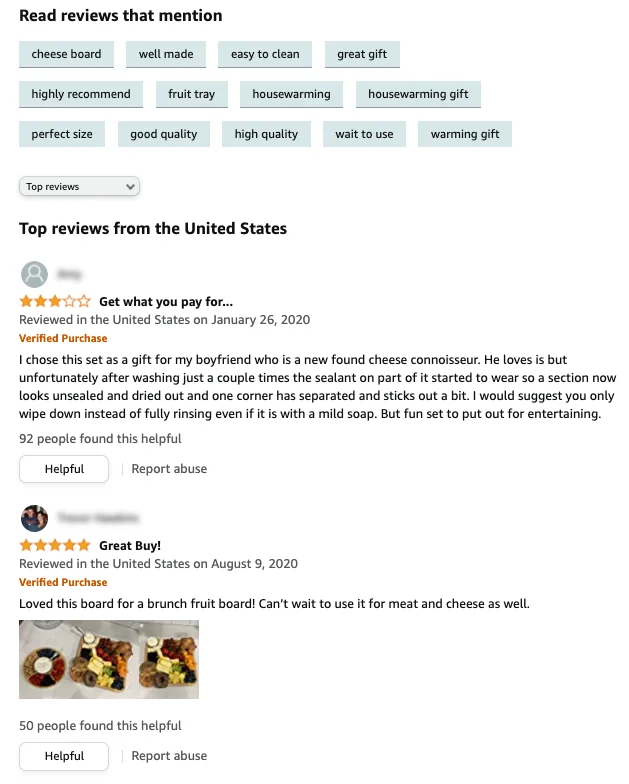
Image Source: ECom Engine
In the world of online shopping, your reputation is everything. Most shoppers will not even consider a product if it has a low rating or recent negative comments. Research shows that about 70 percent of Amazon customers never even scroll past the first page of search results. This means that if a sudden wave of bad reviews pushes your product down the rankings, you basically become invisible to your potential buyers. Amazon review monitoring helps you spot these trends the second they start so you do not lose that valuable first-page spot.
Many brands make the mistake of only checking their reviews once a week or when they notice a drop in sales. By that time, the damage is already done. When you use Amazon review monitoring, you are looking for early warning signs that something might be wrong with a specific batch of products or your shipping process. This proactive approach lets you fix the issue and talk to customers before they tell the whole world about their bad experience.
Keeping your sales high also depends on how well your ads are working. If you are spending thousands of dollars on sponsored listings but your reviews are mostly negative, you are wasting your money. People might click on your ad, but they will leave once they see the recent complaints. Amazon review monitoring ensures that your product page is always in the best possible shape to turn those clicks into actual purchases.
Understanding Review Velocity and Why It Is an Early Warning Sign
Review velocity is a fancy way of saying how fast you are getting new reviews. It is one of the most important metrics you can track because it tells you a lot about your product’s health and the market’s interest. In your Amazon review monitoring strategy, you should always keep an eye on whether the number of reviews is suddenly spiking or dropping. A sudden spike in negative reviews usually means there is a functional problem with your product that needs immediate attention.
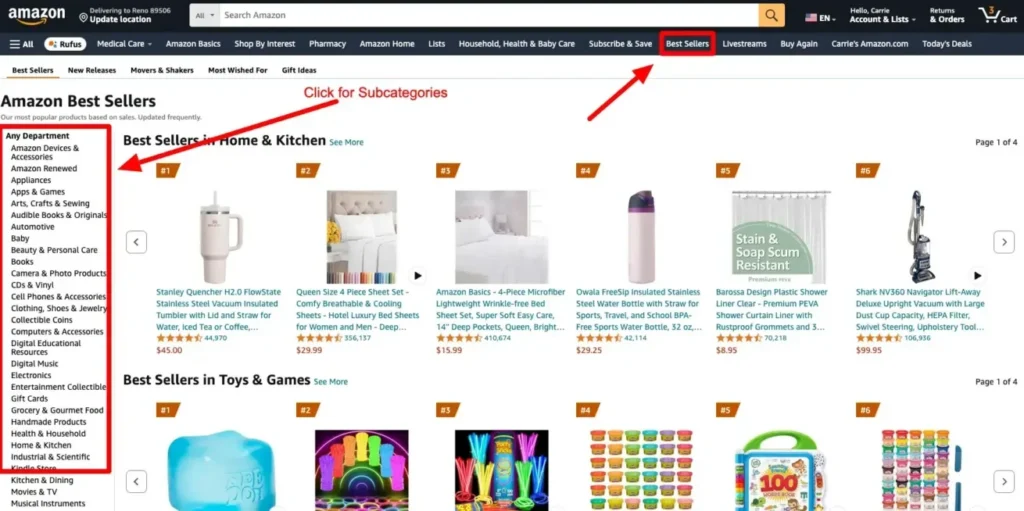
Image Source: Helium 10
On the other hand, a drop in review velocity can be just as scary. If people stop talking about your product, Amazon’s algorithm might think it is no longer relevant, which can lead to a lower Best Seller Rank. Through consistent Amazon review monitoring, you can see these shifts happening in real time. It allows you to understand if your recent marketing campaign is actually encouraging people to share their thoughts or if you need to change your strategy to get more engagement.
Amazon also cares about how fresh your reviews are. In fact, 86 percent of shoppers believe that the recency of reviews is very important when they are thinking about buying something for the first time. If your last positive review was six months ago, customers might think your product is outdated. Using Amazon review monitoring to track your review rate helps you stay fresh and relevant in the eyes of both the customer and the Amazon search engine.
The Hidden Costs of Not Using Amazon Review Tracking
One of the biggest hidden costs is the loss of organic search visibility. Amazon’s algorithm rewards products that have a steady stream of positive feedback. If you miss a “review crisis” because you were not watching, your organic ranking can tank in just a few days. Amazon review monitoring acts as a safety net that catches these drops before they become permanent.
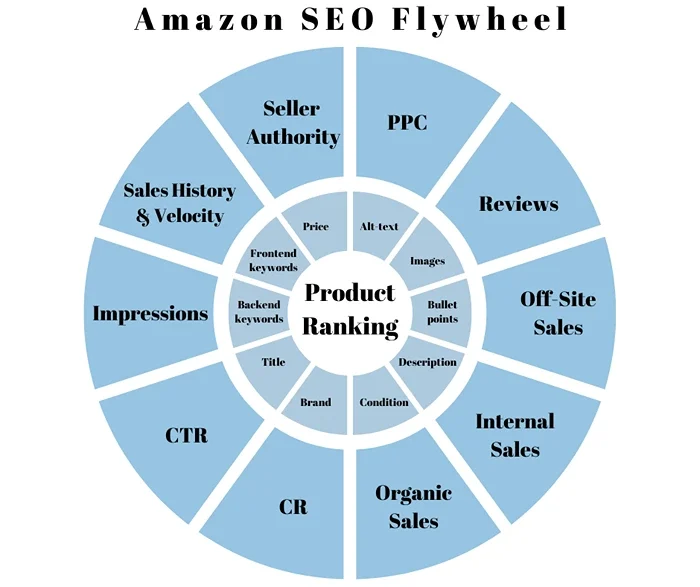
Image Source: Seller Engine
Another cost that many people forget about is the impact on your customer service team. If a product has a recurring defect that shows up in reviews, your support team will soon be flooded with returns and complaints. By using amazon review tracking, you can identify the root cause of the problem early. For example, a home appliance brand used review data to find out that 60 percent of their negative feedback was about a complicated setup process. They added a simple QR code with tutorial videos and reduced those complaints by 70 percent.
Finally, failing to monitor your reviews can lead to a complete loss of brand trust. It takes years to build a good reputation but only a few days to ruin it on the internet. Without active Amazon review monitoring, you might not notice that a competitor is “hijacking” your listing or that customers are complaining about fake versions of your product. Tracking these details is the only way to protect your hard-earned brand equity.
How to Set Up an Effective Product Review Monitoring System
Setting up a system for product review monitoring does not have to be a nightmare. The first step is to decide which products are your highest priority. You probably have a few “hero” products that drive most of your revenue, and those should be the focus of your Amazon review monitoring efforts. You want to make sure you are notified the moment a new review is posted on these specific pages.
Once you have identified your key products, you need to establish a baseline for your ratings and review counts. This means looking at your historical data to understand what a “normal” week looks like for your brand. In your product review monitoring routine, any deviation from this baseline should trigger an alert. If you usually get five reviews a week and suddenly get twenty, you need to know why, even if they are positive.

The third step is to integrate this data into your daily operations. It is not enough to just look at a dashboard; you need to have a plan for what to do with the information. An effective Amazon review monitoring system will route negative feedback about shipping to the logistics team and comments about quality to the manufacturing team. This ensures that every piece of feedback is used to make the business better instead of just sitting in a spreadsheet.
Using Review Sentiment Monitoring to Understand the Why Behind the Stars
Star ratings only tell half the story. To really understand what is happening, you need review sentiment monitoring. This involves looking at the actual words customers are using to describe your product. Sometimes a product has a four-star rating, but the comments are full of small frustrations that could eventually turn into bigger problems. Amazon review monitoring that includes sentiment analysis helps you find these hidden issues.
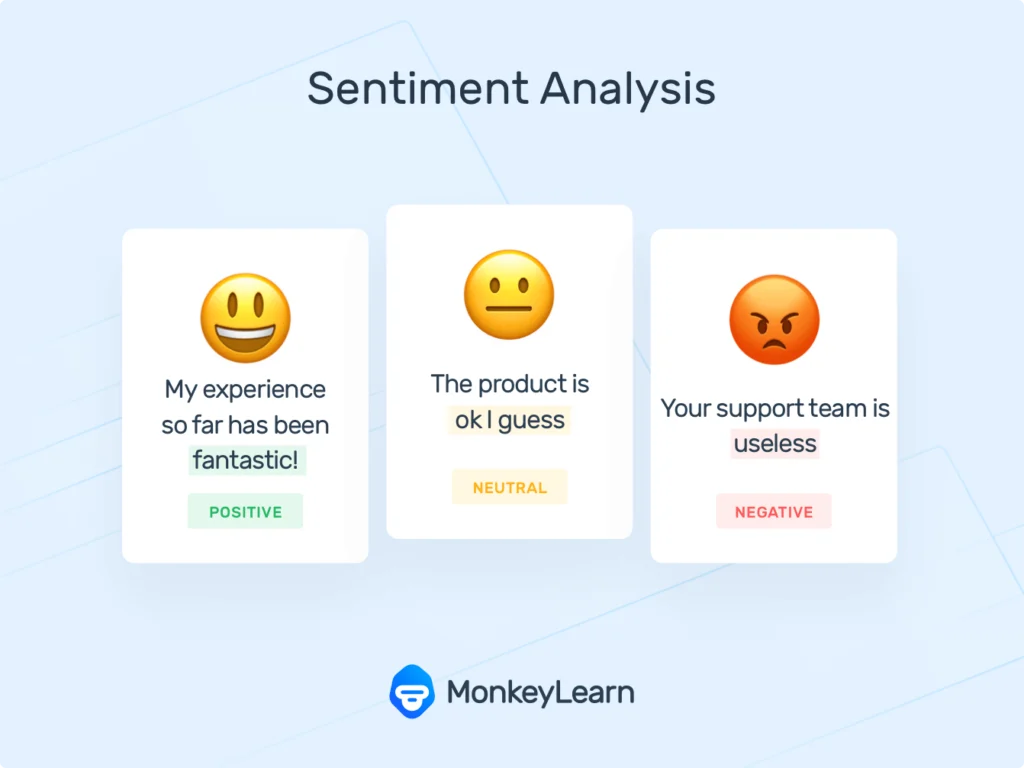
Image Source: Monkey Learn
By categorizing the words in your reviews, you can see patterns that stars alone would hide. For instance, you might find that while people love the product itself, they hate the packaging it comes in. With review sentiment monitoring, you can tag feedback into themes like “durability,” “customer service,” or “value for money.” This gives you a clear map of what you are doing well and where you are failing.
This type of analysis is also great for your marketing team. If your Amazon review monitoring shows that customers keep praising a specific feature you did not think was important, you can start highlighting that feature in your ads. It is essentially free market research. Using review sentiment monitoring turns raw data into a strategic asset that helps you stay ahead of the competition.
How Review Analytics Ecommerce Tools Turn Feedback into Action
Modern problems require modern solutions, and that is where review analytics ecommerce tools come in. Manually checking every listing for new comments is a waste of time and leads to human error. A dedicated tool can automate your Amazon review monitoring by scraping data every hour and sending you alerts. This means you can spend your time fixing problems instead of just looking for them.
These tools do more than just collect data; they help you visualize it. A good platform will show you heatmaps of when reviews are coming in and word clouds of the most common complaints. In your Amazon review monitoring workflow, these visualizations make it easy to explain the situation to your boss or the rest of your team. It is much easier to get a budget for product improvements when you can show a clear trend of declining sentiment.
Furthermore, review analytics ecommerce platforms often include competitive benchmarking. This means you can use Amazon review monitoring to see what people are saying about your rivals too. If a competitor’s new model is getting a lot of one-star reviews because of poor battery life, you can immediately adjust your own ads to highlight your product’s superior battery. This lets you win over their unhappy customers in real time.
Why You Need to Monitor Amazon Reviews to Protect Your Brand Reputation
Your brand reputation is the most valuable thing you own. In the digital age, a single viral negative review can do more damage than a million-dollar ad campaign can fix. When you monitor Amazon reviews, you are acting as a guardian for your brand. You are ensuring that the conversation around your products remains positive and that any misinformation is corrected quickly.

Proactive monitoring also helps you build a voice of customer analytics program that actually works. By listening to what people say on Amazon, you are showing them that their opinion matters. When you respond to a negative review with a helpful solution, other potential buyers see that you are a responsible brand. This level of Amazon review monitoring can turn a bad situation into a demonstration of great customer service.
Ultimately, protecting your brand reputation and ecommerce presence is about consistency. You want every customer to have the same great experience, no matter when or where they buy from you. Regular Amazon review monitoring helps you spot the inconsistencies that lead to bad reviews. Whether it is a warehouse that is shipping damaged boxes or a listing that has incorrect information, you will find it before it hurts your brand.
Practical Steps for Review Crisis Detection and Management
A review crisis usually starts small and grows fast. You might see two or three negative reviews about the same issue on a Monday, and by Friday, your rating has dropped by half a star. The first step in review crisis detection is setting up real-time alerts for any rating below three stars. Your Amazon review monitoring system should ping your phone or email immediately so you do not lose any time.
- Set real-time alerts for any review below three stars
- Scope the problem — single SKU or catalog-wide? Regional or national?
- Cross-reference with inventory data — is this batch-specific?
- Communicate publicly — respond to affected reviews within 24 hours
- Escalate internally — route to manufacturing, logistics, or customer service based on root cause
Once an alert is triggered, you need to investigate the “scope” of the problem. Is this happening across all your products or just one specific SKU? Is it happening in all regions or just one? Using digital shelf analytics can help you cross-reference review data with inventory data to see if the problem is linked to a specific batch of products. This level of detail is critical for making smart decisions during a crisis.
After you have identified the problem, you need to communicate. If you found a defect, be honest with your customers. A beauty brand once noticed a 300 percent spike in negative reviews and traced it back to a mislabeled ingredient batch. They issued a recall and launched a transparency campaign, which eventually led to a 65 percent drop in negative sentiment within just thirty days. Effective Amazon review monitoring with a customer feedback analysis tool, followed by fast action can actually make your brand stronger in the long run.
Making Amazon Review Monitoring Simple and Effective
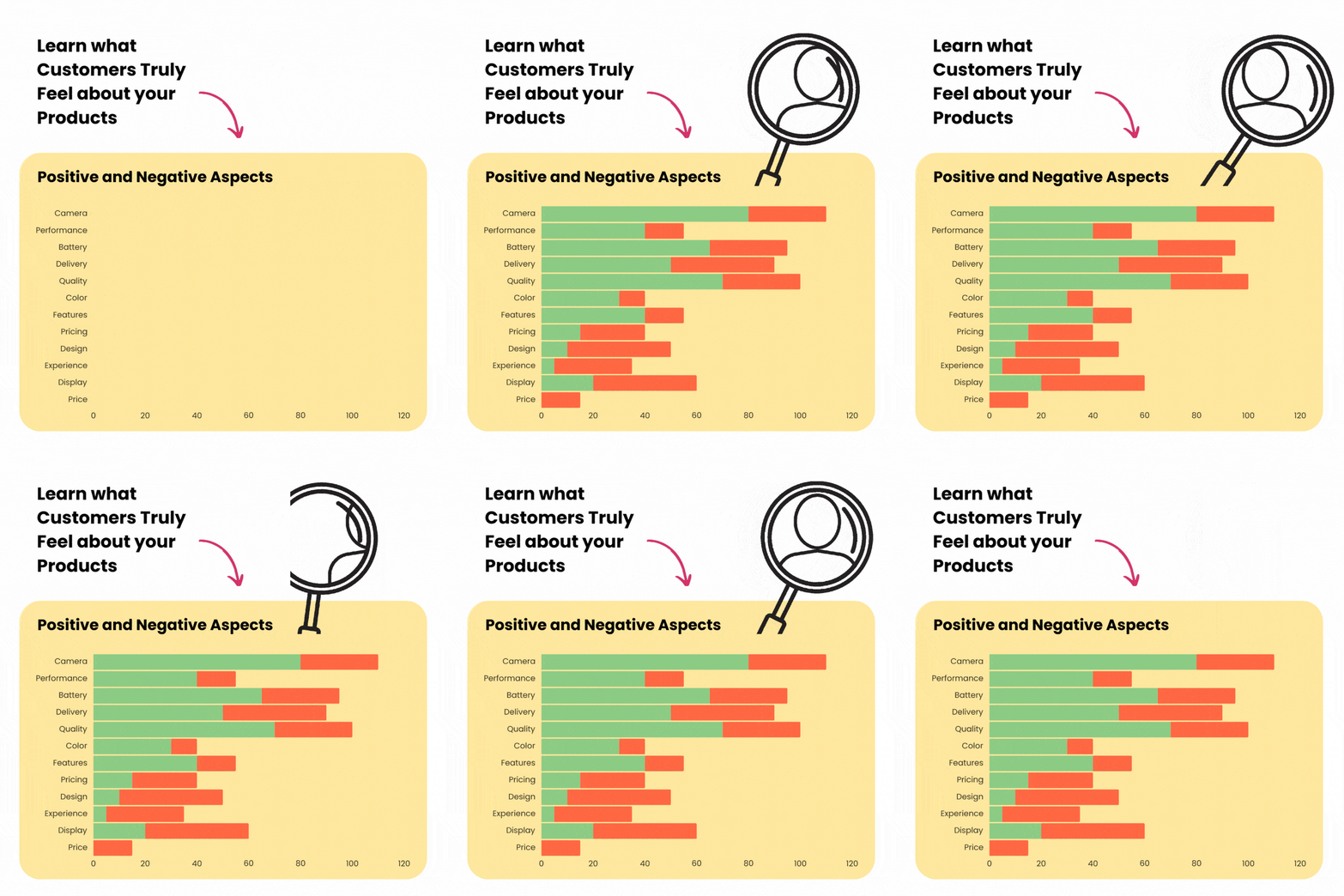
42Signals aggregates review data from Amazon and other marketplaces into a single dashboard, tracking overall consumer sentiment trends and consumer sentiment scores across a brand’s full catalog. The platform’s aspect-based sentiment analysis goes beyond labelling a review as positive or negative — it identifies the specific dimension the customer was responding to, whether that’s price, delivery speed, product quality, or packaging.
This allows brand managers to route feedback directly to the team that can act on it, rather than surfacing raw comments with no context. Customisable alerts trigger on new review activity or rating threshold drops, ensuring that a developing crisis is caught in minutes rather than discovered in the next weekly report.
One of the best things about our tool is the aspect-based sentiment analysis. Instead of just telling you that a review is “negative,” we tell you what specifically the customer was unhappy about. Was it the price, the quality, or the delivery speed? This granular level of Amazon review monitoring allows you to give your R&D or logistics teams specific, actionable feedback that they can actually use to improve the product.
We also offer automated alerts that you can customize to your needs. You can choose to get a notification for every new review, or only when your average rating drops below a certain point. This flexibility makes 42Signals the perfect partner for your Amazon review monitoring strategy. We help you stay organized and proactive, ensuring that you never miss a critical piece of customer feedback.
Building a Long-Term Amazon Review Monitoring Strategy
If you want to survive on Amazon, you cannot afford to ignore your reviews. The platform is too competitive and the customers are too vocal for you to be reactive. By implementing a solid Amazon review monitoring plan, you are taking control of your brand’s future. You are protecting your sales, your search rankings, and your relationship with your customers.
42Signals automates Amazon review monitoring across your full catalog, combining review velocity tracking, sentiment analysis, and competitor benchmarking in one dashboard. For brand managers who can’t afford to miss a developing crisis, real-time alerts replace the weekly dashboard check. Start a free trial or request a demo to see how it works for your catalog.

Frequently Asked Questions About Amazon Review Monitoring
How often should I check my Amazon reviews?
You should ideally check your reviews every single day, or use an automated tool that monitors them in real time. Because Amazon updates its data frequently and customers shop around the clock, a problem can escalate in just a few hours. Constant Amazon review monitoring ensures that you are never caught off guard by a sudden shift in customer sentiment.
Can I remove a negative review on Amazon?
You cannot simply delete a review because you do not like it. Amazon only removes reviews if they violate their community guidelines, such as by using offensive language or sharing personal information. However, through effective Amazon review monitoring, you can reach out to customers to resolve their issues, which may lead them to update their feedback on their own.
Does review velocity really affect my search ranking?
Yes, review velocity is a major signal for Amazon’s A9 search algorithm. A high rate of new, positive reviews tells Amazon that your product is popular and satisfying to customers, which usually leads to a better organic ranking. This is why Amazon review monitoring is so important for maintaining your long-term visibility on the platform.
What is the difference between review sentiment and a star rating?
A star rating is a simple quantitative score, while review sentiment is a qualitative look at the emotions and opinions behind the score. A product might have a high star rating but still have negative sentiment regarding a specific feature. Amazon review monitoring that includes sentiment analysis gives you a much deeper understanding of your product’s performance.
How can I track my competitors’ reviews?
You can track competitor reviews by manually visiting their pages or by using a tool that automates the process. Monitoring your competitors is a key part of Amazon review monitoring because it helps you identify gaps in the market and find opportunities to win over their customers. If they are failing in an area where you excel, you can use that in your marketing strategy.
Is it worth paying for an Amazon review monitoring tool?
For most professional brands, yes, it is definitely worth it. The time you save and the mistakes you avoid will usually more than pay for the cost of the software. 42Signals specifically offers aspect-based sentiment analysis, which goes beyond basic positive/negative classification to identify exactly what customers are complaining about — giving your product and logistics teams actionable data rather than raw review counts.
Webinar: Beyond Price Monitoring: The 4 Hidden Dimensions of Competitor Intelligence
Learn how to track competitor assortment shifts, localized delivery speeds, merchant landscape leakage, and search visibility trends before they erode your market share.