

Costco is one of the most successful retail chains in the world, consistently ranking among the top in revenue and customer loyalty. The warehouse club model, which has been fine-tuned over the years, is a major factor in its success. But beyond its membership-based approach, there are deeper strategies at play that make Costco a retail powerhouse. Here’s what other retailers can learn from Costco’s winning formula.
1. The Power of the Costco Membership Model
It’s not just a fee; it’s the cornerstone of Costco’s entire business model and its biggest competitive advantage. The model creates a virtuous cycle: membership fees provide reliable, high-margin revenue (nearly pure profit) that subsidizes the ability to offer aggressively low prices on merchandise. This, in turn, justifies the membership fee, driving exceptional customer loyalty and renewal rates consistently over 90%. Unlike competitors who must extract all profit from product sales, Costco’s primary relationship is with the member, not the product, aligning its incentives perfectly with delivering value.

Image Source: Groupon
The annual membership fee creates a sense of exclusivity while also fostering customer loyalty. Members feel compelled to shop at Costco regularly to justify the cost, which translates to consistent foot traffic and sales.
Additionally, Costco offers different membership tiers, such as the Executive Membership, which provides additional perks like cashback rewards. This tiered system encourages customers to opt for higher memberships, further driving revenue and engagement.
Takeaway for Retailers:
Retailers can explore subscription-based models, loyalty programs, or VIP memberships to create a sense of exclusivity and repeat business. Offering perks like discounts, free shipping, or members-only promotions can drive long-term engagement.
2. Low Prices and High-Quality Products at Costco
Costco’s reputation for offering high-quality products at unbeatable prices is a key driver of its success. The company operates on thin profit margins but makes up for it through high sales volume. Costco strategically selects a limited number of SKUs per category, ensuring that only the best-value products make the cut. This approach reduces decision fatigue for shoppers while maximizing sales per item.
The promise of low prices is delivered through ruthless operational efficiency, a key success factor.
- Radical SKU Limitation: Costco carries about 3,500-4,000 active SKUs, compared to tens of thousands at a typical supermarket. This allows for immense buying power per item, streamlined logistics, and faster inventory turnover. It also curates a “best of” selection, reducing decision fatigue.
- The Warehouse as a Strategic Tool: The no-frills, pallet-display store layout is not an aesthetic choice but a cost-saving and sales-driving strategy. It minimizes labor for stocking, creates a sense of abundance and urgency, and contributes to the “treasure hunt” experience that encourages unplanned purchases.
- Data-Driven “Store Analytics”: Costco’s model relies on knowing what sells. By analyzing sales velocity (items sold per warehouse per week), they make precise buying decisions, quickly discontinuing underperformers and doubling down on winners, ensuring their limited space yields maximum revenue.
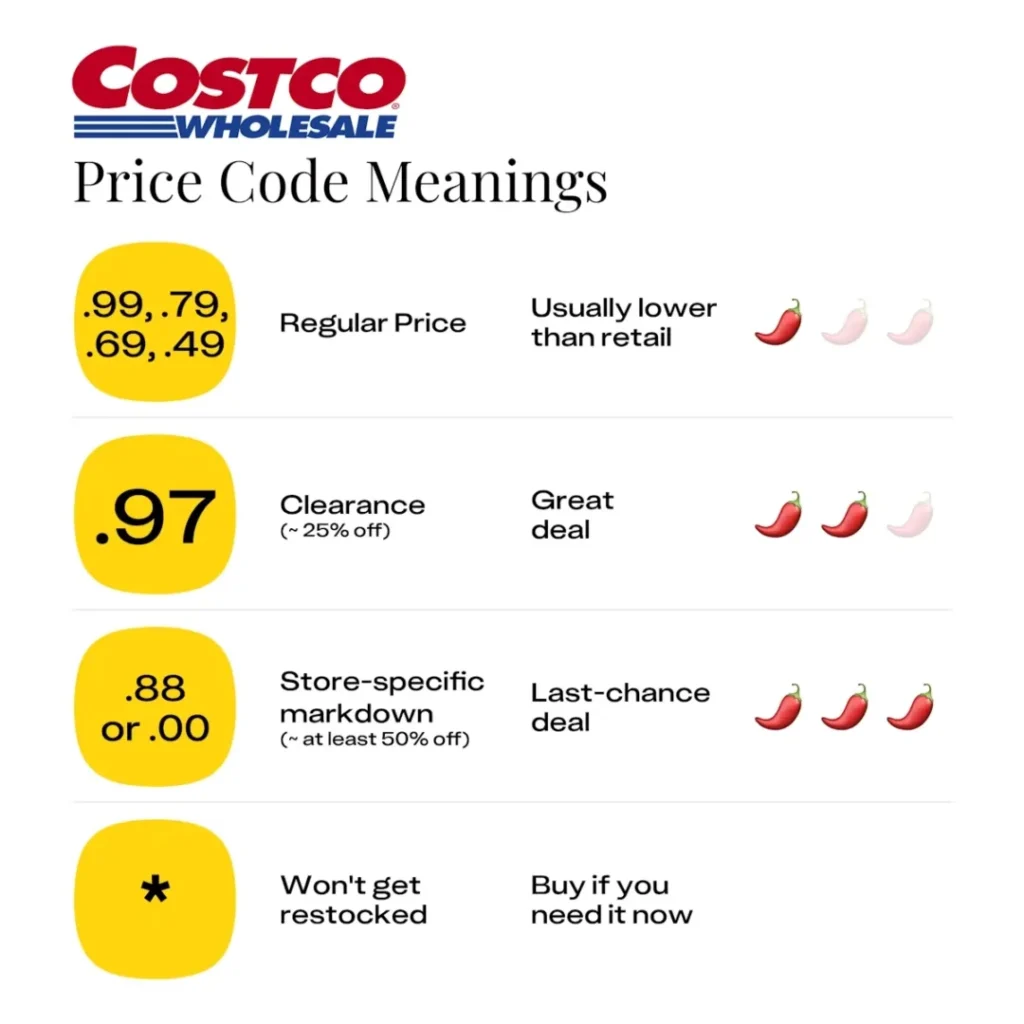
Image Source: The Krazy Coupon Lady
Costco’s bulk-selling model benefits customers by offering them lower per-unit costs while ensuring rapid inventory turnover for the company. This cycle of efficiency contributes to maintaining its cost-leadership strategy.
Takeaway for Retailers:
Instead of overwhelming customers with choices, retailers should focus on curating high-quality, high-value products. Maintaining a balance between affordability and quality builds trust and drives repeat purchases.
3. Private Label Dominance: Kirkland Signature
Costco’s private label brand, Kirkland Signature, is a major contributor to its profitability. By offering high-quality alternatives to name brands at lower prices, Costco not only earns higher margins but also strengthens customer trust. Many Kirkland Signature products are produced by well-known brands but are offered under Costco’s label at a discount.
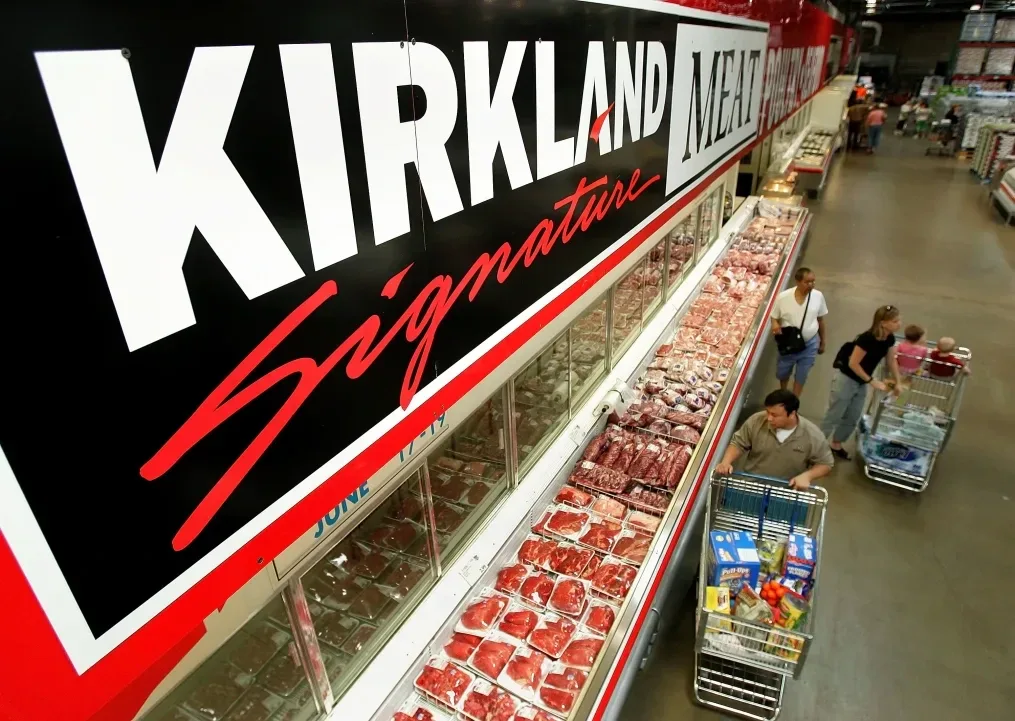
Image Source: CNN
Kirkland Signature spans across multiple categories, including food, beverages, clothing, electronics, and household items. The brand’s reputation for quality has become a significant draw for shoppers, leading them to prefer Kirkland products over national brands.
Takeaway for Retailers:
Developing an in-house brand allows retailers to control pricing, quality, and brand loyalty. Private-label products can help retailers stand out in a competitive market and increase profit margins.
4. Efficient Inventory and Warehouse-Style Layout
Costco’s warehouse-style stores may not be visually appealing, but they are designed for efficiency and cost savings. The minimalist store design eliminates unnecessary frills, allowing Costco to save on operating expenses. Bulk packaging and streamlined inventory management reduce waste and ensure high turnover.

Image Source: Mashed
The no-frills layout, featuring pallets and industrial shelving, also helps keep costs low, allowing those savings to be passed on to customers. This efficient setup enables Costco to maintain its low-price advantage.
Takeaway for Retailers:
Optimizing store layouts, simplifying product displays, and reducing overhead costs can help retailers maximize profitability. Efficient inventory management also minimizes stock issues and enhances the shopping experience.
Costco’s Competitive Differentiation: A Snapshot
| Competitive Arena | Costco’s Approach | Key Outcome & Customer Perception |
|---|---|---|
| Revenue Model | Profit from Membership Fees, break even on merchandise. | Aligns company goals with customer goal of getting maximum value. |
| Product Assortment | Extreme curation: ~4,000 SKUs of the “best” items. | Reduces choice fatigue, signals trusted curation, enables bulk discounts. |
| Pricing Strategy | Aggressive loss leaders + everyday low margins on all else. | Builds undeniable reputation for value and drives trip frequency. |
| Private Label | Kirkland Signature: Quality equal or superior to name brands. | Builds immense trust and margin; becomes a primary purchase driver. |
| In-Store Experience | Warehouse efficiency combined with “treasure hunt” excitement. | Functional bulk shopping merged with discovery and entertainment. |
| Customer Relationship | Member-centric, focused on long-term loyalty and renewal. | Creates a club-like feeling and extremely high retention rates (~93%). |
5. Strategic Loss Leaders and Limited-Time Deals at Costco
Costco frequently uses loss leaders, such as its famous $1.50 hot dog and soda combo, to draw in customers. These items may not be profitable, but they generate immense goodwill and increase overall spending. Additionally, Costco capitalizes on Black Friday deals and limited-time offers to create urgency and drive traffic.
Beyond the famous $1.50 hot dog, Costco’s strategy is sophisticated.
- The Science of “Loss Leaders”: Items like rotisserie chicken, pizza, and gasoline are priced at or below cost. Their purpose is to drive high-frequency traffic. The calculation is that the significant loss on these items is more than offset by the full-margin sales from the thousands of other items a member buys on the same trip.
- Kirkland Signature: The Ultimate Trust Builder: Kirkland Signature is more than a private label; it’s a brand statement. By offering quality that meets or exceeds national brands at typically 20-30% lower cost, it deeply reinforces the value proposition. It often represents the ultimate outcome of Costco’s buying power: taking a manufacturer’s top-tier product and selling it under their own label without the brand markup.
- The “Treasure Hunt” Psychology: The constant rotation of non-staple, seasonal, and luxury items (from kayaks to diamond rings) in the center aisles creates a dynamic, fun shopping experience. This scarcity and surprise motivate frequent visits and impulse buys, making Costco a destination for more than just bulk groceries.
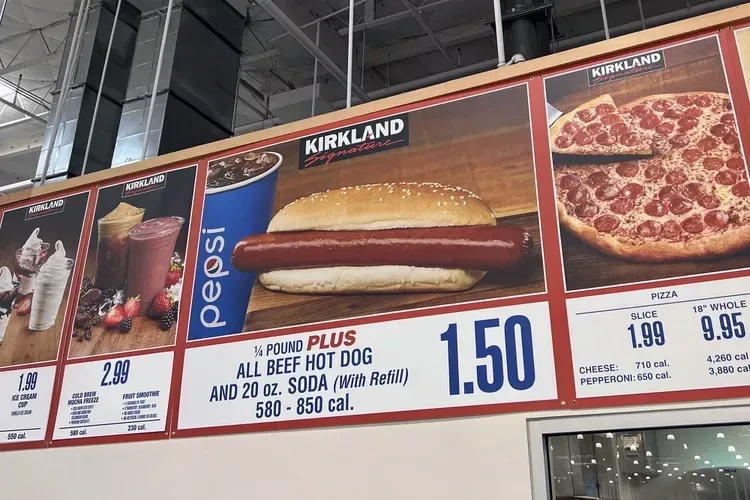
Image Source: Food and Wine
Another example is its rotisserie chicken, priced lower than competitors, which encourages shoppers to visit the store and make additional purchases.
Takeaway for Retailers:
Loss leaders and time-sensitive promotions can attract customers and encourage impulse purchases. Offering exclusive deals during peak shopping seasons, such as Black Friday, can drive significant revenue.
6. The Power of Costco Food and the Treasure Hunt Experience
The in-store Costco food court and sample stations are major customer favorites. Costco’s food court serves as an added incentive for customers to visit regularly, while free samples encourage them to try and buy new products. The treasure hunt experience—where customers discover unexpected deals and limited-stock items—keeps shopping exciting and fresh.

Image Source: Business Insider
Additionally, the frequent introduction of limited-time and seasonal items ensures customers feel a sense of urgency, making them more likely to make impulse purchases.
Costco’s strength extends far beyond paper towels and peanut butter.
- Grocery & Food: A destination for high-quality groceries, from USDA Prime beef and organic produce to an expansive selection of wines and international foods. Their food court is a legendary traffic driver and brand ambassador.
- Fashion & Apparel: A surprising powerhouse for value-driven apparel. They sell more jeans than any other retailer in North America, offering brand-name and Kirkland Signature clothing at exceptional prices, focusing on quality basics and seasonal items.
- E-commerce & Digital Experience: While historically a brick-and-mortar leader, Costco has strategically grown its ecommerce channel. It serves as an extension of the warehouse for bigger-ticket items, electronics, and additional selection, while maintaining its value focus online. However, the in-warehouse experience remains the core.
- Services & Loyalty: From travel packages to home insurance and business supplies, Costco leverages its trusted brand to offer members exclusive value on services, increasing the membership’s worth and stickiness.
Takeaway for Retailers:
Creating an engaging and immersive shopping experience keeps customers coming back. Offering samples, rotating inventory, and incorporating surprise deals can make shopping more enjoyable and increase basket sizes.
7. Minimal Marketing, Maximum Word-of-Mouth
Unlike traditional retailers that spend heavily on advertising, Costco relies on word-of-mouth marketing and customer trust. The company prioritizes keeping prices low overspending on expensive ad campaigns. Its commitment to value speaks for itself, resulting in organic brand advocacy.
Moreover, Costco’s commitment to ethical sourcing and sustainability further strengthens its brand reputation, resonating with socially conscious consumers.
Takeaway for Retailers:
Focusing on delivering exceptional value and customer experience can turn shoppers into brand ambassadors. Encouraging reviews, referrals, and organic social media sharing can be more effective than traditional marketing.
Conclusion on Costco
Costco’s success is built on a customer-first approach, offering unbeatable value, a seamless shopping experience, and a powerful membership model. By implementing strategies such as private label branding, strategic pricing, and an engaging in-store experience, other retailers can take a page from Costco’s playbook and build a loyal customer base of their own. The key is to prioritize customer satisfaction and long-term value over short-term profits.
Moreover, retailers should not underestimate the impact of operational efficiency, supply chain management, and customer experience when shaping their strategies. By focusing on these core principles, businesses can emulate Costco’s sustained growth and create a thriving retail ecosystem.
If you liked this article, read our other brand teardowns –
Erewhon: A Study in How Their Premium Grocery Became THE EXCLUSIVE Store to Purchase
The Story Behind Kraft Heinz: An American Company Worth Over $36 Billion
The Journey of Lindt to Becoming and Staying the Top Chocolatier in the World
Ulta Beauty: How They Became a Nation-Wide Sensation
Frequently Asked Questions About Costco
Q: What is Costco’s biggest competitive advantage?
Its membership-based business model. The recurring fee revenue provides financial stability and aligns Costco’s success entirely with delivering extreme value to members, fostering unmatched loyalty.
Q: How does Costco make money if its prices are so low?
The primary profit driver is membership fees, which are nearly pure profit. The company operates on very thin margins (typically 11-13% gross margin) on the products it sells, relying on massive sales volume to cover operating costs. The profit from fees subsidizes the ability to offer low product prices.
Q: Is Costco better than Sam’s Club or BJ’s?
This is subjective, but Costco consistently leads in member loyalty, renewal rates, and brand perception of quality and value. Key differentiators are the perceived superior quality of Kirkland Signature products and a more curated, “treasure hunt” assortment compared to its competitors.
Q: What are some of Costco’s most famous “loss leaders”?
The classic examples are the $1.50 Hot Dog & Soda Combo, the $4.99 Rotisserie Chicken, and often, the gasoline at their warehouse pumps. These items are sold at a loss to draw people in.
Q: Why do people love Costco so much?
The love stems from a powerful combination: psychological value (feeling like a smart shopper getting exclusive deals), consistent quality (especially with Kirkland Signature), the fun of the “treasure hunt,” and the trust built through a model that feels aligned with the member’s interest.
Q: How does Costco’s product selection (SKU count) compare to other retailers?
Costco carries an exceptionally low number of items—around 3,500 to 4,000 active SKUs per warehouse. In contrast, a typical Walmart Supercenter might carry over 100,000 SKUs, and a supermarket 40,000-50,000. This radical curation is fundamental to their buying power and efficiency.