

Black Friday has evolved far beyond its origins as a single day of in-store doorbusters. Today it opens a multi-week shopping period that runs through Cyber Monday and well into December. Black Friday 2026 falls on Friday, 27 November, with Cyber Monday on 30 November and for direct-to-consumer brands, the weeks leading up to it now matter as much as the day itself.
Success during Black Friday hinges on strategic planning, effective marketing, and an understanding of modern consumer behavior.
This guide covers the strategies D2C and ecommerce brands use to maximise sales during Black Friday 2026 digital shelf readiness, competitive pricing, targeted marketing, and the operational preparation that determines whether a brand converts the traffic it attracts.
Why is Black Friday 2026 Important for D2C Brands?
Black Friday 2026 is shaping up to be another milestone event for D2C brands. With the rise of e-commerce, especially post-pandemic, more shoppers are turning to online platforms, and D2C brands are uniquely positioned to meet this demand.
Direct access to customers allows D2C brands to offer personalized experiences, streamline product availability, and make quick pricing adjustments, all of which are crucial during this high-competition period.
Black Friday week now stretches well beyond the traditional one-day sale, and shoppers spend most of it comparison shopping across multiple platforms before committing.
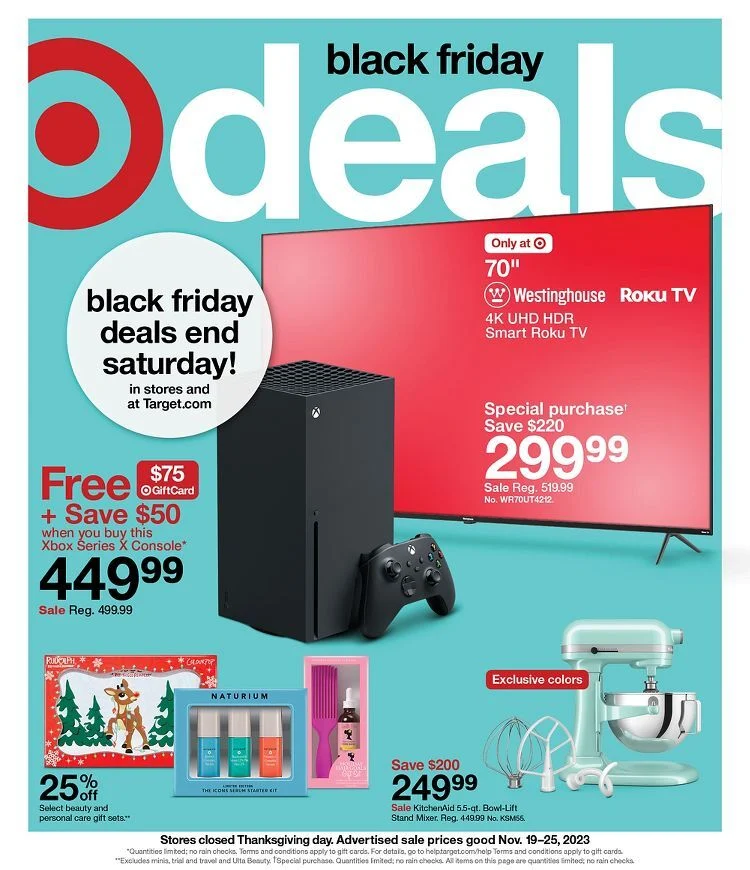
Image Source: Black Friday
This environment creates both opportunities and challenges for D2C brands to capture attention and convert browsers into buyers.
When is Black Friday 2026?
Black Friday 2026 falls on Friday, 27 November 2026. Cyber Monday follows on Monday, 30 November 2026.
While the day itself is essential, savvy D2C brands understand that the Black Friday event is no longer confined to just one day. Black Friday always falls on the day after US Thanksgiving, which is the fourth Thursday of November — so the date shifts each year between 23 and 29 November.
Black Friday 2026: Key Dates
| Event | Date | What typically happens |
|---|---|---|
| Early Black Friday deals begin | Early November 2026 | Most major retailers open promotions well before the day itself |
| Thanksgiving | Thursday, 26 November 2026 | Deals go live the evening before Black Friday |
| Black Friday | Friday, 27 November 2026 | Peak single-day discounting and traffic |
| Small Business Saturday | Saturday, 28 November 2026 | Relevant to smaller D2C brands positioning against mass retail |
| Cyber Monday | Monday, 30 November 2026 | Online-focused, historically strong for electronics and D2C |
| Cyber Week | 27 Nov – 30 Nov 2026 | The full period brands should plan around, not just the Friday |
Winning Strategies for D2C Brands this Black Friday 2026
Many businesses begin offering promotions as early as the first week of November, leading to an extended shopping period known as “Black Friday days.” This strategy capitalizes on the buildup to Black Friday, Thanksgiving weekend, and Cyber Monday, giving brands multiple touchpoints to connect with consumers.
Strategy #1: Leveraging Digital Shelf Analytics
The digital shelf encompasses the online space where your products appear, including on your website, e-commerce platforms, and even on social media.
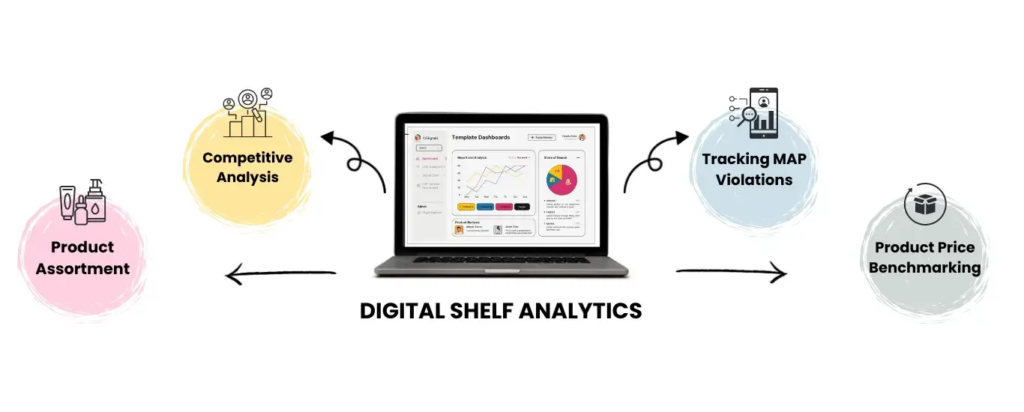
These virtual “shelves” are now just as important, if not more so, than their physical counterparts. Understanding how your products perform in this space is critical to ensuring you’re capturing attention during Black Friday 2025.
Why Digital Shelf Analytics Matter:
- Visibility and Placement: Shoppers on Black Friday are bombarded with countless deals. The brands that succeed are the ones whose products are visible and easy to find. Digital shelf analytics allow you to track how your products rank in search results, what keywords drive traffic to your listings, and where there may be gaps in your visibility.
- Content Optimization: Product listings that are optimized for search and user experience can make a significant difference in conversion rates. High-quality images, detailed product descriptions, and reviews all contribute to a better digital shelf presence. By using analytics, you can identify which elements of your product pages are underperforming and make the necessary adjustments before Black Friday.
- Competitive Benchmarking: Knowing where your brand stands relative to your competition is crucial. Digital shelf analytics offer insights into your competitors’ pricing strategies, promotions, and customer engagement, giving you the information you need to make real-time adjustments.
Strategy #2: Smart Product Pricing and Discounts
Competitive product pricing is central to Black Friday’s success. While slashing prices is a hallmark of Black Friday deals, it’s essential for D2C brands to be strategic rather than reckless. Offering deep discounts can drive volume, but without proper planning, it can also erode margins.
Best Practices for Pricing During Black Friday 2025:

Image Source: Black Friday Stores
1. Dynamic Pricing: Dynamic pricing, which adjusts product prices in real time based on market demand, is a powerful tool during the Black Friday period.
This strategy ensures you’re not leaving money on the table by discounting too heavily or losing out on sales by pricing too high. Automated tools that monitor competitor pricing can help implement dynamic pricing strategies effectively.
2. Bundling and Upselling: Instead of simply discounting individual products, consider offering bundled deals.
This approach not only increases your average order value but also helps move slower-selling inventory.
For example, if you’re a D2C home goods brand, you could create bundles that offer complementary products, such as a discount on a lamp when purchased with a set of pillows.
3. Limited-Time Offers and Flash Sales: One of the most effective ways to drive urgency during Black Friday is to create a sense of scarcity.
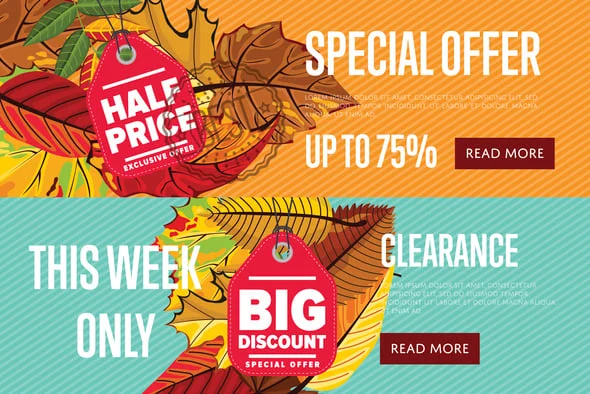
Image Source: Hubspot
Flash sales or limited-time offers work particularly well in grabbing consumer attention and encouraging quick purchases. Use this strategy to highlight key products that you want to push to the forefront.
4. Value Over Price: While discounting is important, not all shoppers are purely price-driven.
For some D2C brands, especially those in higher-end home goods or niche markets, emphasizing value is more effective than competing on price alone.
Offering free shipping, extended warranties, or exclusive gifts with purchase can help differentiate your brand during the busy Black Friday days in 2026.
5. Protecting Margin While Discounting: The risk in Black Friday pricing is not only discounting too deeply by choice — it is discounting too deeply by accident. When platform promotions, seller-level repricing, coupon stacking, and card-partner offers apply on top of each other, the effective advertised price on a listing can fall below the floor you intended without anyone deciding to put it there. For brands selling through resellers or marketplaces, that means the discount you approved and the price a customer actually sees can be materially different. Setting a hard price floor and monitoring the effective price across every channel through the sale — rather than reconciling it afterwards — is what separates a profitable Black Friday from a high-volume, low-margin one.
Strategy #3: Targeted Marketing and Personalization
With so many brands vying for attention during Black Friday, one-size-fits-all marketing won’t cut it. D2C brands have the advantage of having a direct relationship with their customers, and personalization is key to capitalizing on that connection.
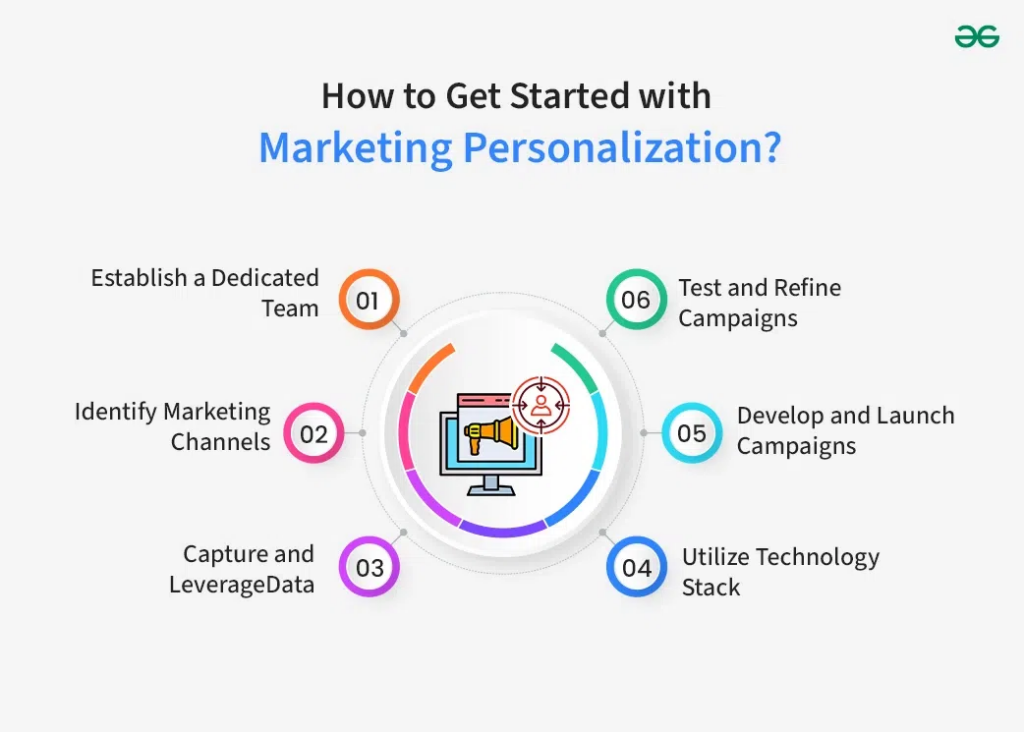
Image Source: Geeks for Geeks
Marketing Strategies for Black Friday 2026:
1. Segmented Email Campaigns: Email remains one of the highest-converting marketing channels for D2C brands, especially during sales events like Black Friday.
To maximize effectiveness, segment your email list based on customer behavior, purchase history, or preferences.
For instance, offer exclusive early access to loyal customers or send product recommendations based on previous purchases.
2. Social Media Ads and Influencers: Social media platforms will be flooded with Black Friday deals, so it’s essential to stand out. Paid ads with targeted messaging and engaging visuals can help capture attention.
Influencer partnerships can also provide a boost, particularly when influencers promote your products in an authentic, engaging way. This is especially valuable for D2C brands in lifestyle categories like fashion or home goods.
3. Retargeting Ads: During the Black Friday period, many shoppers will browse multiple sites before making a purchase decision.
Retargeting ads are a crucial tool for keeping your products top of mind. Using dynamic retargeting, you can show personalized ads featuring the exact products consumers viewed on your site, increasing the likelihood of conversion.
4. Loyalty Programs and VIP Perks: Rewarding loyal customers can be a game-changer during Black Friday 2026.
Consider offering VIP access to sales, early shopping windows, or bonus loyalty points for purchases made during the Black Friday weekend. These incentives not only drive sales but also foster brand loyalty long after the shopping season ends.
Strategy #4: Preparing for High Demand and Operational Efficiency
A surge in traffic and orders during Black Friday 2026 means your operations need to be finely tuned. The last thing you want is to attract customers with amazing deals only to falter on fulfillment or customer service.

Image Source: Big Commerce
Operational Tips for Black Friday 2026:
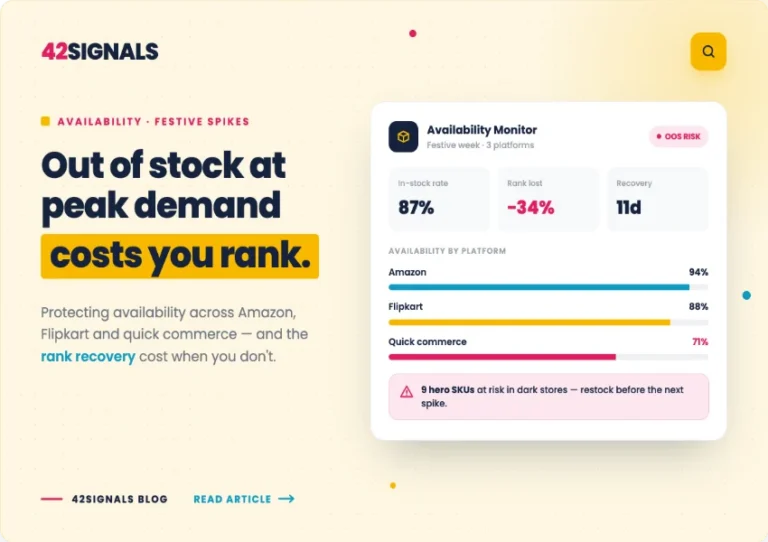
- Inventory Management: Ensure you have adequate stock of your most popular products, but also have a plan in place for quick replenishment. Tools that track inventory in real time can help you avoid costly out-of-stock situations. The cost of a Black Friday stockout is higher than the lost sales, because search platforms demote out-of-stock listings and the rank does not return automatically when inventory does. A product that sells out on the Friday morning is competing from a lower position through Cyber Monday, against competitors who held stock and kept accumulating the sales signals that determine ranking. Detecting a stockout within hours rather than at the end of the day is the difference between a gap and a hole.
- Website Performance: A slow or crashing website is a surefire way to lose sales. Make sure your website is optimized to handle the spike in traffic, with fast load times and a seamless checkout experience.
- Customer Service Readiness: Anticipate an influx of customer inquiries and returns during the Black Friday season. Prepare your customer service team with clear return policies and train them to handle the volume quickly and efficiently.
Strategy #5: Protecting Your Digital Shelf Through Cyber Week
Everything above is about attracting demand. This is about not losing ground while you do it. Three pressures spike during Cyber Week that barely register the rest of the year, and all three are cheaper to prevent than to fix mid-sale.
Stockouts cost rank, not just revenue
Black Friday concentrates a month of demand into four days. A SKU with comfortable cover on paper can sell through in hours once it enters a flash deal or a homepage placement. The lost sales are visible; the ranking damage is not. Out-of-stock listings get demoted, and recovery means rebuilding sales velocity from a lower position through the exact window when competitors are accumulating signals daily. Tracking availability at SKU level continuously through the sale, rather than reading inventory reports at end of day, is what keeps a sell-out from becoming a two-week ranking problem.
Price floors break when discounts stack
Cyber Week is when pricing discipline is hardest to hold, because legitimate discounting provides cover for prices that were never approved. Marketplace repricing, retailer promotions, coupon stacking, and card-partner offers combine in ways that are difficult to see from inside a single channel. For brands selling through resellers, the price a customer sees can sit well below the floor the brand set, and the anchor persists after the sale ends, while the retailers who held the line watch volume move elsewhere.
Share of search compresses when the whole category bids
Every brand in your category is competing for the same placements in the same week. Paid costs rise as bidding intensifies, and organic positions reshuffle daily as sales velocity reorders rankings. A brand holding a comfortable share of category results in October can find it materially reduced by the Saturday — and usually will not notice, because absolute traffic is up even while relative position falls. Tracking share of search against competitors through the period, rather than tracking your own traffic in isolation, is the difference between gaining ground during Black Friday and simply riding the category tide.
The preparation window
Four to six weeks out, in order:
- Validate stock cover against forecast demand at SKU level, with extra headroom on anything entering a flash deal or featured placement.
- Set and communicate price floors across every channel and reseller before promotions begin, so breaches during the sale stand out against a clean baseline.
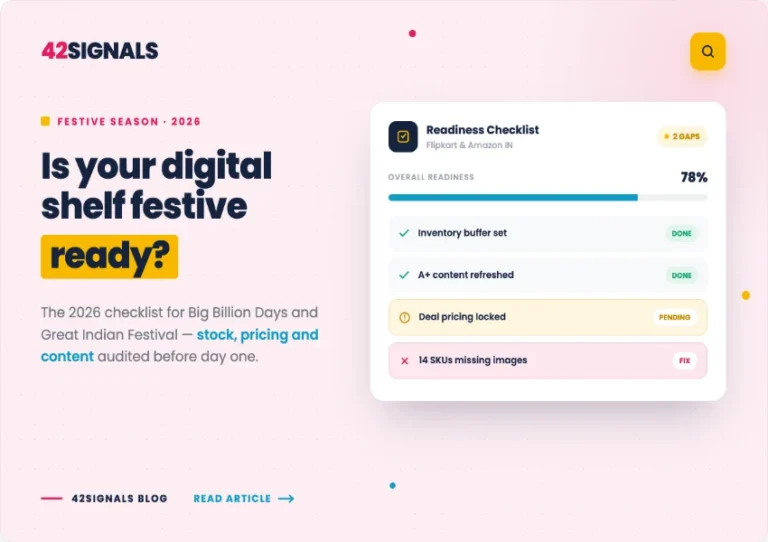
- Audit listing content — titles, images, key attributes — because errors cost most when traffic is at its annual peak.
- Establish a share-of-search baseline on priority keywords so movement during Cyber Week is measurable rather than inferred.
- Set alert thresholds that surface problems within hours. In a four-day event, a problem found on Sunday ran for most of the sale.
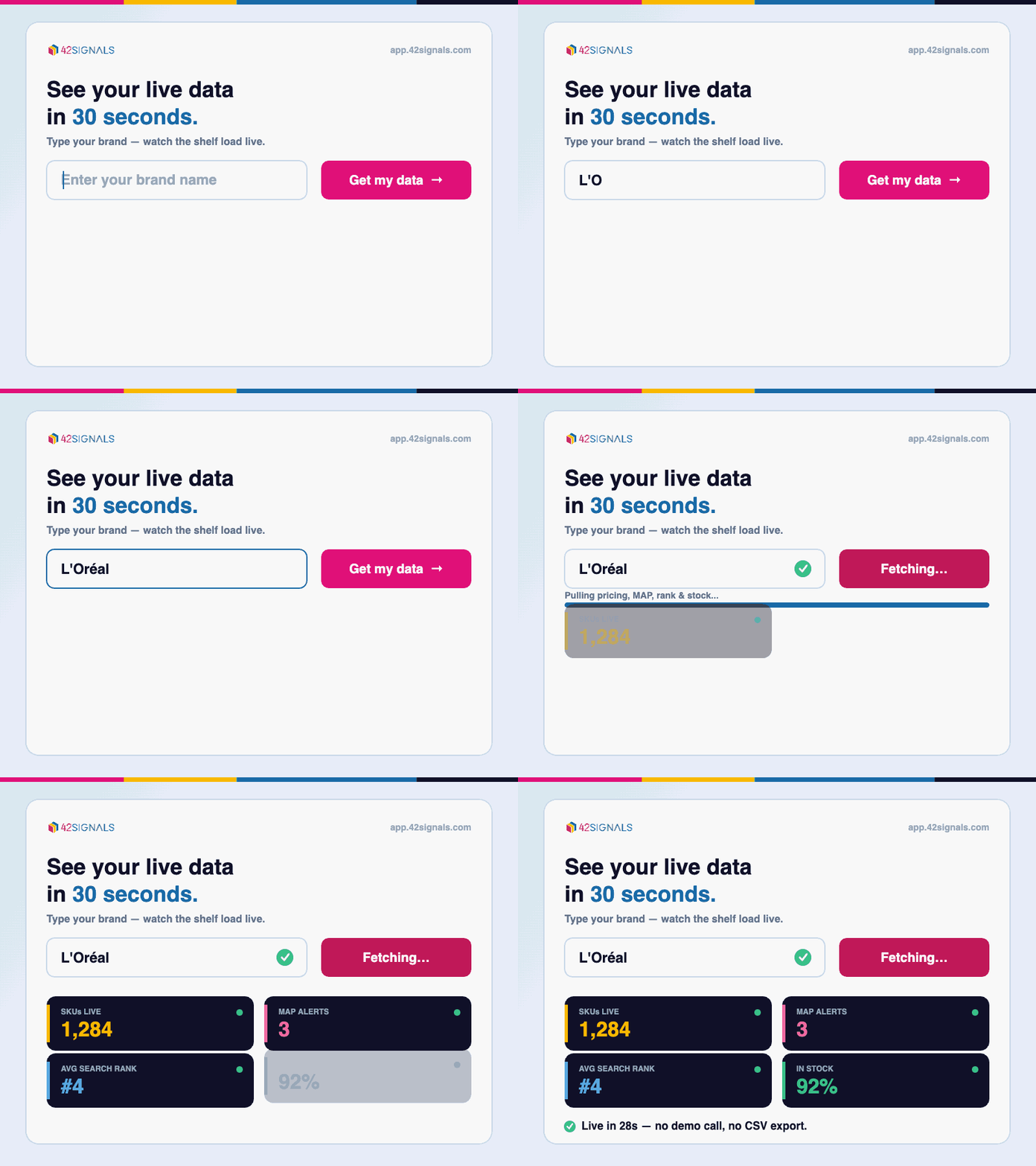
42Signals monitors availability, pricing, and price-floor compliance, competitor movement, and share of search in real time across Amazon, Walmart, and direct retail channels so issues during Cyber Week surface while there is still sale left to act on.
Conclusion
Black Friday 2026 is a golden opportunity for D2C brands, but success requires thoughtful preparation and a solid strategy.
The right approach backed by analytics can be a game changer for newer brands with first-time experiences as well as older brands to refine marketing, operations, and pricing data.
With Black Friday week extending well beyond the traditional one-day event, the time to prepare is now, not the week before. Book a demo to see where your category stands going into Black Friday 2026: stock risk on your top SKUs, price-floor exposure across your channels, and where your share of search sits against your competitors right now.
Frequently Asked Questions
When is Black Friday 2026?
Black Friday 2026 falls on Friday, 27 November 2026. It always lands on the day after US Thanksgiving, which is the fourth Thursday of November, so the date moves each year between 23 and 29 November. Cyber Monday 2026 follows on Monday, 30 November. In practice, most major retailers open Black Friday promotions in early November, so the effective shopping period runs for several weeks rather than a single day.
When does Cyber Monday 2026 fall?
Cyber Monday 2026 is Monday, 30 November 2026 — the Monday immediately following Black Friday. It was originally created to capture online shopping after the in-store Black Friday rush, and although the distinction has largely collapsed as Black Friday moved online, Cyber Monday still tends to over-index on electronics, software, and D2C brands relative to the Friday itself.
How should D2C brands prepare for Black Friday 2026?
Preparation should begin four to six weeks out. The sequence most brands follow: validate stock cover against forecast demand at SKU level, with extra headroom on products likely to enter a flash deal; set and communicate price floors across every channel and reseller before promotions start; audit listing content so that errors are fixed before traffic peaks rather than during it; establish a share-of-search baseline on priority keywords so competitive movement during the sale is measurable; and set alert thresholds that surface problems within hours, since in a four-day event a problem found late has already run for most of the sale. The brands that perform well during Cyber Week did the work in October.
How do brands track competitors during Black Friday?
Competitor tracking through Black Friday needs to run continuously rather than as a periodic check, because pricing and availability change hourly across the period. The four signals worth monitoring: competitor pricing and promotional depth by SKU, so you can see whether a discount is genuine or an inflated ‘was’ price; competitor stock status, since a rival going out of stock is a short window to capture rank and volume; share of search movement, which shows whether you are gaining or losing category visibility while absolute traffic rises for everyone; and content changes on competitor listings, which often signal a repositioning ahead of the sale. Manual checks cannot keep pace with a four-day event this is the case where automated monitoring pays for itself in a single week.
How do you protect margin during Black Friday discounting?
The margin risk during Black Friday is rarely the discount you approved — it is the discount that assembles itself. Marketplace repricing, retailer promotions, coupon stacking, and card-partner offers apply on top of one another, and the effective advertised price a customer sees can sit well below the floor you set without any individual party deciding to breach it. Three practical controls: define a hard price floor per SKU and communicate it to every channel and reseller before promotions begin; monitor the effective price — including coupons and stacked offers, not just the listed price — across every channel through the sale; and treat a breach as something to correct during the sale rather than reconcile afterwards, because the price customers saw becomes the anchor they carry into December.