
** TL;DR **
Picture this: You check your inventory dashboard. Red “low stock” warnings blink beside your top sellers, while shelves overflow with products nobody’s buying. You slash prices just to clear space. Sound familiar? That can be the reality for many ecommerce businesses today.
Terrified of stockouts (which crush sales and customer trust), we’d over-order. But demand? Unpredictable. A competitor’s sale, a viral tweet, a heatwave—anything could flip sales overnight. Result? Cash trapped in dead stock, profit-killing clearance sales, and a warehouse bursting with dust collectors. Ecommerce inventory management is generally reactive, messy, and inefficient.
Ecommerce Inventory Management: Stockouts vs Stale Stock
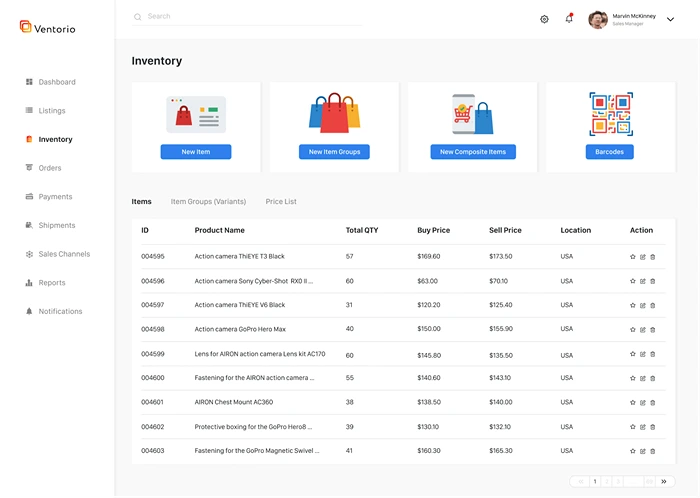
Image Source: DDI Dev
The core issue most brands face is that pricing and inventory live in in separate silos. Prices are set by gut instinct, competitor glances, or rigid formulas—not real-time market pulses.
From the perspective of one of our clients, a massive food and beverage company selling on multiple marketplaces had similar problems. Here’s their story
The Overstock Abyss: Products initially hailed as “winners” gradually turned into costly anchors. We’d miss subtle but crucial signals that demand was cooling – maybe a competitor permanently lowered their price, or a newer, shinier alternative hit the market. Instead of adjusting, we’d stubbornly cling to our original price point, hoping sales would rebound. By the time we faced reality, we were buried under excess stock. The only escape? Deep, margin-crushing discounts that felt like failure. This wasn’t just about lost profit on those items; it was capital–thousands of dollars–locked away, unavailable for investing in new winning products or effective marketing campaigns. It felt like pouring money into a black hole.

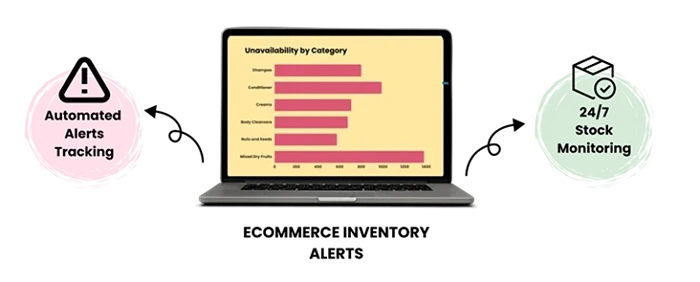
Image Source: 42Signals stock availability analytics
The Stockout Nightmare & Customer Fallout: Conversely, when an item suddenly caught fire – maybe a key influencer gave it an unexpected shoutout, or a major competitor completely ran out – we were usually the last to know. We’d see a sharp sales spike far too late, scramble desperately to reorder, and then face the dreaded “Out of Stock” status for weeks. Customers, ready to buy right now, would bounce to competitors instantly. The damage went beyond that single lost sale. It eroded hard-earned customer loyalty. “If they’re always out of what I want, why bother checking their site first?” became a silent customer sentiment we feared. Our attempts at stockout prevention were essentially frantic guesswork and reactive scrambling. Maintaining consistent, reliable product availability, the bedrock of customer satisfaction, felt like an impossible dream.
The Cash Flow Chokehold: The most suffocating part? The financial whiplash. Money was constantly frozen in slow-moving inventory, acting as a dead weight on our balance sheet. Yet, when a genuine fast-mover emerged, we often lacked the readily available cash to aggressively replenish it before hitting another stockout.
Pricing Intelligence: The F&B Brand’s Market Radar for ECommerce Inventory Management
We ditched spreadsheets for a pricing intelligence tool. Imagine binoculars + a live market map. It scans the digital shelf 24/7, tracking competitor prices, our rankings across platforms, and market tremors. True digital shelf analytics means seeing everything: visibility, promotions, availability, and where shoppers browse.
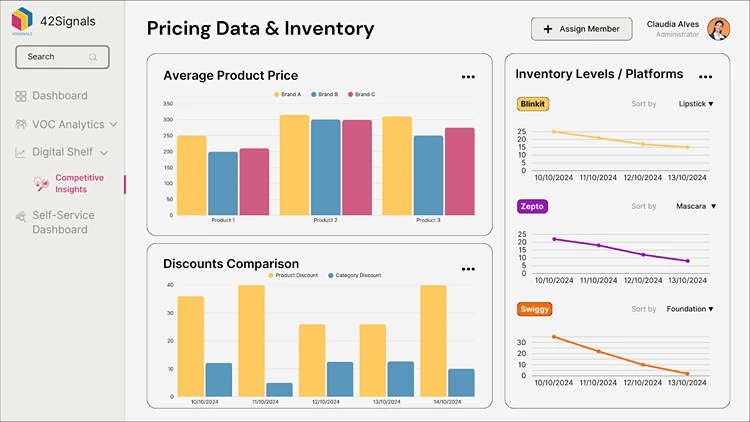
Pricing intelligence automates price tracking that no human could handle. AI crunches data, spits out insights, and—critically—integrates with inventory systems for automated repricing.
Here’s what changed:
- Live Competitor Intel: No more manual checks. Instant alerts if rivals dropped prices or ran promos on competing products. Even spotted their stockouts (golden opportunities!).
- Demand Sensing Became Science, Not Guesswork: By intelligently analyzing competitor price movements alongside our own real-time sales velocity data and incorporating external demand signals (like localized events, trending searches, or even weather patterns impacting certain products), the system started painting a dramatically clearer, real-time picture of actual demand elasticity. How sensitive were customers right now to a $2 price change on this specific item? We moved from guessing to knowing.
- Data became the Decider, Gut Feeling Took a Backseat: Pricing decisions shifted dramatically. Recommendations were now grounded in hard data – the competitive landscape, our defined margin guardrails, current inventory levels (both on-hand and inbound), and real-time sales velocity. We could finally set sophisticated, strategic rules.
This wasn’t just about winning the buy box on Amazon (though that helped); it was about gaining a comprehensive, real-time understanding of the entire market context to make vastly smarter inventory procurement and management decisions upstream.
The Breakthrough Moment: Wiring Price Directly to the Warehouse
The real transformation, the moment the “magic” truly ignited, happened when we tightly integrated our pricing intelligence platform directly with our core ecommerce inventory management system. This closed-loop connection is where theory collided powerfully with tangible, daily operational results. It fundamentally transformed pricing from a purely commercial lever (focused solely on revenue and margin) into a potent inventory management tool actively working to optimize stock health.
Here’s exactly how pricing intelligence started helping with our ecommerce inventory management:
- Proactive, Demand-Stimulating Discounts for Slow Movers: Instead of waiting for items to become clearance-rack desperate, the system flagged products showing both high stock levels and declining sales velocity. It then recommended strategic, small price drops early. The goal? Stimulate just enough incremental demand to clear the excess stock faster, before it becomes aged and requires drastic, profit-killing discounts. This was proactive inventory health management. *Real Example: Post-holiday season, we were stuck with 500 units of premium pumpkin string lights – a clear seasonal laggard. Our old approach? Let them sit until summer, then clear them at 70% off.
The new way? The system detected slowing sales velocity and competitor markdowns. It triggered an automated 12% discount recommendation. We sold through the entire batch in under 3 weeks, recovered significantly more margin, and freed up valuable warehouse space for incoming spring products.*
- Strategic Price Increases: The Smart Stockout Shield & Margin Protector: When real-time inventory alerts flashed for a hot-selling item (e.g., stock drops below a 15-unit threshold) and sales velocity remained high or even accelerated, the system recommended modest price increases. This served two incredibly valuable purposes simultaneously:
- Effective Stockout Prevention: Increasing the price slightly acted like a pressure valve, instantly dampening immediate demand intensity. This bought us absolutely crucial time (often 3-7 vital days) for our replenishment orders to arrive. Instead of a frantic “Out of Stock” scenario, we maintained product availability, kept the listing active, and captured sales, just at a slightly slower, manageable pace. This was stockout prevention powered by intelligence, not panic.

- Per-Unit Margin Optimization: We captured significantly higher revenue and profit on the remaining units while demand was still hot. Instead of selling the last 10 units at the old price, we sold them at a 5-8% premium, boosting the overall profitability of that entire SKU batch. This extra margin often helped offset the costs of faster shipping for the replenishment stock.
- Velocity-Based Tiered Pricing for Granular Control: We evolved beyond one-size-fits-all pricing. We started segmenting our entire catalog based on real-time sales velocity (e.g., Fast Movers: >10 units/day, Medium: 2-10 units/day, Slow: <2 units/day). Each tier had tailored pricing rules:
- Fast Movers: Frequent, smaller price adjustments (e.g., +/- 1-3%) based on tight competitor monitoring and stock thresholds. Focus: Maximize competitive position and margin while preventing stockouts.
- Medium Movers: Less frequent adjustments, often tied to specific stock level triggers or competitor promotions. Focus: Balance turnover and margin.
- Slow Movers: Rules focused primarily on liquidation thresholds and competitor clearance pricing. Focus: Minimize loss and free up capital/space.
This tiered approach made our ecommerce inventory management infinitely more precise and efficient, allocating pricing effort where it mattered most.
The Tangible Results: Numbers That Told the Story
So, did all this tech and integration actually translate into real business results? Did it move the needle beyond just feeling better? Absolutely. The hard numbers we tracked religiously tell the most compelling story:
- Inventory Turnover Velocity Skyrocketed: Within just 9 months of achieving full integration between our pricing intelligence and ecommerce inventory management systems, our overall inventory turnover ratio surged by a remarkable 25%. This meant we were selling through and replacing our entire inventory significantly faster. The cash conversion cycle shortened dramatically. Capital previously locked away in stagnant stock was now flowing back into the business much quicker, fueling vital growth initiatives like new product development and marketing experiments we could finally afford.
- Stockout Events Plummeted: The constant nightmare of dreaded “Out of Stock” pages? We witnessed a dramatic 62% reduction in stockout events across our core product lines. Our stockout prevention strategy, powered by intelligent, automated pricing actions triggered directly by real-time inventory alerts, became incredibly effective. Customers consistently found our key products available when they wanted to buy. This directly boosted conversion rates and customer retention metrics.
- Excess & Obsolete Inventory Burden Shrank: By proactively repricing slow-movers based on data signals early, rather than waiting for dire straits, we successfully reduced our levels of excess and obsolete inventory by 18% year-over-year. Fewer fire sales meant significantly healthier margins on the products we did need to clear. The warehouse felt less like a graveyard and more like a dynamic hub.
- Improved Margin Stability & Health: While the primary goal was inventory optimization, a powerful positive side effect emerged: more stable and often improved gross margins. We were discounting far less reactively (saving margin) and capturing more value during periods of peak demand through strategic price increases on constrained stock. The pricing tool paid for itself not just in inventory savings, but in direct margin enhancement.
Key Takeaways & Your Action Plan for ECommerce Inventory Management
Our hard-won experience solidified a fundamental truth for any e-commerce business: Price and inventory are not isolated battles; they are deeply interconnected, constantly interacting forces. Managing them separately is a recipe for waste and stress. Ignoring this critical link is incredibly costly.
- Use Price Proactively as a Demand Management Tool: Price isn’t just about capturing value at checkout; it’s a powerful, real-time lever to actively manage demand. Use small, timely price adjustments strategically: Stimulate demand to clear slow stock before it becomes obsolete, or gently moderate demand on critically constrained items to act as an effective stockout prevention shield while replenishment arrives.
- Treat Inventory Alerts as Strategic Triggers, Not Just Panic Buttons: Inventory alerts shouldn’t only signal the need to reorder. They should automatically trigger a pricing review. Low stock on a fast mover? Consider a strategic price bump. High stock on a laggard with slowing sales? Test a timely, targeted discount.
- Continuous Optimization is Non-Negotiable: Market dynamics, competitor behavior, and customer preferences shift constantly. This isn’t a “set your rules and forget it” solution. It demands ongoing monitoring, regular analysis of results, and a willingness to continuously refine your pricing rules and inventory thresholds. Quarterly reviews are a minimum.
Ready to Transform Your Inventory Game?
If our story resonates – if you’re exhausted by the constant stockout scramble, demoralized by the clearance rack blues, and frustrated by cash trapped in stagnant stock – it’s time to seriously explore how pricing intelligence could revolutionize your own ecommerce inventory management.
Audit –
- How disconnected are your pricing and inventory decisions today? Are they based on the same real-time data?
- How reactive are your markdowns? Are you discounting out of desperation or strategy?
- How often do inventory alerts genuinely surprise you? Are you constantly firefighting?
- What’s your current inventory turnover ratio? Honestly, could it be significantly better? What’s the cost of it not being better?
Try 42Signals today to manage inventory well without the hassle of manual work.
Frequently Asked Questions
What is e-commerce inventory management?
E-commerce inventory management is the process of tracking, organizing, and controlling stock levels for online sales channels. It ensures that the right products are available in the right quantities at the right time to meet customer demand while avoiding overstocking or stockouts.
This involves everything from receiving inventory and storing it, to updating stock counts in real-time across platforms like Amazon, Shopify, or WooCommerce. Efficient inventory management helps e-commerce businesses minimize holding costs, reduce waste, and improve order fulfillment speed and accuracy.
What are the four types of inventory management?
There are several inventory strategies, but these four types are most commonly used in both traditional and e-commerce settings:
- Just-in-Time (JIT) – Stock is ordered and received only when needed to fulfill orders, minimizing storage costs.
- First-In, First-Out (FIFO) – The oldest inventory is sold first, which is especially useful for perishable goods or fashion items.
- ABC Analysis – Inventory is categorized based on value and importance (A = high value, B = moderate, C = low), allowing for priority control.
- Dropshipping – Products are only purchased and shipped after a customer places an order, with no inventory held by the seller.
Each model serves a different type of business depending on product type, sales volume, and operational capacity.
What is the inventory model of e-commerce?
The inventory model of e-commerce refers to how an online business sources, stores, and delivers its products. Common models include:
- Stock-based model – The business purchases inventory in advance and manages its own warehouse.
- Dropshipping model – Products are shipped directly from the supplier to the customer without being held by the seller.
- Third-party logistics (3PL) – Inventory is stored and fulfilled by a third party (e.g., Amazon FBA).
- Print-on-demand – Products are created and shipped only after a customer places an order, often used for apparel and merchandise.
Choosing the right model depends on factors like budget, growth stage, product type, and desired control over logistics.
What are the 5 steps of inventory management?
Here are five key steps to effective inventory management in e-commerce:
- Forecast demand – Use sales data and trends to predict how much inventory you’ll need.
- Track inventory levels – Monitor stock in real-time across all channels using inventory management software.
- Reorder smartly – Set reorder points and automate alerts to avoid stockouts or overstocking.
- Organize storage – Use systems like barcoding, batch tracking, or warehouse zones to keep stock easily accessible.
- Review and optimize – Regularly audit inventory, analyze turnover rates, and adjust based on performance and seasonality.
These steps help streamline operations, reduce costs, and improve the customer experience.