

** TL;DR ** Competitive conquesting is a strategic marketing approach focused on targeting your competitors’ high-intent customers through tactics like paid search ads on their brand keywords and creating SEO content that positions your product as a superior alternative. The key to success lies in a data-driven and ethical strategy: conduct deep competitor research to identify their weaknesses, craft messaging that highlights your unique differentiators without disparaging others, and direct traffic to highly relevant landing pages. When executed properly, this method efficiently captures valuable market share by intercepting customers already in the decision-making phase, but it must be continuously measured through metrics like conversion rate and cost-per-acquisition to ensure a positive return on investment.
Let’s talk about growth. In a perfect world, your sales pipeline would always be full of eager prospects who discovered your brand and never looked back. But the reality of business is often different. Markets become crowded. Customer attention fragments. After you’ve captured the low-hanging fruit, you’re left with a tougher question: where does your next wave of customers come from? The answer lies in competitive conquesting.
One of the most potent answers lies not in the broader market, but in a focused direction: your competitors’ client lists. This isn’t about corporate espionage or negative campaigns. It’s about a sophisticated marketing discipline known as competitive conquesting. When executed with precision and ethics, it’s a powerful lever for market share acquisition.
This guide moves beyond the basic theory. We will explore the operational blueprint for a successful competitor conquesting strategy, dissecting the channels, messaging, and measurement required to turn competitive intelligence into tangible growth. We’ll examine how to leverage tools like 42Signals for insight and translate that data into campaigns that resonate.
Beyond the Buzzword: What Competitive Conquesting Really Means
At its core, competitive conquesting is a targeted approach designed to attract customers who are already in an active evaluation process with your competitors. It’s a strategy built on a simple premise: the easiest customer to convert is one who has already decided they need a solution you provide.
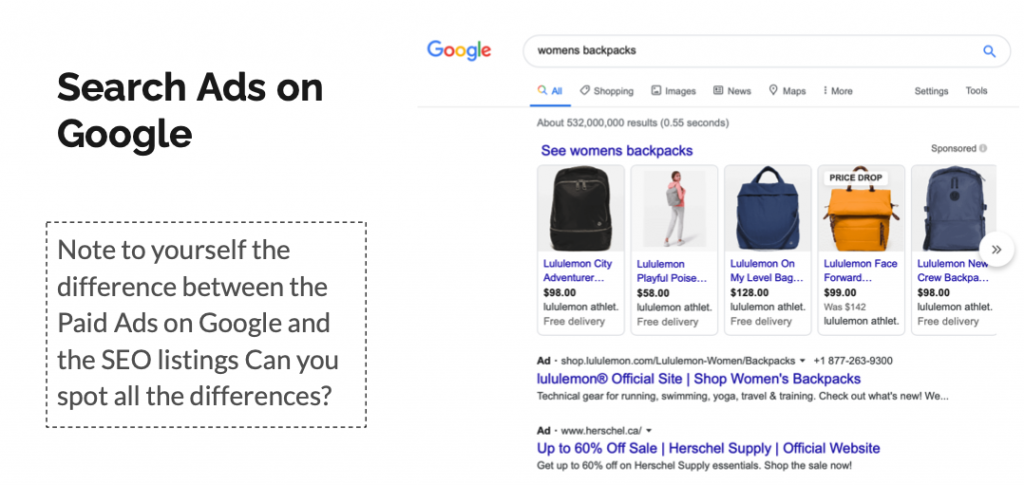
Image Source: Gemini Advanced Marketing
The mechanism is intercepting intent. A user searching for “Competitor X pricing” or “Competitor Y reviews” is broadcasting a high level of commercial intent. They are well down the path to a purchase. Competitive conquesting allows you to place your solution directly on that path, offering a compelling alternative at the precise moment they are making a decision.
It is critical to distinguish this from mere mudslinging. Unethical conquesting involves misleading claims or derogatory comparisons. The professional approach, which we advocate, is entirely different. It involves a confident presentation of your differentiators—your superior support, a unique feature, or a more flexible pricing model—to an audience that is primed to appreciate it. It’s less about why they are wrong and more about why you are the right choice.
Conquesting Definition and Meaning
So, what does conquesting mean in marketing? In simple terms, conquesting definition is the practice of targeting your competitors’ customers or prospects to win them over. Conquesting in marketing is often executed through conquesting advertising, where you place your brand message in spaces your competitors occupy, such as bidding on their branded keywords. When asked what is conquesting, it’s essentially a proactive move to capture market share by directly appealing to an audience already engaged with a rival. This conquesting meaning extends beyond ads to include content, pricing, and sales tactics. Conquest marketing definition sums it up as any strategy designed to “conquer” competitor territory.
Glossary of Conquesting Terms
To help you navigate the terminology around this strategy, here’s a quick reference guide.
| Term | Definition |
| Conquesting | The practice of targeting a competitor’s audience to win them over. |
| Competitor Conquesting | A specific strategy where you aim to capture market share from rivals through ads, content, or promotions. |
| Conquesting Advertising | Ads placed in spaces where competitors are present, such as bidding on their brand keywords. |
| Conquesting Campaign | A focused marketing effort designed to attract customers from competitors. |
| Conquest Customer | A buyer who was previously loyal to a competitor but switched to your brand. |
| Conquest Targeting | Using audience segments defined by competitor engagement (e.g., users who follow a competitor on social media). |
| Search Conquesting | Bidding on competitor keywords in search engines to appear when prospects search for rival brands. |
| Conquest Strategy | A broader plan that includes pricing, product, and distribution tactics to win over competitor customers. |
The Compelling Business Case for a Conquesting Strategy
Why dedicate budget and resources to this specific tactic? The justification isn’t based on guesswork; it’s rooted in the superior performance metrics of targeting high-intent audiences.
Reaching Prospects with Proven Purchase Intent
The fundamental advantage is audience quality. Marketing to someone who is searching for a generic industry term is a shot in the dark. Marketing to someone searching for a specific competitor’s name is a targeted intervention. This audience has moved past the “what is this?” phase and is deep into the “which one should I buy?” phase. According to analysis by WordStream, campaigns targeting branded keywords—which include your competitors’ names—can see conversion rates double those of generic campaigns. This directly translates to a higher return on ad spend, even if the cost-per-click is elevated.
Strategic Brand Positioning in a Crowded Market
There is a profound psychological impact to appearing alongside established competitors. For a newer or lesser-known brand, it’s an immediate credibility booster. It signals to the market that you are a serious player and a viable alternative. This brand-building effect is intangible but invaluable, ensuring you are part of the conversation during the critical final stages of the buyer’s journey.
Optimizing Marketing Efficiency and CAC
While the auction dynamics for competitor terms can be competitive, the efficiency of these campaigns often justifies the investment. By focusing on users with a demonstrated readiness to buy, you effectively shorten the sales cycle and improve the productivity of your sales team. The cost-per-acquisition (CPA), when measured against the lifetime value of a customer acquired through this channel, frequently proves to be highly efficient, optimizing your overall customer acquisition cost (CAC).
Ready to Take the Next Step?
See how our solutions can help you achieve your goals and drive measurable results.
Building Your Conquesting Campaign: A Four-Phase Framework
A successful conquest is not launched on a whim. It requires meticulous planning, deep research, and strategic execution. Here is a structured approach to building your framework.
Phase 1: Intelligence and Target Identification
The first step is strategic prioritization. Not every competitor is a valuable target. Create a matrix to evaluate your competitors based on their market share, audience overlap, share of search analytics and—most importantly—their vulnerabilities. A large competitor with poor customer service reviews might be a more lucrative target than a smaller one with a stellar reputation.
This is where competitor price monitoring with 42Signals becomes indispensable, moving you from assumptions to data-driven insights.

Image Source: Above the Fold
Phase 2: Deep-Dive Competitive Analysis
You cannot craft a compelling message without understanding what you’re up against. This phase is about gathering actionable intelligence.
- Product & Feature Gap Analysis: Where does your product excel where theirs falls short?
- Pricing & Packaging: Is your model more transparent or offer better value? Figure it out with price benchmarking analytics.
- Voice of Customer: What are their customers complaining about in reviews? What do they praise? This is your blueprint for messaging. Understand this data with customer review analytics.
Phase 3: Multichannel Channel Selection
Your audience is researching across multiple touchpoints. Your presence should be, too.
- Paid Search Conquesting: The most direct method. This involves competitor keyword bidding on search engines for terms containing their brand names and related queries.
- SEO Conquesting: A long-term, organic play. Create comprehensive, valuable content that answers comparison questions, such as “Alternatives to [Competitor]” or “[Your Product] vs. [Competitor]: A Detailed Look.”
- Social Media Advertising: Platforms like LinkedIn and Meta allow for powerful brand term targeting. You can serve ads to users who list a competitor as their employer or who have engaged with their social profiles.
Phase 4: Crafting the Winning Message
This is where your intelligence pays off. Your ad copy and landing pages must speak directly to the needs and pain points of your competitor’s audience.
- Lead with Value, Not Attacks: “Tired of hidden fees? Our pricing is all-inclusive.” is better than “Their pricing is terrible.”
- Highlight Your Differentiators: Focus on your key advantages—24/7 support, a specific feature, ease of use.
- Ensure Message-Match: The promise made in your ad must be perfectly reflected on the dedicated landing page. Sending conquesting traffic to your homepage is a critical error. A report by Gartner highlights that personalized landing pages can boost conversion rates by over 300% by creating a seamless and relevant user experience.
The Nuances of Paid Search Conquesting
Image Source: KPU
Paid search conquesting is a high-impact tactic, but it operates with unique nuances that demand attention.
Campaign Structure is Foundational
Isolate your conquesting campaigns. Do not commingle competitor keywords with your own brand terms or generic keywords. Place them in a separate campaign with its own budget. This allows for precise performance tracking and bespoke bidding strategies, giving you complete control over your investment in this channel.
The Art of the Ad Copy and Landing Page
Your ad text must be meticulously crafted to comply with platform policies while being compelling. Avoid using a competitor’s trademarked name in the ad copy itself, as this can lead to disapproval. Instead, use terms like “A Leading Alternative” or “Compare Solutions.” The landing page, however, can be more direct. This is where your detailed comparison content lives, providing the substance to back up your ad’s claim.
Navigating Trademark and Ethical Boundaries
Understanding the rules is non-negotiable. While Google Ads generally allows bidding on competitor trademarks, using them in ad text is typically a violation. Familiarize yourself with the trademark policies of each advertising platform to avoid costly missteps that can get campaigns suspended. Ethical conquesting is a sustainable strategy; trying to game the system is not.
Ready to Take the Next Step?
See how our solutions can help you achieve your goals and drive measurable results.
Building Organic Defense and Offense with SEO Competitor Conquesting
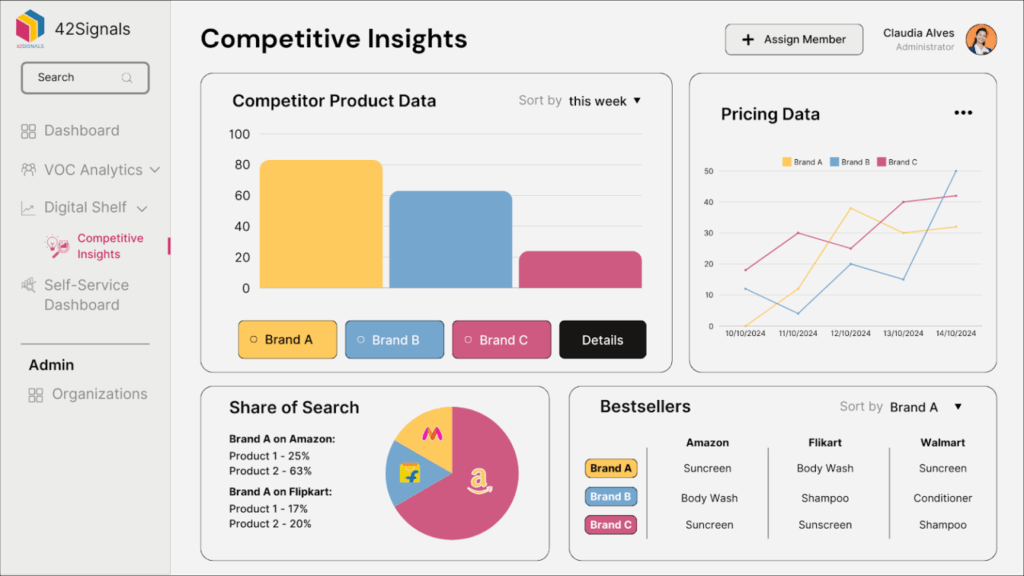
Image Source: 42Signals Competitor Analysis
While PPC offers immediacy, SEO conquesting builds lasting equity. It creates owned assets that work for you around the clock.
Creating Content That Captures Intent
The goal is to become the best answer for comparison queries. This requires creating content that is genuinely useful, not just a sales pitch. A truly effective comparison guide will objectively outline the strengths and weaknesses of both solutions, building trust with the reader. By being honest, you establish authority, making your solution the intelligent choice for a well-informed buyer.
Targeting the “Alternative” Ecosystem
A significant portion of high-intent traffic searches for “alternatives to [Product].” By creating a definitive, well-researched guide to alternatives in your category—where you are, of course, featured prominently—you position yourself as a top contender. This content also has high potential to earn backlinks from industry blogs and publications, further amplifying your domain authority and organic reach.
Expanding the Horizon: Social and Display Tactics
A mature competitor conquesting strategy looks beyond search engines to create a surround-sound effect.
Social Media Targeting
Platforms offer incredibly granular targeting. On LinkedIn, you can target by company name, industry, and job title, allowing you to serve content directly to employees of a target firm. On Facebook, you can create a custom audience of users who have engaged with your competitor’s page. The messaging here can be more brand-oriented, focusing on company culture, vision, and overall value proposition.
Display and Retargeting Campaigns
Using programmatic advertising, you can serve banner ads to users who have recently visited your competitor’s website. This is a powerful way to remain top-of-mind as they continue their research. This tactic, often called site retargeting, is a form of paid search conquesting that works on visual recognition, keeping your brand in the consideration set.
Advanced Conquesting Tactics for 2026
1. Competitor Brand Bidding with Ad Customizers
One of the most direct forms of conquesting Google Ads is bidding on competitor brand terms. To stand out, use ad customizers that dynamically insert your strongest differentiator based on the competitor being searched.
- Example: If you bid on “Acme CRM,” your ad could read: “See why 3,000+ Acme users switched to [Your Brand] for 24/7 support.”
2. Competitive Battlecards for Sales Teams
A competitive battlecard is a one-page reference that equips your sales team with ready-to-use comparisons. When a prospect mentions a competitor, the sales rep can instantly pull up a battlecard with key differentiators, pricing comparisons, and objection-handling scripts. This is a form of conquesting that happens after the click—crucial for converting conquest customers.
3. Retargeting Competitor Website Visitors
Using display and programmatic ads, you can serve conquesting ads to users who have recently visited a competitor’s website. This tactic, often called conquest targeting, keeps your brand visible during the evaluation phase. Pair it with a strong comparison landing page to capture interest.
4. SEO Conquesting with “Versus” Content
Create dedicated pages optimized for high-volume comparison searches like “Your Brand vs. Competitor X.” These pages should be detailed, factual, and include structured data to appear as rich results. Over time, they become evergreen assets that consistently attract search conquesting traffic.
5. Social Media Conquesting with Lookalike Audiences
Upload your competitor’s customer list (where legally permissible) to platforms like Facebook or LinkedIn to create a lookalike audience. Then serve conquesting ads to users who share similar characteristics with your competitor’s customers, effectively targeting their market without direct trademark infringement.
Measuring What Matters: From Clicks to Conversion
To validate your investment, you must measure beyond clicks and impressions. The true metrics of success are tied to conversion and revenue.
Track Conversion Rate and CPA Meticulously
The most telling metric is the conversion rate of your conquesting campaigns. How many of those clicks turn into leads, demos, or sales? Compare this rate to your other marketing channels. Similarly, calculate the cost-per-acquisition (CPA) for this channel. If the CPA is favorable compared to the customer’s lifetime value (LTV), the campaign is a success.
Analyze Assisted Conversions and Account Engagement
In B2B, the path to purchase is rarely linear. Use analytics to see how conquesting campaigns assist in final conversions. Perhaps a user clicked a conquesting ad, then returned later via organic search to convert. For account-based strategies, measure increased engagement from target accounts that were exposed to your conquesting efforts.
SEO Performance Monitoring
For your organic efforts, track the rankings of your comparison pages for target keywords. Monitor the organic traffic to those pages and, most importantly, track their conversion rates. How many users who land on “Your Product vs. Competitor X” become leads? This measures the direct ROI of your content investment.
Measuring Conquesting Success: Beyond Clicks
To determine whether your conquesting campaign is truly delivering, track these advanced metrics:
| Metric | What It Tells You |
| Conquest Rate | Percentage of new customers who were previously using a competitor (measured via surveys or CRM data). |
| Share of Voice on Competitor Keywords | Your ad impression share for competitor brand terms—shows how often you appear when they are searched. |
| Assisted Conquests | Touchpoints from conquesting channels that contributed to a conversion even if not the last click. |
| CPA Difference | Compare cost-per-acquisition for conquesting campaigns vs. generic campaigns. A lower or equal CPA with higher intent makes conquesting efficient. |
| Return on Ad Spend (ROAS) | Revenue generated from conquesting campaigns divided by spend—should be benchmarked against your overall ROAS. |
The Non-Negotiable Principle of Ethical Conquesting
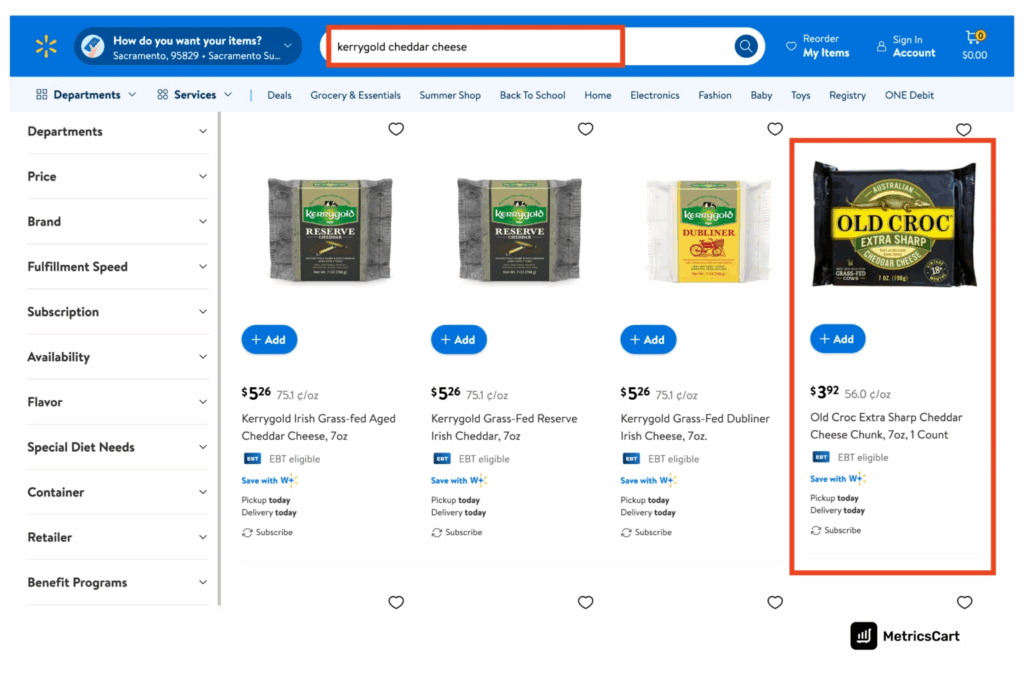
The power of this strategy comes with responsibility. Ethical missteps can cause lasting brand damage.
Competing on Substance, Not Smears
Every claim you make must be factual, verifiable, and fair. Compete on the tangible merits of your product—your technology, your service, your value. Avoid subjective attacks or misrepresenting a competitor’s offering. Winning a customer through honesty builds a foundation for loyalty; winning one through deception poisons the relationship from the start.
Maintaining Professionalism and Respect
The tone of your messaging matters. A respectful, professional tone reflects well on your brand culture. It suggests confidence and integrity. It tells the prospect you are focused on solving their problem, not just on beating the competition. In the long run, your reputation is your most valuable asset.
Ready to Take the Next Step?
See how our solutions can help you achieve your goals and drive measurable results.
Ethical Conquesting: Avoiding Common Pitfalls
While competitive conquesting is a powerful strategy, missteps can damage your reputation or result in ad disapprovals. Here’s how to stay ethical:
- Don’t use competitor trademarks in ad text. Google and other platforms often reject ads that include a competitor’s brand name in the headline or description. Instead, use phrases like “a leading alternative.”
- Avoid false or exaggerated claims. Stick to verifiable facts—feature comparisons, pricing transparency, or independent reviews.
- Don’t scrape competitor data illegally. Use tools like 42Signals that collect publicly available information without violating terms of service.
- Respect privacy. Do not use purchased competitor customer lists for retargeting without explicit permission; instead, rely on lookalike modeling or engagement-based audiences.
Putting It All Together: Your Conquesting Playbook
A successful conquesting strategy involves a coordinated effort across paid search, SEO, social, and sales. Here’s a high-level playbook:
- Research Phase – Use 42Signals or similar tools to identify which competitors have the most overlap with your target audience and where they are vulnerable (e.g., low ratings, missing features).
- Keyword & Content Planning – Build keyword lists of competitor brand terms and comparison phrases. Create dedicated landing pages and comparison guides.
- Campaign Setup – Launch separate conquesting campaigns in Google Ads, with ad groups per competitor. Use ad customizers to tailor messaging. Set up social media conquesting with lookalike audiences.
- Measurement & Optimization – Track conquest rate, CPA, and ROAS. Adjust bids based on performance. Refresh content regularly with ecommerce market intelligence to maintain SEO rankings.
- Sales Enablement – Arm your sales team with battlecards and scripts to convert conquest customers who come through these channels.
Making Conquesting a Core Competency
Competitive conquesting is far more than a clever tactical trick. When integrated into a broader marketing strategy, it becomes a powerful engine for efficient growth. It demands a shift in mindset—from a singular focus on your own market to a nuanced understanding of the entire competitive landscape.
The difference between success and failure in this endeavor is intelligence. Without accurate, timely data on your competitors’ movements, messaging, and weaknesses, your campaigns are built on guesswork. This is the critical value of a platform like 42Signals. It provides the empirical evidence needed to inform your strategy, allowing you to craft messages that resonate with precision and authority.
In the contest for market leadership, the most successful companies are those that not only understand their own customers but also the customers of their competitors. They are the ones who are present, persuasive, and professional at every critical juncture of the buyer’s journey. Competitive conquesting is the strategy that makes that presence possible.
If you would like to track competitor data for your products, try 42Signals today.
Frequently Asked Questions
What is competitor conquesting?
Competitor conquesting is a marketing strategy where a brand deliberately targets the customers or market share of a direct competitor. It often involves placing ads alongside competitor brand names, bidding on their keywords in paid search, or launching promotions that directly compare your product with theirs. The goal is to redirect attention away from competitors and win over their customers by positioning your offering as a better alternative.
What is competitive conquest?
Competitive conquest refers more broadly to the act of gaining market ground by capturing customers, visibility, or loyalty from rival brands. This can be achieved through product innovation, aggressive pricing, superior customer experience, or targeted advertising campaigns. It’s not just about ads—it’s about claiming space in the market where your competitors used to dominate.
What is an example of competitive advertising?
A classic example of competitive advertising is the long-running rivalry between Coca-Cola and Pepsi. Pepsi has run several campaigns directly comparing taste tests, packaging, or lifestyle appeal to position itself against Coke. Another example is when Apple’s “Mac vs. PC” campaign showcased side-by-side comparisons of the user experience, subtly portraying the PC as outdated and the Mac as more modern and intuitive.
In the digital space, companies also bid on competitor brand names in Google Ads—for instance, Samsung running paid ads that appear when someone searches for “iPhone.”
What does conquest mean in marketing?
In marketing, conquest refers to strategies aimed at winning customers who currently buy from competitors. It’s about capturing attention and market share in spaces where another brand is already established. Conquest marketing might include:
Exclusive discounts for competitor’s customers
Direct response ads comparing features or pricing
Search engine bidding on rival brand names
Highlighting competitor weaknesses in messaging
The idea is to conquer competitor territory, both in perception and performance