


** TL;DR ** Effective e-commerce visibility requires a dual strategy: mastering marketplace SEO to win the Buy Box and boosting Direct-to-Consumer (D2C) search visibility. Success hinges on rigorous keyword analysis to optimize product titles and descriptions for both search algorithms and customer conversion, using key terms naturally while prioritizing benefits over features. Crucially, focus on tracking Share of Search Retail as a leading indicator of market performance, and continuously leverage marketplace data like conversion rates and reviews to inform a cycle of technical and content-driven optimization for sustained growth across all selling channels.
If you’re selling products online, you know the feeling: you’ve got a fantastic product, a great price, and glowing reviews, but where are the customers? In the vast, crowded digital mall of e-commerce, being visible is the first step to making a sale. This is where the magic of marketplace SEO comes in.
It’s not just about listing your product; it’s about making sure the right people see it at the right time. We’re going to dive deep into how you can dominate both major online marketplaces and your own Direct-to-Consumer (D2C) channels. Think of this as your essential playbook for turning “invisible” listings into “must-buy” opportunities.
Why ‘Share of Search’ is Your New North Star in Marketplace SEO
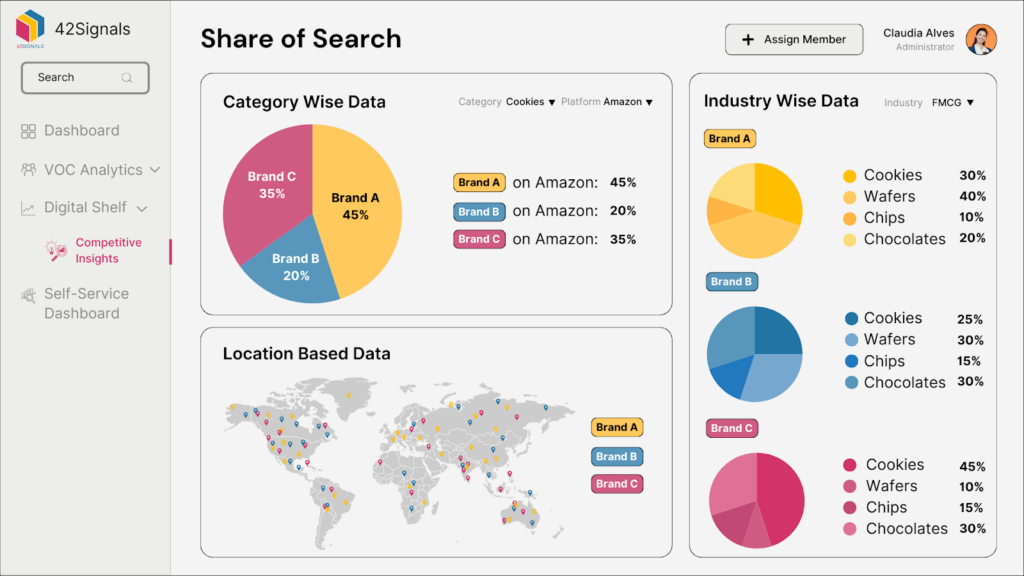
You might be used to tracking things like market share or sales volume, but there’s a new metric that’s becoming incredibly powerful: share of search retail. What exactly does this mean? It’s the percentage of total searches within a specific product category that are directed at your brand or products.
Imagine a world where 100 people are looking for a “premium coffee maker.” If 30 of those searches include your brand name or variations of your product title, you have a 30% share of search retail. This isn’t just a vanity metric; it’s a powerful leading indicator of future market share and sales performance. Why? Because the brands that own the search conversation are the ones that end up owning the market.
This metric helps you understand your true marketplace visibility. It tells you whether your SEO efforts are truly connecting with potential customers. Tracking this over time—and, yes, there are excellent share of search tool options available to help you do this—allows you to see the direct impact of every change you make to your product listings or your off-site marketing. It moves you past guessing and into a world of data-driven strategy.
Mastering Keyword Analysis: The Foundation of Powerful Product Listing SEO
Every successful search strategy begins and ends with keywords. If you don’t know what words your customers are typing into the search bar, you’re essentially shouting into a void. This is why thorough keyword analysis is non-negotiable for marketplace SEO.
Unearthing the Right Search Terms
Your customers don’t speak like a marketing brochure; they speak naturally. A customer looking for a “lightweight, durable, water-resistant hiking backpack for day trips” won’t always type that full phrase. They might start with “day pack,” “small hiking bag,” or “waterproof backpack.” Your job is to identify all these variations.

Start by looking at the search terms that already lead people to your competitors’ listings. Many share of search tool options provide competitive keyword insights. Also, use the auto-suggest features on the marketplaces themselves. When you type in a few letters, the suggestions that pop up are gold mines of high-volume search terms. Don’t forget to look at the search terms that bring people to your D2C site, as this often reveals high-intent, long-tail phrases that work well everywhere.
For example, if you sell high-quality pet beds, your primary keyword might be “orthopedic dog bed.” However, your keyword analysis should also reveal high-converting semantic keywords like “large dog joint support,” “washable pet cushion,” and “senior dog comfort mat.” Using these naturally throughout your listings is the essence of smart product listing SEO.
Structuring Your Keywords for Maximum Marketplace SEO Impact
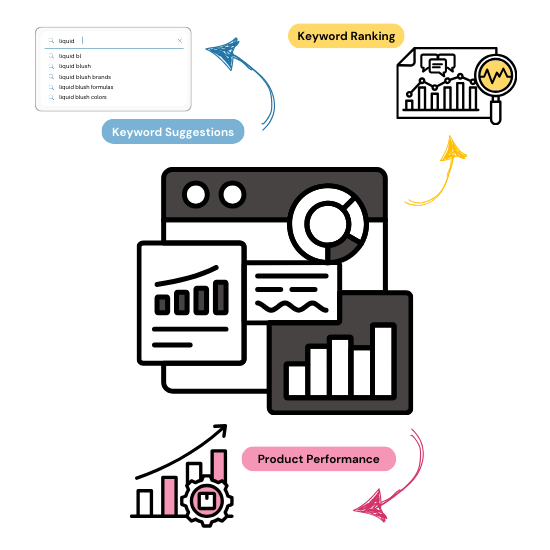
42signals’ keyword rank tracker
Once you have your list, you need a strategy for where to place them. In marketplaces like Amazon, Walmart, or Etsy, the location of the keyword matters immensely:
- Product Title: This is the most crucial piece of real estate. Include your primary keyword and the most important secondary keywords here. For instance, instead of “Amazing Coffee Maker,” try: “Programmable Drip Coffee Maker – 12 Cup, Stainless Steel, Black – Auto-Shutoff.” This is dense with search terms and brand differentiators, boosting your overall marketplace visibility.
- Backend Search Terms: Almost all platforms have a hidden field for backend search terms. Use every character allowed here to include misspellings, foreign language translations if applicable, and all the semantic keywords that didn’t fit into the title or bullets. This is a powerful, yet unseen, tool for improving your marketplace SEO.
- Bullet Points (Key Features): These are the second most-read part of your listing. Integrate your most persuasive benefits and high-traffic keyword suggestions naturally into these five or seven points.
Remember, the aim isn’t just to rank, but to get clicks. A stuffed, unreadable title might rank well but won’t convert if it looks like spam. A 2% density for the primary keyword, like marketplace SEO, feels natural when integrated across the full length of a long article or detailed product description.
Optimizing Your Product Descriptions and Listings: The Art of Conversion
A high-ranking listing is only half the battle; the other half is converting the visitor into a buyer. This is where engaging, human-written product descriptions take center stage. Too many sellers rely on generic, bullet-point-heavy text that does nothing to build excitement or trust.
Writing Product Descriptions That Sell
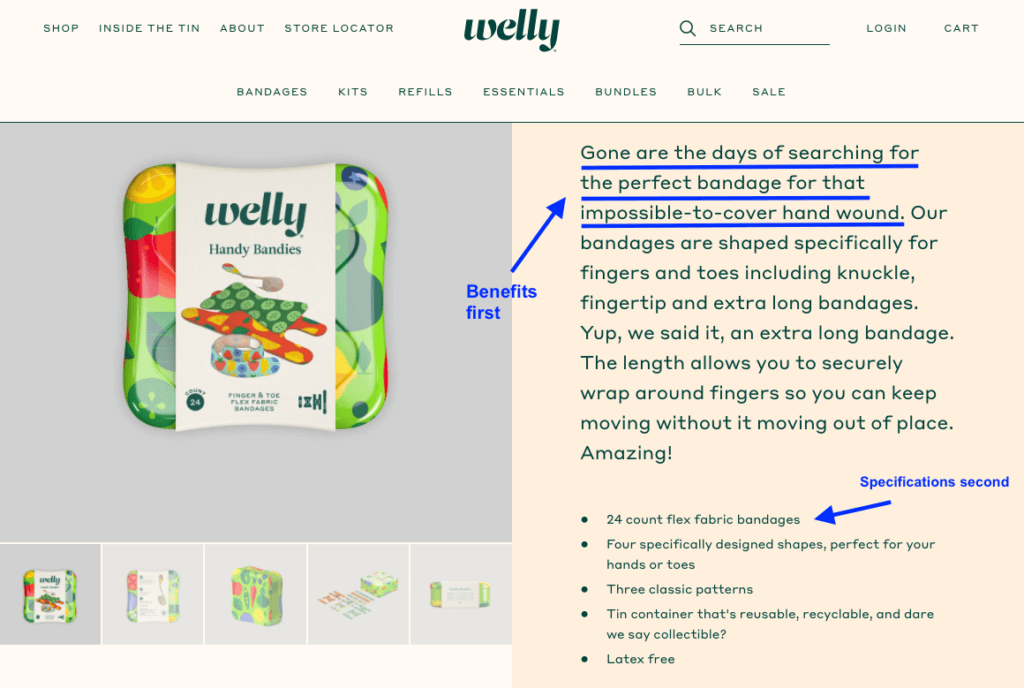
Image Source: Your CX
Your product descriptions should be a story, not just a list of specs. They need to address the customer’s pain points and then introduce your product as the perfect solution.
- Focus on Benefits, Not Just Features: Instead of saying “1.5-liter capacity,” say, “Plenty of room for the whole family: The generous 1.5-liter capacity means you can brew a full pot for everyone, eliminating the need for multiple batches.” This converts a simple feature into a direct, relatable benefit.
- Use Simple, Conversational Language: Avoid overly technical jargon unless your audience is highly specialized. A conversational tone makes your brand feel approachable and trustworthy. Imagine you’re talking to a friend about how much you love a product. That’s the tone you should aim for.
- Integrate Semantic Keywords Naturally: This is a fantastic place to weave in your longer, semantic search phrases. If you sell a standing desk, you might naturally talk about how it offers “ergonomic workspace comfort” or “reduces back pain from sitting,” which are excellent semantic keywords that improve your marketplace SEO.
Research shows that detailed, high-quality product descriptions can significantly reduce return rates because the customer has a clearer expectation of what they are receiving. (Source: A major e-commerce platform study on listing quality and returns, exact source unavailable but common knowledge in e-commerce strategy)
The Power of High-Quality Visuals
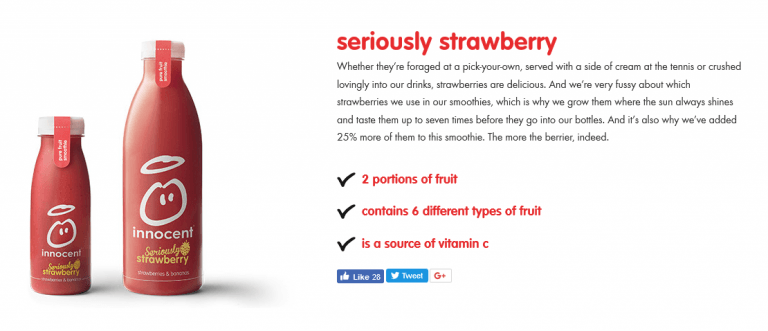
Image Source: Storeya Blog
While text is the engine of marketplace SEO, images are the fuel for conversion. Always include at least 5-7 high-resolution images.
- First Image is Everything: Your main image needs to be clean, professional, and comply with all platform rules (usually a white background).
- Show Scale and Use: Include images showing the product in use. If it’s a piece of furniture, show it in a room. If it’s clothing, show a model wearing it. Use lifestyle images to help the customer visualize the product in their own life.
- Infographics and Dimension Charts: Use images to convey technical details, dimensions, and key benefits. A side-by-side comparison with a competitor (without naming them) or a clear graphic showing the product’s top three features works wonders.
Driving D2C Search Visibility: Going Beyond the Marketplace
While marketplaces offer huge traffic, your Direct-to-Consumer (D2C) website is where you build long-term customer relationships and have complete control over your brand narrative. To boost your D2C search visibility, you need to think like a publisher, not just a retailer.
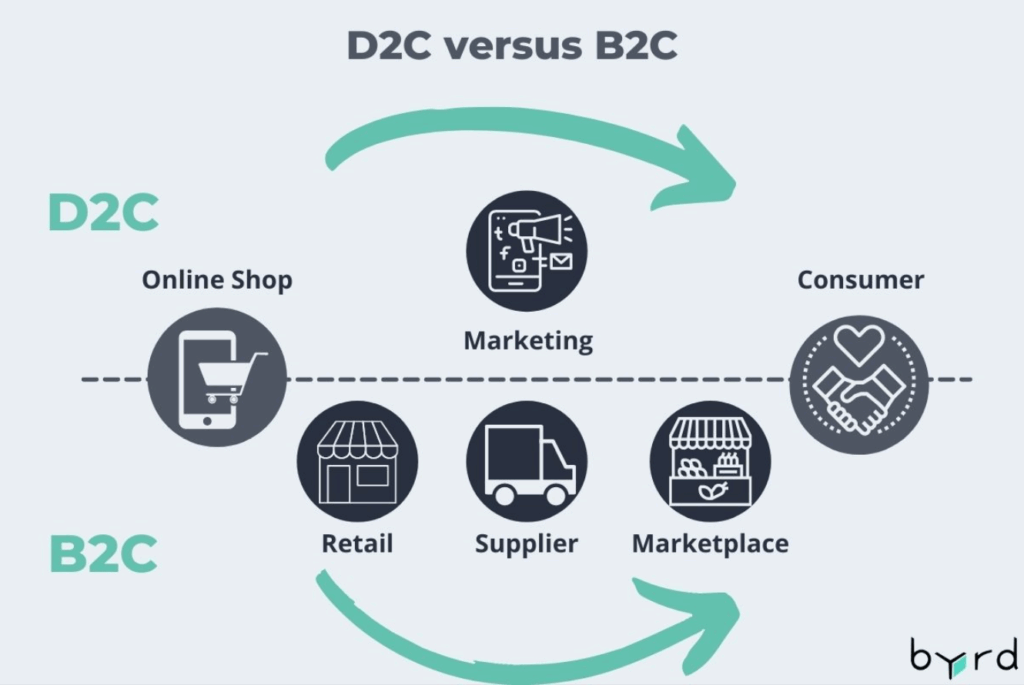
Image Source: Catsy
Content Marketing That Converts
The best way to improve your D2C SEO is through a robust content strategy. You need to create blog posts, guides, and resource pages that target the same keywords you identified in your keyword analysis for the marketplace, but with a broader, more informative focus.
For example, if your primary product is a blender, a blog post titled “7 Smoothie Recipes That Will Change Your Mornings” will attract people searching for “smoothie recipes,” which is a high-intent search that leads them straight to your site and, eventually, to your product page. This strategy organically increases your overall share of search retail footprint across the entire internet, not just on one platform.
Remember to internally link every relevant blog post to your product pages. This passes “link juice,” or SEO authority, from your content to your commercial pages, helping your product pages climb the keyword ranking ladder on Google and other search engines.
Technical Marketplace SEO for D2C Success
Your D2C site needs a clean, fast foundation. Customers expect a seamless experience, and search engines reward sites that provide it.
- Site Speed: Is your website lightning fast? Speed is now a major ranking factor. Use tools to check your page load times and compress your images to ensure a smooth experience.
- Mobile-First Indexing: The majority of online searches happen on mobile devices. Your website must be fully responsive and look fantastic on a phone screen. Google primarily uses your mobile site’s content for indexing and ranking, so this is critical for D2C search visibility.
- Structured Data Markup: This is code that helps search engines understand the context of your page. Mark up your product pages with details like price, stock availability, and review ratings. This allows your listing to appear as a “rich snippet” in search results, which can dramatically boost your click-through rate, directly impacting your share of search retail performance.
Tracking Your Marketplace SEO Data and Keyword Ranking
You can’t improve what you don’t measure. A systematic approach to tracking your performance is what separates casual sellers from market leaders.
Leveraging Marketplace Data for Deep Insights
Marketplaces provide a wealth of marketplace data about customer behavior, which you should be using constantly. Look at:
- Search Term Reports: Which search terms are driving the most impressions and clicks? Double down on those words in your titles and descriptions. Which terms are driving clicks but zero sales? Those are opportunities to improve your product images or pricing.
- Conversion Rate: This is the ultimate metric. A high ranking that doesn’t convert is useless. If you rank number one for a keyword but have a low conversion rate, it means your product or price is not meeting the expectation set by the search term. Adjust your images or revise your price and description.
- Returns and Reviews: Poor reviews hurt your keyword ranking and overall marketplace visibility. Platforms prioritize products that result in happy customers. Regularly analyze negative reviews to find common themes (e.g., “smaller than expected,” “didn’t last long”) and address them, either by fixing the product or clarifying expectations in the product descriptions.
Monitoring Keyword Ranking and Share of Search
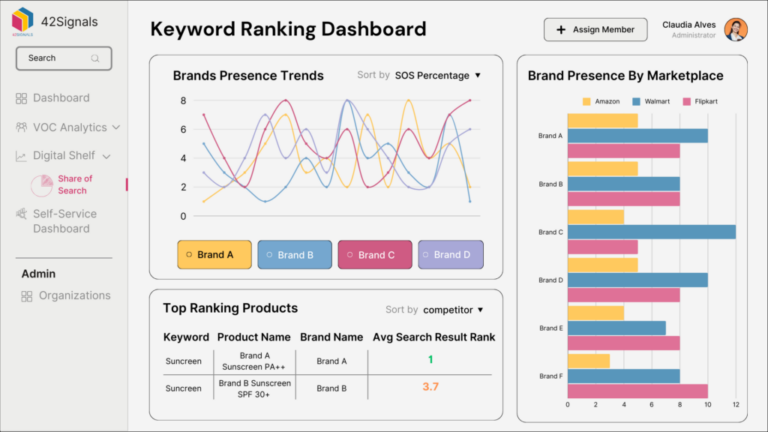
To measure the success of your marketplace SEO strategy, you need to track how your products move up and down the search results page for your core keywords. While manual checking is possible, using a dedicated share of search tool is far more efficient.
These tools allow you to input your core keywords and then track your organic rank, your ad rank, and the rank of your top competitors. Seeing a steady increase in your keyword ranking for a primary term like marketplace SEO is a direct reflection of successful optimization.
By combining an analysis of external metrics like share of search retail with internal metrics like conversion rate and returns, you create a powerful feedback loop. You know what works, you know what doesn’t, and you can make quick, informed adjustments. This continuous optimization cycle is the true secret to winning the Buy Box and maintaining long-term success.
Visibility is the Ultimate Product Feature
In the end, winning the Buy Box and maximizing your D2C search visibility comes down to a single principle: making your product the most relevant, attractive, and easily found option for a customer’s specific need.
It’s a marathon, not a sprint. The digital landscape is always shifting, and platforms are constantly updating their algorithms. The effort you put into thorough keyword analysis, compelling product descriptions, and systematic tracking of your marketplace data and keyword ranking today will pay off in sustained growth tomorrow.
By focusing on a natural 2% integration of your primary keyword, marketplace SEO, and consistently leveraging semantic keywords to increase your overall share of search retail, you ensure that your amazing products are no longer lost in the digital clutter. Start with the basics, stay consistent, and watch your sales climb as you master the art of being seen.
Try 42Signals today to see how understanding marketplace SEO can boost your brand’s sales and operations.
Frequently Asked Questions
1. What is marketplace SEO?
Marketplace SEO is the practice of optimizing product listings so they rank higher within online marketplaces such as Amazon, Flipkart, Walmart, or Etsy. Unlike traditional SEO, which focuses on search engines like Google, marketplace SEO targets the internal search algorithms of these platforms.
It involves optimizing product titles, keywords, images, descriptions, pricing, reviews, and availability to improve discoverability. Strong marketplace SEO helps products appear higher in search results, category pages, and recommendation sections, directly impacting visibility and sales.
2. What are the 4 types of SEO?
The four main types of SEO work together to improve visibility and performance across digital platforms:
On-Page SEO Optimizing content elements like titles, headers, keywords, images, and internal links.
Technical SEO Improving website structure, page speed, mobile-friendliness, crawlability, and indexing.
Off-Page SEO Building authority through backlinks, brand mentions, and external signals.
Local SEO Optimizing for location-based searches, including Google Business profiles and local listings.
Each type plays a specific role, and strong SEO performance depends on balancing all four.
3. What is the 80/20 rule in SEO?
The 80/20 rule in SEO suggests that roughly 80 percent of organic traffic or results often come from just 20 percent of keywords, pages, or efforts.
In practice, this means a small group of high-performing pages or keywords usually drives most of the traffic and conversions. Identifying and optimizing these top-performing assets delivers the highest return on SEO investment.
The rule helps teams focus effort where it matters most instead of spreading resources too thin.