
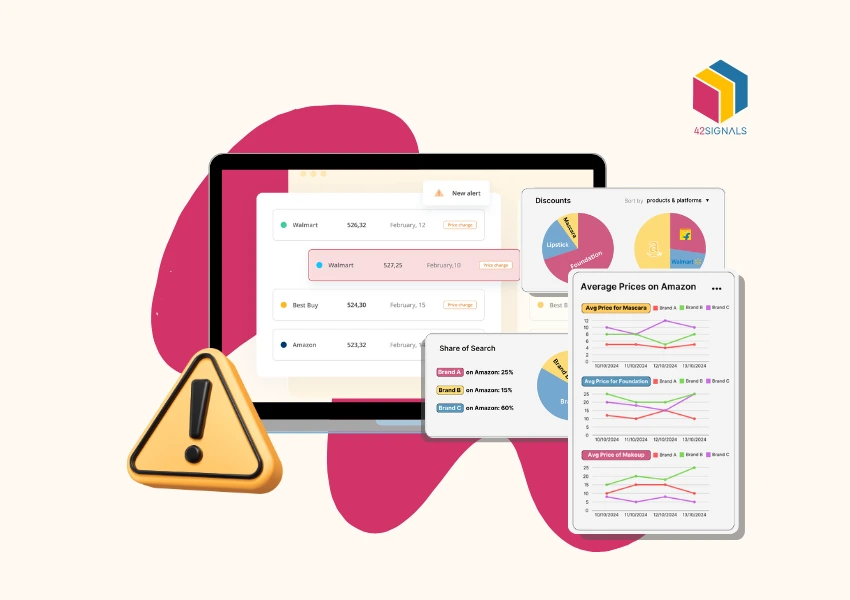
** TL;DR ** E-commerce revenue is consistently undermined by three primary preventable issues: Out-of-Stock (OOS) products, inaccurate pricing, and low-quality product listings. The recommended countermeasure is adopting automated digital shelf monitoring, a comprehensive strategy that facilitates continuous out of stock tracking, real-time price alerts for accurate data, and ongoing identification of content gaps. This proactive implementation goes beyond simply stopping immediate profit leaks; it fundamentally strengthens the business by boosting customer loyalty, improving search visibility, optimizing inventory management, and delivering crucial competitive insights, thereby converting common profit challenges into dependable sources of business growth.
Ever feel like your online sales are hitting an invisible wall? You’re driving traffic, your ads are performing, but when you look at the bottom line, something is missing. These missing dollars aren’t vanishing into thin air; they’re often being silently siphoned away by overlooked issues on your product pages—things like “Out-of-Stock” (OOS) notices, incorrect prices, or lackluster product content. In the fast-paced world of e-commerce, these seemingly small errors act as “Silent Profit Killers,” damaging your customer experience, brand trust, and ultimately, your revenue. The solution isn’t about working harder; it’s about working smarter. It’s about leveraging digital shelf analytics for monitoring.
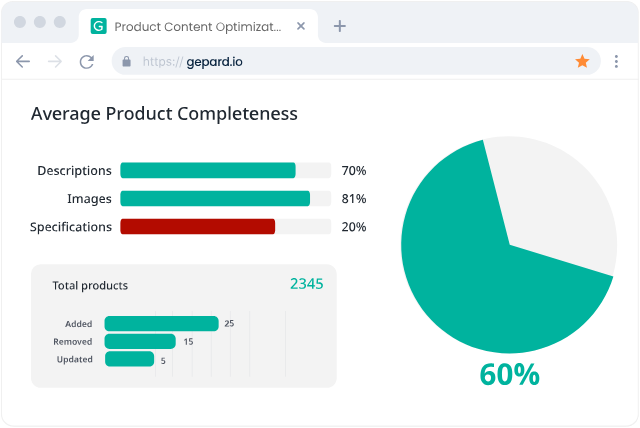
Image Source: Gepard
This powerful approach allows you to systematically track and fix the issues that are stopping customers from completing a purchase. Before we dive into the ‘how,’ let’s understand the sheer scale of the problem.
Imagine a brick-and-mortar store where half the shelves are empty (OOS), the cash register rings up the wrong price (pricing errors), and the product descriptions are confusing or missing (bad listings). No retailer would stand for that! Yet, on the digital shelf, these problems are rampant and often go unnoticed until it’s too late. Effective digital shelf monitoring gives you the eyes you need across every corner of your online presence.
The Cost of the Invisible: Why Digital Shelf Monitoring Matters
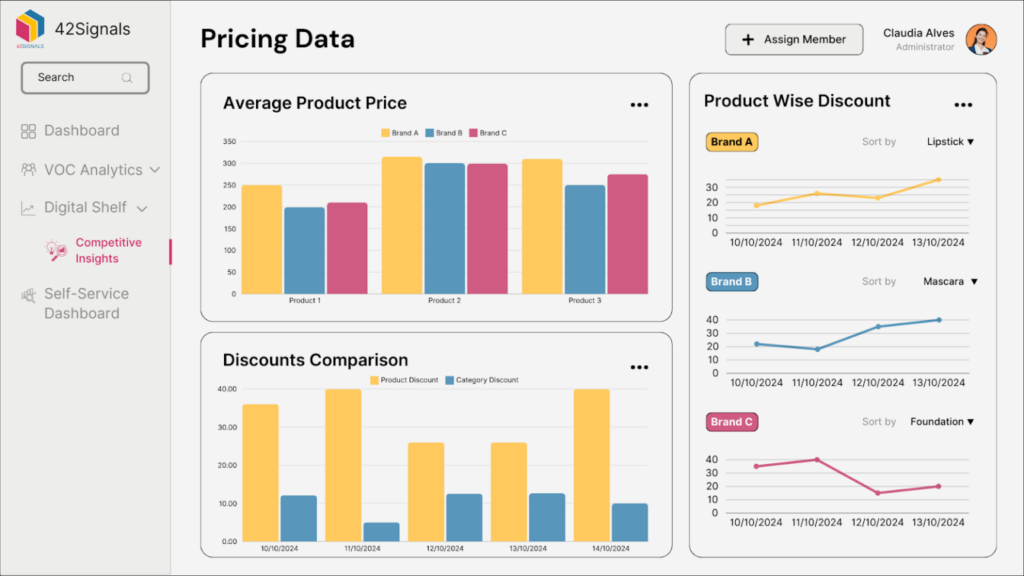
These three issues—Out-of-Stock products, incorrect pricing, and poor listing quality—are the triple threat to your e-commerce performance. They don’t just result in lost sales; they trigger a cascade of negative effects that hurt your long-term success.
The Problem of Out-of-Stock (OOS): Losing Sales at the Finish Line
When a customer clicks on your product after navigating search results or an ad, they are expressing intent to buy. If they are greeted by an “Out of Stock” notification, that intent evaporates immediately. This is perhaps the most frustrating experience for an online shopper and the most direct way to lose a sale.
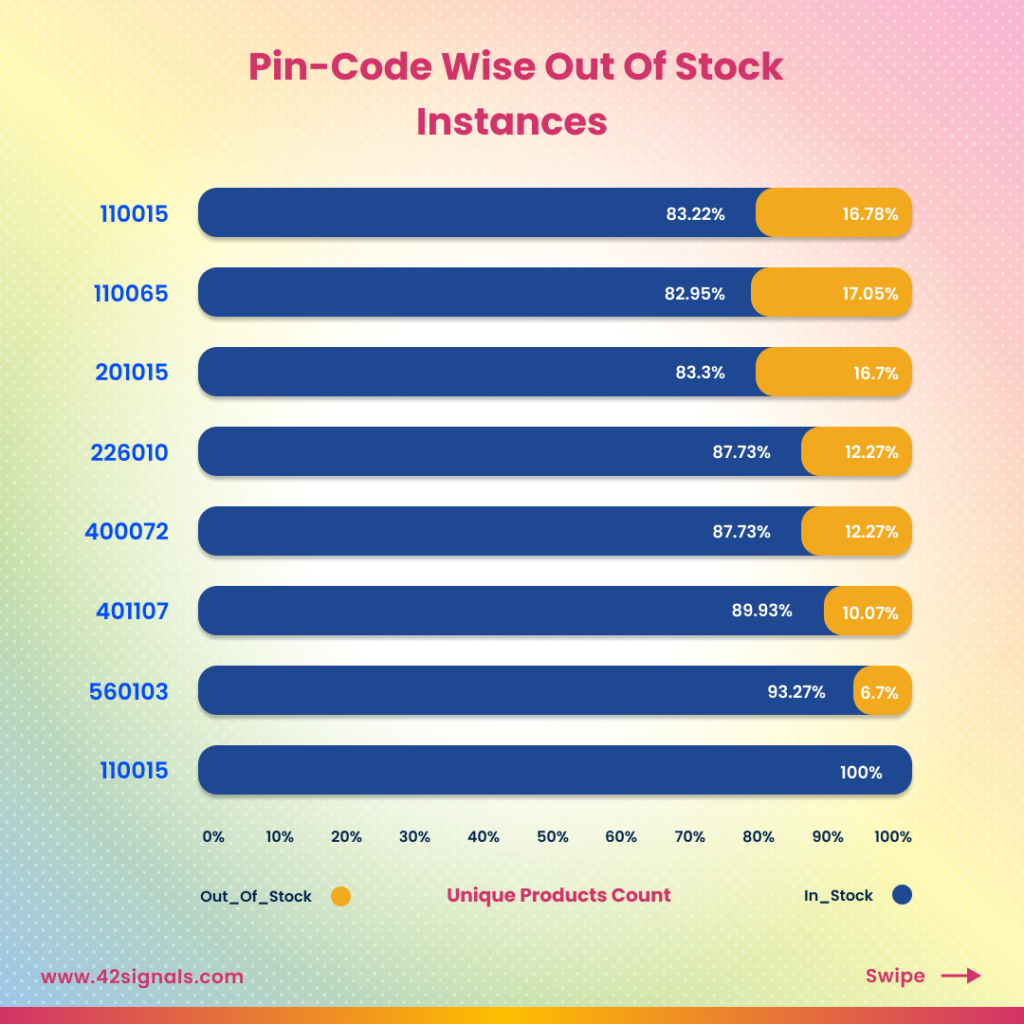
Beyond the immediate revenue loss, OOS issues erode customer loyalty. Shoppers who repeatedly encounter unavailable products will assume your store is unreliable and move on to a competitor. In fact, some studies estimate that stockouts can result in a significant percentage of lost sales for retailers every year. This highlights the critical need for robust product availability tracking.
Furthermore, OOS products hurt your SEO performance. Search engines want to show relevant, available products. If a page frequently shows as OOS, search algorithms may start to lower its ranking, compounding your problems. Using digital shelf monitoring for real-time tracking is the only way to avoid this preventable tragedy. You need instant availability alerts to flag these issues before they turn into days or weeks of lost revenue.
Unwanted Surprises: The Impact of Pricing Errors and Price Discrepancies
Pricing is the lifeblood of retail. Customers are hyper-aware of prices and often compare them across multiple platforms, especially when dealing with major retailers or marketplaces. A pricing error—where the price displayed on the product page differs from the price in the cart or the final charge—can be disastrous.
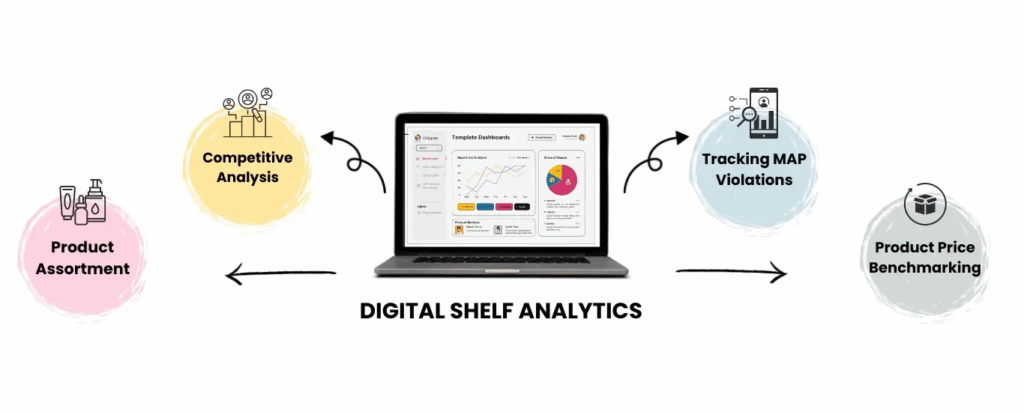
If the price is mistakenly set too low, you lose profit on every unit sold until the error is corrected. If the price is mistakenly set too high, customers will abandon their carts or, worse, leave negative reviews complaining about bait-and-switch tactics. Effective pricing data validation is essential. Manually checking hundreds or thousands of SKUs daily is simply not feasible.
This is where automated digital shelf monitoring comes in, constantly scanning your site and marketplaces for pricing inconsistencies. Having rapid price alerts ensures you are always presenting the correct, profitable price. Consistent, accurate pricing builds consumer trust, a commodity far more valuable than a momentary sales spike.
The Content Conundrum: When Bad Listings Kill Conversions
A “bad listing” is any product page that is incomplete, inaccurate, or fails to meet the quality standards necessary to convince a customer to buy. This includes:
- Missing or low-quality images: Shoppers can’t touch or feel the product online, so images are the most important sense-substitute. Low-resolution, few-angle, or inaccurate images are immediate turn-offs.
- Incomplete descriptions and specifications: Customers rely on clear, comprehensive bullet points and detailed descriptions. If they can’t find the answer to a basic question—like dimensions or material—they won’t risk the purchase. This is a classic case of content gaps preventing conversion.
- Incorrect categorization or titles: If a product is hard to find or its title is confusing, search algorithms and shoppers will pass it by.
The result of a bad listing is high bounce rates and low conversion rates. The customer is on your page, but they aren’t convinced. They leave without buying. This is a common problem addressed by continuous digital shelf monitoring, which helps maintain high standards for every single product page.
The Strategy: Implementing Automated Digital Shelf Monitoring
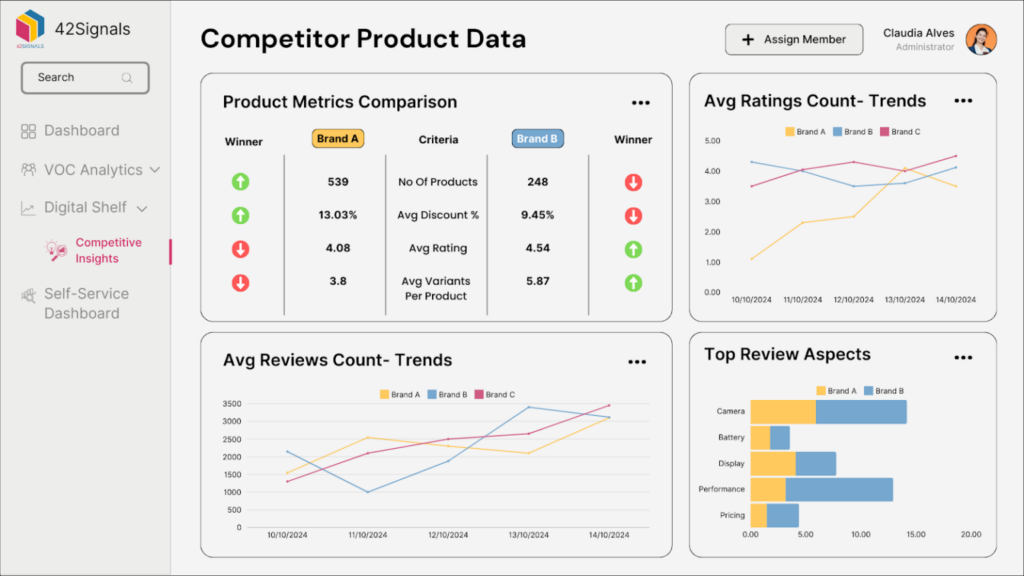
The sheer volume of products, channels, and data makes manual tracking impossible for any serious e-commerce operation. The solution is automation via a comprehensive digital shelf monitoring system. This isn’t just a tool; it’s a strategic framework for maintaining the health and profitability of your online inventory.
Phase 1: Prioritizing Your Monitoring Efforts
You can’t monitor everything with the same intensity. Your monitoring strategy must be segmented:
- High-Velocity SKUs (The Money Makers): These are your top 10-20% of products that generate the majority of your revenue. These must be checked multiple times a day for product availability, accurate pricing data, and content quality. An OOS on a top seller for even an hour can cost thousands.
- Key Strategic Products (The Future): New launches, seasonal items, or products you’re heavily promoting. These require daily checks to ensure campaigns aren’t wasted due to errors.
- Long-Tail SKUs (The Breadth): The vast majority of your catalogue. These can be monitored less frequently, perhaps daily or weekly, but must not be ignored.
The first step in any robust digital shelf monitoring strategy is setting up rules and frequency based on product value. This ensures your resources are focused where they matter most.
Phase 2: Mastering Out-of-Stock Tracking and Inventory Management

Effective inventory management is the foundation of preventing OOS issues, but even the best internal systems can fail to communicate correctly with external storefronts or marketplaces. This is why you need external validation through digital shelf monitoring.
The best systems perform real-time checks on your product pages and flag them instantly if the stock status changes to unavailable. These availability alerts are crucial.
- Real-time OOS Tracking: Your digital shelf monitoring tool should mimic a shopper’s journey, continuously checking the “Add to Cart” button or the stock indicator. If a product shows as unavailable, it triggers an immediate alert to your inventory management team. This is called out of stock tracking.
- Stockout Root Cause Analysis: An advanced monitoring system doesn’t just tell you what is OOS, but potentially why. Is the stock truly empty, or is the error a system glitch? Rapid identification means faster resolution. According to a recent retail technology report, companies that leverage real-time data for out of stock tracking see up to a 10% reduction in stockouts, significantly boosting their sales consistency.
- Forecasting Integration: The data gathered from digital shelf monitoring—seeing which products are coming close to OOS repeatedly—can feed back into your forecasting and inventory management software, making future stocking decisions more accurate.
Phase 3: Automated Pricing Data Validation and Price Alerts
Pricing errors are often caused by manual data entry, integration issues between ERP and e-commerce platforms, or simple human mistakes during promotions. Automated digital shelf monitoring provides an objective, external verification system.
- Price Crawling and Comparison: The tool should crawl your product pages and compare the listed price against your established master pricing data sheet. If a discrepancy is detected, a high-priority price alert is triggered.
- Tracking Dynamic Pricing: For companies using dynamic pricing strategies, where prices change based on demand or competitor activity, the monitoring must be continuous. The tool verifies that the intended dynamic price has actually taken effect on the live site.
- Marketplace Compliance: If you sell on third-party marketplaces (like Amazon or Walmart), the tool monitors those listings to ensure they comply with your Minimum Advertised Price (MAP) policy and that the displayed price is identical to the one you submitted. This protects your brand equity and profit margins.
Phase 4: Fixing Bad Listings and Eliminating Content Gaps
Content quality is inextricably linked to conversion. If a customer is ready to buy but the content is missing or confusing, the sale is lost. Digital shelf monitoring helps automate content quality control.
- Content Scorecarding: The monitoring tool establishes a “perfect listing” template—including a minimum number of images, a word count for descriptions, and the presence of critical attributes (e.g., color, size, material). Every SKU is then graded against this standard. Low-scoring listings are prioritized for human review and correction. This identifies and closes content gaps.
- Mandatory Field Checks: Does the product title contain the necessary keywords? Are the key selling features in the bullet points? The tool checks for the presence of these non-negotiable elements.
- Image and Video Validation: The system can verify that images are present, meet minimum resolution requirements, and that video assets are loading correctly. A broken image link is a prime example of a silent profit killer.
By systematically identifying these content gaps, you ensure every single listing is optimized for search visibility and customer conversion, maximizing the return on your investment in digital shelf monitoring.
Long-Term Benefits of Digital Shelf Monitoring for Profitability
Adopting a robust digital shelf monitoring solution moves you from a reactive state—chasing down problems after customer complaints or sales dips—to a proactive, preventative state. The benefits go far beyond just fixing OOS and pricing errors.
Enhanced Customer Experience and Loyalty
Consistency builds trust. When customers consistently find the products they want, at the price they expect, and with the information they need, they become loyal shoppers. Automated monitoring ensures that every interaction with your brand online is a positive one, minimizing friction points like sudden OOS notices or unexpected price changes. This commitment to accuracy, driven by comprehensive digital shelf monitoring, transforms one-time buyers into repeat customers.
Improved SEO and Organic Traffic Performance
Search engines favor websites that offer an excellent user experience, which includes product availability and high-quality content. By rapidly addressing OOS issues via effective out of stock tracking and filling content gaps flagged by your monitoring tool, you signal to search engines that your product pages are reliable and valuable. This leads to higher rankings, more organic traffic, and lower customer acquisition costs. A healthy digital shelf is an SEO-optimized digital shelf.
Optimal Inventory Management and Supply Chain Efficiency

The granular data gathered by continuous digital shelf monitoring provides vital feedback to your internal systems. Seeing frequent OOS alerts on specific SKUs confirms high demand and allows your inventory management team to adjust procurement and allocation strategies. If a seasonal product starts showing availability alerts unexpectedly early, you can rush a resupply order, mitigating the revenue loss. This data-driven feedback loop is one of the most powerful secondary benefits of the system.
Competitive Intelligence and Strategic Pricing
While focused on internal errors, advanced digital shelf monitoring also serves as a crucial competitive intelligence tool. It allows you to track competitor pricing data and product availability across the market. Knowing that a key competitor is out of stock allows you to confidently raise your price, while knowing they have undercut you prompts an immediate response using a swift price alert system. This allows for strategic, data-informed pricing moves that maximize profitability in real time.
Beyond the Basics: Advanced Digital Shelf Monitoring Features
As your e-commerce business matures, your digital shelf monitoring needs will evolve. The best systems offer advanced features that provide even deeper insights into your online performance.
Assortment and Compliance Monitoring
This feature ensures that your retailers or channel partners are listing your entire intended product assortment and that they are complying with any contractual agreements, such as using approved brand assets or adhering to MAP policies. Any deviations are immediately flagged, allowing for swift corrective action before brand damage occurs.
Digital Shelf Share Tracking
Monitoring your own performance is great, but knowing how you stack up against competitors on key search terms is essential. This tracks your “share” of the top search results for your primary keywords, helping you measure the effectiveness of your efforts to close content gaps and maintain superior listing quality. The ultimate goal of digital shelf monitoring is to not only fix your errors but to ensure you are winning the battle for the top search positions.
Review and Rating Aggregation
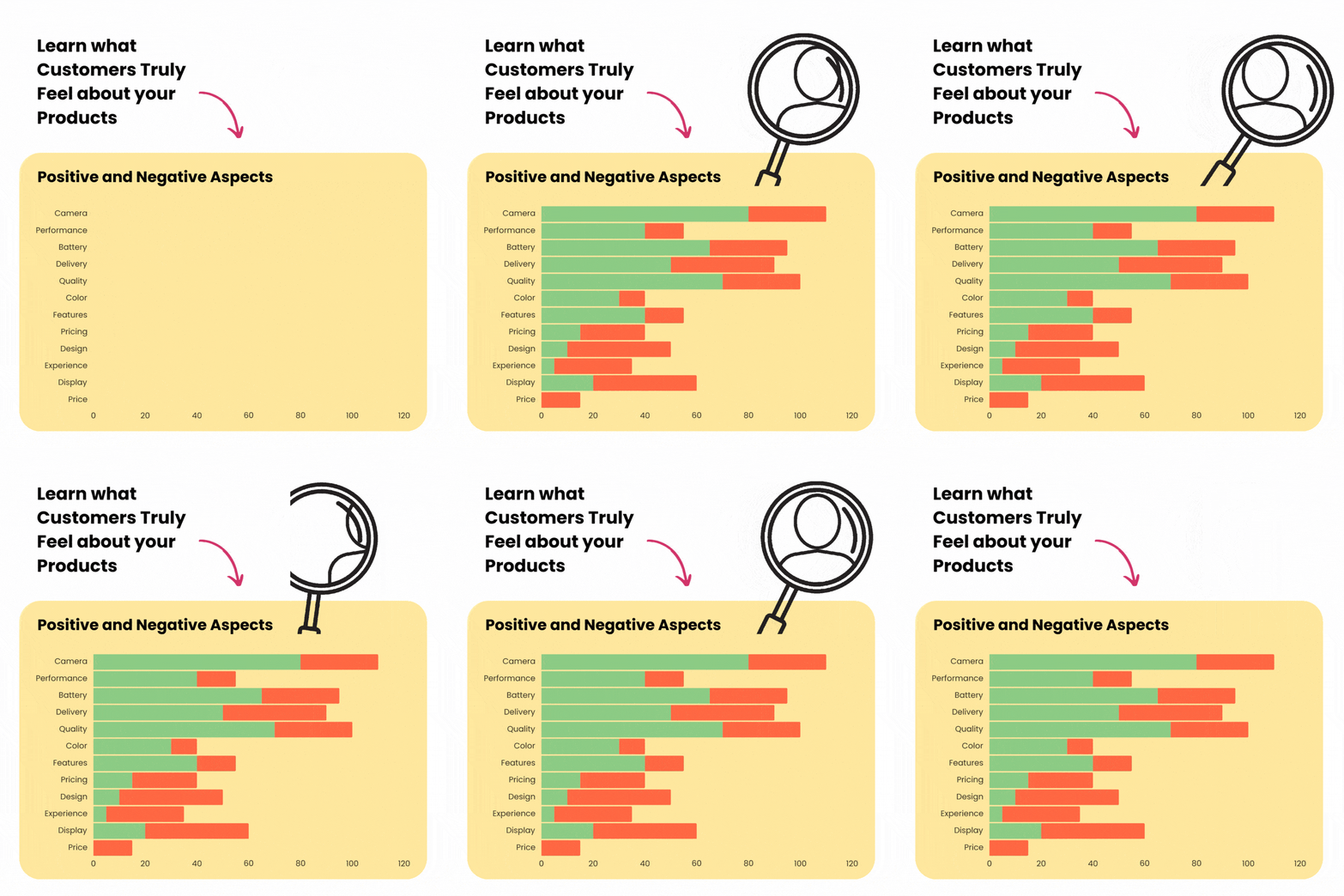
Customer reviews and ratings are critical components of a product listing. Advanced digital shelf monitoring systems with voice of customer analytics aggregate reviews across channels, alerting you to sudden dips in star ratings or spikes in negative feedback. This is an early warning system that can flag a quality control issue or a flawed batch of product before it severely impacts sales.
Finalizing Your Digital Profit Strategy
The concept of the “Silent Profit Killer” is a sobering reality in e-commerce. Lost revenue due to poor product availability, incorrect pricing data, and persistent content gaps is money that never makes it into your bank account. However, you now have the solution.
By implementing a rigorous, automated digital shelf monitoring strategy, you are building an always-on defense system for your revenue. You’re ensuring every customer who lands on your page is met with an available product, an accurate price, and a compelling listing. The investment in automated out of stock tracking and real-time price alerts is not an expense—it is a mandatory insurance policy for profitability.
Don’t let invisible errors define your success. Take control of your inventory management, perfect your listings, and keep your prices precise. Embrace digital shelf monitoring, turn those silent profit killers into profit drivers, and watch your e-commerce enterprise thrive. The future of e-commerce belongs to those who see the invisible, and with robust digital shelf monitoring, you will see everything.
Try 42Signals today to understand everything digital shelf monitoring can help you with in quick easy steps.
Frequently Asked Questions (FAQs) on Digital Shelf Monitoring
What is Digital Shelf Monitoring (DSM)?
Digital Shelf Monitoring (DSM) is the continuous, automated process of tracking and analyzing a brand’s presence, performance, and compliance across various e-commerce platforms, retailer websites, and marketplaces. Its primary goal is to ensure that products are available, accurately priced, and presented with high-quality content—effectively making sure the “digital shelf” is optimized to drive sales and conversion.
Why is Digital Shelf Monitoring essential for e-commerce success?
DSM is essential because the digital environment is dynamic and prone to errors. It proactively identifies “Silent Profit Killers” like Out-of-Stock (OOS) issues, incorrect pricing, and poor product listings (content gaps) that lead to lost sales, reduced search visibility, and decreased customer trust. By automating these checks, brands can ensure their digital storefront is always optimized, maximizing profitability and return on advertising spend.
How does DSM help prevent Out-of-Stock (OOS) problems?
DSM tools continuously “crawl” or check product pages in real-time, mimicking a shopper’s journey to confirm product availability. If a product status changes to “unavailable” or the “Add to Cart” button disappears, the system instantly triggers an availability alert. This rapid out of stock tracking allows the inventory management team to resolve system glitches or rush resupply orders far faster than manual checks, preventing prolonged periods of lost revenue.
Can Digital Shelf Monitoring track competitor pricing?
Yes, advanced DSM systems are powerful competitive intelligence tools. They track not only your own pricing data but also that of key competitors across relevant marketplaces. This functionality provides a real-time view of market pricing fluctuations, allowing you to quickly identify undercutting or opportunities to raise prices strategically, ensuring your pricing remains both competitive and profitable.
What are “content gaps” and how does DSM address them?
Content gaps refer to missing, incomplete, or low-quality product information on a listing (e.g., missing images, incomplete specifications, inadequate descriptions). DSM addresses this by using a “Content Scorecarding” mechanism. It establishes a perfect listing template and automatically grades every SKU against it, prioritizing low-scoring listings for review. This systematic approach ensures all listings meet high quality standards, boosting conversion rates and search rankings.
What is the difference between internal inventory systems and Digital Shelf Monitoring?
Internal inventory management systems track stock levels within your own warehouse or ERP. DSM provides external validation. It confirms that the information from your internal system is being correctly displayed on the live retail/marketplace product page. An internal system might show stock is available, but DSM might flag a communication error causing the product to display as OOS on Amazon, preventing a costly revenue leak.