
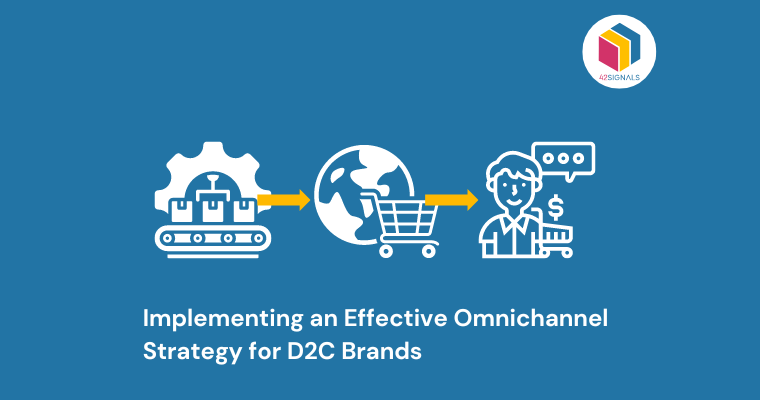
With the retail landscape evolving considerably in the last decade, direct-to-consumer (D2C) brands are taking center stage. Leveraging a more personal relationship with consumers, these brands bypass traditional retail channels, offering unique products with a strong brand identity. However, as consumer behavior becomes increasingly complex, a multichannel marketing approach has emerged as essential for maintaining a competitive edge. To stay relevant and meet the heightened expectations of modern consumers, D2C brands must adopt an omnichannel strategy that ensures seamless interactions across all touchpoints.
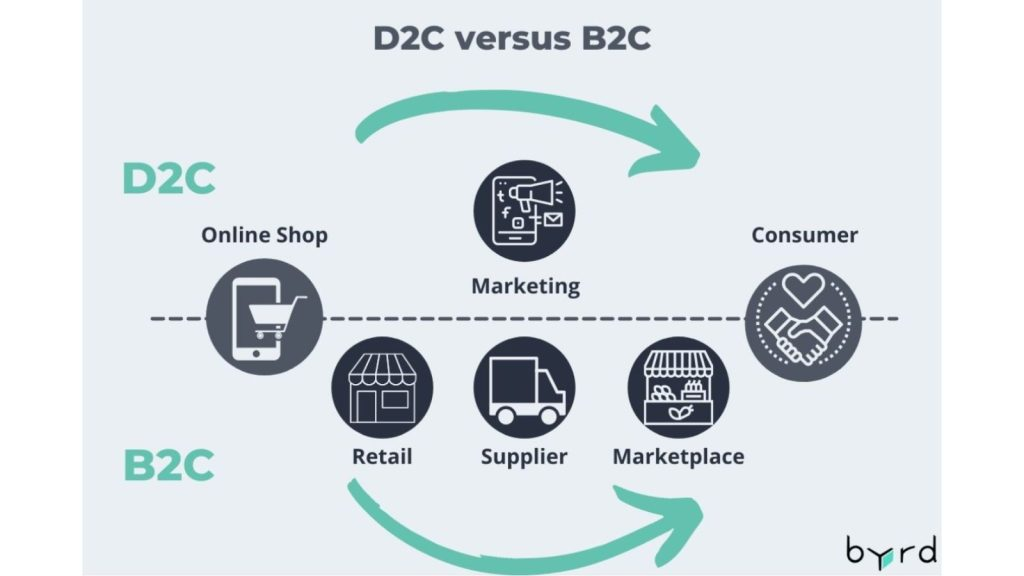
Image Source: Catsy
This article explores how D2C brands can implement an effective omnichannel strategy, with a particular focus on customer experience, voice of customer analytics, digital shelf analytics, and competitor strategies.
The Evolution from Multichannel to Omnichannel Strategy Marketing
Traditionally, many brands adopted a multichannel marketing strategy where customers could interact with the brand across various platforms—such as websites, social media, and physical stores—but each channel functioned independently.
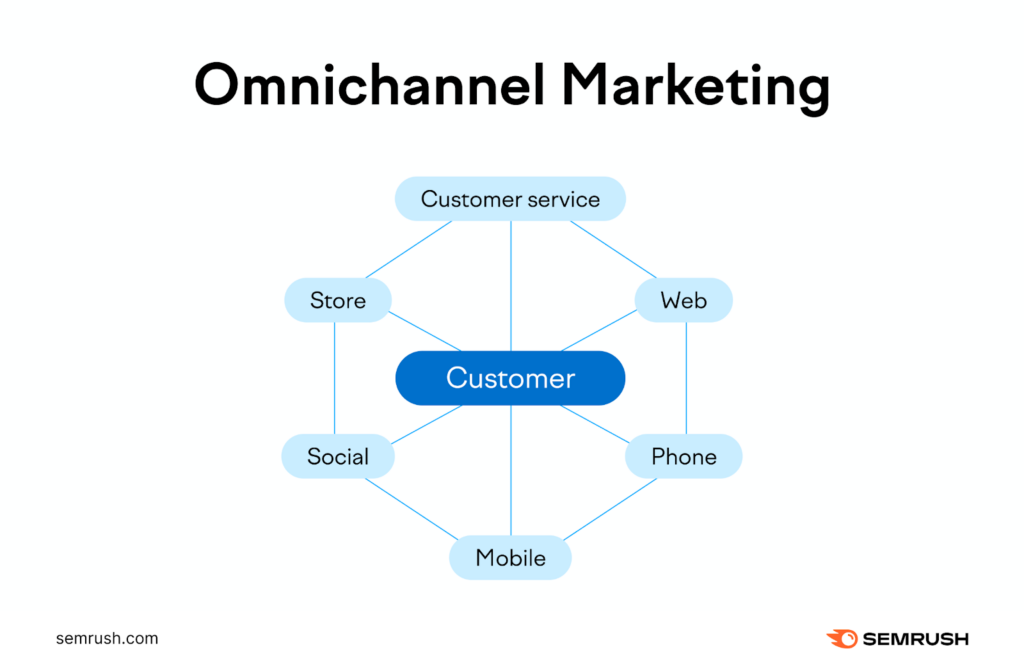
Image Source: Semrush
For example, a customer browsing an item online might not find the same inventory available in a physical store, leading to a fragmented experience.
In contrast, an omnichannel approach integrates these platforms into a unified system. Whether a customer engages with the brand through an app, social media, or in-store, their experience is consistent and seamless.
They can begin a transaction on one platform and complete it on another without interruption. This level of integration and consistency is critical for fostering brand loyalty in today’s market, where consumers expect a frictionless experience.
What is D2C? Defining the Direct-to-Consumer Model
Before diving into strategy, let’s clarify the core concept. D2C stands for Direct-to-Consumer. A D2c brand is one that sells its products directly to the end customer, bypassing intermediaries like wholesalers, distributors, or traditional retail stores.
The d2c brand meaning centers on control—over branding, customer relationships, data, and the entire purchasing experience. This d2c business model allows companies to build a unique identity, gather first-party data, and foster loyalty. In essence, what is meant by D2C is a fundamental shift from relying on third-party retail channels to owning the customer journey from start to finish.
D2C vs. Marketplace: Choosing Your Channels
A critical strategic decision for any D2C company is channel selection. The pure d2c channel is your owned platform (e.g., your website). However, many brands also leverage online marketplaces (like Amazon, eBay) to reach customers where they already shop. This creates the d2c vs marketplace consideration.
- Owned D2C Channels: Offer higher margins, complete brand control, and direct customer data.
- Marketplaces: Provide massive built-in traffic and simplified logistics but come with fees, reduced brand control, and intense competition.
A sophisticated d2c marketing strategy often involves both. The key is integration. Marketplace marketing for D2C brands should be used for acquisition, directing traffic back to your owned channels where you can build deeper relationships. Understanding which marketing channels are most effective requires testing, but a blend of owned sites for loyalty and marketplaces for scale is a common d2c strategie for growth.
Understanding the Customer Experience
A key factor that sets successful D2C brands apart is their commitment to offering a superior customer experience (CX).
Omnichannel strategies are, at their core, about optimizing CX by ensuring all customer interactions are interconnected. A well-executed omnichannel experience should eliminate barriers between channels and provide personalized, real-time experiences.
For example, a customer browsing a clothing item on a D2C website might receive a recommendation to check it out in-store with the option to reserve the item online.
Moreover, quick commerce—the demand for faster deliveries—is playing a significant role in shaping customer expectations.
Today’s consumers want their orders fulfilled almost instantaneously, and D2C brands need to adjust their logistics accordingly.
This can involve partnering with third-party services or investing in a more efficient delivery infrastructure to keep up with the speed of customer demand.
Building a Data-Driven D2C & Omnichannel Strategy
Moving from a basic D2C setup to a growth engine requires a deliberate d2c strategy. This is where data-driven omnichannel strategies separate successful brands from the rest. Your d2c marketing strategy should be built on a foundation of analytics.
Implementing effective omnichannel marketing starts with unifying your data. D2c analytics from your website, social media, email campaigns, and marketplaces must feed into a central customer view. This data analytics for d2c brands allows you to:
- Track the customer journey across touchpoints (omnichannel tracking).
- Personalize communications and offers.
- Measure the true ROI of each channel.
- Forecast demand and optimize inventory.
Omnichannel strategy implementation is not a one-time project but a continuous cycle of measurement, omnichannel analysis, and refinement based on insights.
How Voice of Customer Analytics is Shaping Omnichannel Success?
While customer experience is key, ensuring the customer’s voice is heard and understood is equally crucial.
Voice of customer analytics (VoC) provides insights into customer preferences, pain points, and satisfaction levels by collecting feedback from various channels such as social media, website surveys, and customer reviews.
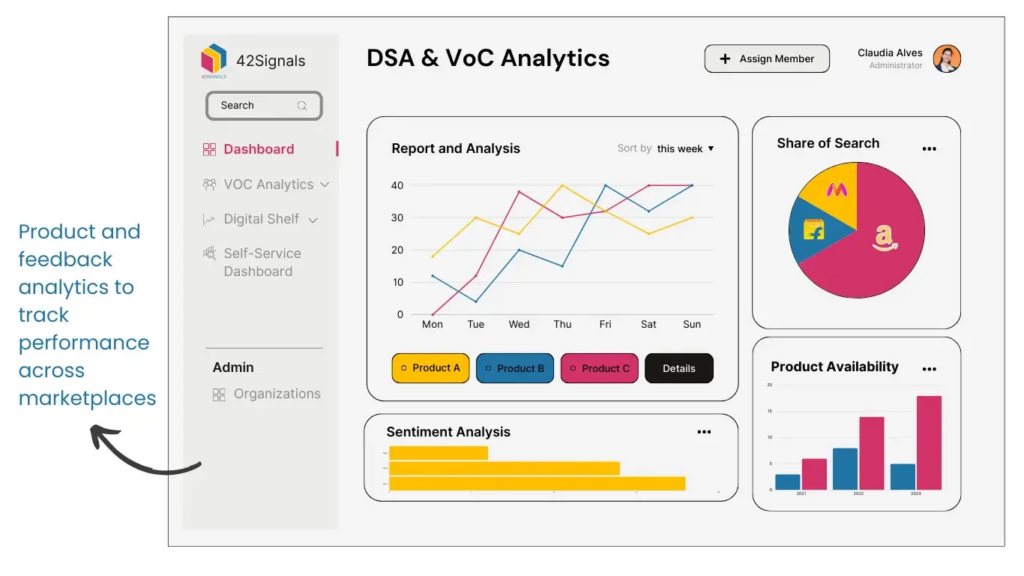
Analyzing this feedback allows D2C brands to identify where their omnichannel strategy is working and where improvements are needed.
For example, if customers frequently complain about long checkout times on a mobile app, this signals an area for improvement. By acting on VoC insights, D2C brands can make data-driven decisions to refine their omnichannel approach and better meet customer expectations.
A robust VoC system ensures that customer-centric improvements aren’t made based on guesswork but on real, actionable insights.
1. Digital Shelf Analytics: Monitoring and Optimizing the Virtual Storefront
While voice of customer analytics informs brands about the customer’s journey, digital shelf analytics helps brands understand how their products are performing in the digital marketplace.
For D2C brands that rely heavily on online platforms, the “digital shelf” includes product listings, reviews, pricing, and placement across various e-commerce channels.
By leveraging digital shelf analytics, D2C brands can monitor the effectiveness of their product placements in real time.
Image Source: KR – Asia
This data allows for adjustments in pricing strategies, optimizing product descriptions, and ensuring inventory availability across platforms. For instance, if a product receives significant traffic but few conversions, digital shelf analytics could uncover potential issues like unclear product descriptions or higher prices compared to competitors.
Correcting these problems ensures the brand remains competitive across all digital touchpoints.
2. Competitor Strategies: Gaining the Edge in a Crowded Market
An effective omnichannel strategy doesn’t operate in a vacuum. To stay competitive, D2C brands need to stay one step ahead of competitor strategies.
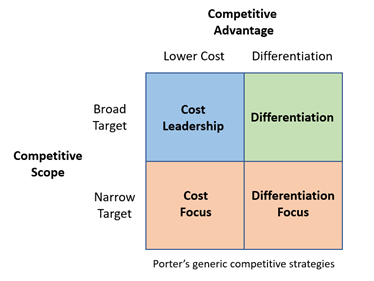
Image Source: Pipestone
This means regularly assessing how competitors are engaging with customers across different channels and finding ways to differentiate the brand. Competitor analysis tools can offer insights into their pricing models, product launches, and promotions.
For example, if a competing brand is offering same-day delivery, it may be time to assess the logistics required to offer a similar or better service.
While it’s tempting to mimic competitor strategies directly, D2C brands should always ensure they align these actions with their unique brand identity and core values.
Personalization, one of the pillars of omnichannel success, allows brands to create an experience that not only matches but exceeds customer expectations compared to competitors.
3. Integrating Online and Offline Channels
For D2C brands, the blending of online and offline experiences is critical for a cohesive omnichannel strategy. Customers often engage with a brand online before visiting a physical store, and vice versa.
This makes it essential to align inventory, pricing, and customer data across both channels. A connected system allows customers to check stock availability at physical stores through the brand’s website or app, reserve products for in-store pickup, or return items purchased online in-store.
A prime example of this integration is click-and-collect, which has become a popular option among consumers. Click-and-collect allows customers to purchase items online and pick them up in-store, offering a fast and convenient shopping experience.
This not only satisfies the demand for quick commerce but also drives additional in-store purchases when customers come to collect their items.
4. Personalization: A Key Differentiator in Omnichannel Strategy
One of the advantages of an omnichannel strategy is the ability to offer personalized experiences across all channels.
Data collected from customer interactions across platforms—whether it be through website behavior, in-store purchases, or social media activity—allows D2C brands to provide tailored product recommendations, personalized marketing messages, and relevant offers.
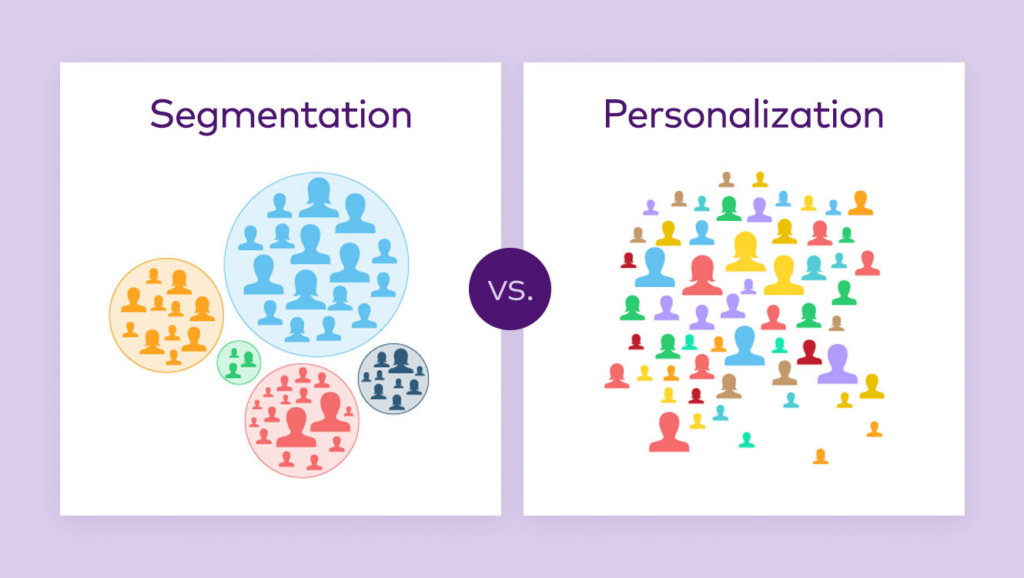
Image Source: Dynamic Yield
By leveraging artificial intelligence (AI) and machine learning, brands can analyze customer behavior patterns and predict future actions.
For instance, a customer who frequently browses athletic wear online may receive a targeted promotion for sports gear when they walk into a physical store. This level of personalization not only enhances the customer experience but also drives higher conversion rates.
5. Measuring Omnichannel Strategy Success
An effective omnichannel strategy requires continuous monitoring and evaluation. It’s not enough to simply integrate different channels; brands must measure how well these channels are working together to deliver a seamless experience.
Metrics such as customer retention rates, average order value, and cross-channel engagement provide insight into the success of the omnichannel approach.
Additionally, both voice of customer analytics and digital shelf analytics play a significant role in assessing omnichannel performance.
VoC feedback offers qualitative insights into the customer experience, while digital shelf data provides quantitative metrics such as conversion rates, traffic sources, and inventory turnover.
Together, these analytics help brands refine their strategy, ensuring that each channel contributes to a unified, effective customer journey.
The Omnichannel Model in Action: From Insight to Execution
The omnichannel model is the operational blueprint for a seamless customer experience. For omnichannel brands, it’s about more than just being present on multiple channels; it’s about creating a unified brand omnichannel presence where all parts work in concert.
Key components of a modern omnichannel business model include:
- Unified Commerce: A single view of inventory enabling services like buy-online-pickup-in-store (BOPIS) or seamless returns.
- Integrated Customer Service: A customer can start a query on social media and resolve it via email or phone without repeating themselves.
- Consistent Branding & Messaging: The brand’s voice, values, and promotions are harmonized across the omni channel.
- Fulfillment Flexibility: An omni channel delivery model that leverages stores as mini-fulfillment centers for speed.
Successful D2C brands master this model, ensuring that whether a customer interacts with them via an omni channel digital strategy, in a physical store, or on a marketplace, the experience feels intrinsically connected.
Advanced Tools: Personalization, Tracking, and Intelligence
To win in the omnichannel landscape, leverage advanced tactical tools:
- D2C Personalization Strategy: Use customer data (purchase history, browsing behavior) to deliver tailored product recommendations, content, and offers across all channels. This is the heart of modern omnichannel consumer behavior engagement.
- Omnichannel Tracking & Intelligence: Deploy tools for omnichannel monitoring to get a holistic view of performance. This includes omnichannel metrics (like cross-channel attribution) and platform-specific insights (e.g., omnichannel metrics amazon). Omnichannel shelf insights and physical availability marketing ensure your products are visible and in-stock everywhere online.
- Unified Analytics: Omni channel data analytics and omni channel customer analytics consolidate data to inform decisions on omni channel pricing, assortment, and customer channel strategy. This omnichannel intelligence is critical for strategic channel optimization.
Conclusion
In a market saturated with options, D2C brands must go beyond traditional marketing strategies to truly engage their customers.
Implementing an effective omnichannel strategy allows for seamless interactions across all touchpoints, enhancing customer experience, driving sales, and fostering brand loyalty.
Want to streamline your D2C marketing efforts? Let 42Signals empower your omnichannel strategy with data-driven insights to boost sales and loyalty. Schedule a demo today!
Frequently Asked Questions on Omnichannel Strategy
- What is the D2C fullform?
- D2C stands for Direct-to-Consumer. (Also seen as d2c fullform or d to c).
- What is D2C branding?
- D2c branding is the process of building a brand identity and relationship directly with the end-user, controlling the narrative and experience without retail intermediaries.
- What’s the difference between B2C vs D2C?
- B2C (Business-to-Consumer) is a broad term for any company selling to consumers, often through retailers. D2C is a subset of B2C where the brand sells directly without those retailers. An omnichannel b2c strategy can apply to both, but is crucial for D2C.
- What is channel integration in omnichannel?
- It’s the technical and strategic process of linking all sales and communication channels (website, store, app, marketplace) to share data (inventory, customer info) and provide a consistent experience. It’s the backbone of any omni channel offering or amazon channel strategy.