

Maximizing Sales and Brand Trust as an Authorized Dealer
Becoming an authorized dealer is essential for business growth, offering enhanced credibility, access to exclusive products, superior pricing, and crucial brand marketing support. This status allows dealers to build customer trust by guaranteeing authentic goods with full warranties. However, maintaining this privileged position requires strict adherence to Minimum Advertised Price (MAP) policies, which protect brand equity. Both dealers and manufacturers benefit from leveraging digital shelf analytics to proactively monitor pricing, ensure content quality, and maintain compliance, thereby maximizing sales performance and long-term profitability while avoiding costly penalties associated with MAP violations.
In this article, we’ll explore the benefits of becoming an authorized dealer, strategies to avoid MAP violations, and how leveraging digital shelf analytics can optimize your sales performance. Whether you’re a retailer, entrepreneur, or existing dealer, understanding these aspects can help you drive growth and build a lasting business.
Who is an Authorized Dealer?
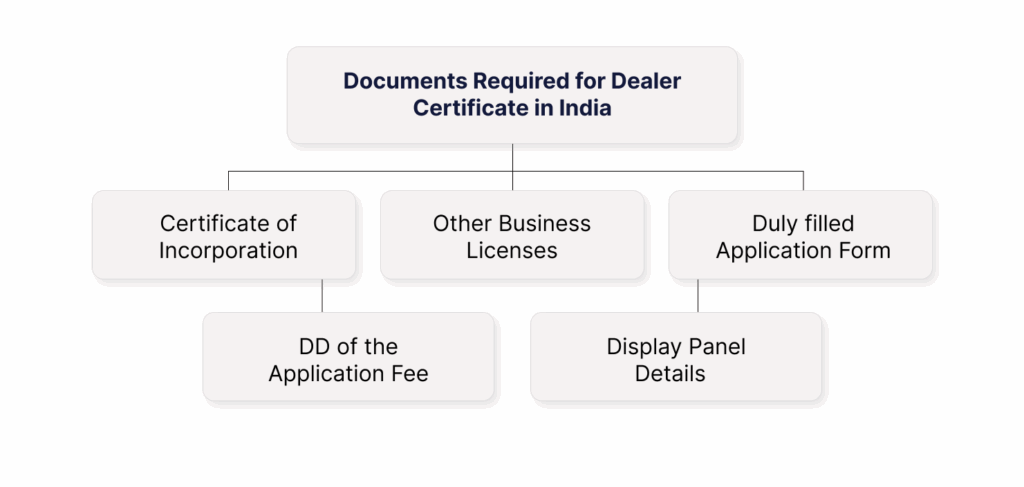
Image Source: Registration Wala
An authorized dealer is a business that has obtained official permission from a manufacturer or brand to sell their products. This means the dealer has met specific criteria set by the brand, ensuring that they uphold the quality and reputation of the product. Authorized dealers gain access to legitimate products, promotional materials, technical support, and the right to advertise themselves as an official representative of the brand.
Key Distinctions:
- Authorized Dealer vs. Authorized Retailer: Dealers often provide installation, service, and support; retailers focus primarily on sales
- Authorized vs. Unauthorized Sellers: Authorized partners have formal agreements and brand backing
- Online Authorized Retailer: Specifically approved for e-commerce sales with digital compliance requirements
For consumers, purchasing from an authorized dealer provides peace of mind that they’re buying a genuine product. For dealers, the status ensures legal protections, increased trust, and marketing support from well-known brands.
Types of Authorized Dealer Opportunities
1. Online Authorized Retailer Model
- E-commerce Focus: Selling through your website and major marketplaces
- Digital Compliance: Adhering to online MAP policies and brand guidelines
- Global Reach: Serving customers across multiple regions with brand approval
2. Brick-and-Mortar Authorized Dealer
- Physical Presence: Storefront operations with brand-approved displays
- Service Integration: Often includes installation, repairs, and maintenance
- Local Market Expertise: Deep understanding of community needs
3. Hybrid Authorized Dealer
- Omnichannel Approach: Combining online and physical retail
- Flexible Customer Experience: Buy online, pick up in store with brand support
- Integrated Service: Online sales with local installation capabilities
Five Business Benefits of Authorized Dealer Status
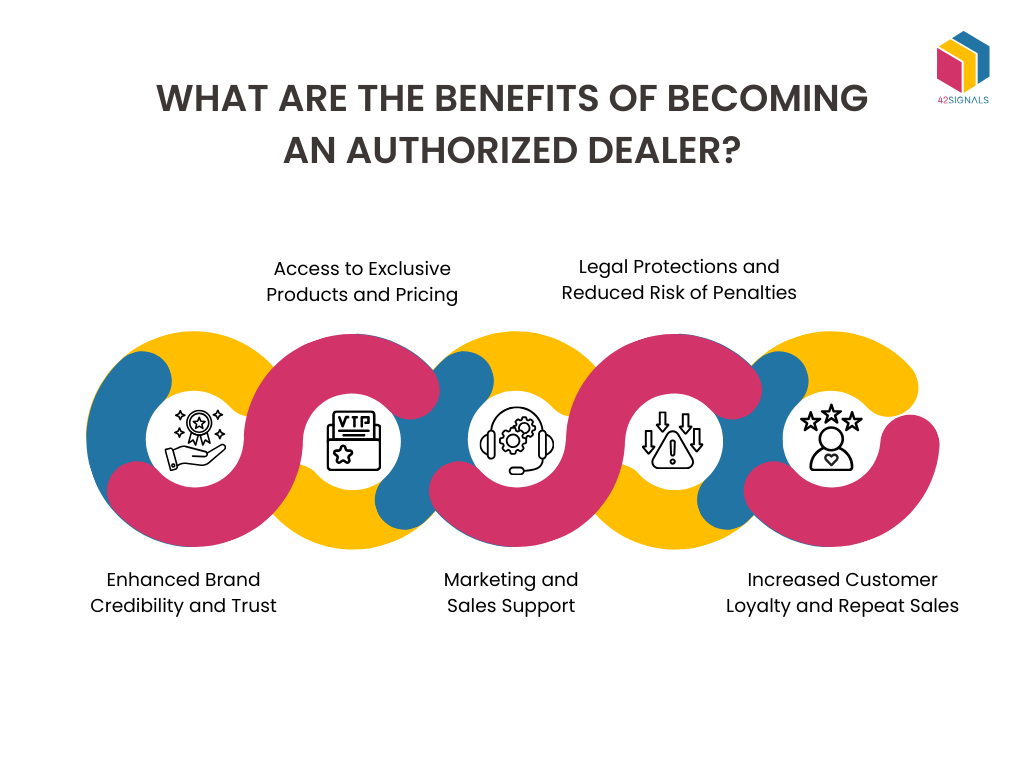
1. Enhanced Brand Credibility and Trust
One of the most immediate benefits of becoming an authorized dealer is the boost in credibility and trust. Customers prefer to purchase from businesses that are recognized by the brands they love. They know they’re getting authentic products backed by warranties, and they can trust your business to offer excellent customer service and product support.
Being an authorized dealer means you can confidently use the brand’s logos, participate in official promotions, and display your dealership status. This not only improves customer perception but also helps differentiate you from unauthorized sellers who may offer counterfeit or low-quality products.
2. Access to Exclusive Products and Pricing
As an authorized dealer, you gain access to exclusive products that aren’t available to unauthorized resellers. Many brands reserve special product lines or limited-edition items for their authorized dealer network, giving you a competitive edge in the market.
In addition, authorized dealers typically receive better pricing and terms from the manufacturer. This can improve your profit margins and allow you to offer competitive pricing to your customers, further boosting your sales.
3. Marketing and Sales Support
Most manufacturers provide significant marketing and sales support to their authorized dealers. This includes promotional materials, digital assets, and even co-op advertising funds to help boost your visibility. You may also receive training on how to best sell the product, along with technical support to address customer inquiries and troubleshoot issues.
By working closely with the brand, you can create a cohesive marketing strategy that aligns with their messaging and brand identity. This helps ensure consistency in branding and increases your chances of being featured in their marketing campaigns.
4. Legal Protections and Reduced Risk of Penalties
Operating as an authorized dealer ensures that you are selling products legally and ethically. You’ll avoid the risks associated with selling counterfeit goods or violating intellectual property laws. Moreover, you are protected against legal action from manufacturers, as you have the official right to sell their products.
This legal backing not only shields you from penalties but also gives you peace of mind that your business is operating within the bounds of the law, further reinforcing your reputation as a trusted seller.
5. Increased Customer Loyalty and Repeat Sales
When customers know they are buying from an authorized dealer, they are more likely to return to your store for future purchases. The trust that comes with selling authentic, high-quality products creates customer loyalty, leading to repeat sales and long-term relationships.
Authorized dealers often enjoy better customer reviews, higher satisfaction rates, and more referrals, all of which are essential for growing a business. Your relationship with the customer doesn’t end at the point of sale; it extends to after-sales service and ongoing product support, fostering a sense of reliability.
How Brands Use Digital Shelf Analytics to Monitor Their Authorized Dealer Networks
For manufacturers and brand owners, maintaining a healthy authorized dealer network is just as important as recruiting new dealers. Digital shelf analytics provides brand-side teams with the visibility needed to monitor, support, and enforce compliance across their entire reseller ecosystem.
What Brands Can Track Across Their Dealer Network
| Capability | What Brands Monitor | Why It Matters |
| MAP Compliance | Advertised prices across all authorized dealers | Prevents price erosion and protects brand value |
| Content Quality | Product titles, images, descriptions, and A+ content | Ensures consistent brand presentation |
| Availability | Stock status across dealers | Identifies supply gaps and demand hotspots |
| Search Visibility | Where dealer listings rank for branded and category keywords | Measures dealer SEO effectiveness |
| Review Aggregation | Star ratings and sentiment across dealer listings | Flags quality or service issues |
| Buy Box Ownership | Which dealer wins the Buy Box on marketplaces | Reveals competitive dynamics within your network |
Proactive vs. Reactive Network Management
Without digital shelf analytics (Reactive):
- You discover MAP violations when a dealer complains about being undercut (here’s a free map violations guide)
- You learn about poor product images when customers return items
- You find out about stockouts after lost sales accumulate
With digital shelf analytics (Proactive):
- Automated alerts trigger the moment a dealer advertises below MAP
- Dashboard shows content quality scores by dealer, ranked worst to best
- Real-time stock monitoring prevents out-of-stock situations
Using Analytics to Reward Top Performers
Beyond enforcement, digital shelf analytics helps brands identify and reward their best dealers. Metrics to track include:
- Highest search visibility for branded terms
- Best content completeness scores
- Fastest response to pricing or promotional guidance
- Highest customer review ratings
Brands can use this data to offer tiered benefits: early access to new products, higher allocation of limited inventory, or co-op advertising funds to top-performing authorized dealers.
How to Avoid MAP Violations and Protect Your Dealer Status
One of the critical responsibilities of being an authorized dealer is adhering to Minimum Advertised Price (MAP) policies. MAP policies are agreements set by manufacturers to ensure that retailers do not advertise products below a certain price. Violating these agreements can result in severe penalties, including the loss of your authorized dealer status.
How to Become an Authorized Dealer: Step-by-Step Process
Step 1: Research and Target Brand Selection
- Identify brands that align with your business model and customer base
- Research their existing dealer networks and gaps in market coverage
- Evaluate brand reputation, product quality, and partner support
Step 2: Meet Prerequisite Requirements
- Business Registration: Proper legal business structure and tax ID
- Financial Stability: Demonstrated financial health and business longevity
- Physical/Virtual Infrastructure: Appropriate facilities or e-commerce platform
- Industry Experience: Proven track record in relevant product categories
Step 3: Submit Application Through Proper Channels
- Visit brand websites and look for “Become a Dealer” or “Partner Programs”
- Complete detailed applications with business information and references
- Provide financial statements and business plans as required
Step 4: Agreement and Compliance
- Review and sign authorized dealer agreements
- Understand MAP policies, brand guidelines, and performance expectations
- Complete required training and certification programs
Step 5: Launch and Relationship Management
- Order initial inventory and set up marketing materials
- Establish regular communication with brand representatives
- Participate in ongoing training and partner programs
Online Authorized Retailer Opportunities
The online authorized retailer model has exploded with opportunities for digital-first businesses:
E-commerce Advantages:
- Lower Overhead: No physical storefront requirements
- Global Reach: Serve customers across wider geographic areas
- Scalability: Easily expand product offerings and customer base
- Data Analytics: Detailed insights into customer behavior and sales patterns
Platform-Specific Opportunities:
- Amazon Authorized Seller: Access to brand-approved product listings
- Shopify Premium Partners: Integration with brand inventory systems
- Marketplace Specialists: Focus on specific platforms like eBay or Walmart
Building Passive Income Through Authorized Retail
The authorized online retailer for passive income model leverages:
- Automated E-commerce: Set-and-forget online store operations
- Drop-Shipping Arrangements: Some brands handle direct shipping
- Subscription Models: Recurring revenue from authorized product subscriptions
- Affiliate Marketing: Commission-based sales of authorized products
Choosing the Right Authorized Dealer Program
Key Evaluation Criteria:
- Brand Reputation: Market position and customer perception
- Partner Support: Training, marketing, and technical resources
- Profitability: Margin structure and pricing competitiveness
- Exclusivity: Territory protection and competitive landscape
- Growth Potential: Product pipeline and market trends
Red Flags to Avoid:
- Unclear MAP policies or inconsistent enforcement
- Poor communication from brand representatives
- Overly restrictive terms without adequate support
- History of channel conflict with direct-to-consumer sales
Maximizing Your Authorized Dealer Success
Effective Inventory Management
- Demand Forecasting: Use sales data to optimize stock levels
- Seasonal Planning: Align inventory with peak selling periods
- New Product Integration: Quickly adopt and promote new offerings
Strategic Marketing Execution
- Co-branded Campaigns: Leverage brand assets for local marketing
- Digital Presence: Optimize website and social media with brand content
- Local Events: Participate in brand-approved community activities
Customer Experience Excellence
- Product Expertise: Deep knowledge of brand products and features
- Service Quality: Exceptional pre-sale and post-sale support
- Relationship Building: Develop loyal customer communities
Overcoming Authorized Dealer Challenges
MAP Compliance Management
- Automated Monitoring: Use tools to ensure pricing compliance
- Competitive Intelligence: Track unauthorized seller activity
- Brand Communication: Report violations and seek enforcement support
Inventory and Supply Chain
- Stock-out Prevention: Maintain optimal inventory levels
- Supply Chain Coordination: Work closely with brand logistics
- Returns Management: Efficient handling of warranty and returns
Competitive Pressures
- Value Differentiation: Compete on service, not just price
- Exclusive Offerings: Leverage authorized-only products and services
- Customer Education: Highlight benefits of buying from authorized sources
Why MAP Compliance Is Non-Negotiable for Authorized Dealers
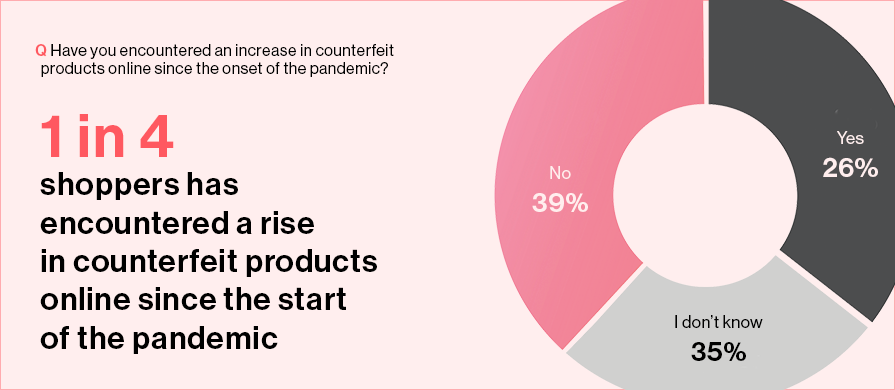
Image Source: Intelligence Node
MAP policies via MAP monitoring software are designed to protect brand value and prevent price wars that could erode market integrity. When dealers undercut prices, it not only harms their profit margins but also damages the perceived value of the brand. For authorized dealers, adhering to MAP policies ensures a level playing field, where businesses compete on service, quality, and customer experience rather than price alone.
MAP Violation Consequences: Real Numbers and Penalties
MAP violations are not harmless mistakes. They carry real financial and operational consequences for authorized dealers. Here are specific examples of what happens when dealers violate MAP policies.
Penalty Structure Examples (Actual Industry Standards)
| Violation Severity | Consequence | Financial Impact |
| First offense (minor) | Written warning + 48-hour cure period | $0 (if corrected) |
| First offense (severe, >15% below MAP) | Immediate 30-day supply hold | $10,000–$50,000 in lost sales |
| Second offense (any) | 90-day supply suspension + co-op funds revoked | $5,000–$20,000 in lost marketing support |
| Third offense | Permanent termination of authorized status | $100,000+ in lost annual revenue |
| Pattern of violations | Legal action for breach of contract | $50,000+ in legal fees and damages |
Real-World Example: Electronics Brand
A consumer electronics brand with 200 authorized dealers implemented automated MAP monitoring. In the first 90 days:
- 47 dealers received first warnings
- 12 dealers received second warnings after repeat violations
- 5 dealers had supply suspended for 30 days
- 2 dealers were permanently terminated
Financial impact for terminated dealers:
- Dealer A: Lost $180,000 in annual revenue
- Dealer B: Lost $95,000 in annual revenue
- Both had to liquidate remaining inventory at a loss (estimated 40% margin erosion)
Brand-side benefit: After enforcement, overall MAP compliance rose from 78% to 96%. Compliant dealers reported 12% higher average order values because they could compete on service, not just price.
The Cost of Ignoring Violations
A home goods brand that did not enforce MAP for 18 months experienced:
| Metric | Before Lax Enforcement | After 18 Months of No Enforcement |
| Average selling price | $89 | $67 |
| Dealer count | 150 | 98 |
| Brand search sentiment | 4.2 ★ | 3.1 ★ |
| Dealer margin | 35% | 18% |
By the time the brand implemented monitoring and enforcement, they had lost 52 dealers and suffered permanent brand devaluation.
Strategies to Avoid MAP Violations
- Implement Pricing Tools: Use automated tools for MAP price violation detection to monitor your prices and ensure they remain compliant with MAP policies. These tools can alert you when your prices fall below the minimum threshold, helping you avoid accidental violations.
- Communicate with the Brand: If you plan to run promotions or discounts, it’s essential to communicate with the manufacturer to ensure compliance with their pricing policies.
- Educate Your Team: Ensure that everyone on your sales and marketing teams understands MAP policies and the consequences of violations. By fostering a culture of compliance, you can avoid costly mistakes.
The Future of Authorized Dealer Opportunities
Technology Integration
- AI-Powered Analytics: Predictive inventory and pricing optimization
- Blockchain Verification: Transparent supply chain and product authentication
- AR/VR Showrooms: Virtual product demonstrations and training
Evolving Business Models
- Subscription Services: Recurring revenue through authorized maintenance
- Experience Centers: Physical locations focused on brand immersion
- Mobile Services: Authorized installation and repair on-demand
Global Expansion
- Cross-Border E-commerce: Selling authorized products internationally
- Localized Partnerships: Cultural adaptation of brand experiences
- Regulatory Compliance: Navigating international trade requirements
Digital Shelf Analytics to Improve Sales Performance
In today’s digital age, it’s not enough to simply become an authorized dealer—you must also optimize your sales strategy to stay ahead of the competition. Digital shelf analytics is a powerful tool that can help you track and improve your online presence, ensuring that your products are visible, priced competitively, and presented attractively.
What is Digital Shelf Analytics?
Digital shelf analytics involves tracking and analyzing the performance of your products across various online platforms. This includes monitoring product listings, pricing, customer reviews, stock levels, and more. By gathering this data, you can make informed decisions to enhance your product visibility and drive sales.
Key Benefits of Digital Shelf Analytics
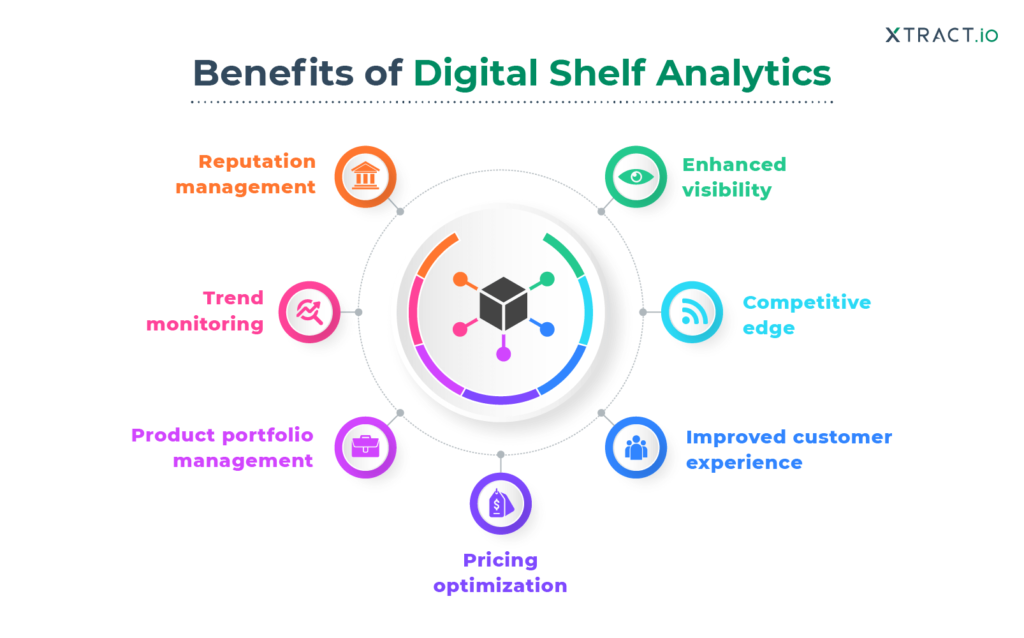
Image Source: Xtract.io
- Price Monitoring: Stay on top of pricing trends with price benchmarking analytics and ensure that your prices remain competitive while adhering to MAP policies. Digital shelf analytics can help you identify when competitors are undercutting prices or when there’s an opportunity to adjust your pricing for better margins.
- Inventory Management: Track stock levels in real-time to avoid running out of popular products. Ensuring product availability is crucial for maximizing sales and maintaining customer satisfaction.
- Customer Feedback: Analyze customer reviews and ratings to identify trends and address any product or service issues. Positive reviews can drive more sales, while addressing negative feedback quickly can prevent lost business.
- Competitor Insights: Gain valuable insights with competitor price intelligence into how your competitors are positioning their products. This data can help you refine your marketing strategies and highlight your advantages as an authorized dealer.
Authorized Dealer vs. Unauthorized Seller: Digital Shelf Performance Comparison
How do authorized dealers stack up against unauthorized sellers across key digital shelf metrics? This comparison table shows why brands prefer authorized channels and why customers benefit.
| Performance Metric | Authorized Dealer | Unauthorized Seller | Difference |
| Product Authenticity | 100% genuine | Risk of counterfeit (30%+ in some categories) | Customer trust |
| Warranty Coverage | Full manufacturer warranty | None or limited | Customer protection |
| MAP Compliance | Typically compliant (80–95%) | Frequently violate (30–50% below MAP) | Brand value |
| Content Quality | Brand-provided images and descriptions | Often poor, stolen, or incomplete | Conversion rate |
| Customer Review Rating | Average 4.2–4.5 ★ | Average 3.0–3.8 ★ | Customer satisfaction |
| Return Policy | Standard (30–90 days) | Often restrictive (7–14 days) or unclear | Purchase confidence |
| Shipping Speed | Consistent (2–5 days) | Inconsistent (5–14+ days) | Customer experience |
| Customer Service | Dedicated support | Hard to reach or nonexistent | Post-sale experience |
| Buy Box Win Rate (Amazon) | Higher (brand preference signals) | Lower (price-driven only) | Marketplace visibility |
| Repeat Purchase Rate | 35–45% | 10–20% | Lifetime value |
Key Takeaway for Brands
Unauthorized sellers may temporarily win on price, but they lose on every other dimension that drives long-term customer loyalty. Investing in authorized dealer monitoring and support directly improves the metrics that matter: customer satisfaction, repeat purchases, and brand equity.
Case Study: How Our Client Improved MAP Compliance by 34% in 6 Months
Note: This case study uses a composite example based on real industry data. Specific brand name withheld for confidentiality.
The Brand
A mid-sized consumer electronics brand selling headphones, speakers, and accessories. They had 85 authorized dealers across the US and Canada, selling primarily on Amazon, Walmart Marketplace, and their own DTC site.
The Problem
Over 18 months, the brand noticed:
- Increasing customer complaints about pricing inconsistencies
- 15 dealers consistently advertising below MAP (as low as 25% under)
- Compliant dealers threatening to drop the brand
- Average selling price declining 18% year-over-year
- Brand search sentiment dropping from 4.4★ to 3.7★
The brand had no automated monitoring system. They relied on manual checks (once per week) and dealer self-reporting.
The Solution
The brand implemented a digital shelf analytics platform (42Signals) with:
- Automated MAP monitoring across all dealer listings (daily scans)
- Real-time alerts for price violations (email and Slack)
- Historical price tracking to identify repeat offenders
- Content quality scoring to improve dealer listings
- Competitor benchmarking against unauthorized sellers
The Implementation Timeline
| Month | Action |
| Month 1 | Platform setup, dealer onboarding, baseline audit |
| Month 2 | Soft launch: monitoring only, no enforcement (gathered data) |
| Month 3 | First warnings issued to 18 dealers with violations |
| Month 4 | Second warnings + 30-day supply hold for 6 repeat offenders |
| Month 5 | Termination of 3 dealers with persistent violations |
| Month 6 | Full enforcement; new dealer onboarding with MAP training |
The Results
| Metric | Before (Month 0) | After (Month 6) | Change |
| MAP Compliance Rate | 66% | 90% | +34% |
| Average Selling Price | $89 | $104 | +17% |
| Dealer Satisfaction Score | 3.2/5 | 4.5/5 | +41% |
| Customer Price Complaints | 45 per month | 12 per month | -73% |
| New Dealer Applications | 3 per month | 11 per month | +267% |
| Brand Sentiment Score | 3.7★ | 4.3★ | +0.6★ |
Key Lessons Learned
- Data changes behavior. When dealers saw their own compliance scores compared to peers, many self-corrected without formal warnings.
- Consistent enforcement builds trust. Compliant dealers became brand advocates once they saw violations being addressed.
- Technology pays for itself. The brand saved an estimated $240,000 in prevented margin erosion in the first year, against a software cost of $18,000 (13x ROI).
- Onboarding matters. New dealers who received MAP training during onboarding had 90% fewer violations than legacy dealers.
What the Brand’s Head of Channel Sales Said

“Before automated monitoring, I spent 10 hours a week manually checking prices and another 5 hours on angry dealer calls. Now I spend 2 hours a week reviewing alerts and working with our best partners. The ROI isn’t just in margin – it’s in my team’s sanity.”
Conclusion on Becoming an Authorized Dealer
Becoming an authorized dealer provides a wealth of opportunities to grow your business, from enhanced credibility and access to exclusive products to legal protections and increased customer loyalty. By following MAP policies and leveraging digital shelf analytics, you can avoid pitfalls and maximize your sales performance.
Managing an authorized dealer network requires real-time visibility into who is selling your products, at what price, and whether they are MAP-compliant. Book a 42Signals demo and we’ll show you how our authorized dealer monitoring dashboard works for your specific category.
Frequently Asked Questions
What are the benefits of working with a dealer offering multiple equipment brands?
A multi-brand authorized dealer provides:
Comprehensive Solutions: Complete systems from compatible brands
One-Stop Shopping: Convenience for customers needing related products
Expert Comparison: Objective advice on different brand options
Bundle Opportunities: Cross-brand promotions and packages
How does buying from an authorized truck dealer benefit businesses?
Authorized truck dealers offer:
Genuine Parts: Assurance of quality and compatibility
Warranty Protection: Full manufacturer warranty coverage
Expert Service: Factory-trained technicians
Resale Value: Proper maintenance records and brand certification
What’s the value of buying from an authorized Rolex dealer?
Rolex authorized dealers provide:
Authenticity Guarantee: Certified genuine products
Full Warranty: International warranty coverage
Service Excellence: Factory-trained watchmakers
Investment Protection: Proper documentation for value retention
How can I become an authorized online retailer for passive income?
The path includes:
Researching brands with strong e-commerce support
Building a professional online presence
Applying through official channels
Implementing automation for order processing
Focusing on high-margin, repeat purchase products
What are the benefits of partnering with a trusted brand distributor?
Trusted distributors offer:
Supply Chain Reliability: Consistent product availability
Market Intelligence: Insights into industry trends
Logistics Support: Efficient shipping and handling
Relationship Access: Connections to multiple brands