
Becoming an authorized reseller for a brand carries significant weight. It’s more than just obtaining permission to sell products from a specific manufacturer or company. It symbolizes trust, credibility, and a formal business relationship with the brand.
For retailers and distributors, this status can open the door to greater opportunities, better customer relationships, and long-term success. But what does it truly mean to become an authorized reseller, and how does it help in building credibility?
This guide covers what authorized reseller status means, how it differs from being a dealer, distributor, or retailer, what Apple’s authorized reseller programme specifically involves, the benefits it delivers, and the steps required to become authorized by a brand.
Reseller Meaning: What Is a Reseller?
A reseller is a business or individual that buys products from a manufacturer, brand, or distributor and sells them on to end customers, usually at a markup. Resellers do not manufacture the products they sell; their value comes from distribution reach, customer relationships, and service.
Reselling covers a wide range of business models, from independent electronics retailers to enterprise software partners. The critical distinction between resellers is whether the brand has authorized them:
| Type | Relationship to the Brand | Brand Authorization |
|---|---|---|
| Authorized reseller | Has a formal reseller agreement; sells genuine products under brand-approved terms | Yes |
| Unauthorized reseller | Sources through grey market, liquidation, or arbitrage channels; no agreement with the brand | No |
| Distributor | Buys in bulk from the brand and supplies retailers, dealers, and resellers rather than end customers | Yes — distribution agreement |
| Dealer | Sells to end customers, usually with installation, service, or technical support attached | Usually — dealership agreement |
| Retailer | Sells directly to consumers; authorization depends on where they source stock | Depends on sourcing |
This distinction matters to buyers because it determines whether they receive a genuine product, a valid manufacturer warranty, and recourse if something goes wrong. It matters to brands because unauthorized resellers can undercut pricing, sell diverted or counterfeit stock, and damage brand reputation without being accountable to anyone.
What is an Authorized Reseller?
Authorized reseller definition: An authorized reseller is a business or individual that has been officially approved by a brand or manufacturer to sell its products, under terms set out in a reseller agreement covering pricing, territory, sales channels, and customer service standards.
Key Characteristics:
- Formal Permission: Granted directly by the brand owner.
- Official Product Data: Access to accurate images, descriptions, and specifications.
- Brand Support: Often includes training, marketing materials, and customer service backing.
- Warranty & Authenticity: Products come with full manufacturer warranties and guarantees against counterfeits.
Related Terms Explained:
- Authorized Retailer: Similar to a reseller, often implying a direct-to-consumer sales model.
- Authorized Dealer: Typically offers added services like installation, repair, and support (common for cars, high-end electronics).
- Authorized Distributor: Acts as a wholesaler, selling in bulk to other businesses and resellers, not directly to end consumers.
- Certified Reseller: May imply additional training or specialization in certain product categories.

Image Source: L Lounge
This relationship is often formalized through a reseller agreement, which outlines the terms and conditions of the partnership.
The manufacturer grants permission to the reseller to market and sell their products, while often providing support in areas like product training, marketing resources, and customer service.
Resellers who are authorized by the brand generally get access to official product data, which allows them to represent the brand accurately.
This can include product distribution rights, exclusive pricing structures, and protection from unauthorized resellers.
What Does Apple Authorized Reseller Mean?
Apple Authorized Reseller (AAR) is Apple’s official programme for businesses that sell Apple products — Mac, iPad, iPhone, and accessories — to end customers. An Apple Authorized Reseller has been vetted by Apple, signed Apple’s reseller agreement, and met Apple’s requirements for staff training, store presentation, and customer experience.
What Apple authorized reseller status means in practice:
- Genuine products with valid warranty: AAR businesses source directly from Apple or Apple-authorized distributors, so products carry Apple’s standard limited warranty and are eligible for AppleCare.
- Apple-certified staff: Apple requires AAR businesses to maintain staff who have completed Apple product training, so customers get accurate advice on configurations and compatibility.
- No grey market risk: Products sold through unauthorized channels may be region-locked, carry different warranty terms, or be refurbished units sold as new. AAR status removes that risk.
- How to verify: Apple maintains a Find a Reseller locator at apple.com/buy listing all authorized partners. When buying Apple products from any online retailer, check the locator rather than relying on the seller’s own claim.
What is the Importance of Reseller Agreements?
One of the key components of becoming an authorized reseller is the reseller agreement.
This legal contract between the brand and the reseller outlines the responsibilities of both parties. These agreements provide clarity on the terms of product distribution, including pricing, areas of operation, and branding guidelines.
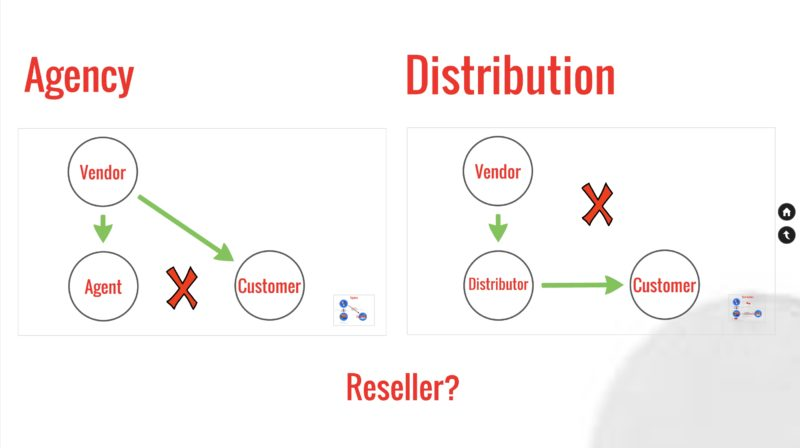
Image Source: Michalsons
They can also specify any restrictions or conditions that must be met, such as sales targets or adherence to pricing policies to prevent Minimum Advertised Price (MAP) violations.
Reseller agreements not only provide a framework for the business relationship but also help safeguard the brand’s reputation.
They ensure that resellers are held to high standards and that customers receive consistent, reliable service across all touchpoints. For example, a reputable brand will not tolerate an authorized reseller selling counterfeit or low-quality products, or violating MAP policies.
As a result, both the brand and the reseller are incentivized to maintain a high level of professionalism and quality control.
What a reseller agreement typically covers:
- Approved sales channels — whether you may sell online, in-store, on marketplaces like Amazon, or all three
- Territory — the geographic regions in which you are authorized to sell
- Minimum Advertised Price (MAP) obligations — the lowest price you may publicly advertise
- Sales targets or minimum order volumes
- Branding and marketing guidelines — how you may use the brand’s name, logo, and product imagery
- Customer service standards you are required to maintain
- Grounds for termination — most commonly, repeated MAP violations or selling outside approved channels
How to Find and Verify Authorized Resellers?
Before we dive into becoming one, it’s crucial to know how to find and verify authorized resellers. This is a common search for cautious consumers and a best practice for businesses sourcing products.
For Consumers: How to Verify an Authorized Reseller
- Check the Brand’s Official Website: This is the most reliable method. Most reputable brands have a “Where to Buy,” “Find a Retailer,” or “Authorized Resellers” page on their website. Use this tool to search for the store you’re considering.
- Look for Official Badges: Authorized resellers often display a badge or seal on their website, such as “Apple Authorized Reseller” or “Samsung Authorized Partner.” Click on the badge—it should link back to a verification page on the brand’s site.
- Be Wary of Prices That Are Too Good to Be True: If a price is significantly lower than every other retailer, it’s a major red flag. This often indicates an unauthorized seller dealing in grey market goods, counterfeits, or products that will not be eligible for a valid manufacturer’s warranty.
- Contact the Brand Directly: If you’re unsure, reach out to the brand’s customer service department with the seller’s name and website. They can confirm the business’s authorized status.
For Businesses: The Verification Standard
As a future reseller, your goal is to be listed on that official “Where to Buy” page. This is the ultimate trust signal for customers and a key benefit of the authorization process.
How to Become an Authorized Reseller: A Step-by-Step Process
For businesses, obtaining authorized status is a strategic move. Here’s a general process:
- Identify Target Brands: Research brands that align with your business model and customer base.
- Meet Prerequisites: Ensure you have:
- A registered business and tax ID
- A professional website and/or physical store
- Industry experience and references
- Apply Through Official Channels: Visit the brand’s website and look for a “Become a Reseller,” “Partner Program,” or “Distribution” section.
- Submit Your Application: This may include providing business financials, your marketing plan, and target market details.
- Sign the Reseller Agreement: Carefully review the contract outlining pricing, territories, MAP policies, and brand guidelines.
- Fulfill Requirements: This may involve initial training, meeting Minimum Order Quantities (MOQs), or paying program fees.
Examples of Major Brand Programs:
Amazon Authorized Reseller: Can mean either selling as an authorized partner for other brands on Amazon, or being vetted by Amazon itself for certain categories.
Apple Authorized Reseller: Highly selective, requiring a premium retail environment and specific staff training.
How Becoming an Authorized Reseller Helps Build Credibility
1. Brand Association Being an Authorized Reseller
Being associated with a well-known and respected brand gives your business instant credibility.
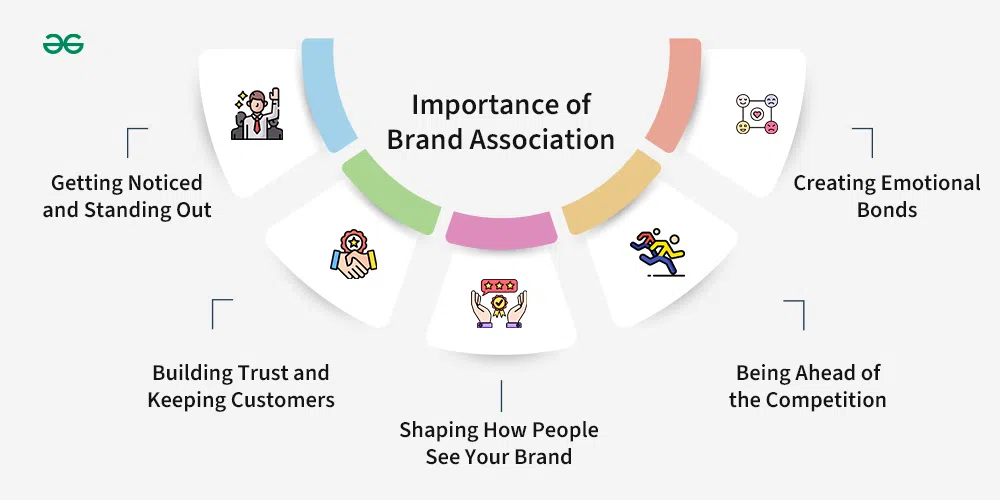
Image Source: Geeks for Geeks
Customers are more likely to trust your store or website when they see that you are an official reseller of a reputable brand. It’s a stamp of approval from the manufacturer that your business meets their rigorous standards for product representation, sales expertise, and customer service.
This vetting process is not easily passed; brands meticulously evaluate a potential reseller’s financial stability, market reputation, and operational capabilities before granting authorization. Therefore, when you display that “Authorized Reseller” badge, you are signaling to customers that a major corporation has already done the due diligence on your behalf.
This association can be particularly powerful in industries where the brand name is synonymous with quality. For example, becoming an authorized reseller for premium electronics brands like Apple, Sony, or Dell, luxury goods from designers like Yeti or Dyson, or popular software brands like Adobe or Microsoft instantly positions your business as a trustworthy and knowledgeable source for those products.
Customers who are wary of counterfeits, grey-market goods, or poor-quality imitations will actively seek out authorized resellers, often willing to pay a slight premium for the assurance of authenticity, full manufacturer warranties, and guaranteed support. This trust directly translates into higher conversion rates and average order values, as customers feel confident making significant purchases.
2. Access to High-Quality Product Data
One of the most significant yet understated benefits of being an authorized reseller is privileged access to detailed, accurate, and rich product data directly from the brand’s Product Information Management (PIM) system. This data can include high-resolution images, 360-degree videos, detailed technical specifications, compatible accessories, pricing information, promotional materials, and even localized content for different regions.
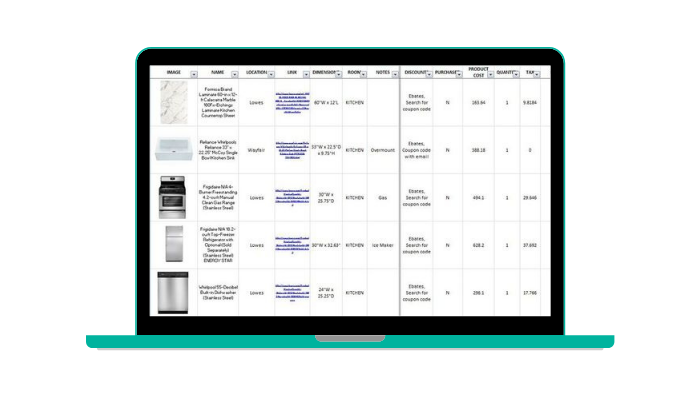
Image Source: Gepard
With access to this accurate and up-to-date product information, authorized resellers can ensure they are presenting products perfectly on their digital shelves. Inconsistencies in product data are a primary reason for shopping cart abandonment and customer returns.
A customer who orders a “black” speaker only to receive a “graphite” one due to an incorrect image on the product page is likely to return it and lose faith in the retailer. Authorized resellers avoid this pitfall.
This accuracy not only helps resellers avoid Minimum Advertised Price (MAP) violations but also dramatically improves their performance on digital shelf analytics, which track how well products are represented and positioned online.
Search algorithms on platforms like Amazon and Google Shopping prioritize listings with complete, accurate, and frequently updated data. By maintaining correct and comprehensive product attributes—from weight and dimensions to key features and keywords—authorized resellers achieve better visibility, higher rankings, and more click-through rates on ecommerce platforms.
This enhanced digital presence is a critical form of credibility in the online world, signaling to both algorithms and consumers that the store is a professional and reliable source.
By maintaining correct product data and pricing, authorized resellers can achieve better visibility and rankings on ecommerce platforms, enhancing their credibility and driving more sales.
3. Protection Against Unauthorized Resellers
One of the major challenges in today’s digital marketplace is the prevalence of unauthorized resellers. These sellers, often operating on large marketplaces without the consent or knowledge of the brand, may sell counterfeit, refurbished-sold-as-new, damaged, or even stolen products.
They frequently operate with a short-term mindset, disregarding MAP policies to undercut prices on a race to the bottom, and they almost universally provide abysmal or non-existent customer service and post-sales support. This activity severely harms the brand’s reputation, but it also creates an unfair and frustrating competitive landscape for legitimate businesses.

Seller Intelligence by 42Signals
Becoming an authorized reseller protects you from this by clearly and officially differentiating your business from these unauthorized sellers. You can prominently display your authorized status badges on your website, product pages, and marketing materials. Savvy consumers are increasingly aware of the risks of buying from unverified sources and will look for this certification.
Furthermore, brands have a vested interest in protecting their authorized network. Many actively employ brand protection programs and services, like Seller Intelligence by 42Signals, to monitor the digital landscape, identify unauthorized sellers, and take legal action to shut them down.
As an authorized partner, you are not alone in this fight. You gain access to better wholesale pricing, dedicated support teams, and the legal muscle of the brand itself. This creates a moat around your business, ensuring you can compete on value and service rather than being forced into a damaging price war with disreputable actors.
Brands also vigorously monitor and enforce MAP policies to protect the value of their products for all partners, ensuring that authorized resellers can maintain healthy profit margins—a key to long-term business sustainability.
4. Enhanced Marketing and Support for an Authorized Reseller
As an authorized reseller, you gain access to a arsenal of exclusive marketing resources and support directly from the brand. This is a force multiplier for your own marketing efforts.
This can include a wealth of co-branded marketing materials such as professionally produced logos, banners, email templates, and social media content that feature both your store’s identity and the powerful brand’s imagery. This not only saves significant time and production costs but also lends a level of professional polish to your campaigns that can be difficult to achieve independently.
Beyond assets, this partnership often includes early access to new product launches, secret sale events, and comprehensive product training for your sales team. A well-trained team that can speak authoritatively about the technical nuances of a product inspires confidence and closes more sales, especially for complex or high-ticket items.
Additionally, the customer support provided by the brand is often extended to authorized resellers. This means that if a customer encounters a technical issue you cannot solve, you have a direct line to the manufacturer’s technical support experts for escalation. This is critical in building long-term customer relationships and loyalty.
Shoppers are far more likely to return to a retailer who offers comprehensive, hassle-free support and service. They know that their investment is protected not just by you, but by the manufacturer standing behind you. This dramatically reduces the perceived risk of a purchase and transforms a single transaction into the foundation of a lasting customer relationship built on trust and proven credibility.
This is critical in building long-term customer relationships, as shoppers are more likely to return to a retailer who offers comprehensive support and service, particularly for high-ticket items or technical products.
Authorized Reseller vs Dealer vs Distributor vs Retailer
These four terms are often used interchangeably but describe genuinely different roles in a brand’s distribution chain:
| Attribute | Authorized Reseller | Authorized Dealer | Authorized Distributor | Authorized Retailer |
|---|---|---|---|---|
| Sells to | End customers (B2B or B2C) | End customers, with service attached | Retailers, dealers, resellers — not end customers | Consumers, in-store or online |
| Agreement type | Reseller agreement | Dealership agreement, often territorial | Distribution agreement, often exclusive by region | Retail agreement or reseller agreement |
| Stock volume | Low to medium | Medium | High — bulk purchasing | Medium |
| Brand focus | Usually multi-brand | Often one or few brands | Often many brands | Usually multi-brand |
| Adds service? | Sometimes | Yes — installation, repair, training | Rarely — supply chain role only | Sometimes |
| Warranty valid? | Yes | Yes | Yes | Yes, if authorized |
What Is an Online Authorized Retailer?
An online authorized retailer is a brand-approved seller that operates primarily or exclusively through digital channels — its own ecommerce site, a marketplace storefront such as Amazon or Walmart, or both. The ‘authorized’ designation carries the same meaning as it does for a physical store: a signed agreement with the brand, genuine stock, valid warranty coverage, and accountability to the brand’s pricing and service standards.
Buyers should verify online authorized retailer status through the brand’s official retailer directory rather than relying on badges displayed on the seller’s own site, since unauthorized sellers sometimes claim authorization they do not hold.
How to Become an Authorized Reseller: Step by Step
- Identify brands with reseller programmes. Most established brands run a formal reseller or partner programme. Look for ‘Become a Reseller’, ‘Partner Programme’, or ‘Channel Partners’ on the brand’s website. Apple, for example, runs its AAR application through its business reseller page.
- Check the eligibility requirements before applying. Typical requirements include a registered business entity with a valid trading licence, a functioning storefront (physical or online) that meets the brand’s presentation standards, minimum order or revenue commitments, and evidence of a legitimate customer base.
- Submit a formal application. Applications generally ask for company registration details, business type, estimated annual sales volume, a description of your target market, and references from other brand partners if you have them. Brands vet applications and approve only those that fit their distribution strategy.
- Review and sign the reseller agreement. Read the MAP obligations, territory restrictions, approved channels, and termination clauses carefully before signing. MAP terms in particular are legally binding and are the most common cause of authorization being revoked.
- Complete any required product training. Brands in electronics, technology, and technical equipment categories often require authorized resellers to complete certified product training before they can begin selling.
- Source stock and set up your listings. Buy through the brand or its authorized distributors only. Display your authorized reseller status on your storefront and product listings, and follow the brand’s content guidelines for descriptions, images, and pricing displays.
- Maintain compliance to keep your status. Authorization is renewable, not permanent. Brands audit resellers for MAP compliance, customer satisfaction, and sales performance. Monitoring your own listings for accidental pricing violations is as important as meeting sales targets.
How to Avoid MAP Violations and Maintain Integrity?
Maintaining adherence to a brand’s Minimum Advertised Price (MAP) policy is critical for authorized resellers.
MAP policies are put in place by brands to ensure a level playing field among resellers and to maintain the perceived value of their products.
When resellers violate MAP policies by advertising prices below the set minimum, it not only damages the brand’s reputation but can also lead to penalties such as termination of the reseller agreement.

Brands invest heavily in their image and product value, and they expect authorized resellers to uphold this integrity by following pricing guidelines.
By avoiding MAP violations, authorized resellers show their commitment to the brand’s goals, which can lead to long-term benefits like priority in product allocation, better margins, and additional marketing support.
The most common ways authorized resellers accidentally breach MAP:
- Automated repricing tools that undercut the MAP threshold when competitors drop their prices
- Coupon and promotion stacking where an applied discount takes the effective advertised price below MAP, even though the listed price is compliant
- ‘Add to cart’ price reductions where the listing price looks compliant but the checkout price is lower
- Social media promotions advertising a percentage discount that makes the effective price visible and below MAP
- Marketplace bundle listings where the implied per-unit price of a bundled product falls below MAP
Monitoring your own listings across every channel you sell on — not just checking manually when you remember — is the practical way to avoid losing authorization to an unintentional violation.
The Role of Digital Shelf Analytics
In the digital age, digital shelf analytics play a crucial role in how products are represented and sold online. These tools help brands and resellers track the performance of their products across various online platforms, from ecommerce giants like Amazon to smaller niche websites.
As an authorized reseller, being diligent about how your products appear on the digital shelf is essential. Factors like accurate product data, correct pricing, and optimized search performance all contribute to higher visibility and sales.
Digital shelf analytics provide insights into where your products are being listed, how they’re ranked, and what improvements can be made to optimize their performance.
By leveraging these analytics, authorized resellers can stay ahead of unauthorized sellers, ensuring that their products are not only compliant with brand guidelines but also competitive in the online marketplace.
Conclusion
Becoming an authorized reseller is a vital step for any business looking to build credibility in a crowded marketplace. Through a formal reseller agreement, businesses gain access to trusted brands, high-quality product data, and protection against unauthorized resellers.
This status allows resellers to provide their customers with authentic products, reliable support, and an enhanced shopping experience.
By becoming an official reseller, businesses position themselves as trustworthy partners in the eyes of both the brand and the consumer. But authorization is not a one-time achievement it is an ongoing commitment to the pricing, service, and content standards set out in the reseller agreement. The resellers who hold their status longest are the ones who treat MAP compliance and listing accuracy as operational disciplines rather than paperwork.
For brands managing a network of authorized resellers, the biggest compliance risk is pricing MAP violations that get discovered weeks after the damage to retailer relationships is already done. 42Signals monitors your reseller network for MAP compliance in real time, capturing evidence at the moment of violation so enforcement happens in hours rather than weeks. Contact us at sales@42signals.com to see how it works for your reseller programme.
Frequently Asked Questions
What is an authorized reseller?
An authorized reseller is a company or individual that has been officially approved by a brand or manufacturer to sell its products. The approval is documented in a reseller agreement covering territory, approved sales channels, minimum advertised pricing, and customer service obligations. Authorized resellers source stock directly from the brand or its approved distributors, which means customers receive genuine products covered by the manufacturer’s warranty. The designation separates authorized resellers from grey market sellers who have no relationship with the brand and may supply diverted, counterfeit, or warranty-void stock.
What does authorized reseller mean?
Authorized reseller means a business has permission from a brand to sell its products under the brand’s stated conditions. When a listing or storefront shows ‘authorized reseller’, it means the seller has a signed agreement with the brand, sources products through legitimate channels, is accountable to the brand for how products are sold and supported, and that anything sold carries a valid manufacturer warranty. The terms ‘authorized seller’, ‘official reseller’, and ‘certified reseller’ are used interchangeably by different brands to describe the same status.
What does Apple Authorized Reseller mean?
Apple Authorized Reseller means a business has been vetted by Apple, signed Apple’s reseller agreement, and met Apple’s requirements for staff training and customer experience standards. Buying from an Apple Authorized Reseller guarantees a genuine Apple product with the standard Apple limited warranty and eligibility for AppleCare. You can verify a retailer’s AAR status through Apple’s Find a Reseller locator at apple.com/buy rather than relying on the retailer’s own description.
How do I become an authorized reseller?
To become an authorized reseller: find brands running reseller programmes and check their partner pages; confirm you meet their eligibility requirements, which typically include a registered business, a functioning storefront, and minimum order commitments; submit a formal application with your business details and sales volume estimates; review and sign the reseller agreement, paying close attention to MAP obligations and territory restrictions; complete any required product training; source stock through the brand’s approved channels; and maintain ongoing compliance, since authorization is renewable rather than permanent.
What is the difference between an authorized reseller and an authorized distributor?
An authorized reseller sells products directly to end customers — individuals or businesses buying for their own use. An authorized distributor buys in bulk from the brand and supplies retailers, dealers, and resellers, generally not selling to end customers at all. Distributors hold larger inventory, often operate within exclusive geographic territories, and function as the supply chain link between the brand and its reseller network. A reseller may buy from the brand directly or through an authorized distributor, but their role is always the final sale to the customer.
What is an online authorized retailer?
An online authorized retailer is a brand-approved seller operating primarily or entirely through digital channels — an ecommerce website, a marketplace storefront, or both. The authorization means the same as it does for a physical retailer: a signed agreement with the brand, genuine stock, valid warranty coverage, and accountability to the brand’s pricing and service standards. Most brands publish a list of their authorized online retailers on their official website, which is the most reliable way to verify a seller’s status before buying.
How do I verify if a retailer is an authorized reseller?
Check the brand’s official website for a ‘Find a Retailer’, ‘Store Locator’, or ‘Authorized Partners’ page — most major brands maintain a searchable directory of authorized resellers. For Apple products, use apple.com/buy. On marketplace platforms, look for ‘Ships from and sold by’ the official brand name, or check the seller’s profile for brand authorization documentation. Be cautious of sellers who claim authorization but do not appear in the brand’s official directory, as this is a common tactic among grey market sellers.