
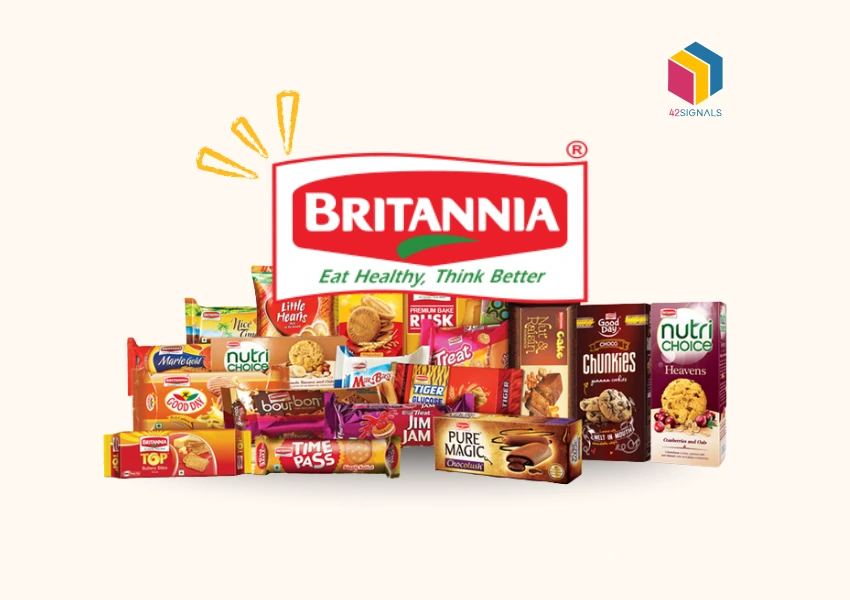
For over a century, the sight of a Britannia biscuit tin has been a comforting constant in Indian households. From the iconic glucose biscuit with our morning chai to the festive treats during Diwali, Britannia Industries has woven itself into the very fabric of our daily lives. It is a brand built on tradition, trust, and taste, a familiar friend in a nation of a billion. But behind this familiar facade, a quiet revolution has been brewing.
The biscuit giant is no longer content with just dominating the pantry shelf; it is executing a strategic leap into the future, transforming from a legacy food company into a digitally-powered, data-driven innovator. This journey is not just about selling more biscuits; it is about reimagining how a century-old company operates, connects, and thrives in the modern digital economy.
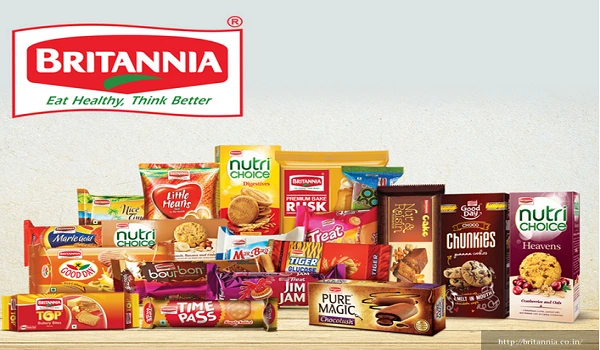
Image Source: Agro & Food Processing
This monumental shift is not about abandoning its roots. It is about strengthening them for a new era. In a world where consumer preferences change at the speed of a swipe and retail landscapes are being redrawn by e-commerce and hyper-competition, relying solely on century-old wisdom is a risky recipe.
The new Britannia Industries strategy is a masterclass in balancing its rich heritage with a fierce ambition for growth, leveraging cutting-edge technology to understand the modern consumer like never before.
We will explore the exact metrics and data points, the kind provided by advanced solutions like 42Signals, that are fueling this evolution, turning intuition into insight and guesswork into strategy.
The Digital Ingredient in Britannia Industries Growth
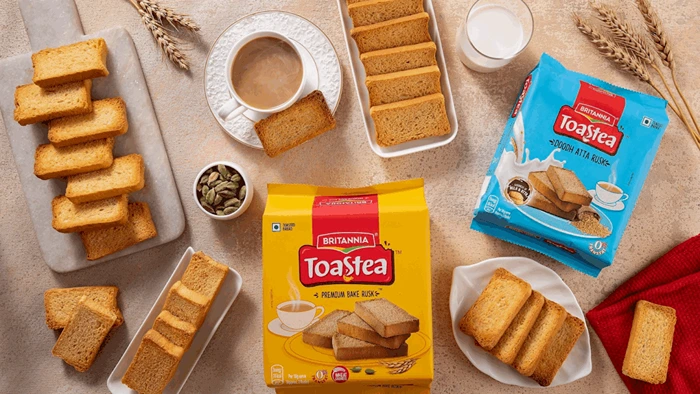
Image Source: India Mart
So, what does a digital transformation actually look like for a company that sells biscuits and cake rusk? It is far more profound than just having an e-commerce website or a lively social media presence. For Britannia Industries, it is about embedding data analytics into the DNA of every single business decision, from the boardroom to the last-mile retailer.
The core challenge for any fast-moving consumer goods (FMCG) company, especially one with the vast scale of Britannia, is visibility. Once a product leaves the factory warehouse and enters the vast, complex network of distributors, wholesalers, and retailers, it becomes incredibly difficult to track its real-time performance, its placement, and its perception.
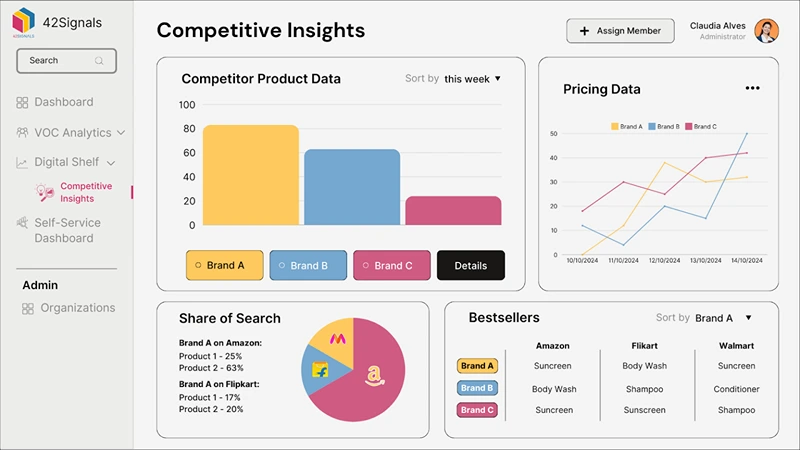
This is where advanced retail intelligence solutions like 42Signals’ digital shelf analytics come into the picture. Think of it as a central nervous system for a company’s entire retail presence. By integrating and analyzing data from thousands of online sources, including e-commerce websites, it gives brands a live, panoramic, and actionable view of their market. For a behemoth like Britannia, this means moving from periodic, often anecdotal reports that are weeks old to a constant, data-rich stream of intelligence.
This digital leap is the cornerstone of their modern growth plan, ensuring that their beloved brands, from the health-conscious NutriChoice to the celebratory Good Day, continue to win not just through brand legacy but through strategic precision in an increasingly competitive and fragmented market.
Ready to Take the Next Step?
See how our solutions can help you achieve your goals and drive measurable results.
Brand Building & Identity: The Evolution of a Household Name
- From BISCUIT Company to FOOD Company: The company profile of Britannia reveals a strategic evolution. While firmly an FMCG company known for biscuits, Britannia has consciously expanded into dairy, cakes, bread, and snacking. This moves it from being a single-category leader to a diversified food major, mitigating the threat of new entrants in any one segment.
- Ambassador Strategy: Trust over Glamour: Unlike brands that use celebrity film stars, Britannia’s brand ambassador strategy has traditionally leaned towards trusted, relatable figures like sports personalities or even focusing on the product itself (e.g., the iconic “Tiger” mascot). This reinforces its image as a trustworthy, everyday brand rather than a fleeting glamour product.
- The “B4U Britannia” Initiative: Programs like “B4U Britannia” (likely an internal or partner-facing portal for distributors or sales staff) highlight its focus on strengthening backend systems. This digital enablement for its vast distribution network is a critical, albeit less visible, part of its modern brand strategy, ensuring product availability and fresh stock—a key driver of consumer trust in FMCG.
The Core Challenge: Navigating a Sea of Data in a House of Brands
To truly appreciate Britannia’s digital journey, one must first understand the sheer scale of its operation. Britannia operates as a powerful “house of brands” strategy. This means that instead of having one overarching brand name, it manages a portfolio of distinct, individually strong brands like Tiger, Marie Gold, 50-50, and Little Hearts.
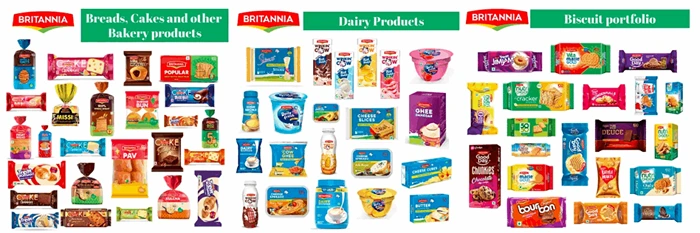
Each of these brands has its own target audience, competitors, and market dynamics. Managing this portfolio without data is like navigating a vast ocean without a map or a compass. The marketing mix for Britannia Industries is not a single strategy but a complex web of strategies for each product line.
The traditional method involved relying on sales data that came with a significant lag, often after the sales cycle was complete. By the time a company realized a particular stock-keeping unit (SKU) was not performing in a region, weeks of potential sales were already lost.
Similarly, understanding why a product was underperforming was a matter of guesswork.
- Was it the price? Was it the packaging?
- Was a competitor running a brilliant promotion?
- Or was the product simply not visible on the shelf?
This lack of real-time, granular insight was the biggest barrier to agile decision-making. The adoption of AI in retail analytics is the key that unlocked this barrier, allowing Britannia to move from a reactive to a proactive stance, anticipating market shifts and consumer needs before they become glaring problems in the sales report.
Product Portfolio & Innovation: Beyond the Biscuit Tin
- Managing a “House of Brands”: Britannia’s product portfolio is a masterclass in segmentation. It operates as a “House of Brands” where individual product lines have distinct identities:
- Mass Nutrition: Tiger (energy), Milk Bikis (growth).
- Everyday Premium: Good Day (celebrations), Marie Gold (tea-time).
- Health & Wellness: NutriChoice (diet-conscious), Britannia Bullion (healthy snacking).
- Innovation Driven by Data: Product innovation is no longer guesswork. As your article notes, digital shelf analytics and Voice of Customer data allow Britannia to spot trends (e.g., “high protein,” “sugar-free”) and validate concepts before launch. Negative reviews for a product like Britannia Bullion on e-commerce sites become direct R&D feedback for recipe or communication tweaks.
- Extending Brand Equity: Innovation also comes from cleverly extending proven brands. The launch of Good Day cashew cookies or Treat croissants takes a beloved brand name into new premium categories, leveraging existing trust to reduce the risk of innovation.
Decoding the Shelves: The Data Points Powering Britannia Industries Decisions
Let us get specific. What kind of metrics and information can a brand like Britannia Industries actually glean from a digital analytics platform? It is about moving from guessing to knowing, from assuming to validating. Here are some of the critical data points that are now likely informing their daily strategy and long-term planning.
Share of Shelf and Digital Visibility
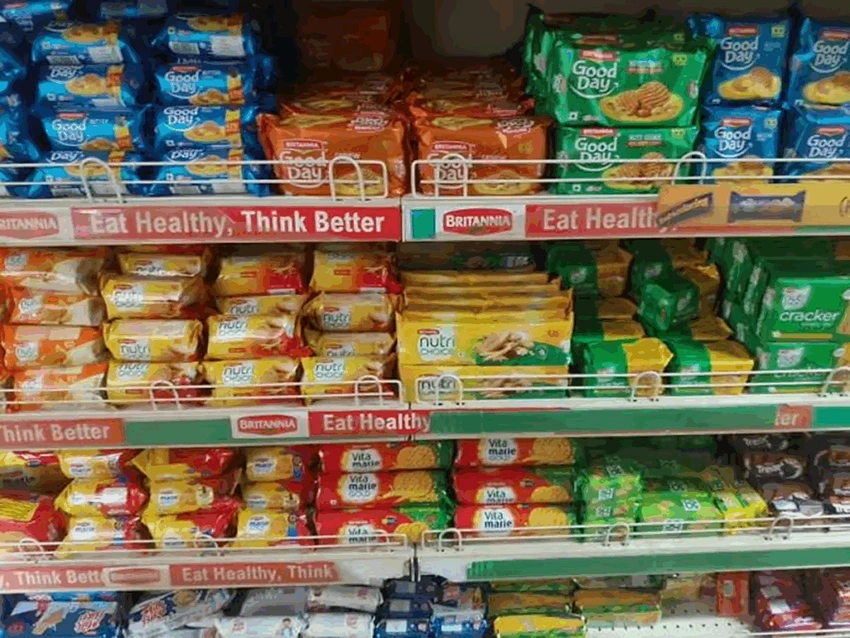
For a “house of brands” portfolio, it is absolutely crucial to know if their products are physically present and prominent on store shelves. Are their Marie biscuits getting the same number of facings as a competitor’s brand? Is the new cake rusk variant placed at eye level? Digitally, this concept translates directly to share of search and share of voice.
When a consumer searches for “cake rusk” or “cream biscuits” on a major e-commerce platform, does Britannia’s product appear on the first page of results? A 2021 study by NielsenIQ highlighted that products on the first page of e-commerce search results capture over 90% of the clicks. Monitoring this digital shelf space is as critical, if not more, as the physical one because it is often the first point of consumer contact.
Pricing Intelligence and Promotional Agility
Pricing is a dynamic and relentless battlefield. With a platform tracking competitor pricing in real-time across multiple channels, Britannia can immediately see if a local competitor has slashed the price of their glucose biscuits in a specific region or if an e-commerce platform is running an unapproved discount on their products. This allows them to react swiftly and strategically, protecting their margin and market share.
They can also analyze the precise effectiveness of their own promotions. They can understand exactly which “buy one get one” offer drove the most sales for a specific product like their Treat cream biscuits, and which promotion failed to generate a lift, thereby optimizing millions of rupees in trade marketing spending.
Product Launch Tracking and Portfolio Management
When Britannia launches a new variant, say a sophisticated dark chocolate cookie or a new flavor of cake rusk, the immediate feedback loop is vital for its survival. Digital analytics can track the new product’s online reviews, rating trends, and social media mentions from its very first day on the market. This provides a real-time pulse on consumer acceptance, far faster than traditional sales data cycles.
If the reviews consistently mention that the cookie is “too sweet,” that is direct feedback for the product development team. This data-driven approach helps them decide whether to ramp up production and nationalize the product, tweak the marketing communication, reformulate the recipe, or even pull the product to cut losses, thereby continuously refining their extensive and complex marketing mix.
Ready to Take the Next Step?
See how our solutions can help you achieve your goals and drive measurable results.
A Phygital Retail Strategy in Action: Bridging Two Worlds
The true power of this data is realized when it seamlessly bridges the online and offline worlds, creating a cohesive and powerful phygital retail experience. This is where the Britannia Industries strategy moves from theory to tangible results. Let us consider a detailed, hypothetical scenario.
Imagine a situation where data from an analytics platform shows a sudden 40% spike in online searches for “healthy snacking for kids” and “high fiber biscuits” in Pune over two weeks. Concurrently, the same platform’s sales data indicates a stronger-than-average sell-through for Britannia’s NutriChoice range in specific modern trade stores in the same city.
However, the data also reveals that a competitor’s new high-fiber brand is gaining significant online review traction.
Armed with this interconnected insight, Britannia can launch a hyper-localized and multi-channel campaign. They could target online users in Pune searching for healthy snacks with digital ads for NutriChoice, highlighting its fiber content.
These ads could include a clickable link showing the nearest stores with available stock, perhaps even coupled with a digital coupon for a special in-store promotion. Simultaneously, their sales team can ensure that NutriChoice products are well-stocked and prominently displayed in those high-performing stores, and even provide those specific retailers with point-of-sale materials to capitalize on the campaign.
This is the phygital retail model in its most evolved form using data to create a single, unified consumer journey that does not distinguish between digital and physical commerce. It ensures that marketing efforts are not scattered shots but precisely targeted initiatives that drive measurable footfall and sales, effectively using online intent to trigger offline action.
Britannia Industries Brand Portfolio Strategy: A Snapshot
| Brand Category | Example Brands | Target Audience & Key Promise | Innovation Example |
|---|---|---|---|
| Nutrition & Energy | Tiger, Milk Bikis | Mass market, families; Energy for growth & daily life. | Tiger Glucose+ with added vitamins. |
| Everyday Indulgence | Good Day, Marie Gold, 50-50 | All ages; Moments of happiness and companionship. | Good Day Ghee Cookies, Marie Gold Lite. |
| Health & Wellness | NutriChoice, Britannia Bullion | Health-conscious adults; Guilt-free, mindful snacking. | NutriChoice Zero Atta, Bullion Protein Bars. |
| Pure Fun & Treats | Treat, Little Hearts | Kids, young adults; Joyful, playful indulgence. | Treat Croissant, Little Hearts with new flavours. |
Optimizing the Britannia Industries Marketing Mix for the Digital Age
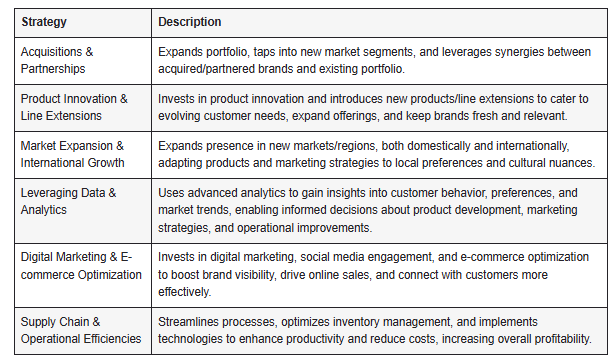
The classic marketing mix, the four Ps of Product, Price, Place, and Promotion, remains a foundational business theory. However, for a modern giant like Britannia, data does not just support this mix; it supercharges and revolutionizes it.
For a company with a vast portfolio, managing this mix effectively is a Herculean task that can now be accomplished with precision and scientific validation.
1. Product Innovation and Development:
By analyzing search query data, product reviews, and social media conversations at scale, Britannia can identify unmet consumer needs and emerging trends. A high volume of searches for “sugar-free cakes” or “vegan snacks” becomes a direct, quantifiable input for their research and development team. Negative reviews mentioning “too much plastic packaging” across a particular product line provide a clear mandate for sustainability initiatives.
This is AI in retail at its most practical and impactful, turning unstructured, qualitative consumer feedback into structured, quantitative data that drives product innovation and improvement.
2. Place and Distribution Optimization:
Understanding which products are performing well on which platforms and in which geographies is key to efficient logistics and sales. The data might reveal that their premium, gourmet cookies sell exceptionally well on a specific e-commerce site like Amazon, while their classic, value-for-money biscuits like Tiger dominate in general trade stores in Tier 2 and 3 cities.
This intelligence helps optimize supply chains, warehouse placements, and trade marketing investments, ensuring the right product is in the right place at the right time, minimizing stock-outs in high-demand areas and reducing excess inventory in low-demand ones.
3. Promotion and Campaign Effectiveness:
As mentioned earlier, the effectiveness of every rupee spent on promotions can now be measured with surgical precision. Instead of running a nationwide “20% off” discount on a range of biscuits and hoping for the best, Britannia can now run targeted, A/B tested promotions.
They can offer a bundle promotion on their cake rusk with tea in one city, and a direct discount in another, and then analyze the impact on sales volume, market share, and profitability in real-time. This allows them to double down on what works and quickly abandon what does not, ensuring maximum return on investment for their massive marketing expenditures.
Ready to Take the Next Step?
See how our solutions can help you achieve your goals and drive measurable results.
Digital Marketing & Transformation: Measuring Impact in the FMCG World
- Moving Beyond Vanity Metrics: For FMCG giants like Britannia or ITC Foods, the impact of a digital marketing campaign is measured by a funnel that links online activity to offline sales. Key Impact Metrics for 2025 include:
- Share of Search (SOS): Did campaign buzz increase branded search for “Britannia cakes” vs. competitors?
- E-commerce Lift: Measured sales increase on platforms like BigBasket or Blinkit during/promoted by the campaign.
- Geo-targeted Sales Correlation: Matching campaign hotspots (e.g., YouTube ad views in Hyderabad) with a sales spike in modern trade stores in those same pincodes.
- The Phygital Loop: Britannia’s digital transformation, as your article outlines, creates a “phygital loop.” A social media recipe video using Britannia cheese can drive online marketing engagement, which is then measured by tracking in-store sales of that product in the following days using syndicated retail data. This closes the loop between marketing spend and revenue.
- “Britannia Software” & Enabling Tech: The reference to “britannia software” likely points to its investment in enterprise platforms (ERP, SAP, AI-powered analytics like 42Signals) that integrate data from distribution, production, and digital marketing. This unified data backbone is the true engine of modern FMCG online marketing, allowing for nimble, data-driven decisions on promotions, inventory, and campaign focus.
The Britannia Industries Future is Baked with Data and Tradition
The ongoing journey of Britannia Industries from a beloved biscuit giant to a leading data-driven innovator is a powerful and instructive case study for the entire consumer packaged goods industry, both in India and globally.
It demonstrates with crystal clarity that digital transformation is not an optional add-on or a side project for the IT department, but a fundamental requirement for sustained market leadership and relevance.
They are making smarter, faster, and more confident decisions on their Britannia marketing mix, executing a sophisticated and seamless phygital retail strategy, and solidifying their position as a formidable and agile house of brands.
This seamless blend of tradition and technology, of timeless taste and timely data, ensures that the Britannia tin will remain a cherished fixture in Indian homes for the next hundred years.
If you liked this article on Britannia Industries, read –
Amul’s Dominance on Quick Commerce: A Multi-Category Assortment Masterclass
The Caudalie Strategy: How a French Skincare Brand Blends Natural Ingredients with Digital Mastery
The Bloom Nutrition Success Story: From Zero to $170M with Influencers and Omnichannel Sales
Frequently Asked Questions on Britannia Industries
What is the difference between ITC and Britannia?
Business Scope & Diversification:
ITC is a large diversified conglomerate with interests in FMCG, paperboards & packaging, hotels, agribusiness and more.Britannia, by contrast, is focused almost entirely on food processing—especially bakery, dairy, snacks, and related products.
Market Position & Brand Portfolio:
ITC’s food segment includes brands like Sunfeast, Aashirvaad, Vivel, etc. Britannia’s strength lies in biscuit brands—Good Day, Marie Gold, NutriChoice, Little Hearts—and dairy & bakery extensions.
Financials & Scale:
ITC’s food business has in some years outpaced Britannia in revenue. Britannia tends to emphasize specialty margins, brand loyalty, and focused investments in its core categories.
Strategic Focus:
ITC’s diversified portfolio gives it hedges across industries. Britannia’s more concentrated approach means deeper specialization but also greater exposure to raw material or demand shifts in food.
What is the net worth of Britannia?
“Net worth” is not typically publicly reported for a company in the same way as for individuals. For companies, one might consider market capitalization or shareholder equity. However, publicly available sources do not state a clear “net worth” figure for Britannia.
What are the products of Britannia?
Britannia’s product portfolio spans multiple food & snack categories:
Biscuits & Cookies: Good Day, Marie Gold, NutriChoice, Tiger, Milk Bikis, 50-50, etc.
Dairy Products: Cheese, ghee, yogurt (dahi), dairy whiteners, specialized dairy items.
Bread & Baked Goods: White bread, whole wheat slices, fruit buns, cake items, etc.
Snacks & Wafers: Treat Croissant, Treat Crème Wafers, and other “impulse snack” items.