

** TL;DR ** While MAP (Minimum Advertised Price) monitoring is a good start, it only addresses pricing and leaves brands vulnerable to deeper threats like unauthorized sellers and gray market activity. Comprehensive reseller monitoring provides a 360-degree view of your online sales channel by continuously tracking not just prices, but also identifying who is selling your products, how they are presenting them, and whether they are authorized. This proactive approach is essential for protecting brand reputation, maintaining strong retailer relationships, and ensuring a consistent customer experience, ultimately safeguarding your revenue and profitability in a way that MAP enforcement alone never can.
What’s the need for reseller monitoring? If you’re in brand management, you know the drill. You’ve invested heavily in a Minimum Advertised Price (MAP) policy. You’ve sent out the emails, made the calls, and maybe even enforced a penalty or two. You see your authorized resellers sticking to the rules, and you think, “Great, my pricing strategy is secure.”
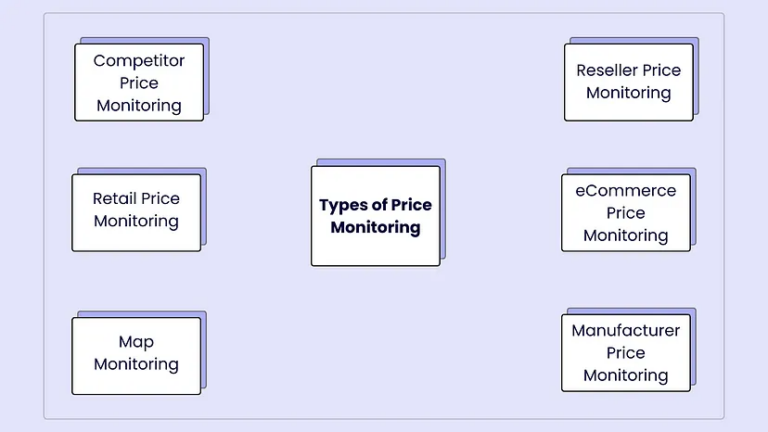
Image Source: Medium
But then, you take a closer look. Your products are popping up on marketplaces you’ve never heard of, sold by sellers you didn’t authorize, at prices that are all over the map (pun intended). Your authorized retailers are complaining, your brand’s premium image is taking a hit, and you’re losing control.
This is the MAP trap. Focusing solely on price is like putting a band-aid on a leaky pipe. The real issue runs much deeper. True control requires a shift from simple reseller price monitoring to a powerful strategy called comprehensive reseller monitoring. This guide will walk you through exactly what that means and how it can transform your brand’s health.
Why Reseller Monitoring is Crucial in MAP
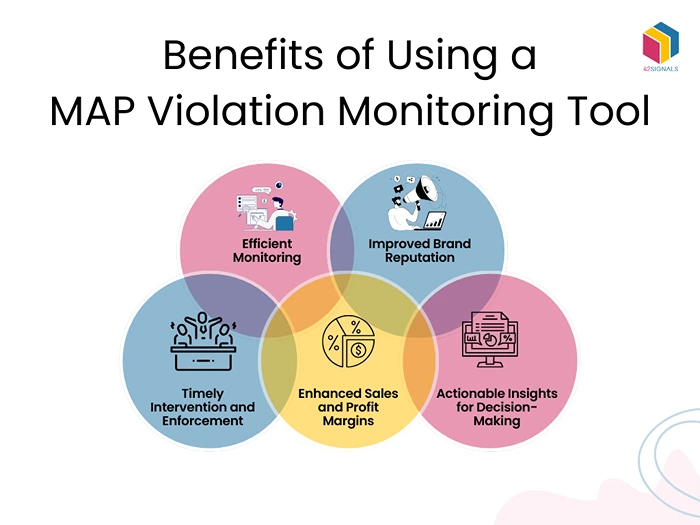
MAP policies are a crucial first step to MAP monitoring. They help maintain pricing integrity and protect retailer margins. But in today’s complex digital marketplace, they address only a fraction of the problem.
A helpful analogy is to think of your entire sales channel as a large, prized garden. MAP monitoring is like meticulously weeding one specific, visible flower bed. But what about the weeds sprouting in the distant lawn, creeping in from under the fence from your neighbor’s yard, or growing just below the surface where you cannot see them? If you only ever focus on that one flower bed, the entire garden is still under constant threat of being overrun. The limitations of a MAP-only approach are stark and numerous.
The limitations of a MAP-only approach are clear:
- It’s Reactive: You often only discover a MAP violation after it has already been live for hours, days, or even weeks. During that time, sales have been diverted, authorized partners have been undercut, and your brand’s pricing integrity has been damaged. You are always playing catch-up.
- It’s Narrow: It completely ignores the most critical question: “Who is selling this product, and are they even allowed to do so?” An unauthorized seller could be pricing your product correctly today but might be using stolen images, providing a terrible customer experience, or preparing to dump inventory at a 50% discount tomorrow. MAP monitoring misses this entirely.
- It Misses the Big Picture: A seller could be in perfect MAP compliance while simultaneously damaging your brand in other severe ways. They might be using outdated and incorrect product imagery, selling expired or used goods as new, providing abysmal customer service that generates negative reviews, or bundling your product with incompatible items. The price is right, but everything else is wrong.
A 2021 study by Forrester Consulting found that 59% of brands struggle with identifying unauthorized sellers, a problem that MAP monitoring alone cannot solve. This is where we need to look beyond the price tag.
Ready to Take the Next Step?
See how our solutions can help you achieve your goals and drive measurable results.
What is Comprehensive Reseller Monitoring?
So, if monitoring MAP alone is not enough, what is the comprehensive solution? Comprehensive reseller monitoring is a holistic, strategic approach to modern brand protection. It is the continuous process of tracking, identifying, analyzing, and acting upon all online activity related to your products, across all platforms and from all sellers, both authorized and not.
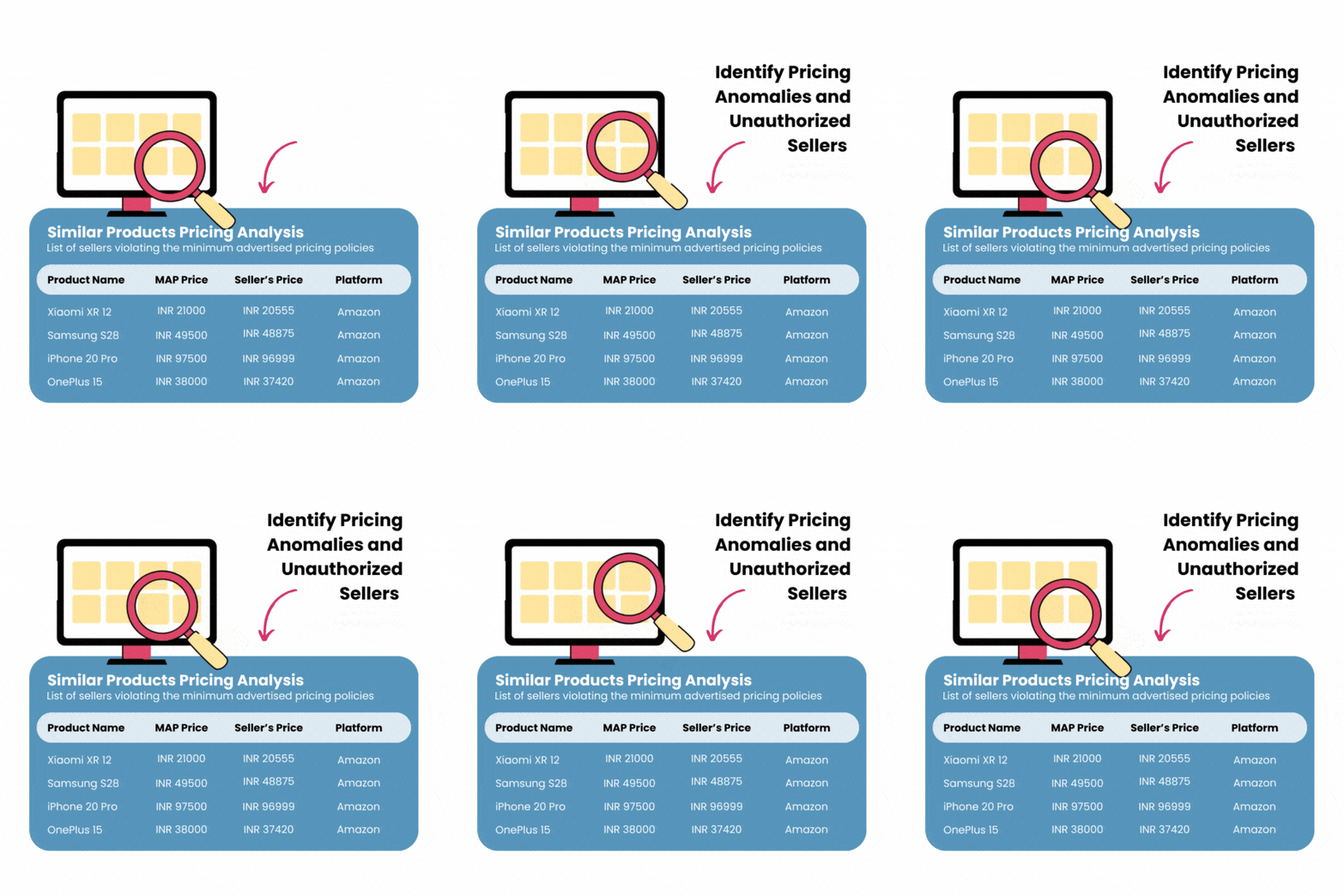
42Signals’ map violations and unauthorized seller intelligence
The ultimate goal shifts from simply catching a bad price to achieving complete and total visibility into your digital sales channel. This powerful approach answers the fundamental questions that keep brand managers awake at night.
- Who is selling your products? Is it an authorized partner or an unknown, potentially damaging unauthorized seller?
- Where are they selling them? Are they on major marketplaces like Amazon and Walmart, or on niche sites, international domains, or even social media platforms?
- How are they presenting them? Are they using correct pricing, official imagery, accurate descriptions, and do they have positive or negative customer reviews?
- What are they actually selling? Is it a new, in-box product, or is it used, refurbished, expired, or even counterfeit?
This 360-degree view allows you to protect not just your pricing, but your brand’s entire reputation. It transforms you from a passive enforcer to a proactive guardian of your brand equity.
The Four Pillars of True Reseller Monitoring
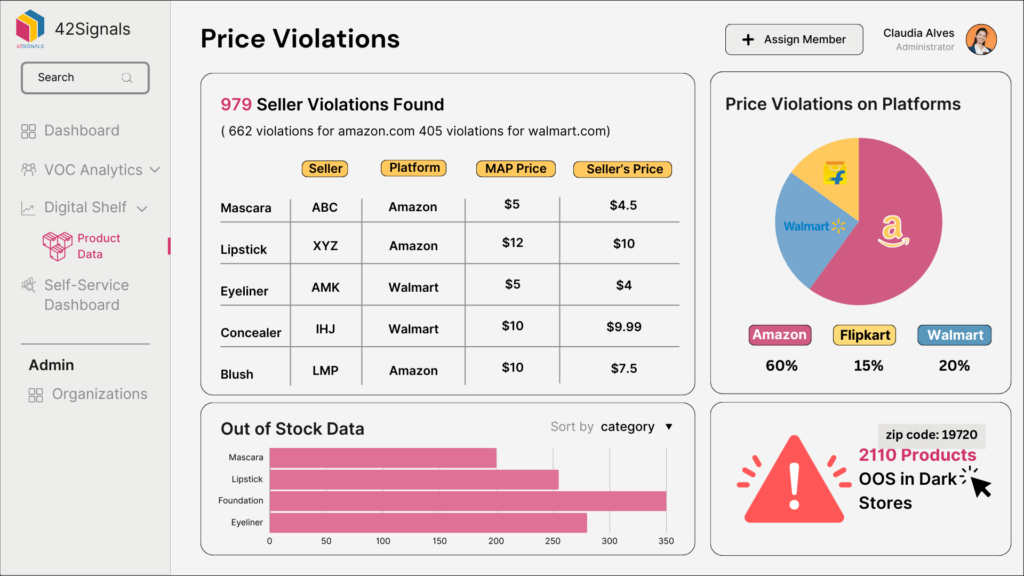
Moving beyond MAPand price violations means expanding your focus and resources to encompass four critical, interconnected areas. Think of these as the essential pillars that hold up a truly resilient and modern brand protection strategy.
1. Unauthorized Seller Identification
This is the most fundamental and critical step beyond basic MAP enforcement. Unauthorized sellers are frequently the root cause of pricing issues, counterfeit sales, and poor customer experiences. They operate entirely outside of your controlled and agreed-upon channel, which means you have no formal agreement with them and absolutely no leverage over their actions.
They are often called “unknown unknowns” because most brands do not even know they exist until the damage is done.
These sellers typically obtain your products through the gray market (which we will discuss next), through liquidations of old stock, through retail arbitrage, or even through more nefarious means like theft or fraudulent returns. Comprehensive reseller monitoring utilizes advanced data crawling, machine learning, and cross-platform analysis to pinpoint these anonymous sellers across hundreds of global online marketplaces.
The first and most important rule of brand protection is that you cannot stop a threat you cannot see. Effective monitoring shines a light on these hidden actors.
2. Gray Market Detection
The gray market is arguably the largest source of products for unauthorized sellers. This occurs when genuine, authentic products are sold through distribution channels that are not explicitly authorized by the original manufacturer or brand owner.
For instance, a distributor might decide to sell excess inventory to a third-party liquidator to meet a quarterly target. That liquidator then sells the pallets to anyone with cash, who then lists the products online.
The problem is that these products can be old, expired, intended for sale in a different country with different packaging, or even slightly damaged. When they suddenly appear online from unknown sellers, they create immediate and unfair competition for your loyal authorized partners.
It also confuses customers who may receive a product that seems off or is missing manuals. Monitoring for gray market activity involves tracking unusual and unexplained stock surges, identifying sellers who have no legitimate business reason to have large volumes of your product, and tracing the origin of these leaks back into your supply chain.
3. Channel Compliance and Brand Presentation

Channel compliance means ensuring everyone who sells your product does so according to your rules. This goes far beyond price.
Are sellers using your official, high-quality product images and descriptions? Or are they using blurry photos and incorrect specs? Are they properly representing your brand’s value proposition? Monitoring for brand presentation ensures a consistent and high-quality customer experience everywhere your products are found. This protects the brand image you’ve worked so hard to build.
4. MAP and Pricing Intelligence
Yes, pricing is still a core component. Effective reseller price monitoring remains essential. However, within a comprehensive strategy, it becomes more intelligent.
You can track not just violations, but overall pricing trends. Are your products in a race to the bottom? How do prices fluctuate during holidays or sales events? This intelligence can inform your broader sales and marketing strategies, helping you understand market dynamics in real-time.
Ready to Take the Next Step?
See how our solutions can help you achieve your goals and drive measurable results.
The Ripple Effect: How Unchecked Sellers Damage Your Brand

Choosing to ignore the need for comprehensive monitoring or delaying its implementation has severe and tangible consequences that ripple throughout your entire organization. The damage always extends far beyond a single lost sale on a single product.
- Erosion of Brand Value and Premium Positioning: Consistent discounting and poor presentation by unauthorized sellers actively dilute your brand’s premium positioning in the minds of consumers. When customers constantly see your products sold at a deep discount on random websites, they begin to perceive them as cheap, commonplace, or low-value. Recovering from this perception is a long and expensive marketing journey.
- Angry and Alienated Authorized Partners: Your legitimate retail partners invest real money in marketing, physical retail space, staff training, and providing excellent customer service. They cannot possibly compete with a fly-by-night online seller who has no overhead, no customer service, and operates on a razor-thin margin. This leads to immense partner frustration, difficult conversations, and can even cause them to reduce their investment in your brand or drop your product line entirely. A study by the Harvard Business Review found that channel conflict is a primary contributor to failed partner relationships.
- Poor and Damaging Customer Experiences: An unauthorized seller has no commitment to your brand standards. They might provide terrible customer service, extremely slow shipping, or offer no returns or warranties. Unfortunately, when the customer has a bad experience, their anger and frustration are directed squarely at your brand, not the anonymous seller. This leads to an influx of negative reviews on your official product pages and website, which directly damages your reputation and discourages future sales.
- Loss of Consumer Trust and Loyalty: The ultimate nightmare scenario is a customer receiving a product that is expired, used, damaged, or missing crucial components because they bought from an unauthorized seller operating in the gray market. This experience destroys consumer trust instantly. When this happens, your brand is the one that appears unreliable, dishonest, or low-quality. According to a report by Incopro, 65% of consumers blame the brand itself, not the third-party seller, when they have a bad experience with a counterfeit or mis-sold product. This statistic highlights that you are ultimately held responsible for your product’s entire journey to the end consumer.
A report by Incopro revealed that 65% of consumers blame the brand, not the seller, when they have a bad experience with a counterfeit or mis-sold product. You are ultimately responsible for your product’s journey to the consumer.
How to Implement a Winning Reseller Monitoring Strategy
Building this level of oversight might sound daunting, but it can be broken down into a manageable process.
1. Discovery and Mapping: The first step is to gain a baseline understanding. Use tools to scan the web and identify every single seller offering your products. Categorize them as authorized or unauthorized. This gives you the true scope of your challenge.
2. Continuous Tracking and Data Collection: Monitoring is not a one-time audit. The online marketplace changes every minute. New sellers appear, prices change, and listings go live. You need a system that collects this data 24/7, without gaps.
3. Analysis and Actionable Insights: Raw data is useless without analysis. The right system will help you interpret the data. It will flag policy violations, highlight new unauthorized sellers, and generate easy-to-understand reports that show you exactly where to focus your efforts.
4. Enforcement and Follow-through: Identifying a problem is only half the battle. You need a clear process for enforcement. This could involve sending cease-and-desist letters, pursuing violations through platform reporting channels, or working with your legal team to take more serious action. The key is to be consistent and timely.
Choosing the Right Brand Protection Software
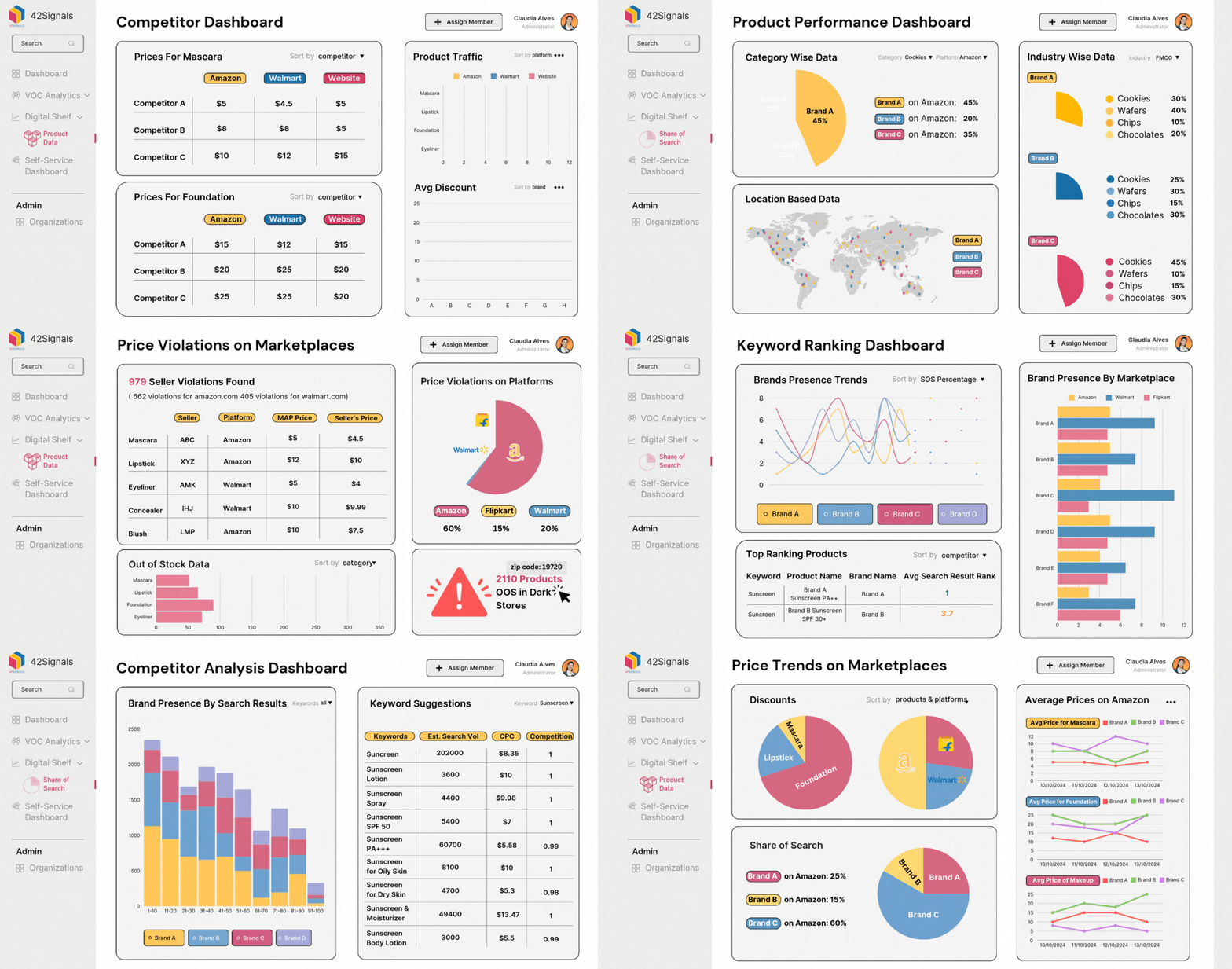
Doing all this manually is impossible. The scale is too vast. This is where technology becomes your greatest ally. Brand protection software automates the entire monitoring process.
When evaluating a solution, look for these key features:
- Broad Coverage: It must scan all major marketplaces (Amazon, eBay, Walmart, etc.) and have the capability to find smaller, niche sites.
- Real-time Alerts: You should receive immediate notifications for critical issues like a new unauthorized seller or a major MAP violation.
- Seller Identification: The best tools go beyond the listing to help you identify the entity behind the seller name, providing crucial information for enforcement.
- Detailed Reporting: It should provide clear, actionable dashboards and reports that make it easy to understand your channel health and prove ROI to your leadership team.
42Signals provides all these features, so schedule a demo with us to see it in action for your brand.
Ready to Take the Next Step?
See how our solutions can help you achieve your goals and drive measurable results.
Take Back Control of Your Channel
Relying solely on MAP compliance is a strategy of the past. In the modern e-commerce landscape, brands need a panoramic view of their online presence. Comprehensive reseller monitoring is that view.
It empowers you to protect your pricing, your partners, and your reputation simultaneously. It moves you from putting out fires to building a fireproof strategy. By monitoring all third-party sellers, detecting gray market activity, and enforcing full channel compliance, you reclaim control.
Frequently Asked Questions
What exactly does a reseller do?
A reseller buys products or services from a manufacturer, distributor, or another business and sells them to end customers—usually at a markup to earn profit. Resellers don’t typically manufacture goods or offer extensive customization; instead, they focus on distribution, marketing, and customer service.
Resellers may operate:
Online (e.g., through Amazon, eBay, or their own website),
In physical stores,
Or as part of B2B channels.
Their value often lies in market reach, convenience, localized support, or the ability to bundle products for specific customer segments.
What is reseller management?
Reseller management is the process of organizing, supporting, and optimizing relationships with a network of resellers. It includes:
Onboarding new resellers,
Setting pricing and discount structures,
Ensuring brand consistency across sales channels,
Monitoring compliance with policies like MAP (Minimum Advertised Price),
And providing marketing or training materials.
Effective reseller management helps manufacturers or distributors scale sales through third-party partners while maintaining control over brand experience and pricing integrity.
What is reseller activity?
Reseller activity refers to the actions and performance metrics associated with a reseller’s operations. This can include:
Number of products sold,
Sales growth and revenue contribution,
Marketing campaigns run by the reseller,
Customer feedback and support handling,
Compliance with pricing and branding guidelines.
Brands and distributors often track reseller activity to assess which partners are most effective and where to allocate resources or incentives.
What is the full meaning of reseller?
The term “reseller” is a combination of “re-” (again) and “sell”—meaning a person or business that purchases products or services with the intent to sell them again, rather than for personal use. The reseller doesn’t create or produce the item; they act as a middleman between the manufacturer and the final buyer.
Resellers exist in both B2C (retail) and B2B (enterprise tech, software) markets. They may also offer value-added services like packaging, local support, or installation, depending on the industry