

Prime Drinks, a relatively new entrant in the beverage industry, has quickly captured the attention of consumers, particularly within Generation Z. This brand teardown aims to explore the journey of the brand from its inception, delve into its market penetration strategy, analyze its performance against established industry giants, understand its appeal to Gen Z, discuss the challenges it has faced, and finally, provide key takeaways for new brands looking to make their mark.
Story Behind Prime Drinks
Prime Drinks was founded in 2022 by Logan Paul and KSI, two prominent internet personalities known for their influence on social media and YouTube. Leveraging their massive online followings, they aimed to create a beverage that resonated with a younger demographic. The idea was to offer a product that not only quenched thirst but also aligned with the lifestyle and values of its audience.

Image Source: The Black Wall Street Times
Meet the Founders: YouTubers Logan Paul & KSI
Logan Paul and KSI, whose real names are Logan Alexander Paul and Olajide Olayinka Williams Olatunji respectively, initially gained fame as YouTubers. Both had established themselves as influential figures in the digital space through a combination of vlogging, music, and boxing. Their rivalry turned partnership was a strategic move to harness their combined reach and influence, making Prime Drinks a highly anticipated product even before its launch.

Image Souce: BBC
Ownership, Structure, and Business Evaluation
The venture is structured as Prime Hydration LLC. While the public face and creative vision are 100% driven by co-founders Logan Paul and KSI, they partnered with Congruent Investment Group, a established beverage conglomerate, to handle critical back-end operations like product formulation, large-scale manufacturing, and global distribution. This partnership provided the industry expertise and infrastructure necessary to scale a viral idea into a billion-dollar business.
Evaluating its performance reveals a brand that has redefined go-to-market speed in the beverage industry:
- Commercial Velocity: Prime achieved an estimated $1.2 billion in retail sales in its first full year, a historic feat that underscores its immense sell-through power.
- Market Disruption: It successfully carved a new niche, positioning itself as a trend-forward alternative to traditional sports drinks. Its rapid shelf-space acquisition in major retailers worldwide is a testament to its proven demand.
- The Sustainability Challenge: The core strategic question for Prime is longevity. The brand now faces the challenge of transitioning from a viral phenomenon to a stable, mature CPG brand. This involves navigating regulatory landscapes, expanding its core demographic, and innovating beyond its initial hype cycle to build enduring loyalty.
The Architect of Hype: Unpacking the Prime Marketing Machine
While founded by Logan Paul and KSI, Prime’s dizzying fame was engineered through a precise, multi-layered strategy that turned a beverage launch into a global cultural moment. Its success was not an accident but a masterclass in modern, hype-driven marketing.
The strategy was built on several key pillars:
- Manufactured Scarcity & “Drop” Culture: Prime’s initial rollout was defined by limited availability. Exclusive partnerships with select retailers and deliberately constrained stock created frenzied demand, long lines, and a lucrative secondary resale market. This transformed a simple purchase into a status-driven event.
- The Influencer Cascade Effect: Beyond the founders, Prime activated a vast network of macro, micro, and nano-influencers across gaming, sports, and lifestyle niches. By seeding product to thousands of creators, they generated an avalanche of authentic-seeming user-generated content, making the brand appear omnipresent organically.
- Platform-Native Storytelling: Promotion was baked into the founders’ core content. From documenting the business journey on YouTube podcasts to staging taste-test duels on TikTok and fueling debates on Twitter, every piece of content felt native to the platform, blurring the line between personal vlog and brand advertisement.
Prime Drinks Founders & Launch Timeline
| Aspect | Detail |
|---|---|
| Co-Founders | Logan Paul (YouTube personality, actor) & KSI (YouTube personality, musician, boxer). |
| Corporate Partner | Congruent Investment Group (Provides operational, manufacturing, and distribution expertise). |
| Clarification | Jake Paul (Logan’s brother) is not a founder or owner of Prime. |
| Initial Launch | January 2022. |
| First Major Retail Launch | United Kingdom (exclusively in ASDA stores), leading to widespread sold-out scenes. |
The Celebrity-Founder Blueprint and Its Inherent Risks
The Prime model demonstrates the immense power and specific challenges of the celebrity-founded brand. The founders’ combined social reach of over 100 million followers provided an unprecedented, zero-cost launchpad. Their authentic, relentless advocacy—woven into their daily content—carried a credibility that traditional advertising cannot buy, perfectly aligning with Gen Z’s demand for authenticity.
However, this strategy creates inherent vulnerabilities. The brand’s reputation is inextricably linked to the personal reputations of Paul and KSI. Any controversy involving the founders poses a direct reputational risk to the business. Furthermore, the brand must prove it can outlast the peak of its founders’ online fame and evolve independently to ensure long-term viability.
Prime Drinks Strategies for Effective Market Penetration
Leveraging Social Media Influence
One of the most significant aspects of Prime Drinks’ market penetration strategy was the use of social media. With millions of followers across various platforms, Logan Paul and KSI had a ready-made audience eager to try their new product. They utilized their channels to create buzz, share behind-the-scenes content, and engage with their followers directly.

Image Source: Business Insider
Collaborations and Sponsorships
The company also engaged in strategic collaborations and sponsorships. By partnering with popular influencers and athletes, they ensured that their product reached a broader audience. Sponsorship of events, particularly in the sports and music industries, helped in positioning Prime as a lifestyle brand.
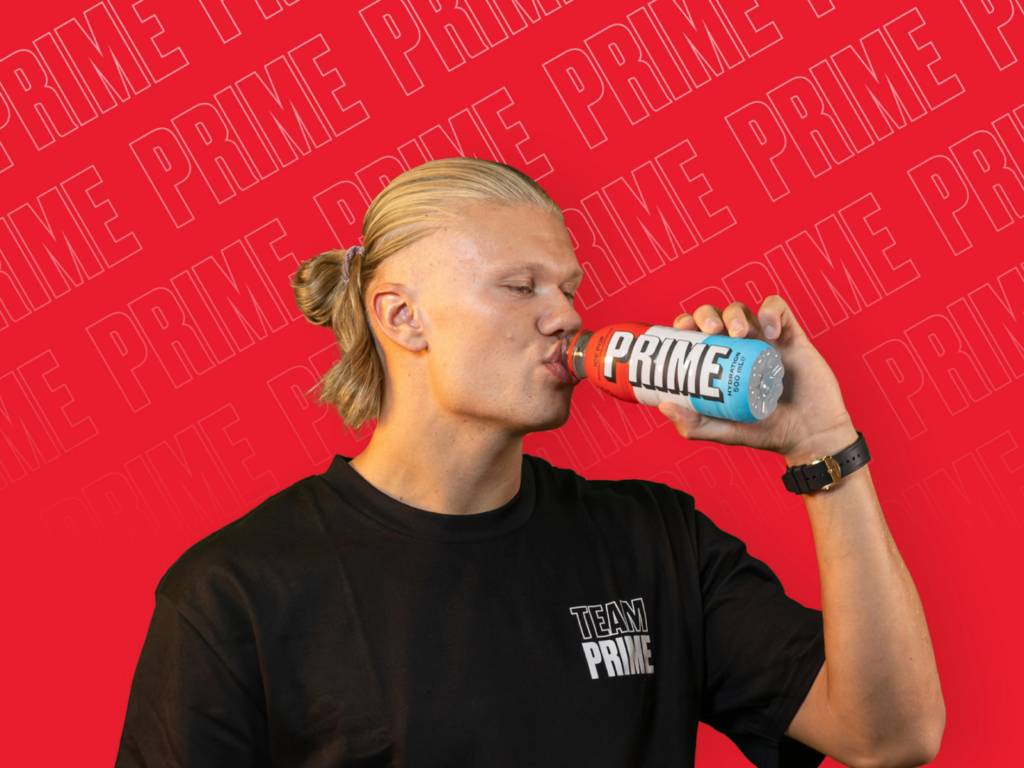
Image Source: Prime Hydration
Unique Product Offering
The beverage itself was designed to stand out. Marketed as a hydration drink, it came in vibrant packaging with bold flavors. The focus on health and wellness, combined with an appealing aesthetic, made it a trendy choice among younger consumers who are increasingly health-conscious.

Image Source: Brand Vision Marketing
How Prime Drinks Stacks Up Against Industry Giants?
Competing against established giants like Coca-Cola and PepsiCo is no small feat. However, Prime Drinks managed to carve out a niche for itself through a few key strategies:
Niche Targeting
While the giants cater to a broad market, Prime targets a specific niche – Generation Z. This demographic is known for valuing authenticity, social responsibility, and innovation. By aligning its brand with these values, YouTubers Logan Paul and KSI’s brand created a loyal customer base.

Image Source: LinkedIn Pulse
Prime Drinks Agile Marketing
The company could pivot quickly in response to market trends, unlike the larger, more bureaucratic competitors. Their marketing campaigns were agile and often adapted based on real-time feedback from their audience. This responsiveness gave them a competitive edge in staying relevant.
Winning Gen Z Buy-In for Prime Drinks
Authenticity and Relatability
Generation Z places a high value on authenticity and relatability. Logan Paul and KSI’s involvement in the brand provided a level of authenticity that resonated with this demographic. Their transparency about the product, its ingredients, and the business itself helped build trust.
Social Media Engagement
Active engagement on social media platforms was another critical factor. Prime encouraged user-generated content, ran interactive campaigns, and maintained a conversational tone with their audience. This approach not only kept the brand top-of-mind but also fostered a sense of community among consumers.
Overcoming Challenges in the Prime Drinks Journey
Supply Chain Issues
As with many new brands, Prime Drinks faced supply chain challenges. High demand coupled with logistical constraints led to occasional shortages. These issues were exacerbated by the global supply chain disruptions caused by the COVID-19 pandemic.
Market Saturation
Entering an already saturated market posed significant challenges. Establishing a new brand in the beverage industry, where giants dominate shelf space and consumer loyalty, required substantial marketing efforts and differentiation.
Regulatory Hurdles
Navigating the regulatory landscape for food and beverage products added another layer of complexity. Ensuring compliance with health and safety standards, labeling requirements, and other regulations required careful planning and resources.

Image Source: LinkedIn Pulse
Takeaways for New Brands from Prime Drinks
Leverage Influencer Power
One of the critical lessons from Prime Drinks’ success is the power of leveraging influencers. Brands looking to make an impact can benefit significantly from partnerships with individuals who have substantial followings and influence over their target demographic.
Focus on Niche Markets
Rather than attempting to cater to everyone, targeting a specific niche can lead to more effective marketing and stronger brand loyalty. Understanding and aligning with the values and preferences of a niche audience can result in more engaged and dedicated customers.
Agile Marketing Strategies
The ability to quickly adapt marketing strategies based on real-time feedback is crucial. New brands should be prepared to pivot their approaches and remain flexible in their marketing efforts to stay relevant and responsive to consumer trends.
Community Building
Building a sense of community around a brand can enhance customer loyalty. Engaging with consumers, encouraging user-generated content, and fostering a two-way conversation can create a loyal and active customer base.
Overcoming Supply Chain Challenges
Planning for potential supply chain disruptions and having contingency plans in place is essential. New brands should work closely with their suppliers, maintain transparency with their customers during shortages, and explore multiple sourcing options to mitigate risks.
Conclusion on Prime Drinks
Prime Drinks’ journey offers valuable insights for new brands looking to penetrate the market and compete with established giants. By leveraging the influence of its founders, YouTubers Logan Paula and KSI, targeting a specific niche, and maintaining agility in marketing, The brand has managed to create a strong presence in the beverage industry.
While challenges like supply chain issues and market saturation are inevitable, strategic planning and a focus on community building can help new brands navigate these hurdles and achieve long-term success.
Ready to elevate your brand’s market presence? Discover how 42s can help you streamline your operations and achieve your business goals. Sign up now or schedule a demo to see our innovative solutions in action and take the first step towards your brand’s success.
Read our other brand teardowns –
Crumbl Cookies Case Study: Using Consumer Insights to Enhance Product Development and Sales
From $100,000 investment to $20 million/month: Olipop’s Journey to Soaring Success in 5 Years
How Drunk Elephant Revolutionized the Skincare Industry with One Key Idea
Frequently Asked Questions
Is Prime considered a successful company?
By commercial metrics, Prime is one of the most successful beverage launches in history. Its billion-dollar first-year revenue and global retail penetration are clear indicators of success. Its long-term endurance is the next test.
What’s the difference between Prime Hydration and Prime Energy?
Prime Hydration is a sports drink with no caffeine. Prime Energy is a separate product line containing caffeine and has faced greater regulatory scrutiny regarding its marketing and labeling.
How did Prime get into stores so quickly?
The unprecedented consumer demand generated by its viral marketing made it a guaranteed sales driver for retailers. This, combined with the operational expertise of its corporate partner Congruent, allowed for rapid negotiations and large-scale distribution deals.